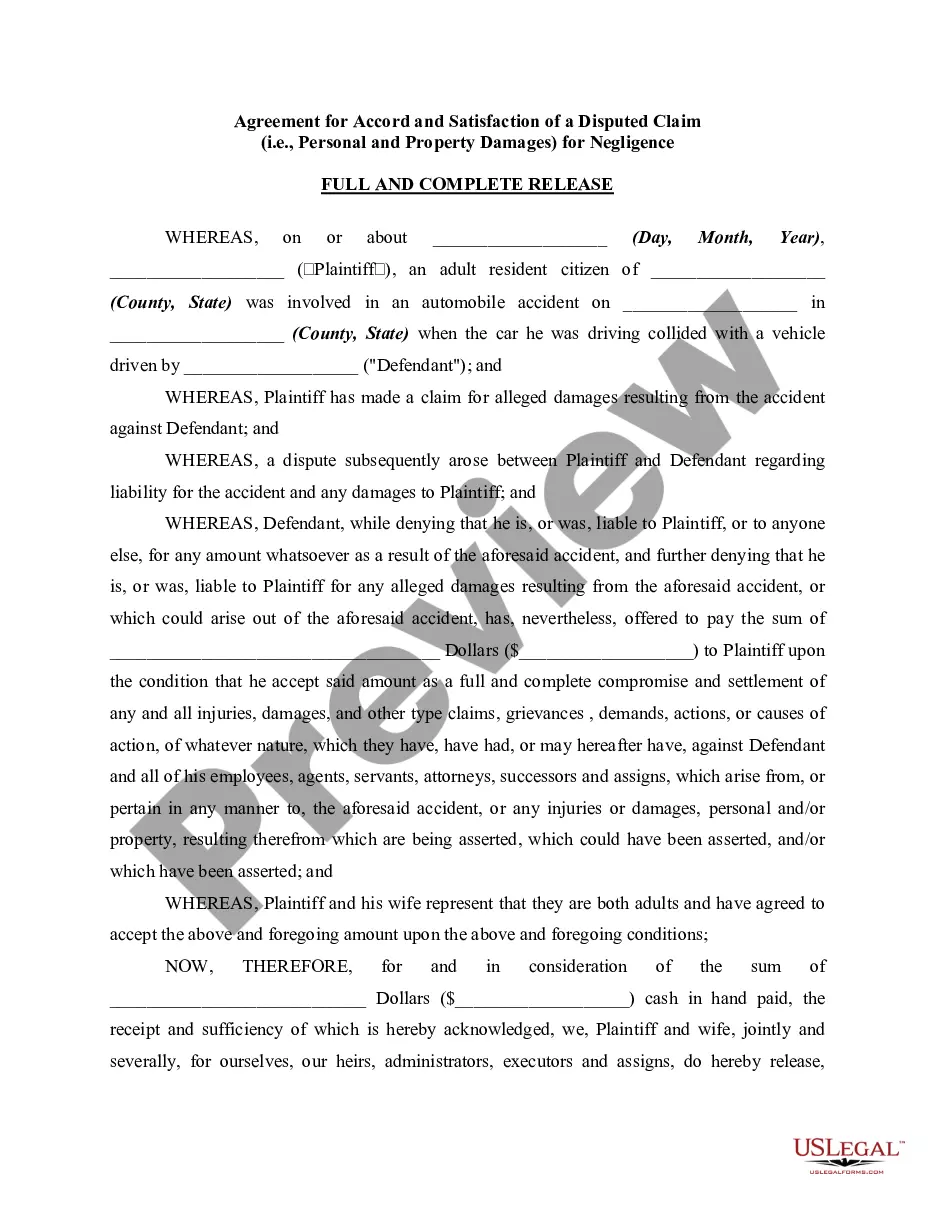
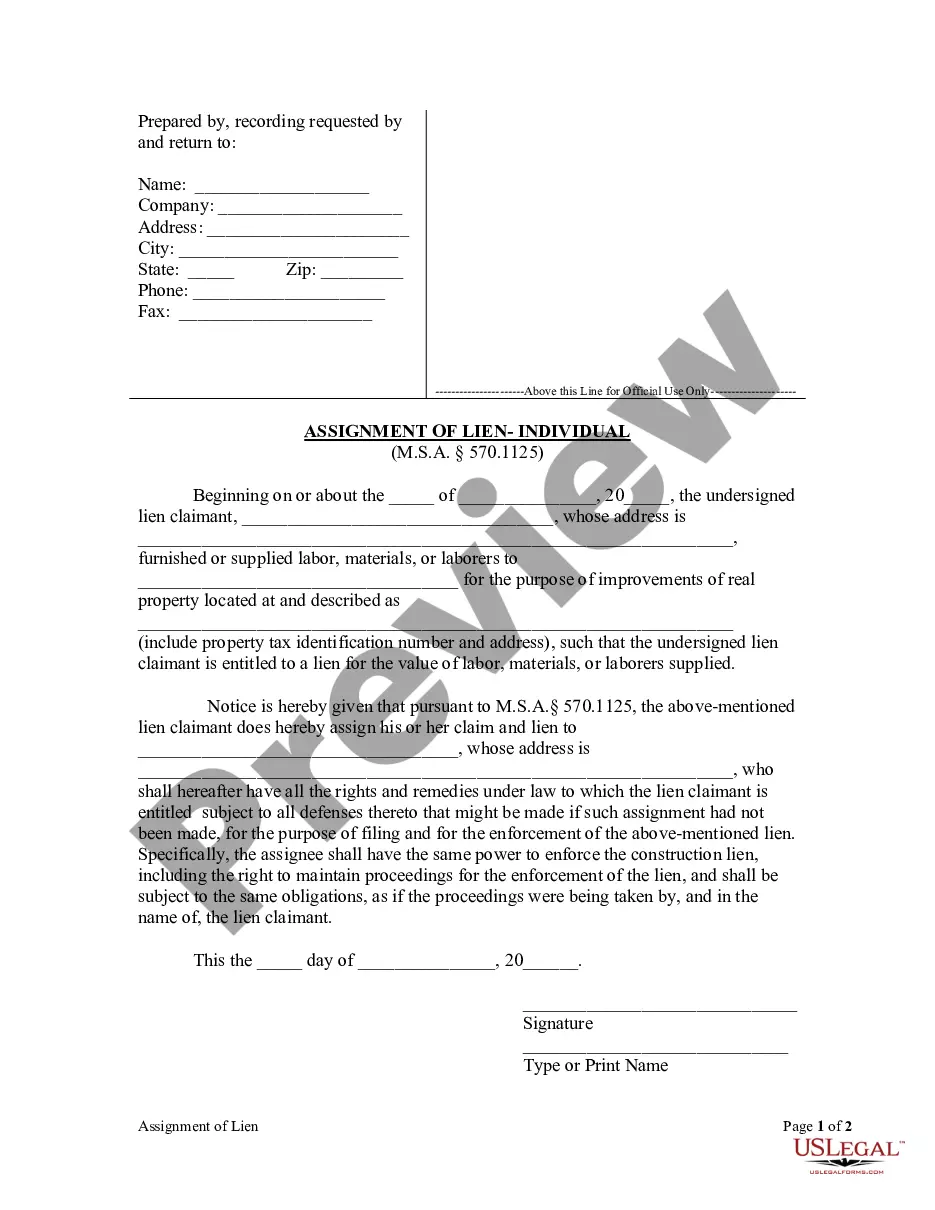
Dispute Claim Form Without Attorney In Contra Costa
Description
Get your form ready online
Our built-in tools help you complete, sign, share, and store your documents in one place.
Make edits, fill in missing information, and update formatting in US Legal Forms—just like you would in MS Word.
Download a copy, print it, send it by email, or mail it via USPS—whatever works best for your next step.
Sign and collect signatures with our SignNow integration. Send to multiple recipients, set reminders, and more. Go Premium to unlock E-Sign.
If this form requires notarization, complete it online through a secure video call—no need to meet a notary in person or wait for an appointment.
We protect your documents and personal data by following strict security and privacy standards.

Make edits, fill in missing information, and update formatting in US Legal Forms—just like you would in MS Word.

Download a copy, print it, send it by email, or mail it via USPS—whatever works best for your next step.

Sign and collect signatures with our SignNow integration. Send to multiple recipients, set reminders, and more. Go Premium to unlock E-Sign.

If this form requires notarization, complete it online through a secure video call—no need to meet a notary in person or wait for an appointment.

We protect your documents and personal data by following strict security and privacy standards.
Looking for another form?

Form popularity
FAQ
There are different kinds of cases you can file in small claims court. Some common types of small claims cases are disputes about: Property damage or personal injury from a car accident. Landlord/tenant security deposits.
Your server has to fill out a form called Proof of Service (SC-104) , for each person, business, or public entity served. The Proof of Service tells the court who was served, and when, where and how they were served.
You need to fill out either one or two forms, depending on your situation. You must fill out: Request for Dismissal (form CIV-110) This forms asks the court to dismiss the case. You may need to fill out a 2nd form, too. Fill out a Notice of Entry of Dismissal and Proof of Service (form CIV-120) if either.
Go to your county clerk's office and let them know you'd like to file a small claim. The clerk's office will give you paperwork to fill out with basic information for your case: your name (the plaintiff), the name of the person or business you're suing (the defendant) and the amount you're asking for.
Whether you represent yourself or hire an attorney, there are things you can do to ensure a good result in your case. Find the Right Court. Litigate for the Right Reasons. Mediate Instead of Litigate. Communicate With Your Attorney. Be Willing to Negotiate. Follow Court Procedures. You'll Need a Good Lawyer.
Under CCP § 583.310, an action must be brought to trial within five years after it is commenced against the defendant. An action “commences” on the date the original complaint is filed with the court against the defendant. If other defendants are later added, those actions will have a different date of commencement.
If you are: a person (this includes sole-proprietors) you may claim up to $12,500; if you are a Corporation, limited liability company or partnership, you may claim up to $6,250.
After the defendant is served, they usually have 30 days to respond. This means filing a response in court. Depending on how (and if) they respond, you have some options for the next steps.
(a) The summons and complaint shall be served upon a defendant within three years after the action is commenced against the defendant. For the purpose of this subdivision, an action is commenced at the time the complaint is filed.
Contact the NCR: Call them at 0860 627 627 or email them at complaints@ncr.za. Submit a Complaint Form: Download and complete the complaint form from the NCR website. .

