Legal Domicile Meaning In Middlesex
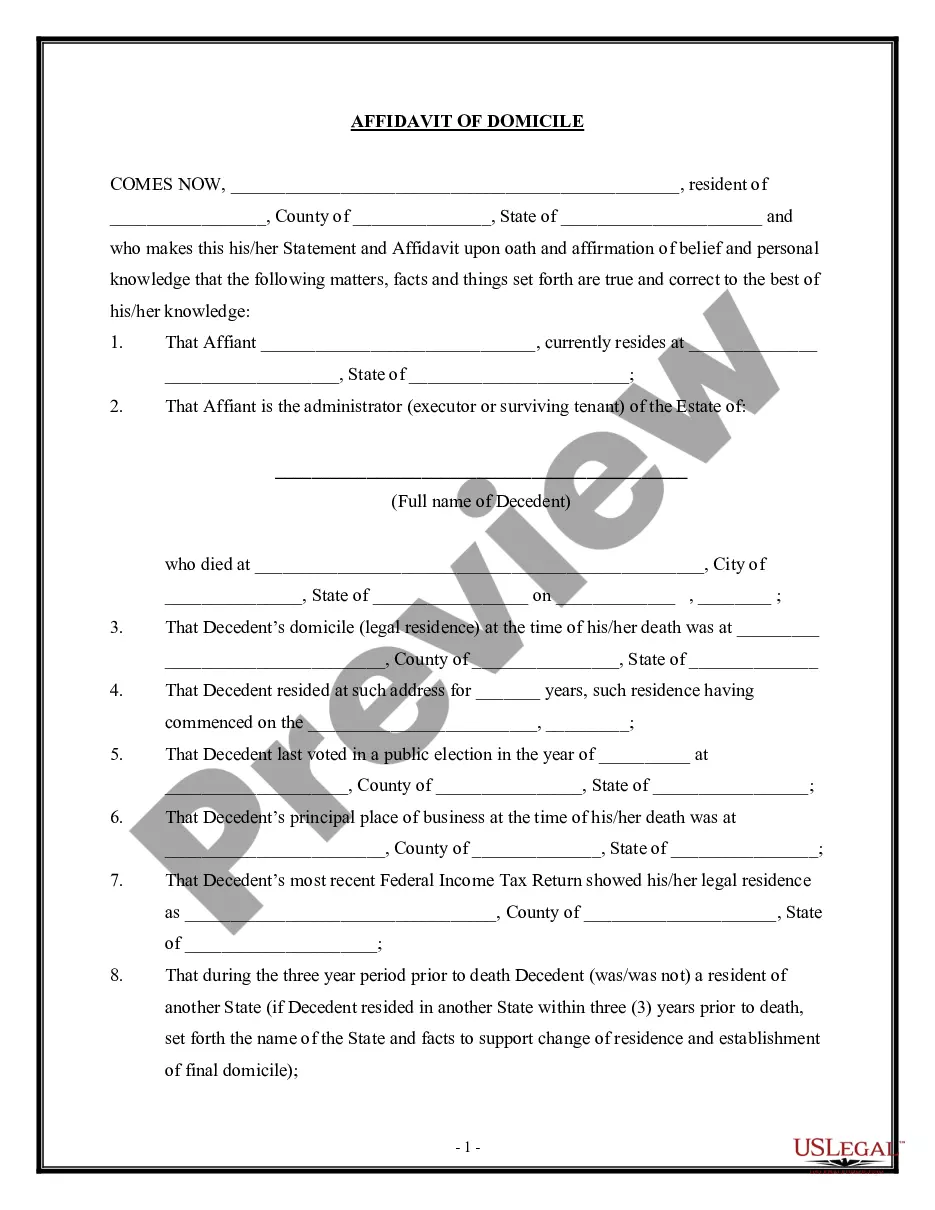
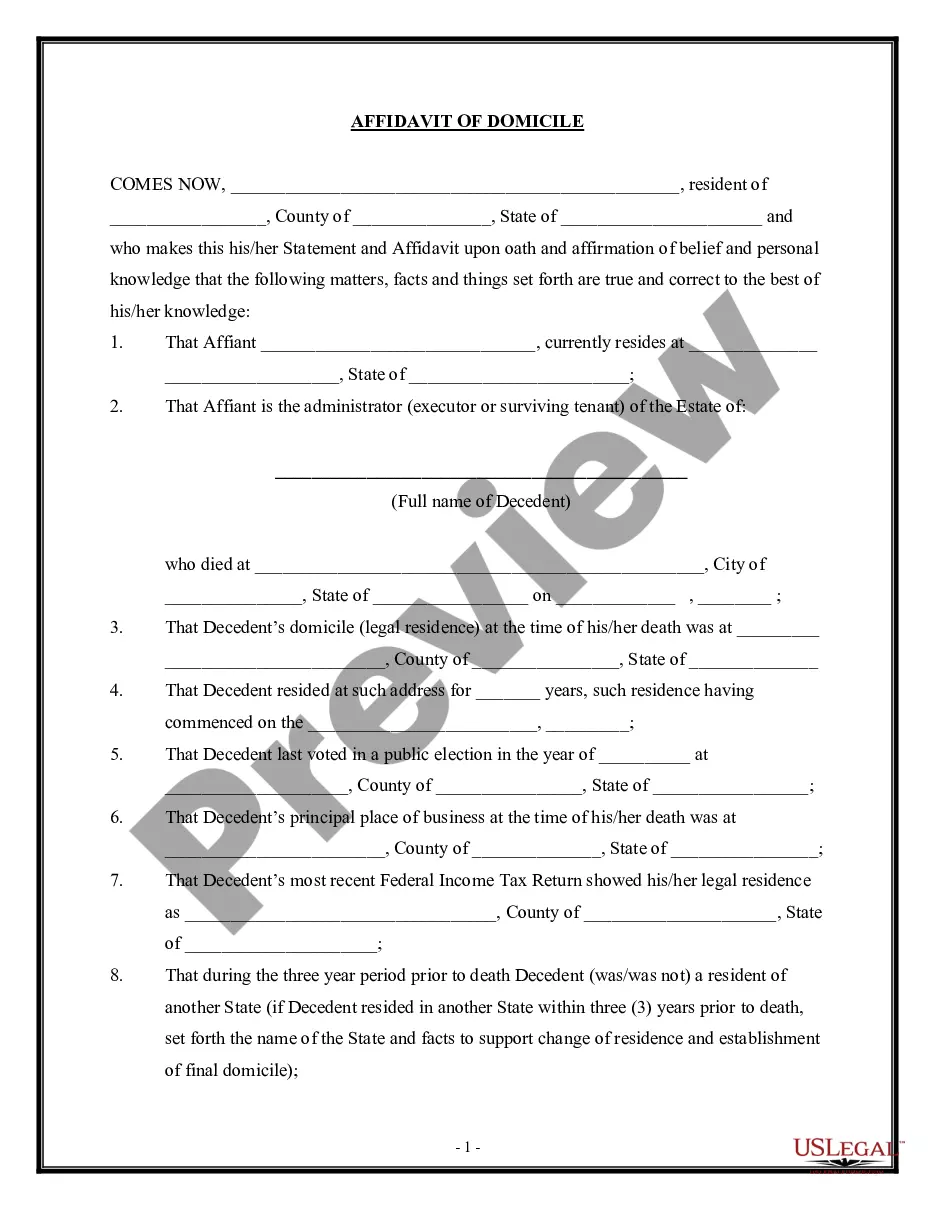
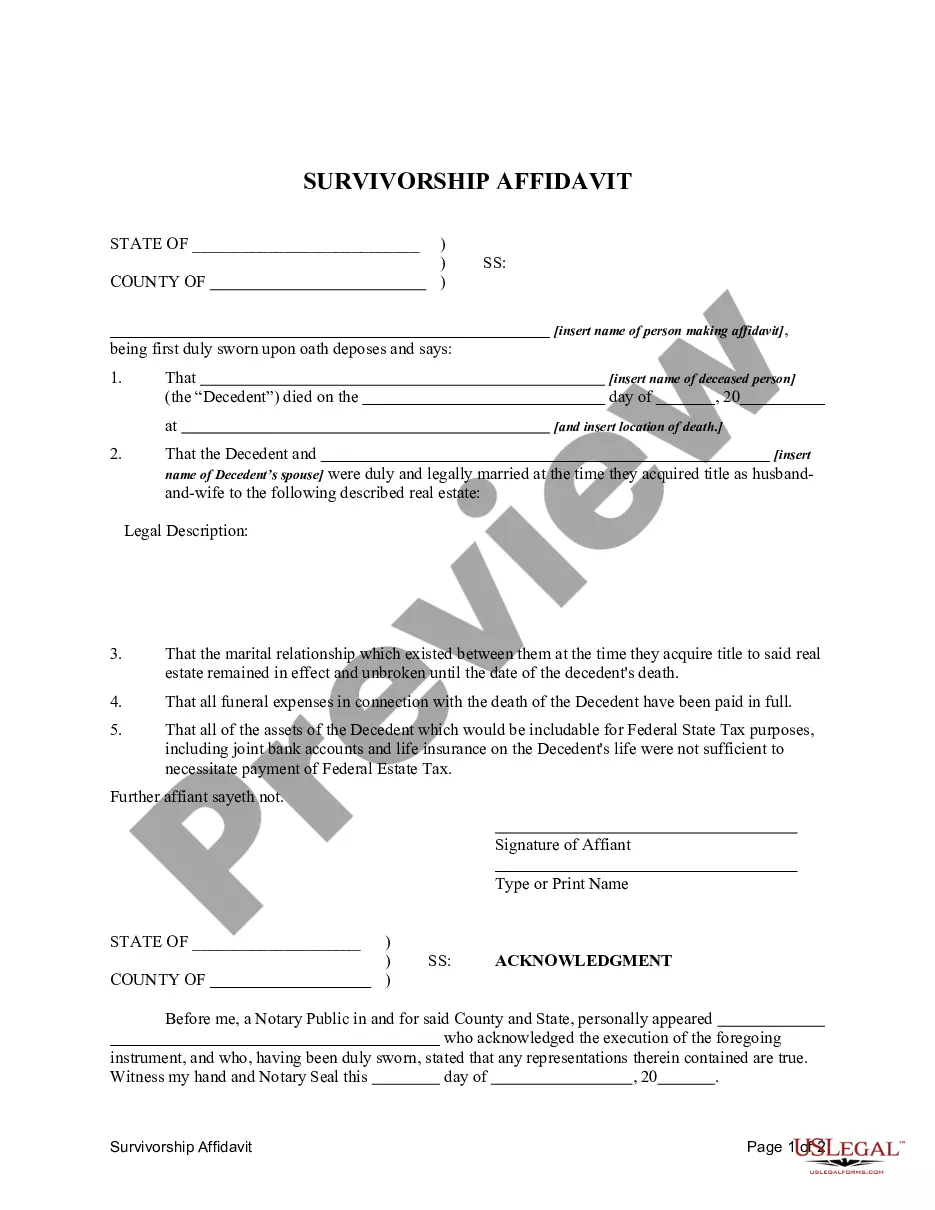
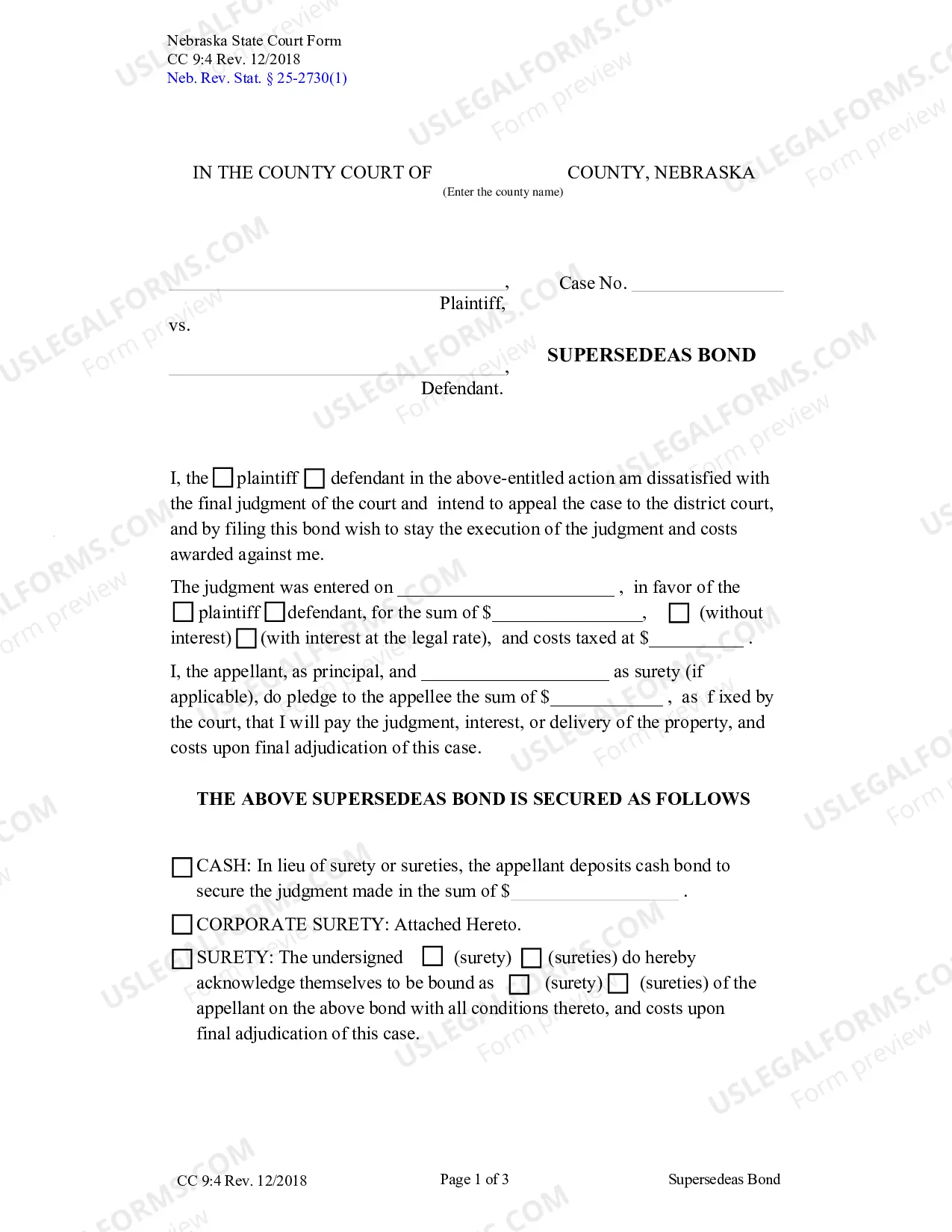
Description
Get your form ready online
Our built-in tools help you complete, sign, share, and store your documents in one place.
Make edits, fill in missing information, and update formatting in US Legal Forms—just like you would in MS Word.
Download a copy, print it, send it by email, or mail it via USPS—whatever works best for your next step.
Sign and collect signatures with our SignNow integration. Send to multiple recipients, set reminders, and more. Go Premium to unlock E-Sign.
If this form requires notarization, complete it online through a secure video call—no need to meet a notary in person or wait for an appointment.
We protect your documents and personal data by following strict security and privacy standards.

Make edits, fill in missing information, and update formatting in US Legal Forms—just like you would in MS Word.

Download a copy, print it, send it by email, or mail it via USPS—whatever works best for your next step.

Sign and collect signatures with our SignNow integration. Send to multiple recipients, set reminders, and more. Go Premium to unlock E-Sign.

If this form requires notarization, complete it online through a secure video call—no need to meet a notary in person or wait for an appointment.

We protect your documents and personal data by following strict security and privacy standards.
Looking for another form?





Form popularity
FAQ
HMRC may treat you as UK-domiciled if you: were UK resident for 15 of the last 20 tax years. return to Britain for more than a year (if the UK is your domicile of origin and place of birth) move to a third country – until you can demonstrate you have established a new domicile of choice.
An individual is domiciled in the UK if they 'belong' in the UK and it is their home. This is usually established through their parents' (usually father's) domicile at the date of the individual's birth, known as 'domicile of origin'; or by making the UK their permanent home and renouncing their native land.
Domicile is a legal concept which impacts on an individual's UK tax position. Simplistically, an individual is domiciled in the place they consider to be their permanent home and where they have the closest ties. It is a concept that is separate to nationality and legal residence or citizenship.
You may be resident under the automatic UK tests if: you spent 183 or more days in the UK in the tax year. your only home was in the UK for 91 days or more in a row - and you visited or stayed in it for at least 30 days of the tax year.
Documents required Aadhaar. PRC of self and parents. Date of Birth certificate. Proof of identity. Proof of residence. Certificate of education verified by the Chief Education Officer (CEO) of the district. Certificate of registration as migrant (Migrants)
After being resident for 15 years in the last 20 in the UK you become 'deemed domicile' here for tax purposes. Domicile is unrelated to a person's nationality, residence or ethnicity.
Overview. Tax residence is a short-term concept and is determined for each tax year separately, broadly reflecting where you reside. Domicile is more long-term and refers to the country which you consider to be your permanent 'home' over the course of your life.
Your domicile is the state of your permanent home, or the state you consider your home whenever you are. elsewhere. Your domicile is an important place. It is, for example, the place that usually has the power to tax.

