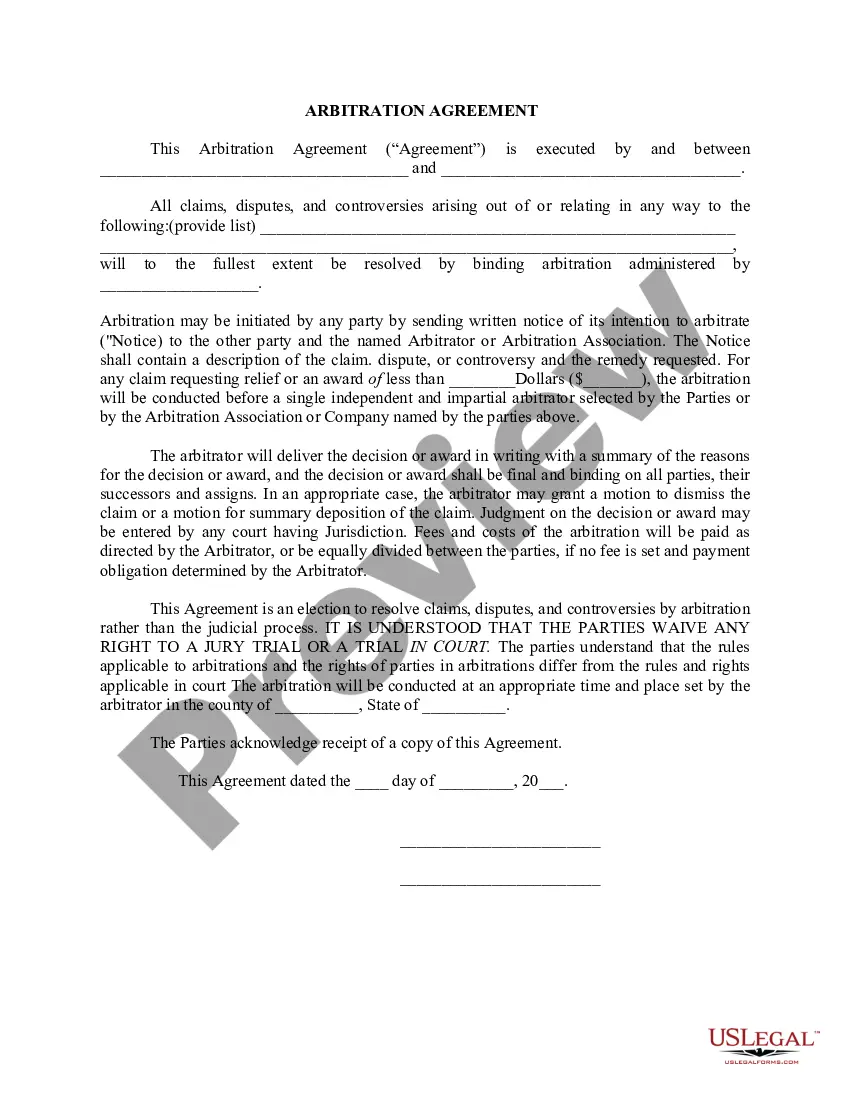
Arbitration Process For Dispute Resolution In Dallas
Description

Get your form ready online
Our built-in tools help you complete, sign, share, and store your documents in one place.
Make edits, fill in missing information, and update formatting in US Legal Forms—just like you would in MS Word.
Download a copy, print it, send it by email, or mail it via USPS—whatever works best for your next step.
Sign and collect signatures with our SignNow integration. Send to multiple recipients, set reminders, and more. Go Premium to unlock E-Sign.
If this form requires notarization, complete it online through a secure video call—no need to meet a notary in person or wait for an appointment.
We protect your documents and personal data by following strict security and privacy standards.

Make edits, fill in missing information, and update formatting in US Legal Forms—just like you would in MS Word.

Download a copy, print it, send it by email, or mail it via USPS—whatever works best for your next step.

Sign and collect signatures with our SignNow integration. Send to multiple recipients, set reminders, and more. Go Premium to unlock E-Sign.

If this form requires notarization, complete it online through a secure video call—no need to meet a notary in person or wait for an appointment.

We protect your documents and personal data by following strict security and privacy standards.
Looking for another form?

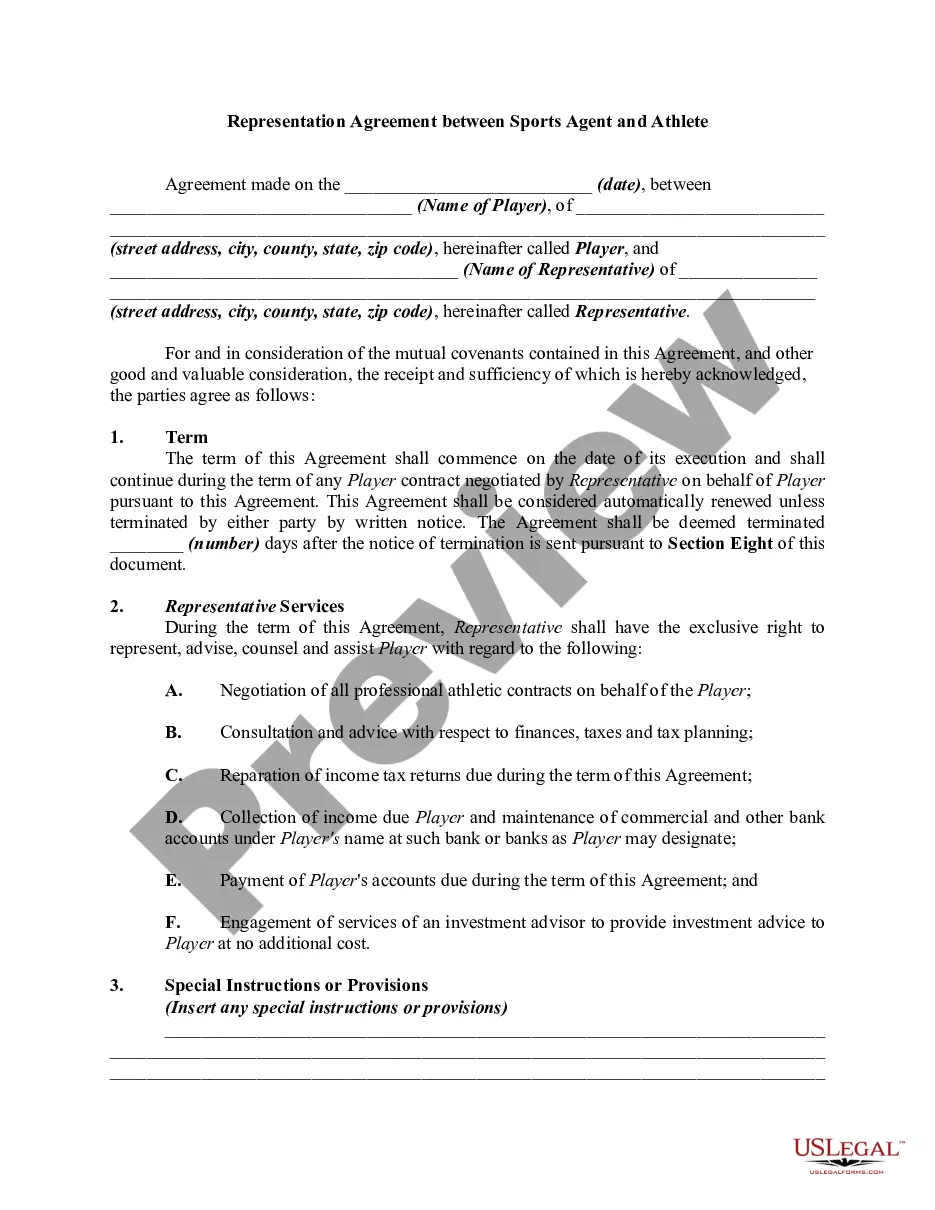
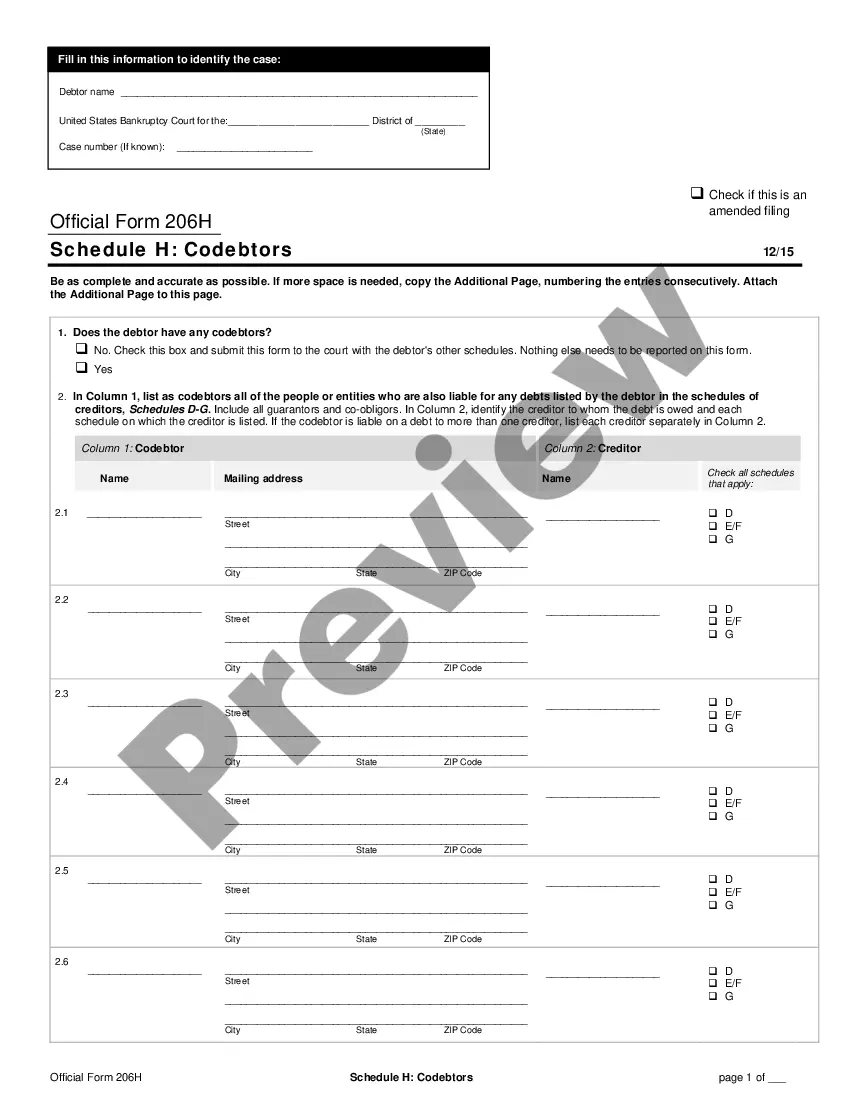

Form popularity
FAQ
Arbitration is an ADR process where the parties present arguments and evidence to an independent third party, the arbitrator, who makes a determination. Arbitration is particularly useful where the subject matter is highly technical, or where the parties seek greater confidentiality than in an open court.
How do I choose arbitration? All parties must agree to arbitration and complete and sign DWC Form-044, Election to Engage in Arbitration. There is a deadline. The completed form must be filed with DWC by the 20th day after the benefit review conference.
Arbitration is a procedure in which a dispute is submitted, by agreement of the parties, to one or more arbitrators who make a binding decision on the dispute. In choosing arbitration, the parties opt for a private dispute resolution procedure instead of going to court.
Arbitration In arbitration, a neutral third party serves as a judge who is responsible for resolving the dispute. The arbitrator listens as each side argues its case and presents relevant evidence, then renders a binding decision.
Advantages Efficient and Flexible: Quicker Resolution, Easier to schedule. Less Complicated: Simplified rules of evidence and procedure. Privacy: Keep it out of the public eye. Impartiality: Choosing the “judge” ... Usually less expensive. Finality: The end of the dispute. For employers, class action waiver.
Arbitration often involves a binding agreement and occurs when an arbitrator, often a lawyer, applies law and facts to the case resulting in a reward or solution. Mediation, which is non-binding, involves a mediator assisting both parties with communication, in hopes of coming to a shared agreement.
In arbitration, a neutral third party serves as a judge who is responsible for resolving the dispute. The arbitrator listens as each side argues its case and presents relevant evidence, then renders a binding decision.
Arbitration is the most traditional form of private dispute resolution. Arbitration is a binding procedure. It is often "administered" by a private organization that maintains lists of available arbitrators and provide rules under which the arbitration will be conducted.
To give you an idea of the process that arbitration typically involves, the American Arbitration Association describes artibtration as having five main steps: Filing and initiation. Arbitrator selection. Preliminary hearing. Information exchange and preparation. Hearings. Post hearing submissions. Award.
Arbitration is a dispute resolution mechanism agreed on by parties, which involves the appointment of one or more ar- bitrators to preside over and to make a final decision on a dispute between two or more parties – instead of approaching a court of law to resolve the dispute.