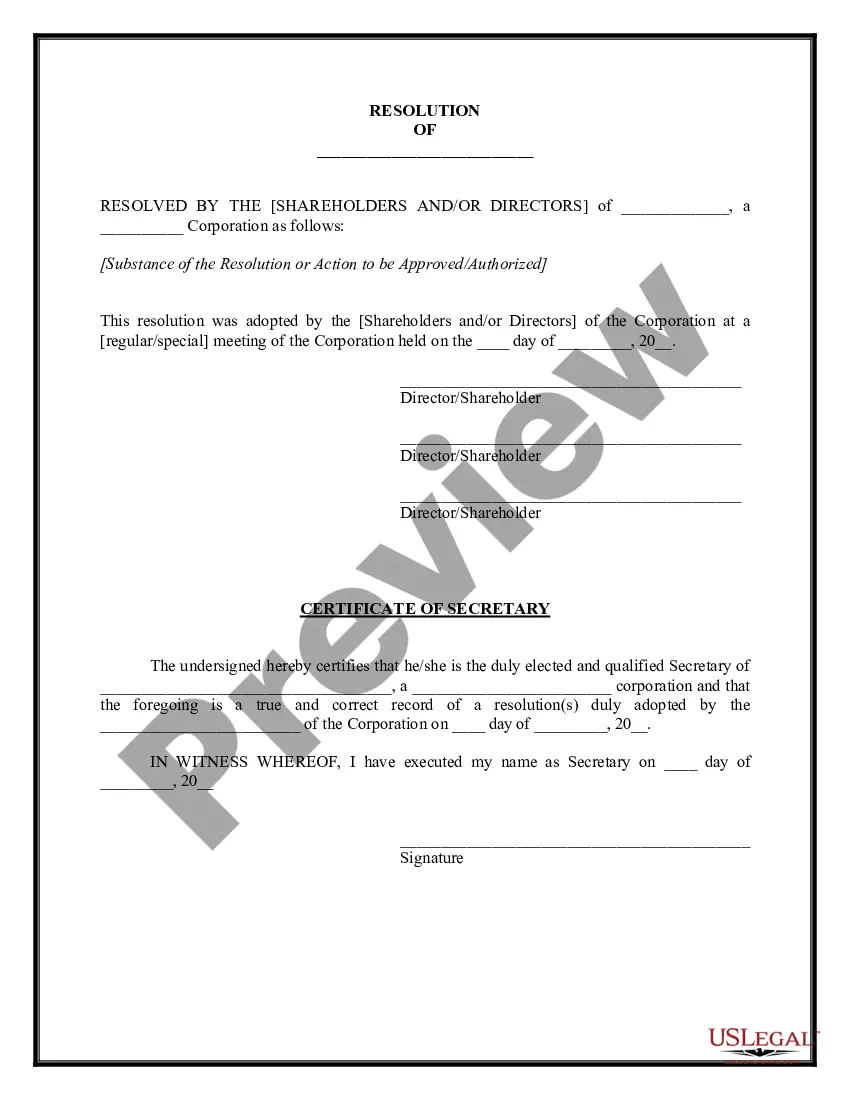
Denial Letter For Rental Application In Pima
Description


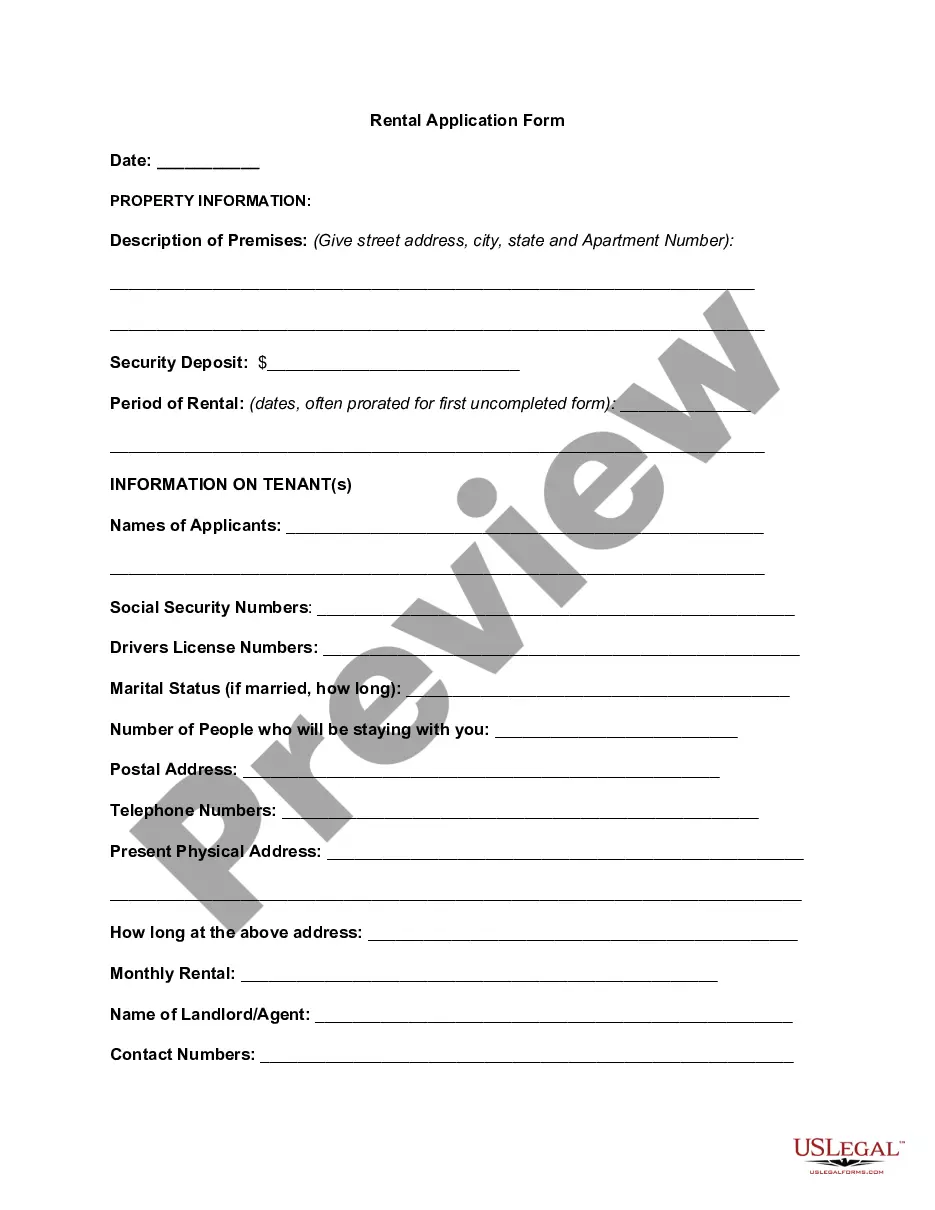
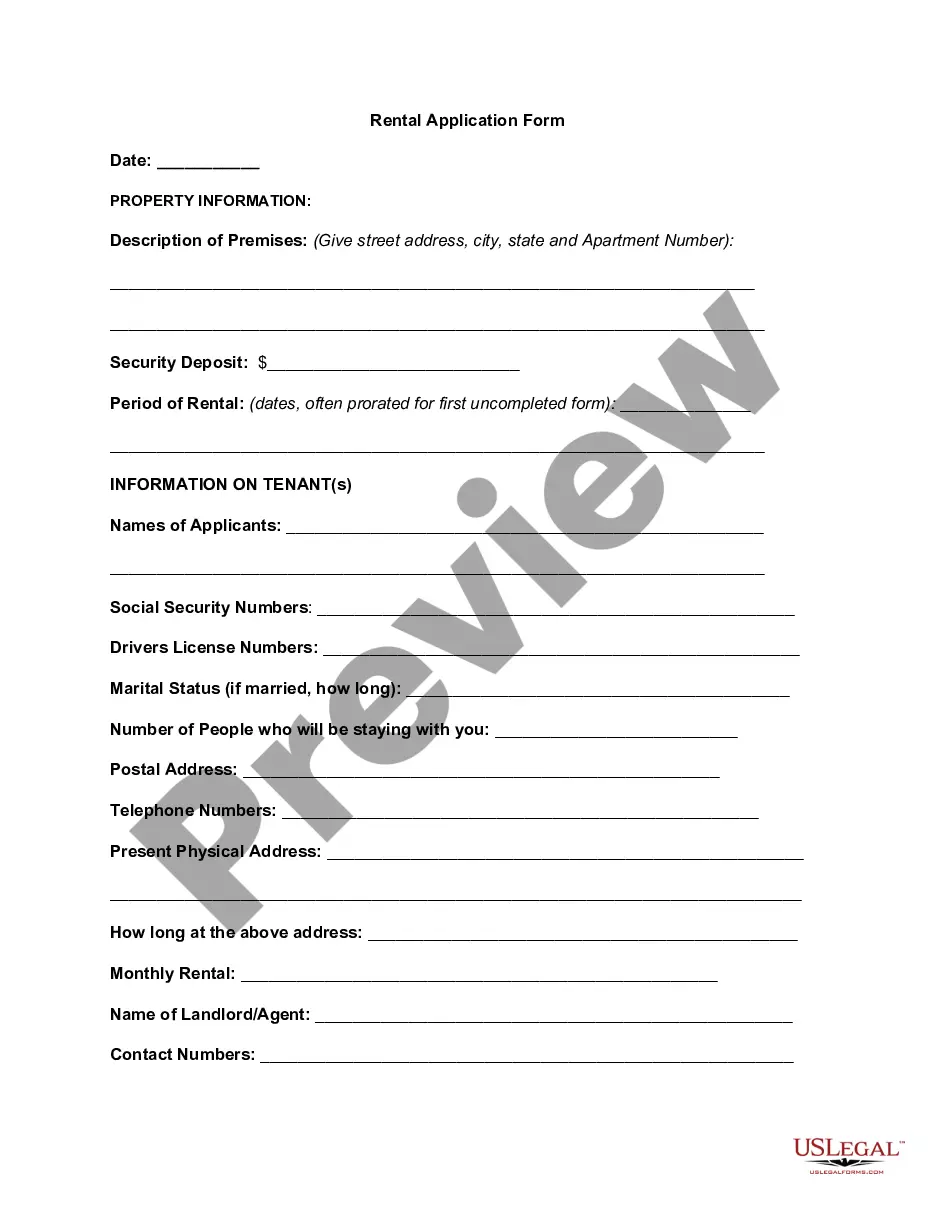
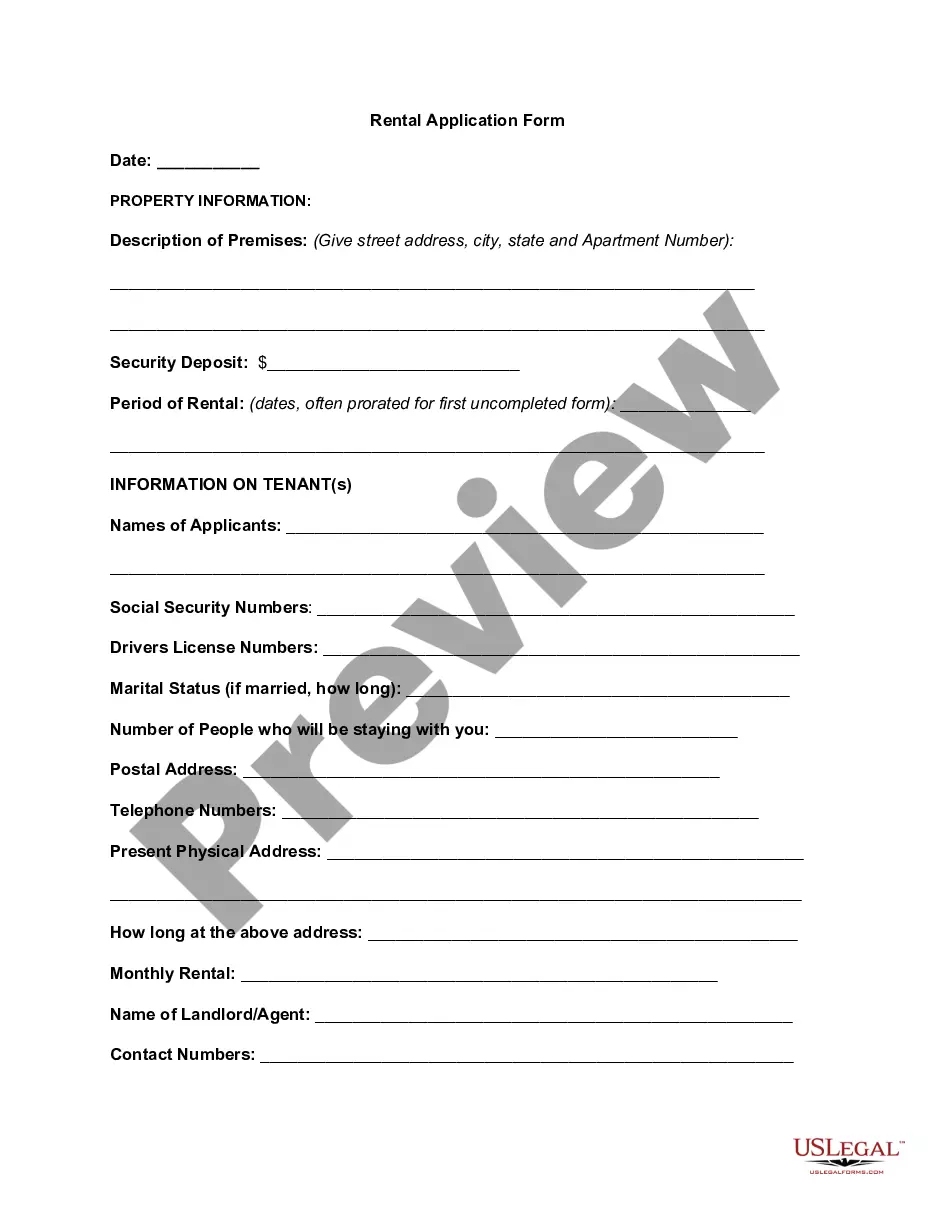
Get your form ready online
Our built-in tools help you complete, sign, share, and store your documents in one place.
Make edits, fill in missing information, and update formatting in US Legal Forms—just like you would in MS Word.
Download a copy, print it, send it by email, or mail it via USPS—whatever works best for your next step.
Sign and collect signatures with our SignNow integration. Send to multiple recipients, set reminders, and more. Go Premium to unlock E-Sign.
If this form requires notarization, complete it online through a secure video call—no need to meet a notary in person or wait for an appointment.
We protect your documents and personal data by following strict security and privacy standards.

Make edits, fill in missing information, and update formatting in US Legal Forms—just like you would in MS Word.

Download a copy, print it, send it by email, or mail it via USPS—whatever works best for your next step.

Sign and collect signatures with our SignNow integration. Send to multiple recipients, set reminders, and more. Go Premium to unlock E-Sign.

If this form requires notarization, complete it online through a secure video call—no need to meet a notary in person or wait for an appointment.

We protect your documents and personal data by following strict security and privacy standards.
Looking for another form?


Form popularity
FAQ
As a landlord, the best way to decline a rental application is to write a polite and detailed rejection letter. In your letter, you should politely decline the applicant. Then, you should also express appreciation for the applicant's interest and welcome follow-up questions or concerns.
When to write an appeal letter? ... Scan your denial letter carefully. Think of what reason you want to address and how. Address the appeal letter. First paragraph: Ask for reconsideration. Second paragraph: State your case. Third paragraph: Offer possible concessions. Conclusion: Don't forget to sign.
If you didn't meet the landlord's requirements before, but you do now, the landlord will likely reconsider you as a tenant. However, if the reason for the rejection remains, then reapplying will typically result in another rejected application.
Reasons Why an Application Might Be Denied Here are some common reasons rental applications are denied: Inadequate or incorrect income. Credit history. Something in the background check.
Dear Applicant's Name, Thank you for your interest in renting the property located at Property Address. We appreciate the time and effort you put into your application. After careful consideration, we regret to inform you that we are unable to approve your application at this time.
There is no formal appeal process however, if you feel though as your application was denied incorrectly you can certainly follow back up with the leasing agent, property manager, or landlord and ask to provide additional clarification or information which may help change their mind in approving your application.
How to write a denial letter Restate the request. To prevent unnecessary confusion, restate the request your employee made in a few brief sentences. Be specific. Provide a specific reason for your denial. Offer an alternative if possible. Remain polite and professional.
Valid reasons to deny a rental application Insufficient income. Your tenant should earn a minimum of three times the monthly rent. Bad credit. This suggests they are not financially responsible. Relevant criminal history. Have evictions on record. Poor references from prior landlords.
A landlord may have the right to enter his property, even against his tenant's wishes, as long as he has given proper written notice and the entry occurs during “normal business hours.” California requires a landlord provide “reasonable” advance notice of intent to enter and considers 24 hours “reasonable” absent ...
Dear (Applicant's Name), Thank you for your interest in the (Property Address) and for submitting your application. We appreciate the time and effort you took to apply. After careful consideration, we regret to inform you that we will not be moving forward with your application at this time.