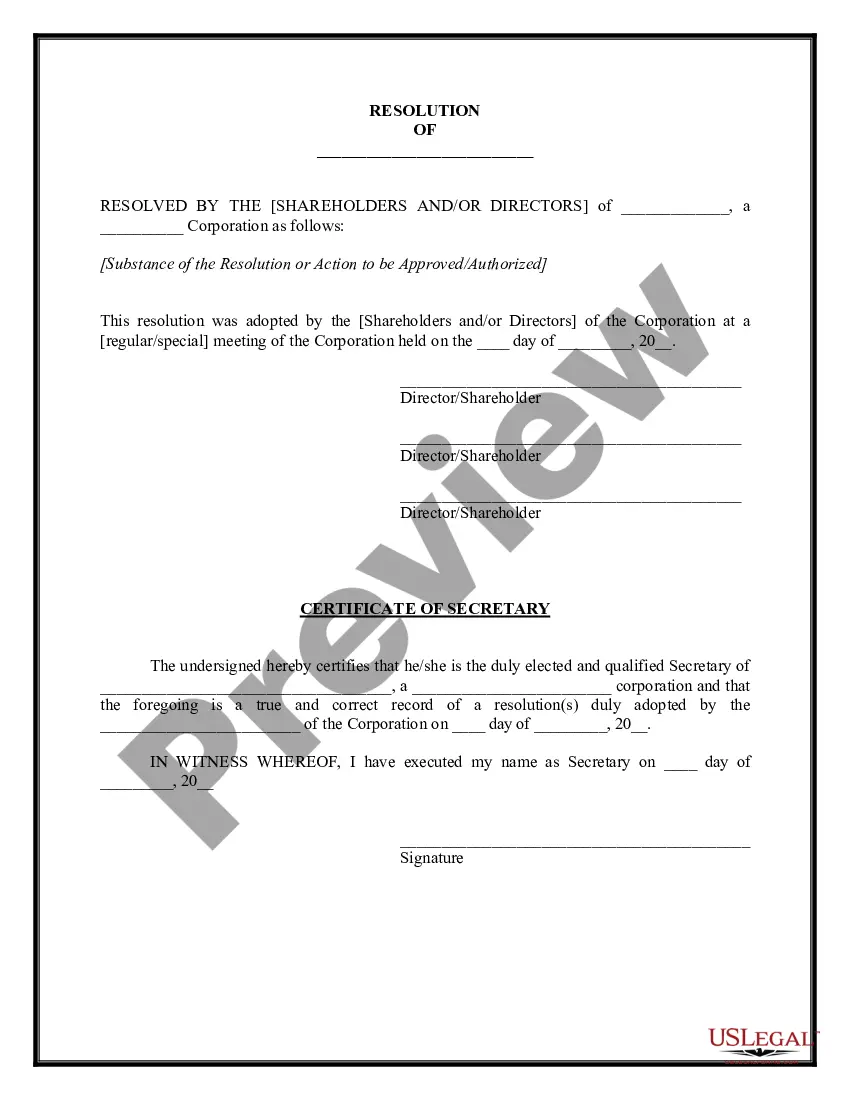
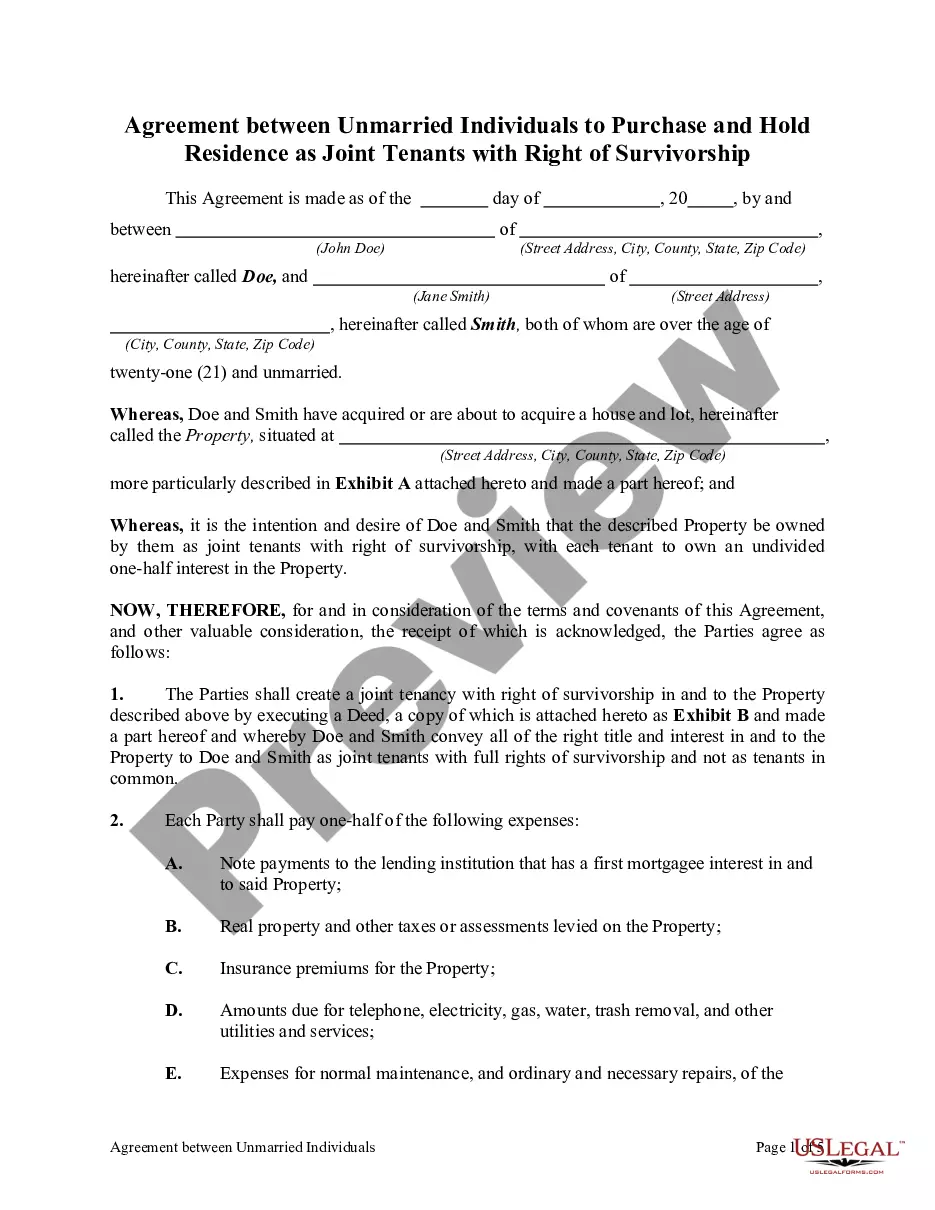
Agreement Unmarried With Spouse In Tarrant
Description

Get your form ready online
Our built-in tools help you complete, sign, share, and store your documents in one place.
Make edits, fill in missing information, and update formatting in US Legal Forms—just like you would in MS Word.
Download a copy, print it, send it by email, or mail it via USPS—whatever works best for your next step.
Sign and collect signatures with our SignNow integration. Send to multiple recipients, set reminders, and more. Go Premium to unlock E-Sign.
If this form requires notarization, complete it online through a secure video call—no need to meet a notary in person or wait for an appointment.
We protect your documents and personal data by following strict security and privacy standards.

Make edits, fill in missing information, and update formatting in US Legal Forms—just like you would in MS Word.

Download a copy, print it, send it by email, or mail it via USPS—whatever works best for your next step.

Sign and collect signatures with our SignNow integration. Send to multiple recipients, set reminders, and more. Go Premium to unlock E-Sign.

If this form requires notarization, complete it online through a secure video call—no need to meet a notary in person or wait for an appointment.

We protect your documents and personal data by following strict security and privacy standards.
Looking for another form?


Form popularity
FAQ
Pre nuptial and post nuptial agreements A pre nuptial agreement is a contract signed before a marriage. It sets out what each party can expect during the marriage and if the marriage comes to an end through divorce or death. A post nuptial agreement is a contract signed after a marriage has taken place.
A compromise agreement between husband and wife is a written contract that outlines the terms and conditions mutually agreed upon by both parties to resolve marital disputes. The agreement may cover a wide range of issues, such as: Division of property and assets. Custody and visitation rights of children.
For example, you may seek a court judgment if your spouse refuses to separate or undergo mediation. You may also have to go through this if you and your spouse attempted mediation but disagreed. You can go to court to settle matters such as property division, child custody, and child support.
Premarital & Marital Property Agreements Premarital agreements (also known as prenuptial agreements) establish the property and financial rights of each spouse in the event of a divorce. These agreements can also be entered into after you get married, often referred to as marital property agreements.
A marriage contract is an agreement signed before or after a wedding that provides a private and custom-made set of rules for dividing the couple's property should they separate and divorce or die. In fact, a marriage contract can overlap in many of its functions with a Will.
The marital settlement agreement, also called a stipulation of settlement, addresses how you and your spouse want to handle your property and assets, spousal and child support obligations, and visitation and custody arrangements without court involvement.
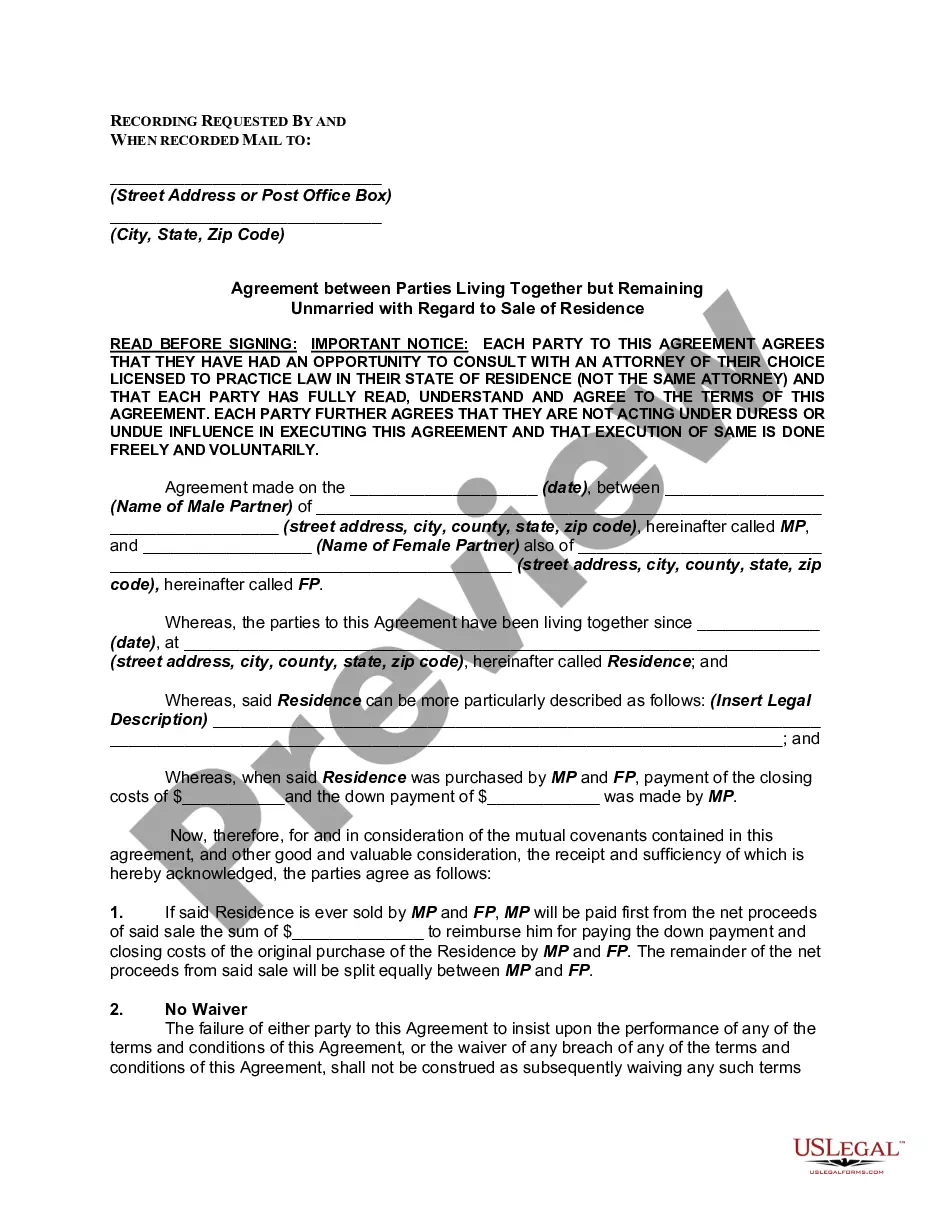
The Rights of Unmarried Couples Unmarried couples do not enjoy the same rights as married couples. Texas laws consider property acquired during a marriage to be owned equally by both parties, no matter whose name is on the property. But this does not apply to those who are not considered married.
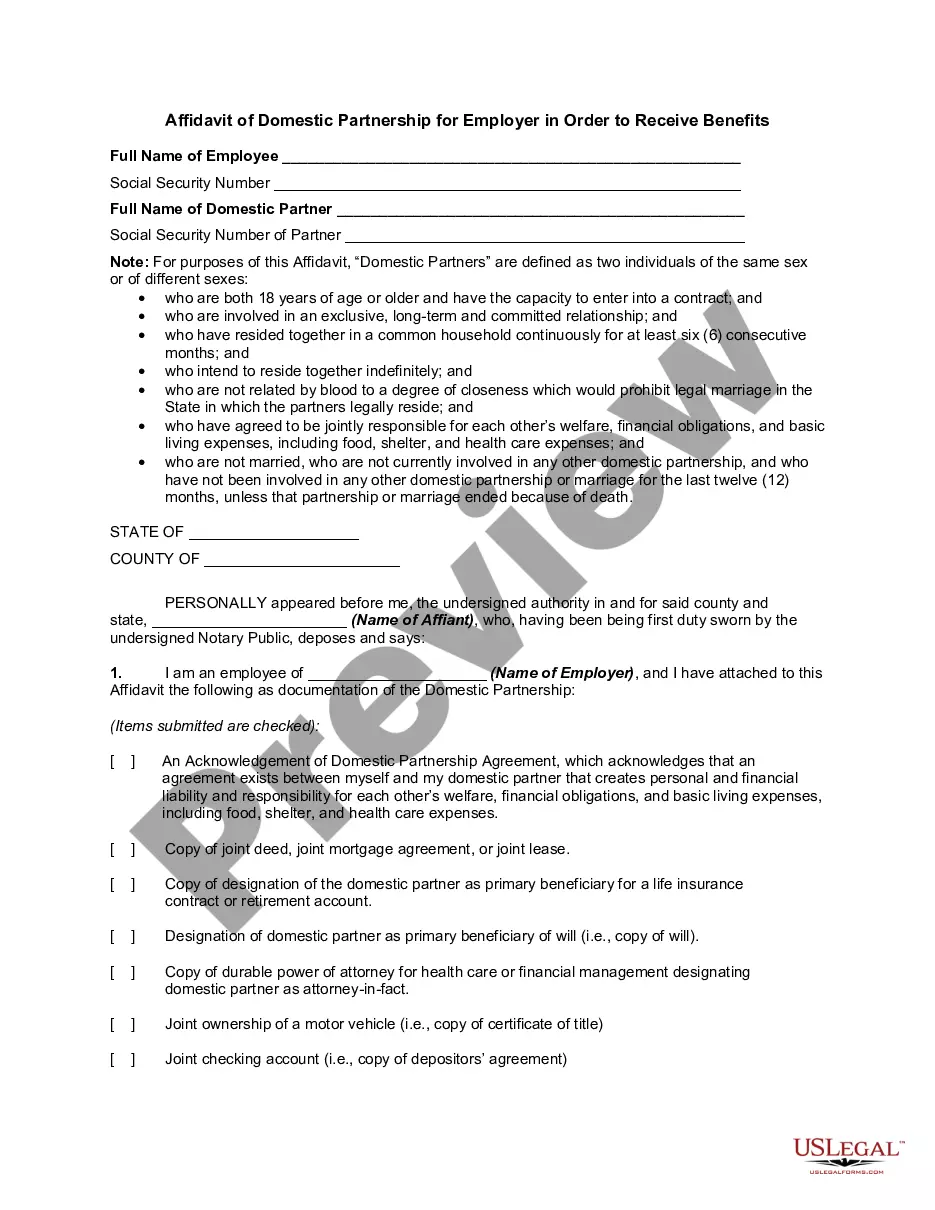
Protection to Put in Place #1 A Cohabitation Agreement. #2 A Pre-Nuptial Agreement. #3 Make Wills. #4 Take Out Life Insurance. #5 Check Your Pensions. #6 Consider How You Own Your Property.
A premarital agreement must be in writing and signed by both parties. The agreement is enforceable without consideration. Added by Acts 1997, 75th Leg., ch. 7, Sec.
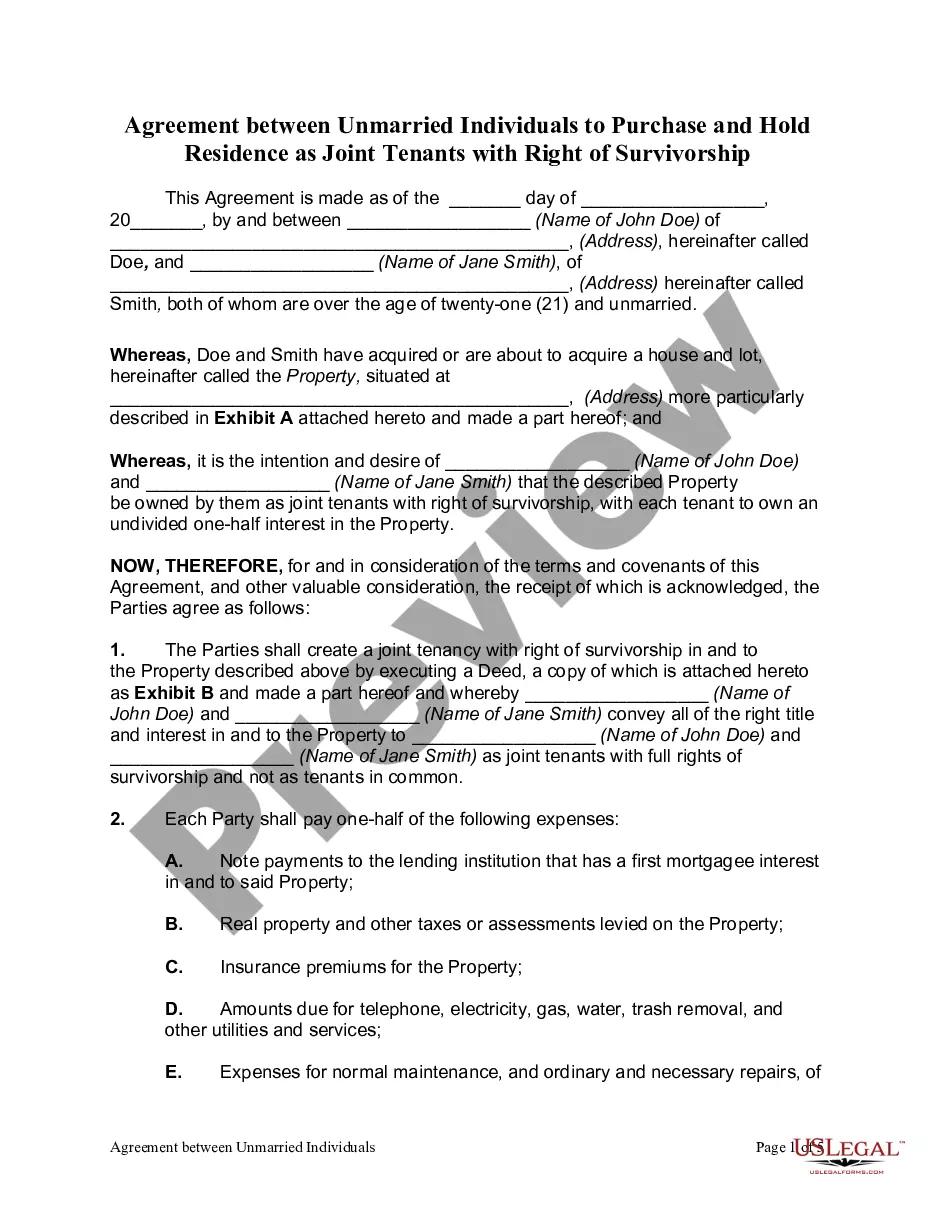
Unmarried partners can own property in two ways. They can be tenants in common, each having a distinct interest. Alternatively, they can be joint tenants with right of survivorship. In the latter case, if one partner dies, their share goes to the surviving partner.