Joint Tenants Without Right Of Survivorship In Pima
Description

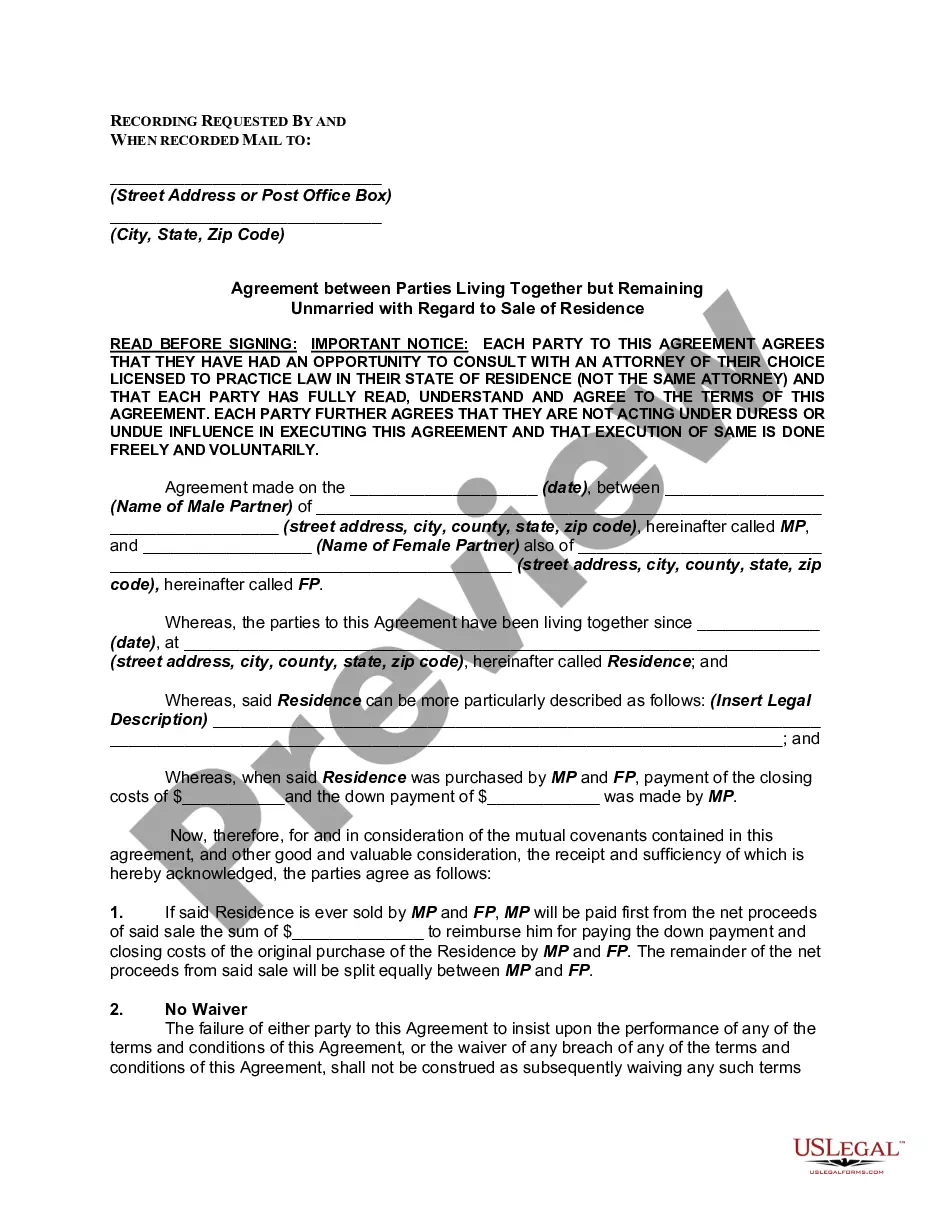
Get your form ready online
Our built-in tools help you complete, sign, share, and store your documents in one place.
Make edits, fill in missing information, and update formatting in US Legal Forms—just like you would in MS Word.
Download a copy, print it, send it by email, or mail it via USPS—whatever works best for your next step.
Sign and collect signatures with our SignNow integration. Send to multiple recipients, set reminders, and more. Go Premium to unlock E-Sign.
If this form requires notarization, complete it online through a secure video call—no need to meet a notary in person or wait for an appointment.
We protect your documents and personal data by following strict security and privacy standards.

Make edits, fill in missing information, and update formatting in US Legal Forms—just like you would in MS Word.

Download a copy, print it, send it by email, or mail it via USPS—whatever works best for your next step.

Sign and collect signatures with our SignNow integration. Send to multiple recipients, set reminders, and more. Go Premium to unlock E-Sign.

If this form requires notarization, complete it online through a secure video call—no need to meet a notary in person or wait for an appointment.

We protect your documents and personal data by following strict security and privacy standards.
Looking for another form?




Form popularity
FAQ
The main difference between joint tenants vs community property with right of survivorship lies in how the property is taxed after the death of a spouse. In joint tenant agreements, the proceeds from the sale of a property (after the death of a spouse) would be subject to the capital gains tax.
How Is a Deceased Joint Tenant Removed? Luckily, an Arizona probate is not needed to remove a deceased joint tenant with right of survivorship. A deceased joint tenant is removed from title of the property by completing and recording an Affidavit Evidencing Termination of Joint Tenancy.
Each joint tenant owns an equal share, and when one owner passes away, their share is automatically transferred to the surviving owner(s). The main advantage here is the avoidance of probate, which can be a lengthy and costly process.
Arizona is a community property state, which means that all property acquired by either spouse during the marriage is considered to be jointly owned. Upon a divorce, it will be divided approximately equally.
A joint tenancy is severed by (a) mortgage or creation of a deed of trust, (b) transfer to a revocable or irrevocable trust, (c) contract to convey the property, or (d) destruction of one or more of the four unities; and the result is the failure of the right of survivorship. In re the Estate of Estelle, 122 Ariz.
Under Arizona law, the term “next of kin” is generally used interchangeably with “heirs at law” for purposes of who inherits from a decedent's estate when the decedent dies intestate (without a will). Next of kin heirs at law in Arizona are generally the following people, in the following order: Surviving spouse.
Spouses in Arizona Inheritance Laws In nearly all scenarios, Arizona will allow the spouse of the deceased to inherit his or her full intestate estate. More specifically, this applies either to a marriage where neither partner had children or where all the children in the picture they had together.
An attorney can help you with this. The right of survivorship can be removed from a deed if all co-owners involved agree to it. If they disagree, a legal process will have to be initiated in court to contest the ownership of the property.
A joint tenancy is severed by (a) mortgage or creation of a deed of trust, (b) transfer to a revocable or irrevocable trust, (c) contract to convey the property, or (d) destruction of one or more of the four unities; and the result is the failure of the right of survivorship. In re the Estate of Estelle, 122 Ariz.
