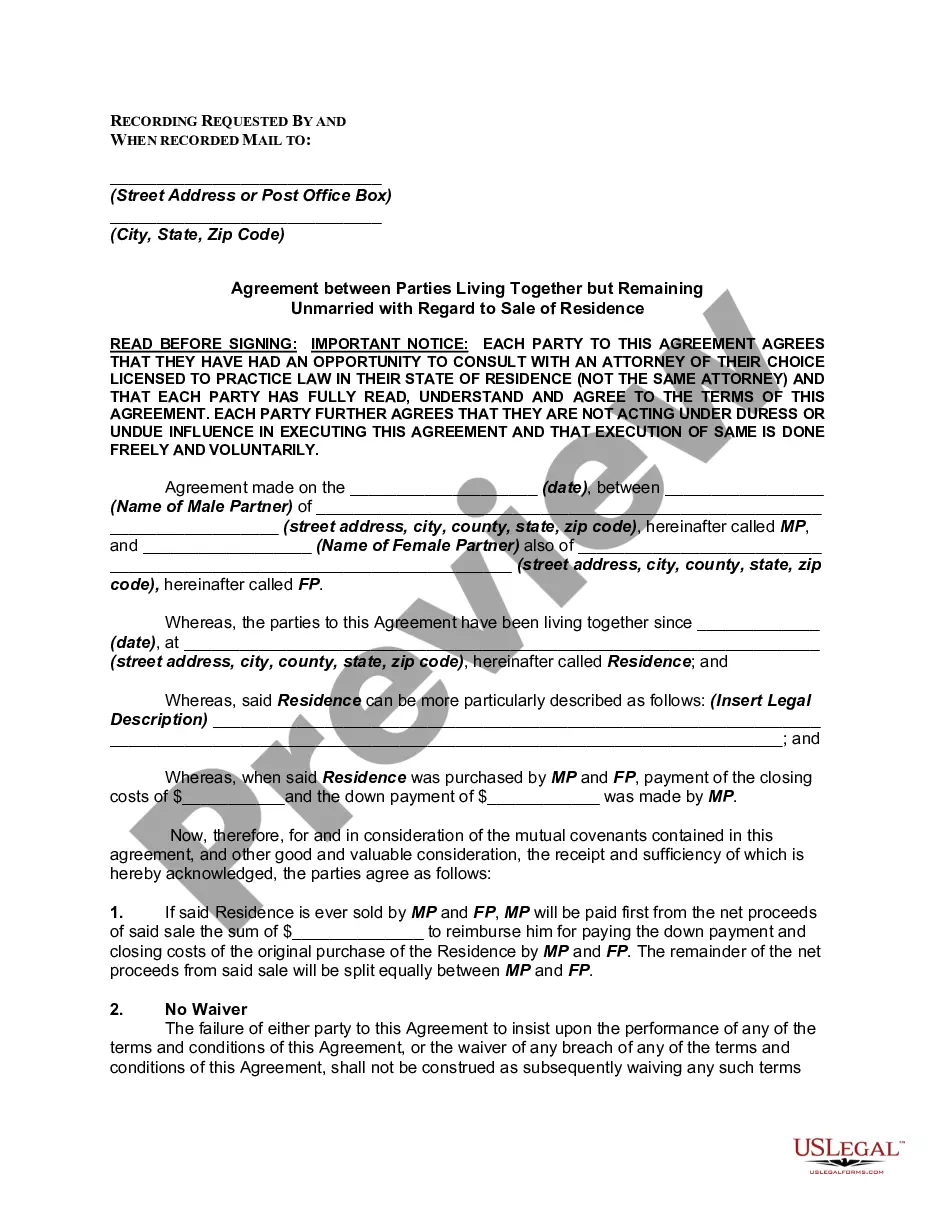
Joint Ownership Form Meaning In Dallas
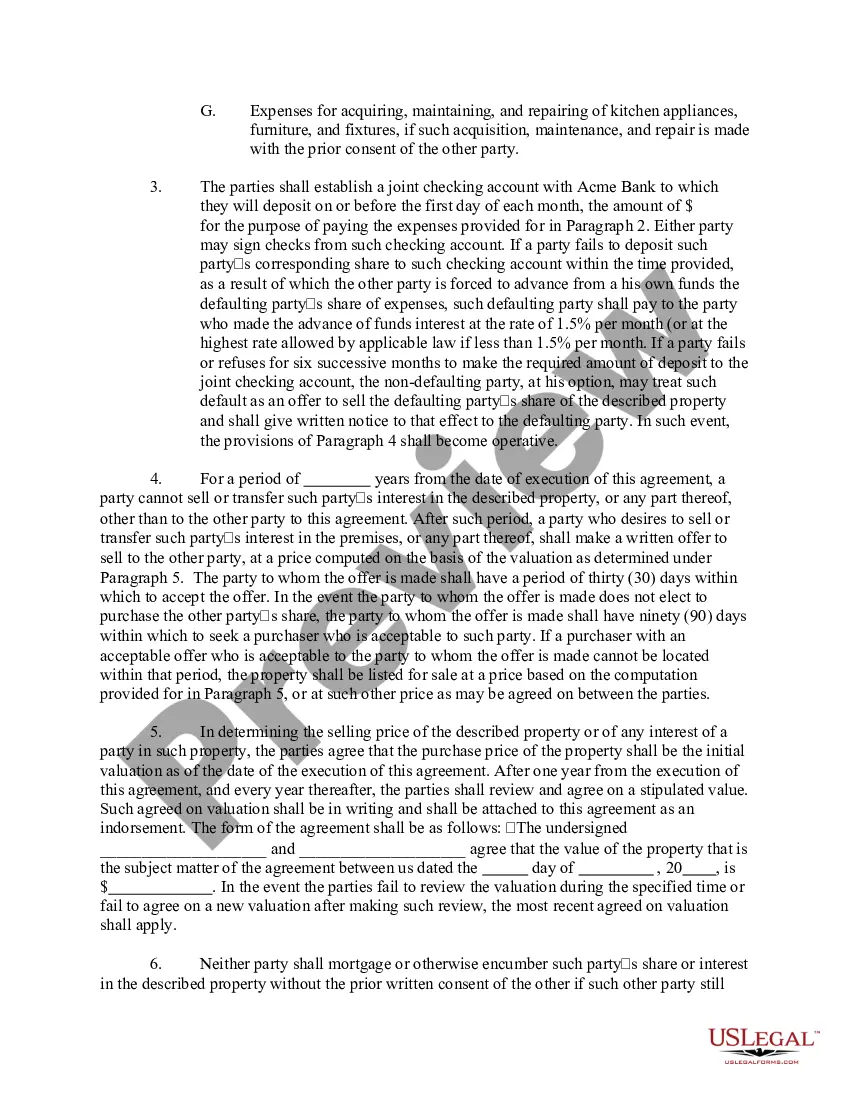
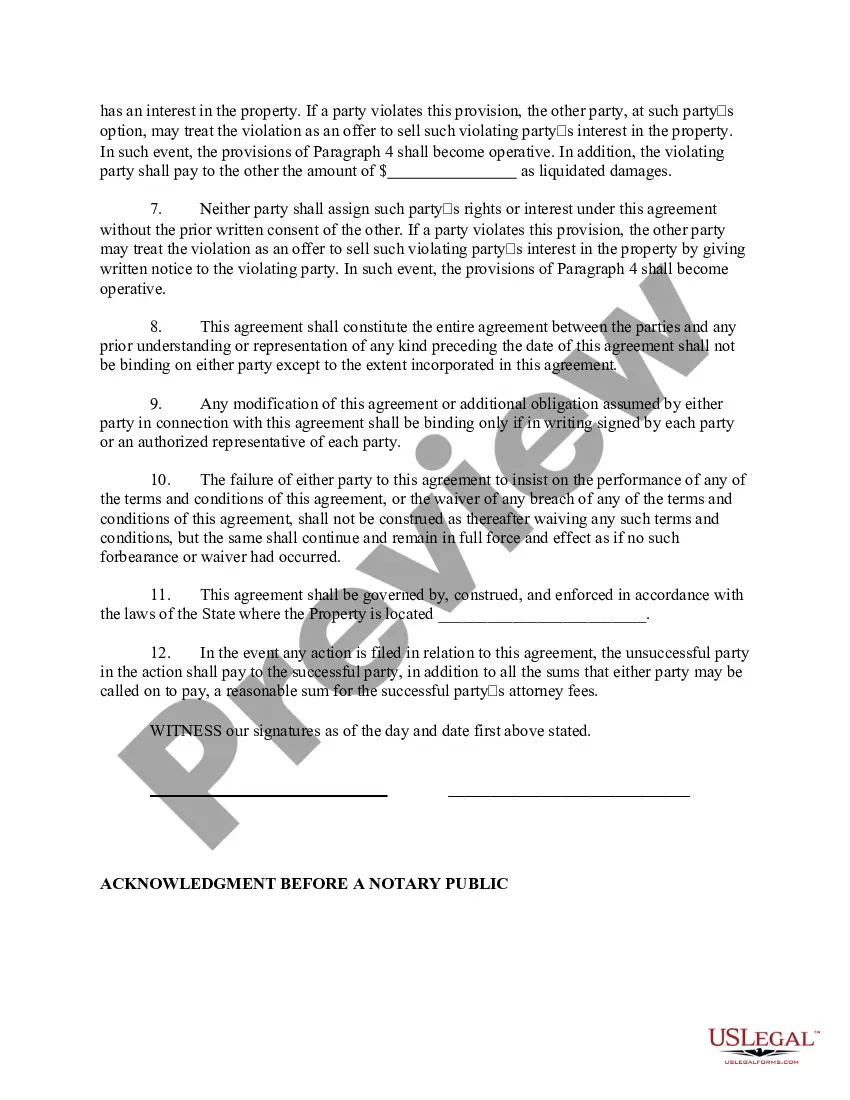
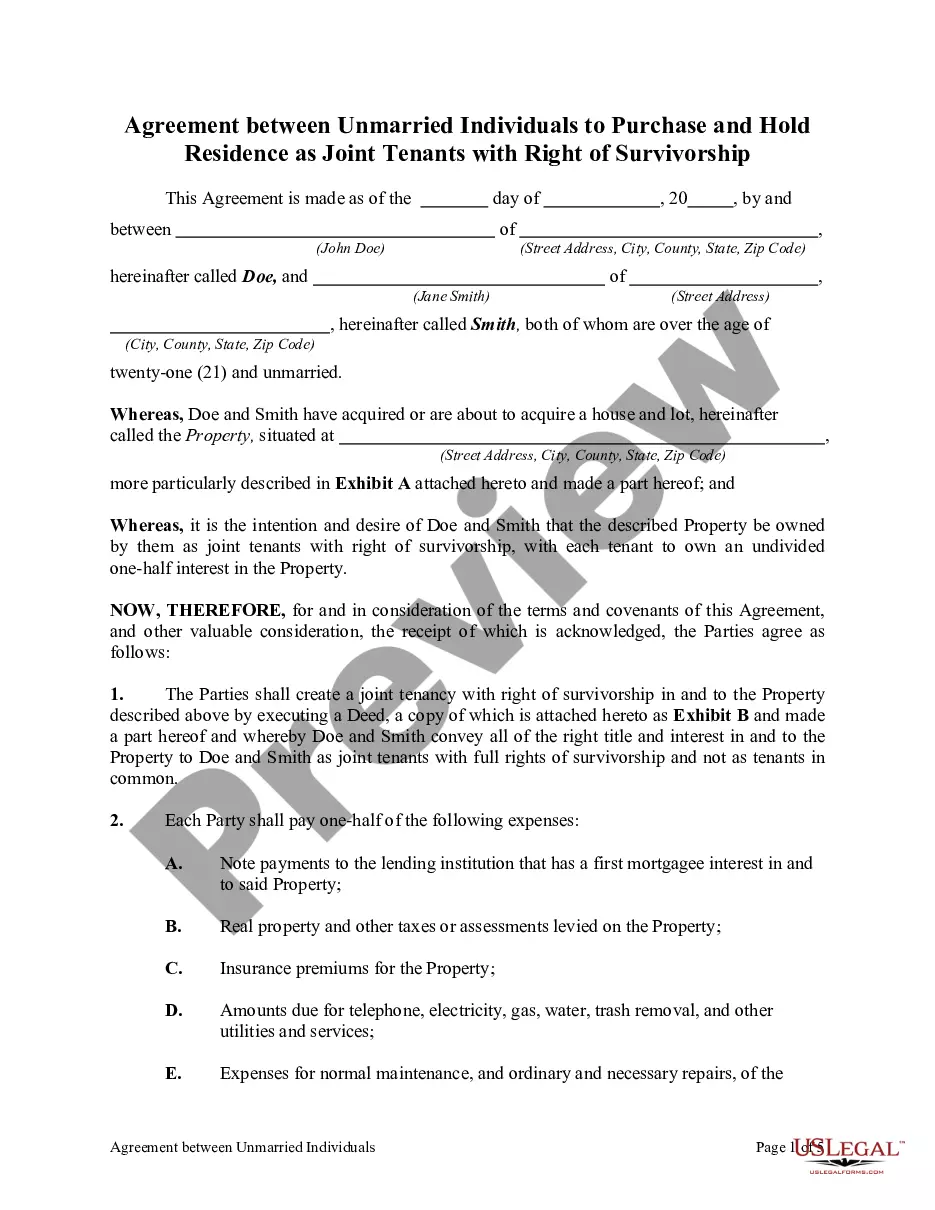
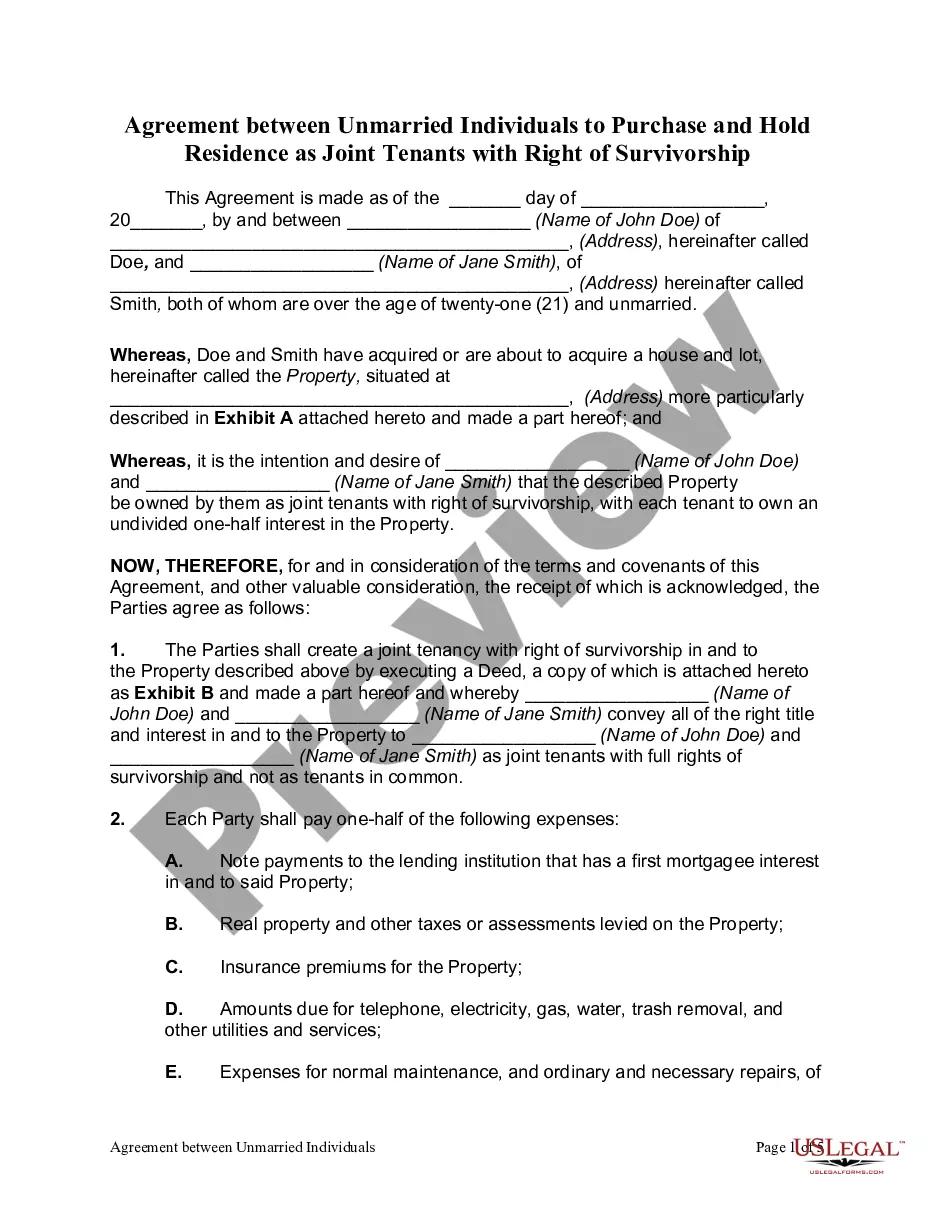
Description

Get your form ready online
Our built-in tools help you complete, sign, share, and store your documents in one place.
Make edits, fill in missing information, and update formatting in US Legal Forms—just like you would in MS Word.
Download a copy, print it, send it by email, or mail it via USPS—whatever works best for your next step.
Sign and collect signatures with our SignNow integration. Send to multiple recipients, set reminders, and more. Go Premium to unlock E-Sign.
If this form requires notarization, complete it online through a secure video call—no need to meet a notary in person or wait for an appointment.
We protect your documents and personal data by following strict security and privacy standards.

Make edits, fill in missing information, and update formatting in US Legal Forms—just like you would in MS Word.

Download a copy, print it, send it by email, or mail it via USPS—whatever works best for your next step.

Sign and collect signatures with our SignNow integration. Send to multiple recipients, set reminders, and more. Go Premium to unlock E-Sign.

If this form requires notarization, complete it online through a secure video call—no need to meet a notary in person or wait for an appointment.

We protect your documents and personal data by following strict security and privacy standards.
Looking for another form?



Form popularity
FAQ
Recommended documents for proof of joint ownership include: A mortgage or bank statement, residential leasing agreement, property tax bill, or joint credit card statement. Documents must include both the employee's name and the spouse's name.
Joint Ownership with Right of Survivorship. If property is jointly owned and the owners have signed a survivorship agreement, the surviving owner will automatically inherit the deceased owner's share. This is commonly done for marital homes.
There would be no problem with Medicaid and a jointly owned home in your state if a Medicaid recipient has an interest in a property equal to their financial contribution.
Joint-owned property is any property that's held in the name of two or more parties. They can be business partners or any other combination of people who have a reason to own property together. The matrimonial status of joint ownership of assets occurs when the two parties are spouses.
Control Issues. Since every owner has a co-equal share of the asset, any decision must be mutual. You might not be able to sell or mortgage a home if your co-owner does not agree. Creditor Issues. If a co-owner has outstanding debts, their creditors could seize an interest in your home or bank account.
Joint Tenancies In Texas These means that upon the death of one owner their share of the property will pass to the surviving co-owners. A joint tenant's interest is therefore not freely devisable in a will. Unlike most states Texas does not automatically recognize joint tenancies as having a right of survivorship.
The primary pitfalls are the need for agreement, the potential for assets to be frozen, and loss of control over the distribution of assets after death. Tenancy in common is an alternative to joint tenancy that avoids some of its drawbacks.
III. Requirements Co-owners Must be Natural Persons: A natural person is a human being; therefore, legal entities, such as corporations or trusts, cannot own a joint account. Co-owners Must Have Equal Withdrawal Rights. All Co-owners Must Personally Sign the Signature Card:
