Joint Tenants Force Sale In Broward
Description

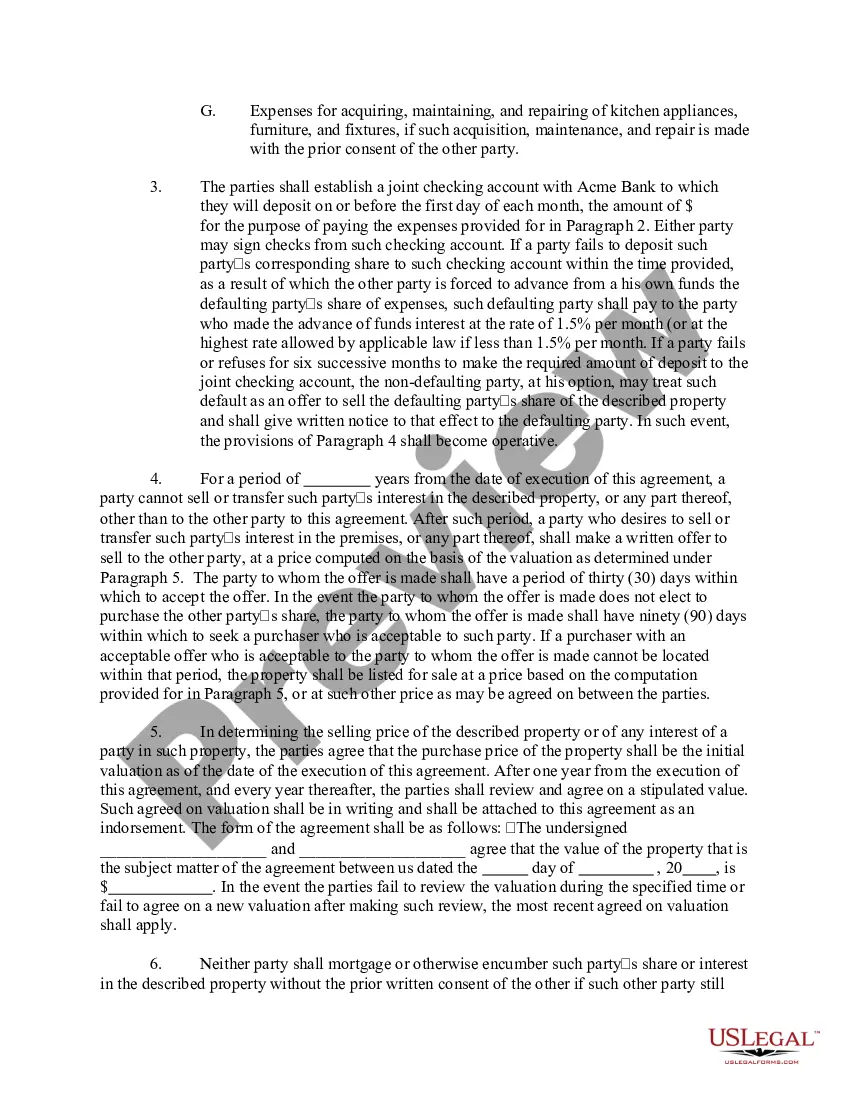
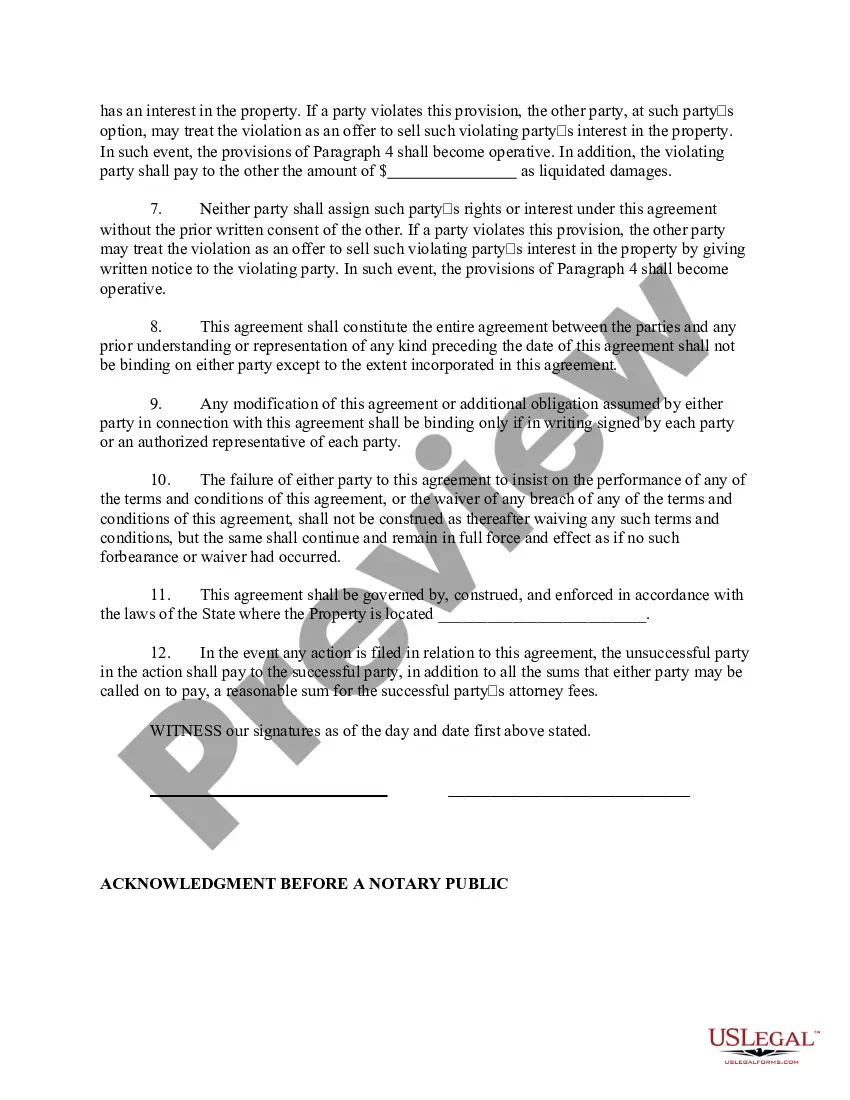
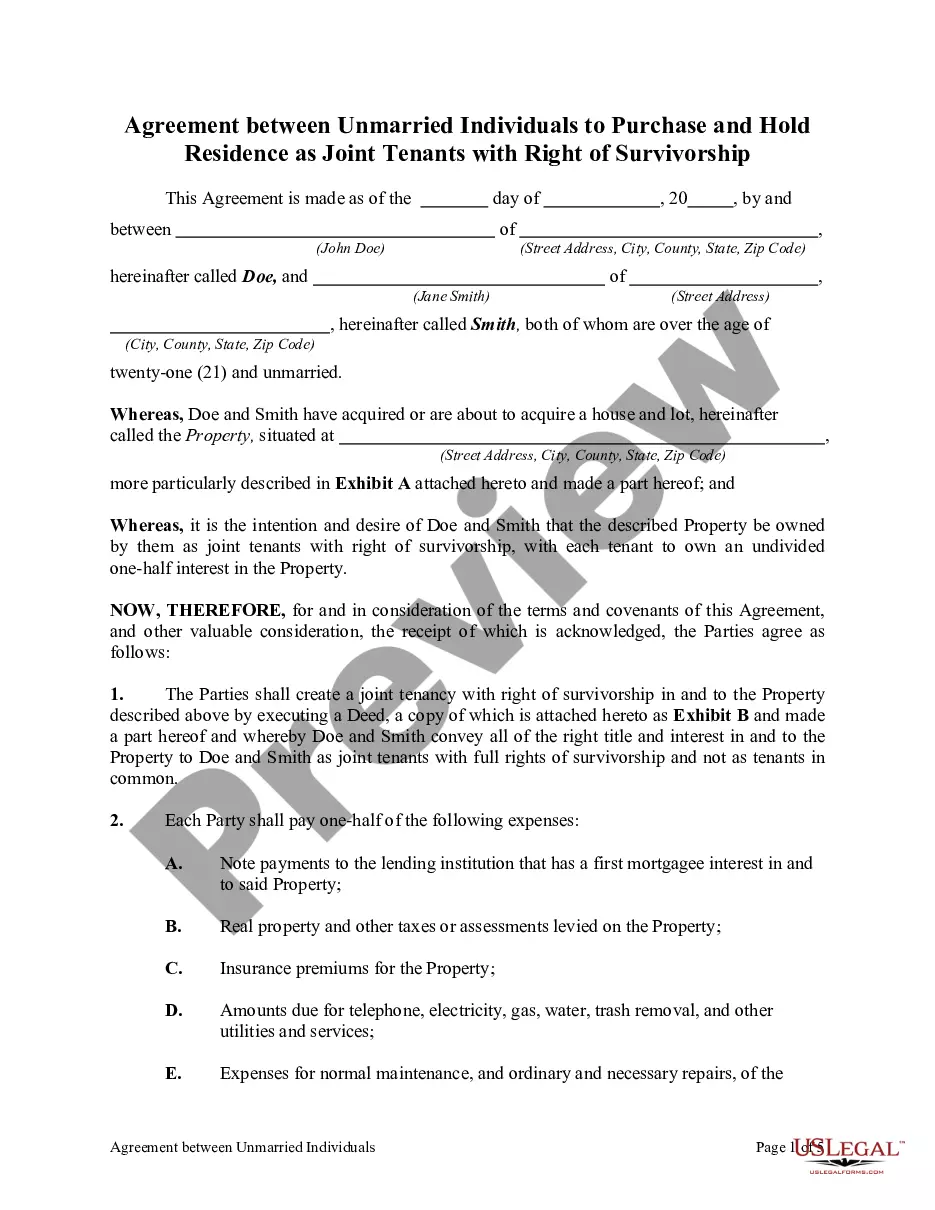
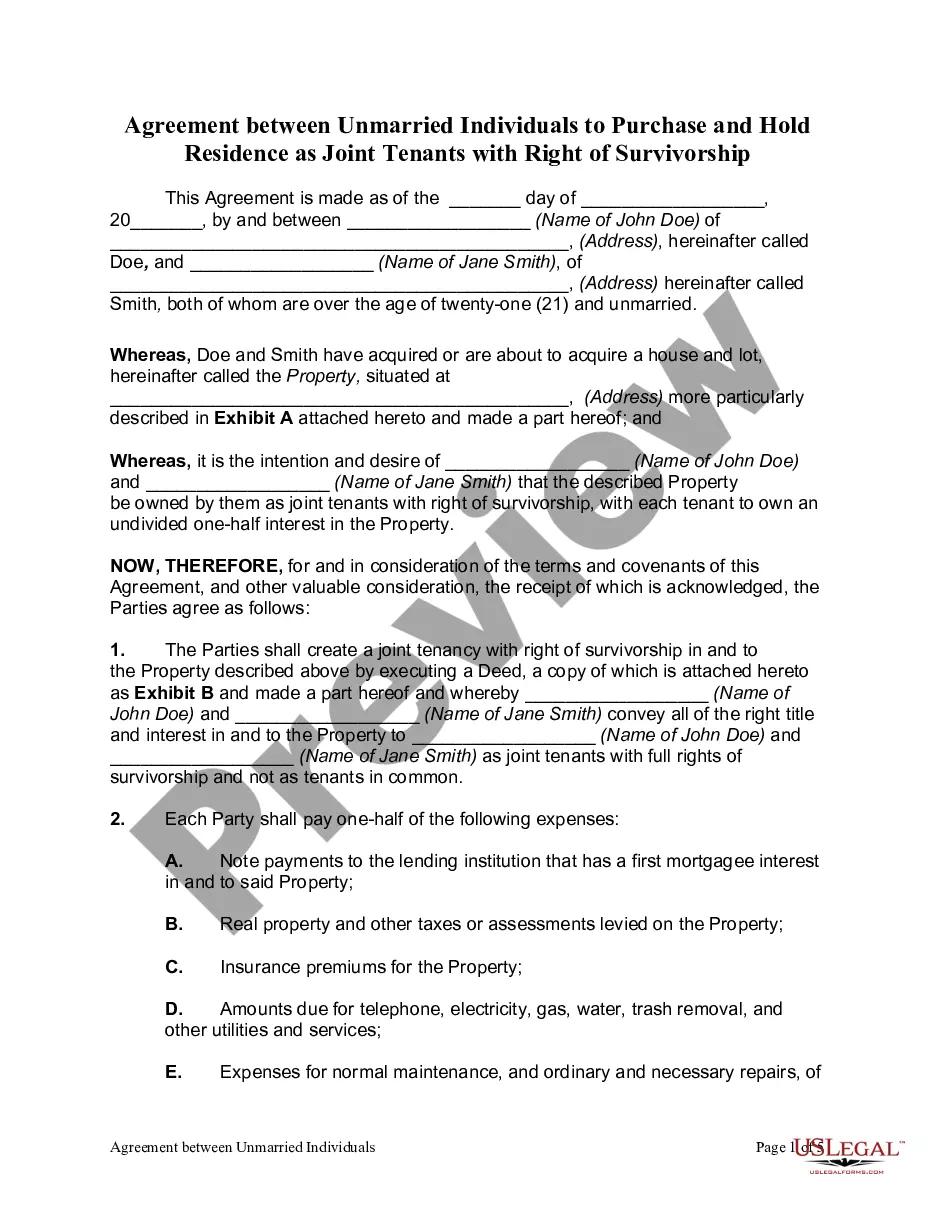
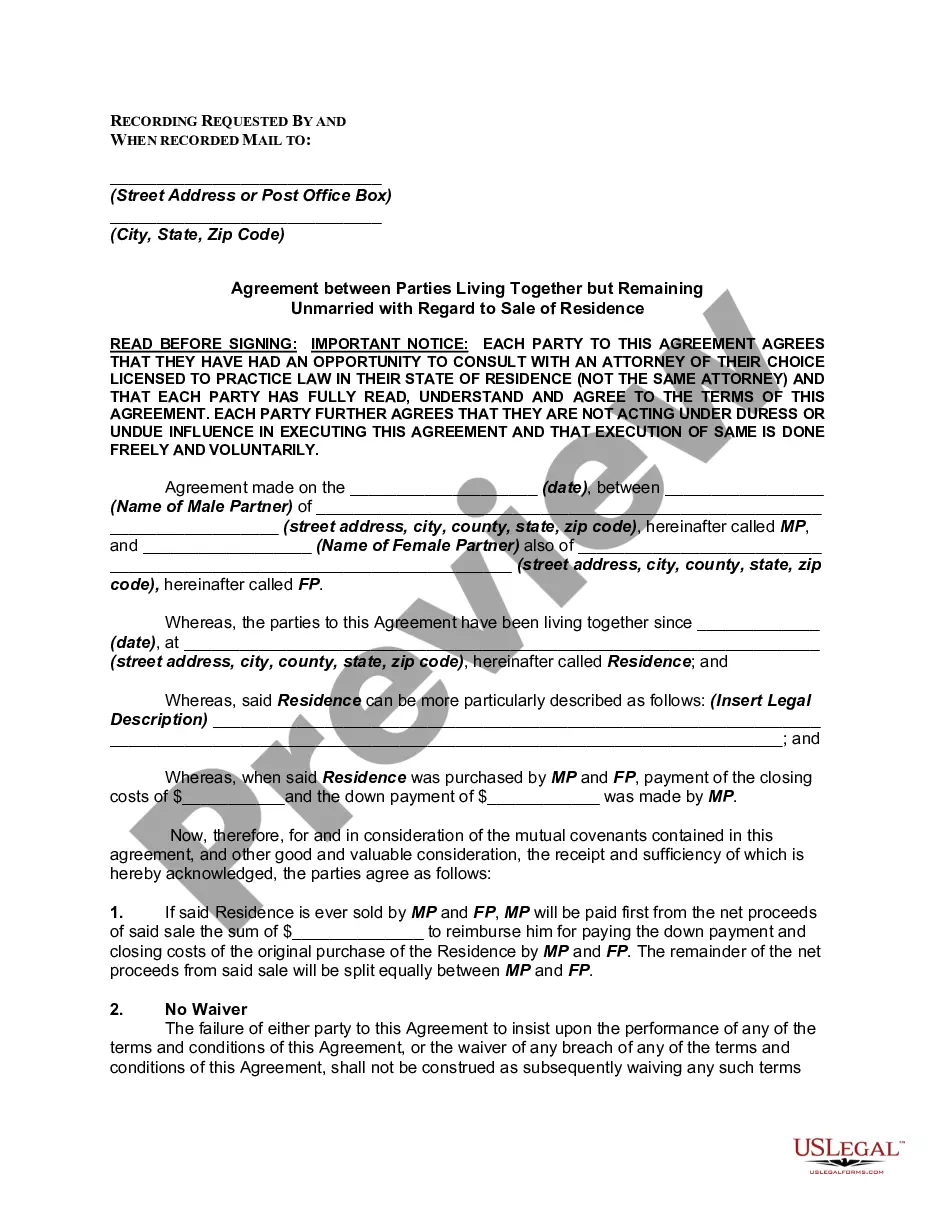
Get your form ready online
Our built-in tools help you complete, sign, share, and store your documents in one place.
Make edits, fill in missing information, and update formatting in US Legal Forms—just like you would in MS Word.
Download a copy, print it, send it by email, or mail it via USPS—whatever works best for your next step.
Sign and collect signatures with our SignNow integration. Send to multiple recipients, set reminders, and more. Go Premium to unlock E-Sign.
If this form requires notarization, complete it online through a secure video call—no need to meet a notary in person or wait for an appointment.
We protect your documents and personal data by following strict security and privacy standards.

Make edits, fill in missing information, and update formatting in US Legal Forms—just like you would in MS Word.

Download a copy, print it, send it by email, or mail it via USPS—whatever works best for your next step.

Sign and collect signatures with our SignNow integration. Send to multiple recipients, set reminders, and more. Go Premium to unlock E-Sign.

If this form requires notarization, complete it online through a secure video call—no need to meet a notary in person or wait for an appointment.

We protect your documents and personal data by following strict security and privacy standards.
Looking for another form?
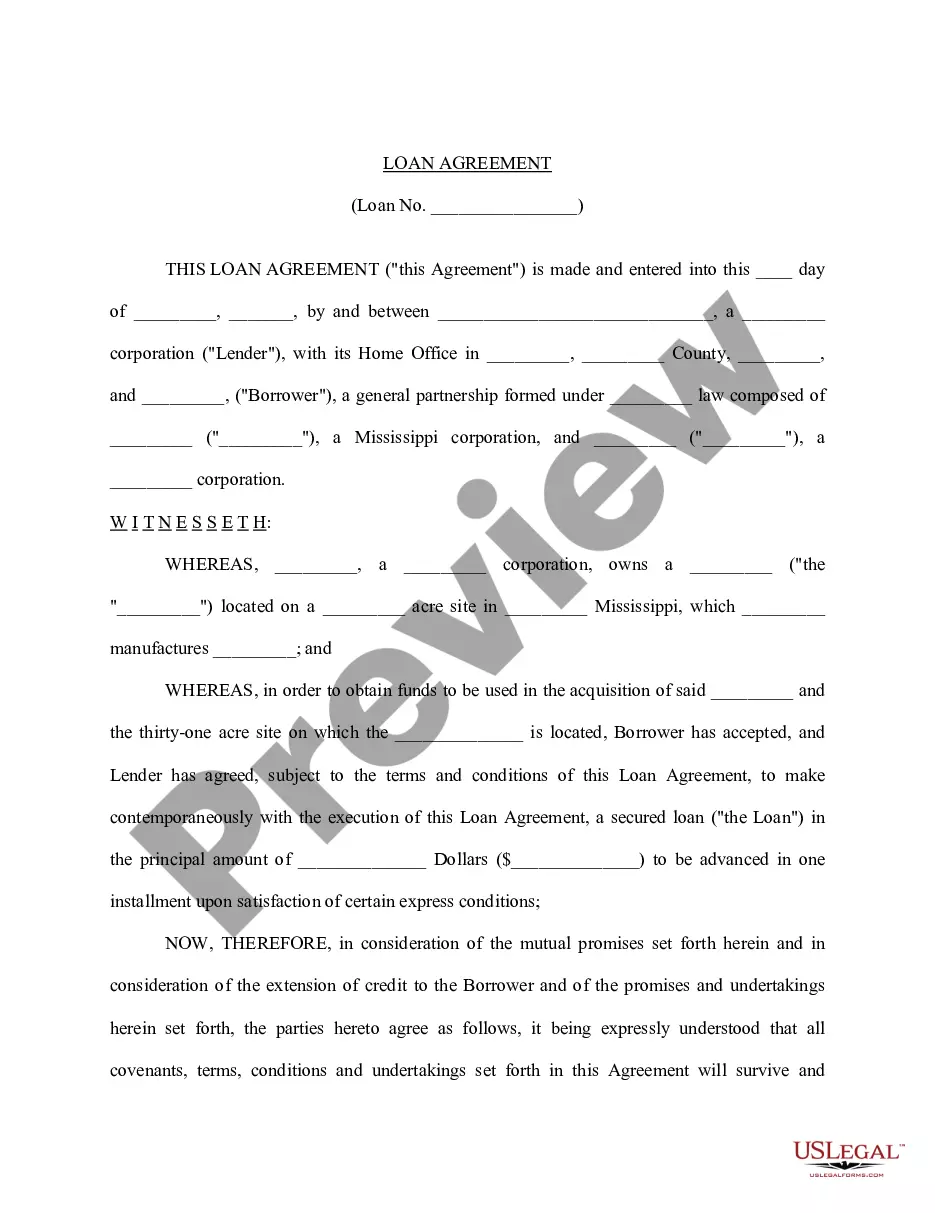



Form popularity
FAQ
In Florida, a partial owner of a property can force the sale of a property by filing a partition lawsuit. The term “partition” refers to a court-supervised process to divide the jointly owned property. It is important to understand that the law may not force anyone to stay as the co-owner of a property.
I'm sorry to hear about your situation. No, you could not do that. ing to the Florida constitution, in order to sell or mortgage your home, you must get your spouse to sign the deed or mortgage. This applies even if you owned the property prior to the marriage and even if your spouse's name was never on the deed.
Can I force a sale of a jointly owned property in California? Yes, you can file a partition action to force a sale of a jointly-owned property if you can't reach an agreement with the other joint property owners.
If the name of one of the spouses is not on a property deed, it does not necessarily mean he or she is not entitled to a part of the property. Under Florida law, there are two types of property – marital property and non-marital property.
Florida law allows individuals to force the sale of a jointly owned property through a partition action. Regardless of their percentage ownership interest, any co-owner has the right to initiate this legal process to seek the sale and division of the property's proceeds.
When negotiating a situation where one spouse can buy out the other spouse is impossible, a court order to sell the house might be necessary. The court-ordered sale process begins with one party filing a partition action. Once the court issues the sale order, the property is: Appraised.
If your spouse refuses to sell or buy you out then do not panic. You can petition the court for an order compelling the sale of the property. Once ordered, the home will be sold regardless what he says. Your next step is to retain a local family lawyer to commence the legal process.
If your partner is not willing to sell the business, you may have to take legal action. You could sue her for breach of contract or for damages. However, this is a complex process and it's important to speak to an attorney before taking any legal action.
