Employment Work Form Withholding In Allegheny
Description

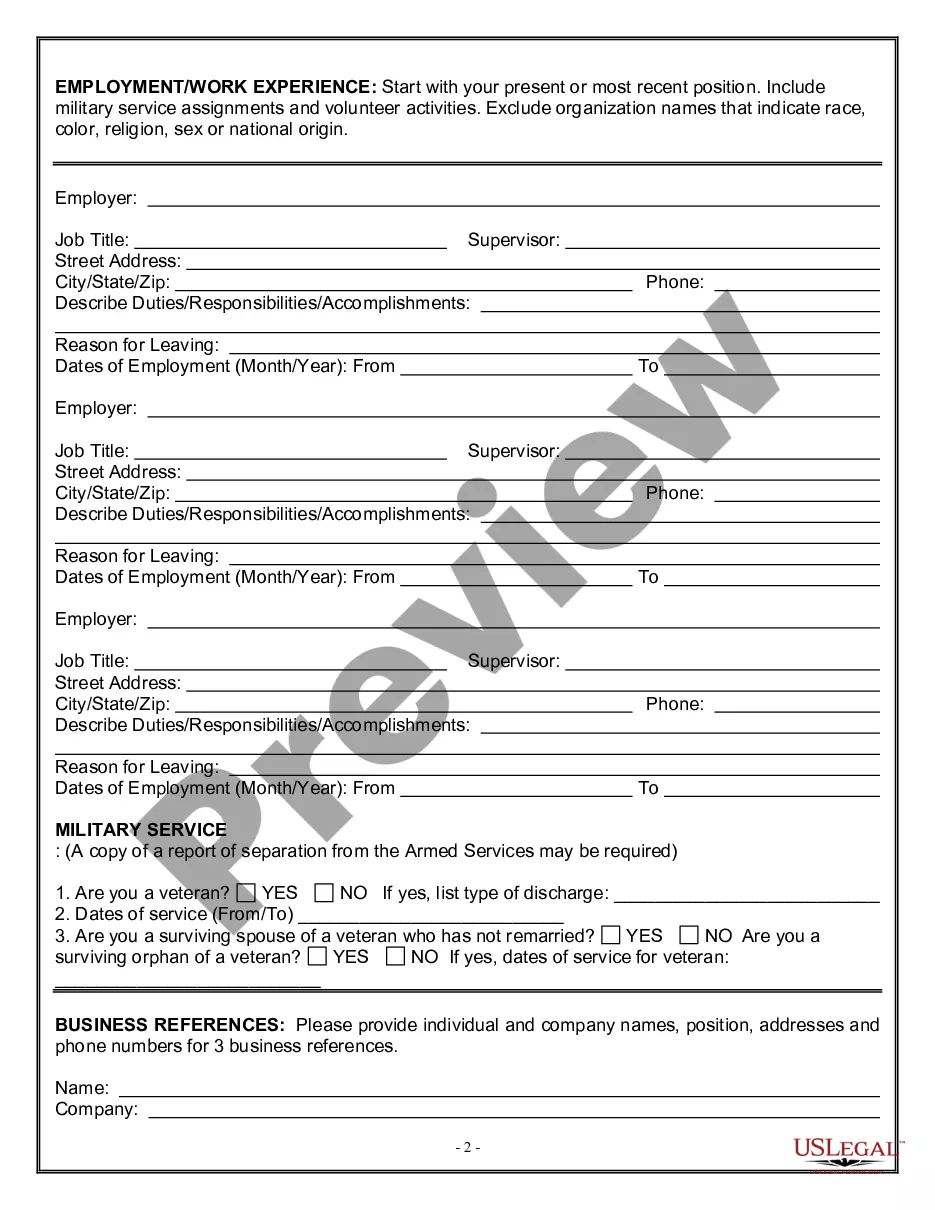
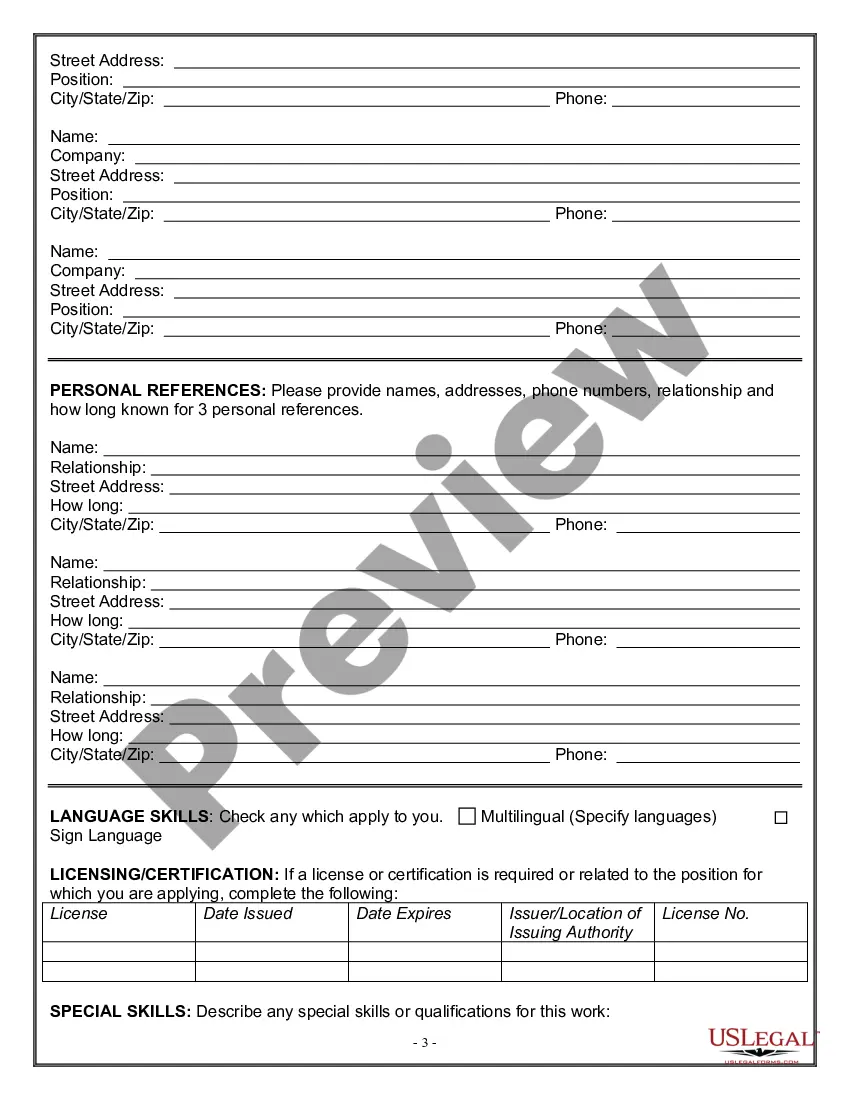
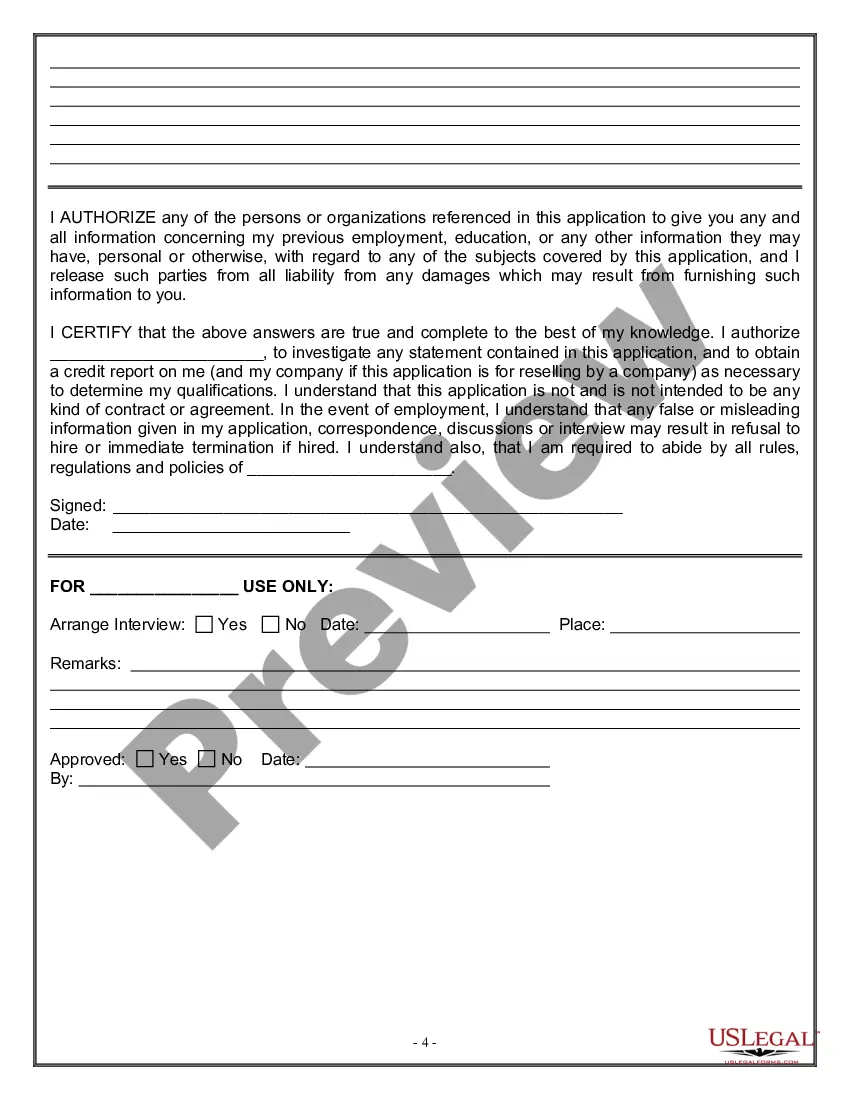
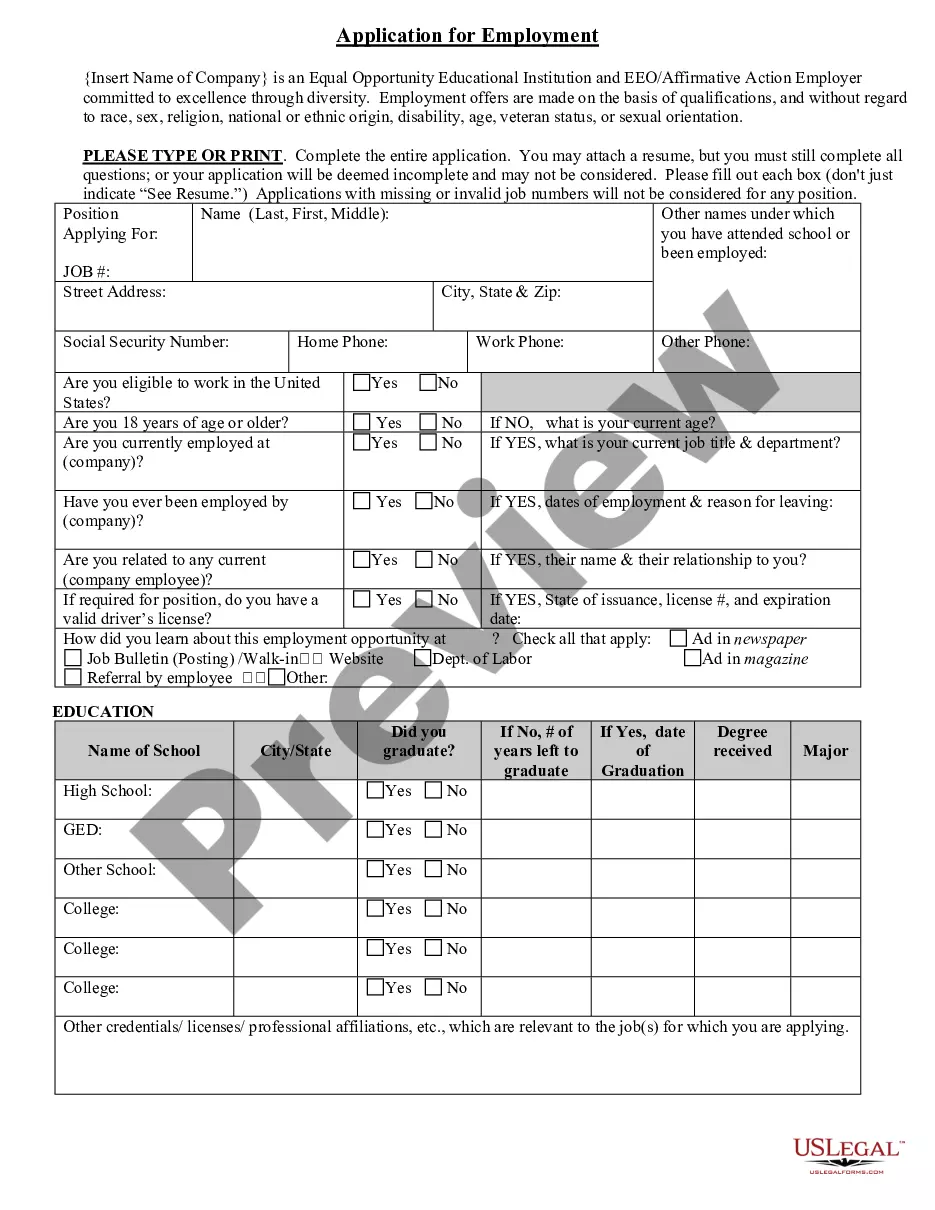
Get your form ready online
Our built-in tools help you complete, sign, share, and store your documents in one place.
Make edits, fill in missing information, and update formatting in US Legal Forms—just like you would in MS Word.
Download a copy, print it, send it by email, or mail it via USPS—whatever works best for your next step.
Sign and collect signatures with our SignNow integration. Send to multiple recipients, set reminders, and more. Go Premium to unlock E-Sign.
If this form requires notarization, complete it online through a secure video call—no need to meet a notary in person or wait for an appointment.
We protect your documents and personal data by following strict security and privacy standards.

Make edits, fill in missing information, and update formatting in US Legal Forms—just like you would in MS Word.

Download a copy, print it, send it by email, or mail it via USPS—whatever works best for your next step.

Sign and collect signatures with our SignNow integration. Send to multiple recipients, set reminders, and more. Go Premium to unlock E-Sign.

If this form requires notarization, complete it online through a secure video call—no need to meet a notary in person or wait for an appointment.

We protect your documents and personal data by following strict security and privacy standards.
Looking for another form?

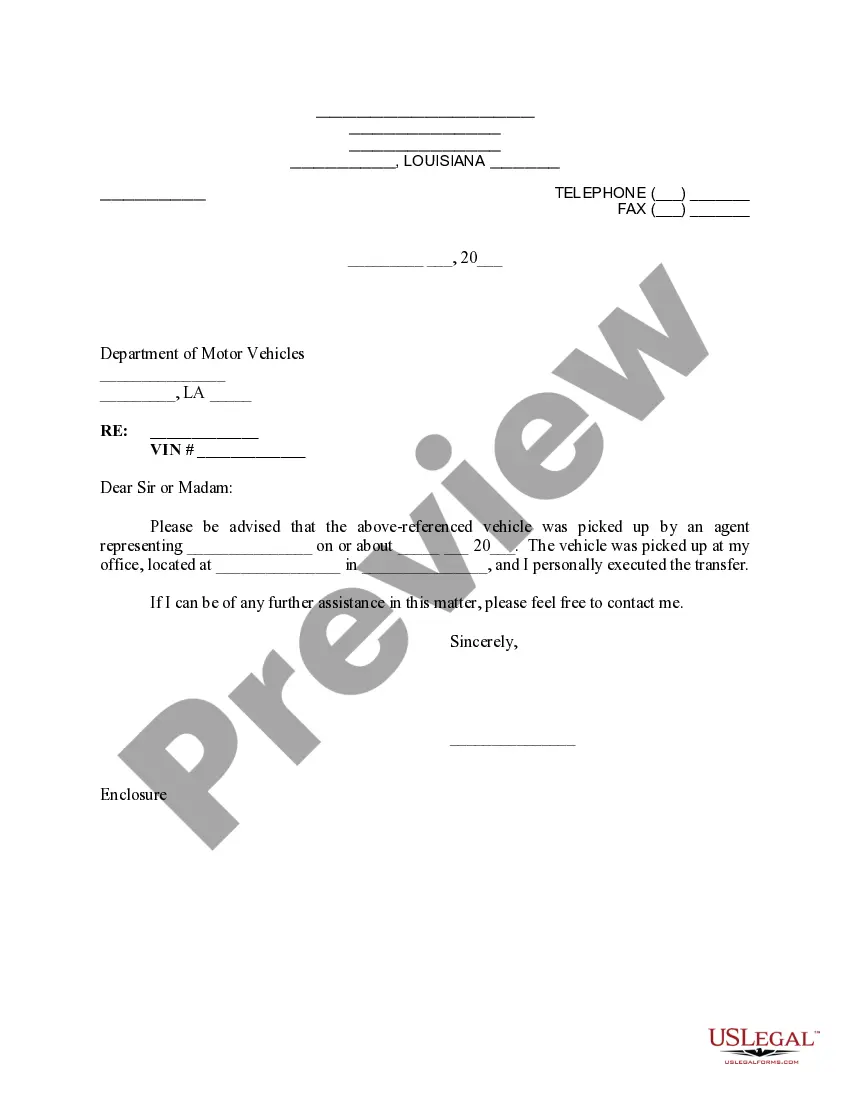





Form popularity
FAQ
Employers with worksites located in Pennsylvania, including residences of home-based employees, are required to withhold and remit the local EIT and LST for employees.
Pennsylvania employs a flat income tax system with a single rate of 3.07%, which impacts your net income regardless of your earnings level. While simpler than many other states, Pennsylvania's tax code includes various deductions and exemptions that affect your paycheck.
Pennsylvania law requires employers to withhold Pennsylvania personal income tax from employees' compensation in two common cases: When resident employees perform services within or outside Pennsylvania; and. When nonresident employees perform services within Pennsylvania.
Pennsylvania law requires withholding at a rate of 3.07 percent on non-wage Pennsylvania source income payments made to nonresidents. Withholding of payments that are less than $5,000 during the calendar year are optional and at the discretion of the payor.
Employee contributions (UC withholding) is 0.07 percent (70 cents per $1,000 gross wages). This applies to all employees, including employees of reimbursable employers, and is not subject to appeal. There is no cap on the gross wages upon which employee withholding is calculated.
To file online, employers can file year-end employee W-2 Wage and Tax Statements and the Annual Withholding Reconciliation Statement (REV-1667) online through the myPATH business tax filing website. To file by mail, download Form REV-1667 and include the completed form with your W-2s.
Pennsylvania law requires withholding at a rate of 3.07 percent on non-wage Pennsylvania source income payments made to nonresidents. Withholding of payments that are less than $5,000 during the calendar year are optional and at the discretion of the payor.
Locate your Withholding Tax Account Number—Licensing Number: Reviewing the coupons or Employer Quarterly Reconciliation documents received from the PA Department of Revenue, or. Calling the agency at (717) 787-1064.
Below is a chart of states and what they accept. If the state has their own withholding form, then the federal W-4 is not allowed for state calculation of withholdings. You'll notice that Pennsylvania does not have a state W-4-this is because the rate is a set percentage.
Pennsylvania law requires withholding at a rate of 3.07 percent on non-wage Pennsylvania source income payments made to nonresidents. Withholding of payments that are less than $5,000 during the calendar year are optional and at the discretion of the payor.
