Texas Partition Agreement With Other States In Santa Clara
Description


Get your form ready online
Our built-in tools help you complete, sign, share, and store your documents in one place.
Make edits, fill in missing information, and update formatting in US Legal Forms—just like you would in MS Word.
Download a copy, print it, send it by email, or mail it via USPS—whatever works best for your next step.
Sign and collect signatures with our SignNow integration. Send to multiple recipients, set reminders, and more. Go Premium to unlock E-Sign.
If this form requires notarization, complete it online through a secure video call—no need to meet a notary in person or wait for an appointment.
We protect your documents and personal data by following strict security and privacy standards.

Make edits, fill in missing information, and update formatting in US Legal Forms—just like you would in MS Word.

Download a copy, print it, send it by email, or mail it via USPS—whatever works best for your next step.

Sign and collect signatures with our SignNow integration. Send to multiple recipients, set reminders, and more. Go Premium to unlock E-Sign.

If this form requires notarization, complete it online through a secure video call—no need to meet a notary in person or wait for an appointment.

We protect your documents and personal data by following strict security and privacy standards.
Looking for another form?





Form popularity
FAQ
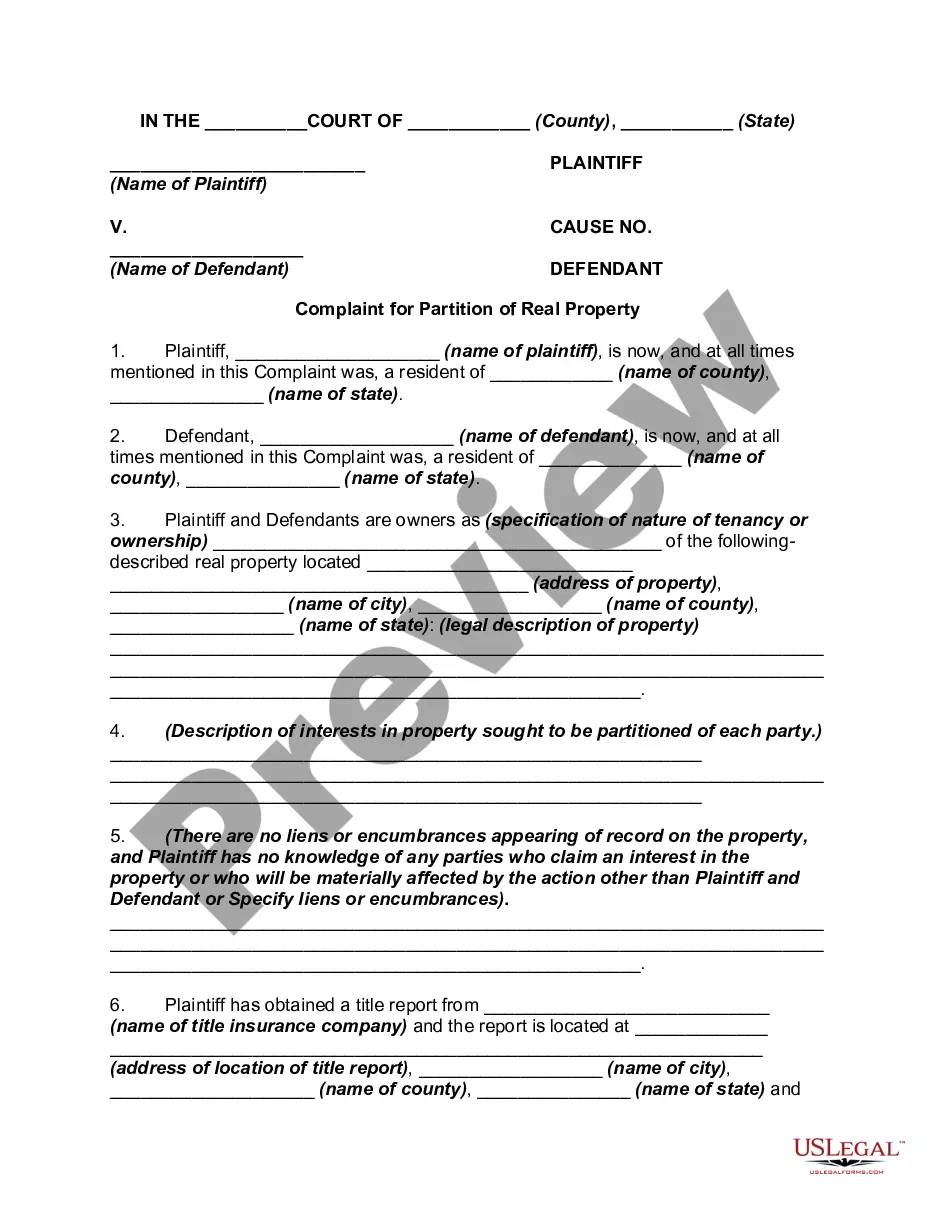
The process of partition action starts with one or more owners filing a petition in court. The court then examines the real estate details and the owners' interests to decide on the best division method.
A partition action can compel the sale of jointly owned property when co-owners disagree. The process may take up to two years, depending on case complexity and cooperation. Exploring alternatives like mediation before filing a partition action is often advisable.
A partition action is filed in the Court by submitting a “complaint” that complies with all of the requirements of the Code of Civil Procedure. In California, almost all of the partition actions are filed by attorneys on behalf of parties because there are a number of technical legal requirements for filing a lawsuit.
The process of partition action starts with one or more owners filing a petition in court. The court then examines the real estate details and the owners' interests to decide on the best division method.
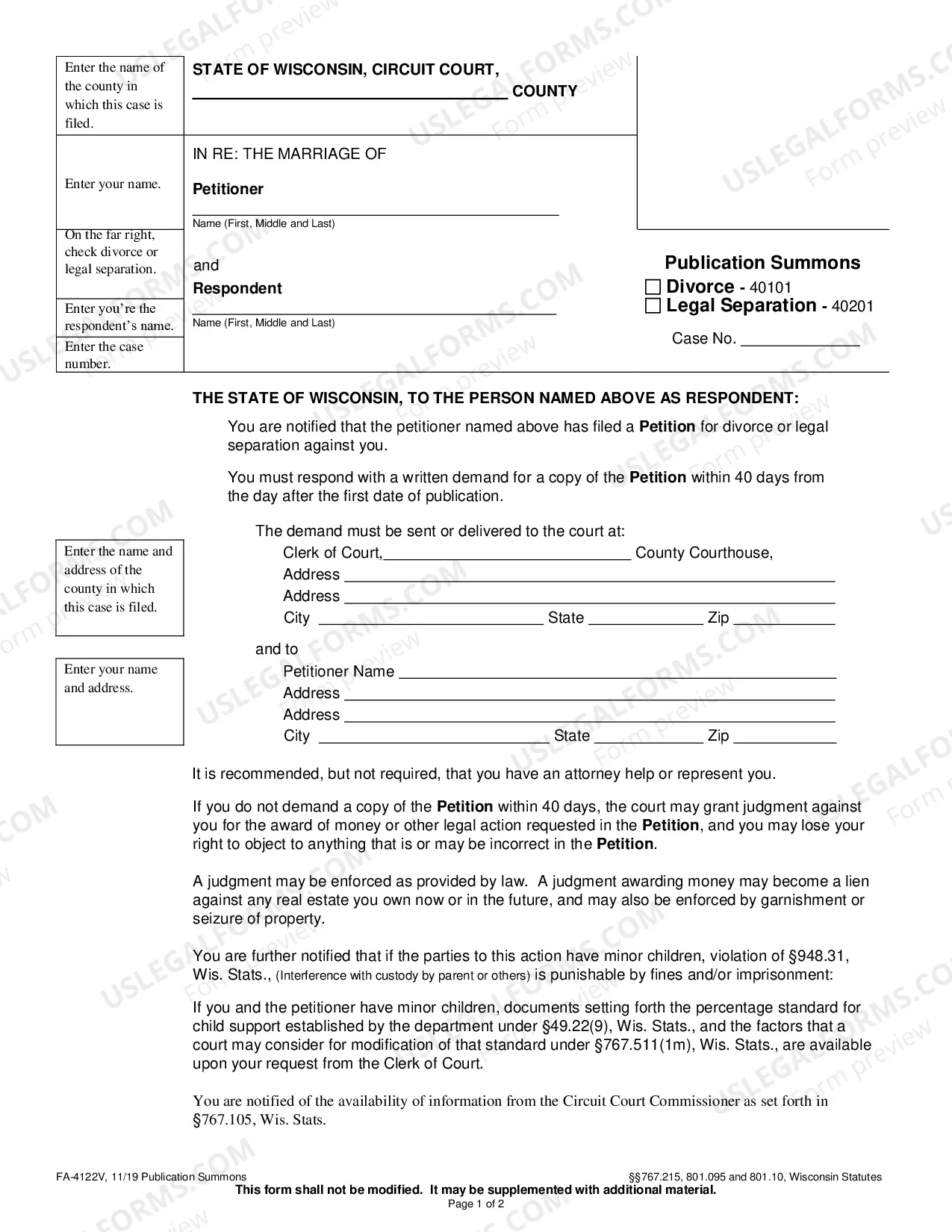
Waiting Period. (a) Except as provided by Subsection (c), the court may not grant a divorce before the 60th day after the date the suit was filed.
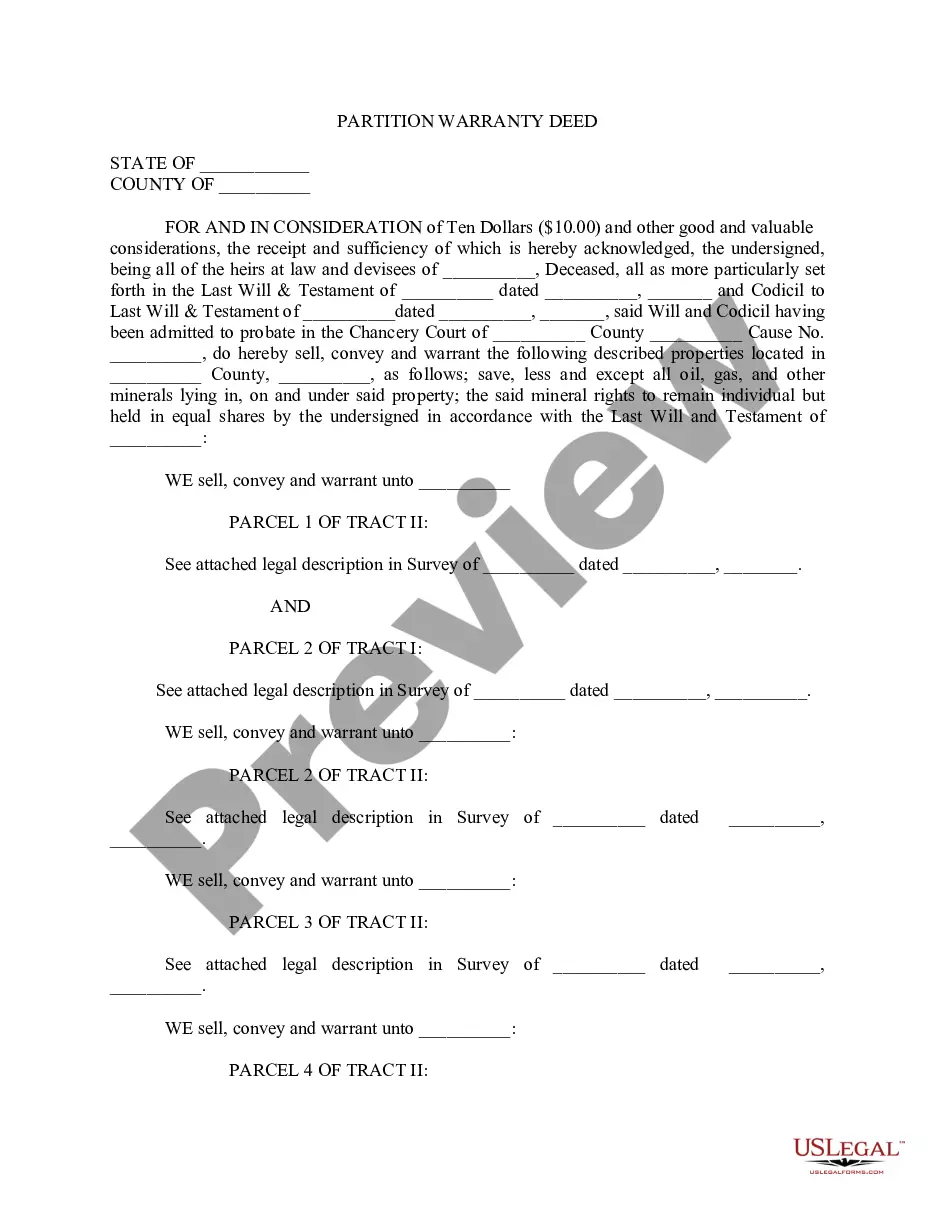
A partition agreement divides, or partitions, a married couple's community estate into two separate estates. It is sometimes called a post-nuptial or post-marital agreement and is similar to a prenuptial agreement, except that it is executed by a married couple.
3.002. COMMUNITY PROPERTY. Community property consists of the property, other than separate property, acquired by either spouse during marriage. Added by Acts 1997, 75th Leg., ch.
Code § 4.102. Current with legislation from the 2023 Regular and Special Sessions signed by the Governor as of November 21, 2023. At any time, the spouses may partition or exchange between themselves all or part of their community property, then existing or to be acquired, as the spouses may desire.
Section 4.105 - Enforcement (a) A partition or exchange agreement is not enforceable if the party against whom enforcement is requested proves that: (1) the party did not sign the agreement voluntarily; or (2) the agreement was unconscionable when it was signed and, before execution of the agreement, that party: (A) ...
“LOSS OF PROPERTY OWNERSHIP. IF YOU SIGN THIS AGREEMENT AND YOUR MARRIAGE IS SUBSEQUENTLY TERMINATED BY THE DEATH OF EITHER SPOUSE OR BY DIVORCE, ALL OR PART OF THE SEPARATE PROPERTY BEING CONVERTED TO COMMUNITY PROPERTY MAY BECOME THE SOLE PROPERTY OF YOUR SPOUSE OR YOUR SPOUSE'S HEIRS.
