Notary Application For South Carolina In Harris
Description

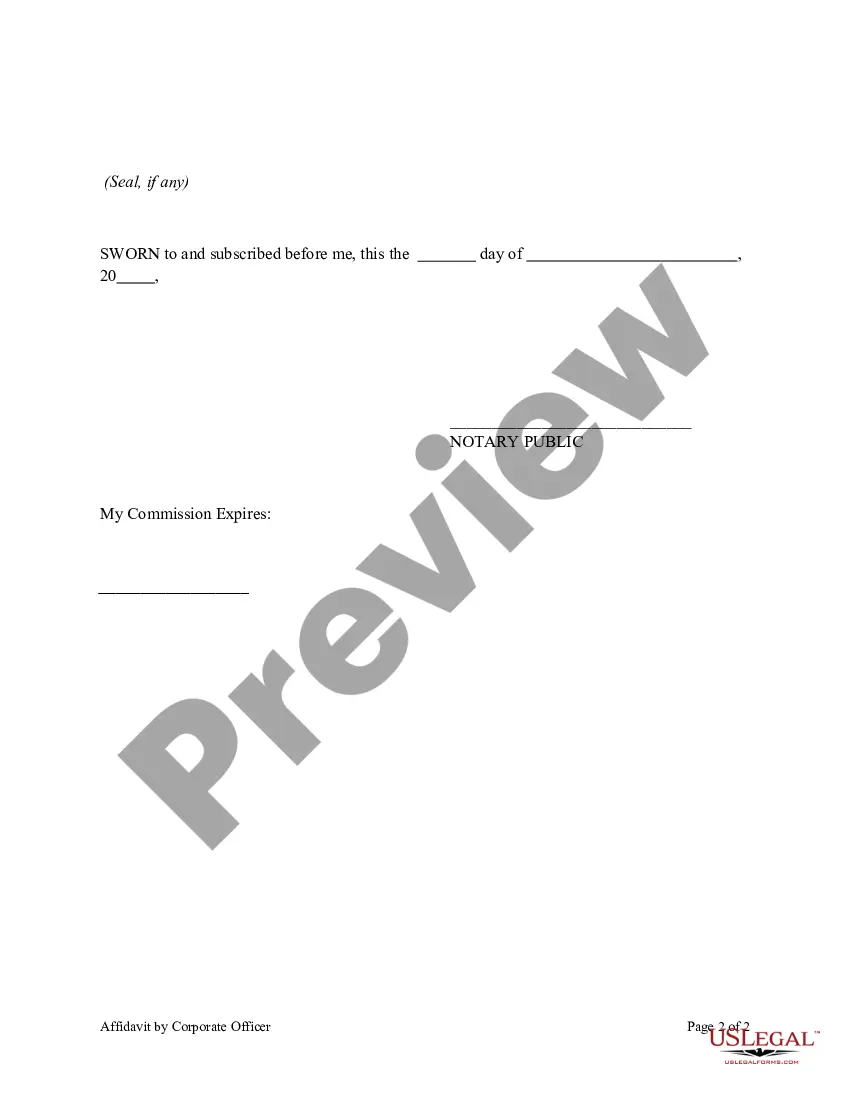
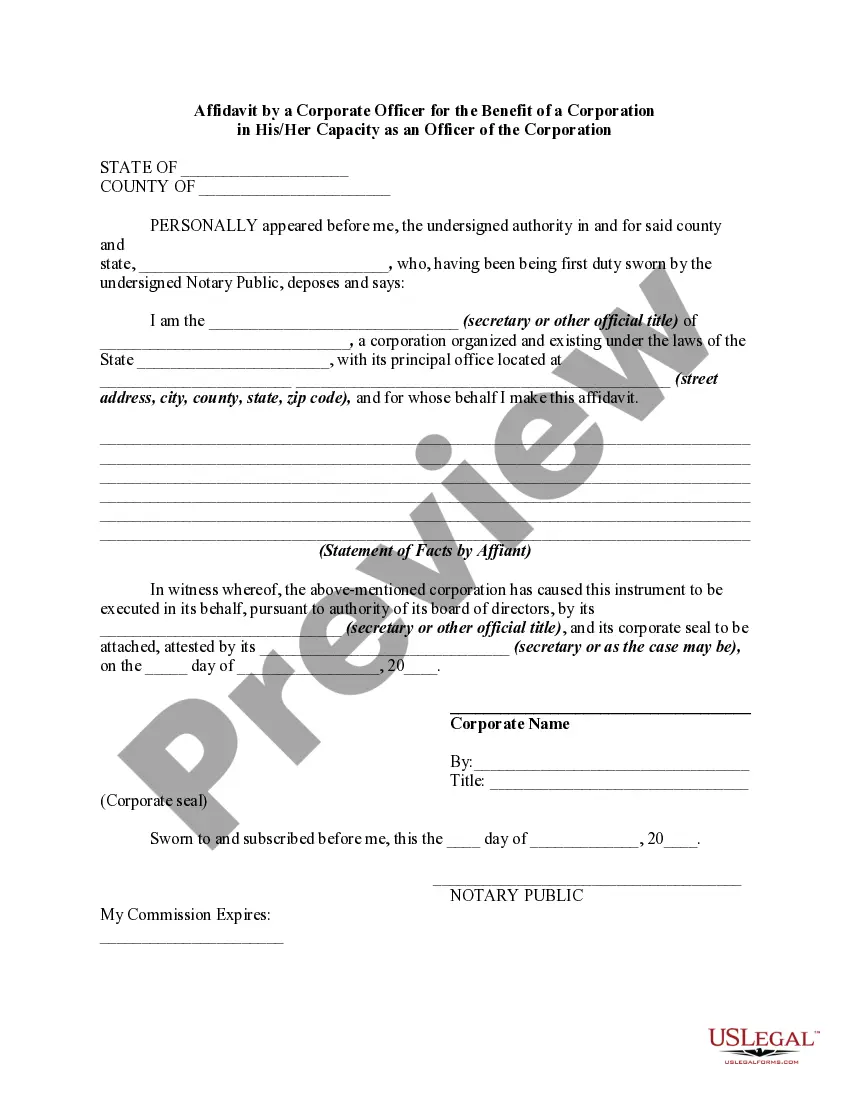
Get your form ready online
Our built-in tools help you complete, sign, share, and store your documents in one place.
Make edits, fill in missing information, and update formatting in US Legal Forms—just like you would in MS Word.
Download a copy, print it, send it by email, or mail it via USPS—whatever works best for your next step.
Sign and collect signatures with our SignNow integration. Send to multiple recipients, set reminders, and more. Go Premium to unlock E-Sign.
If this form requires notarization, complete it online through a secure video call—no need to meet a notary in person or wait for an appointment.
We protect your documents and personal data by following strict security and privacy standards.

Make edits, fill in missing information, and update formatting in US Legal Forms—just like you would in MS Word.

Download a copy, print it, send it by email, or mail it via USPS—whatever works best for your next step.

Sign and collect signatures with our SignNow integration. Send to multiple recipients, set reminders, and more. Go Premium to unlock E-Sign.

If this form requires notarization, complete it online through a secure video call—no need to meet a notary in person or wait for an appointment.

We protect your documents and personal data by following strict security and privacy standards.
Looking for another form?
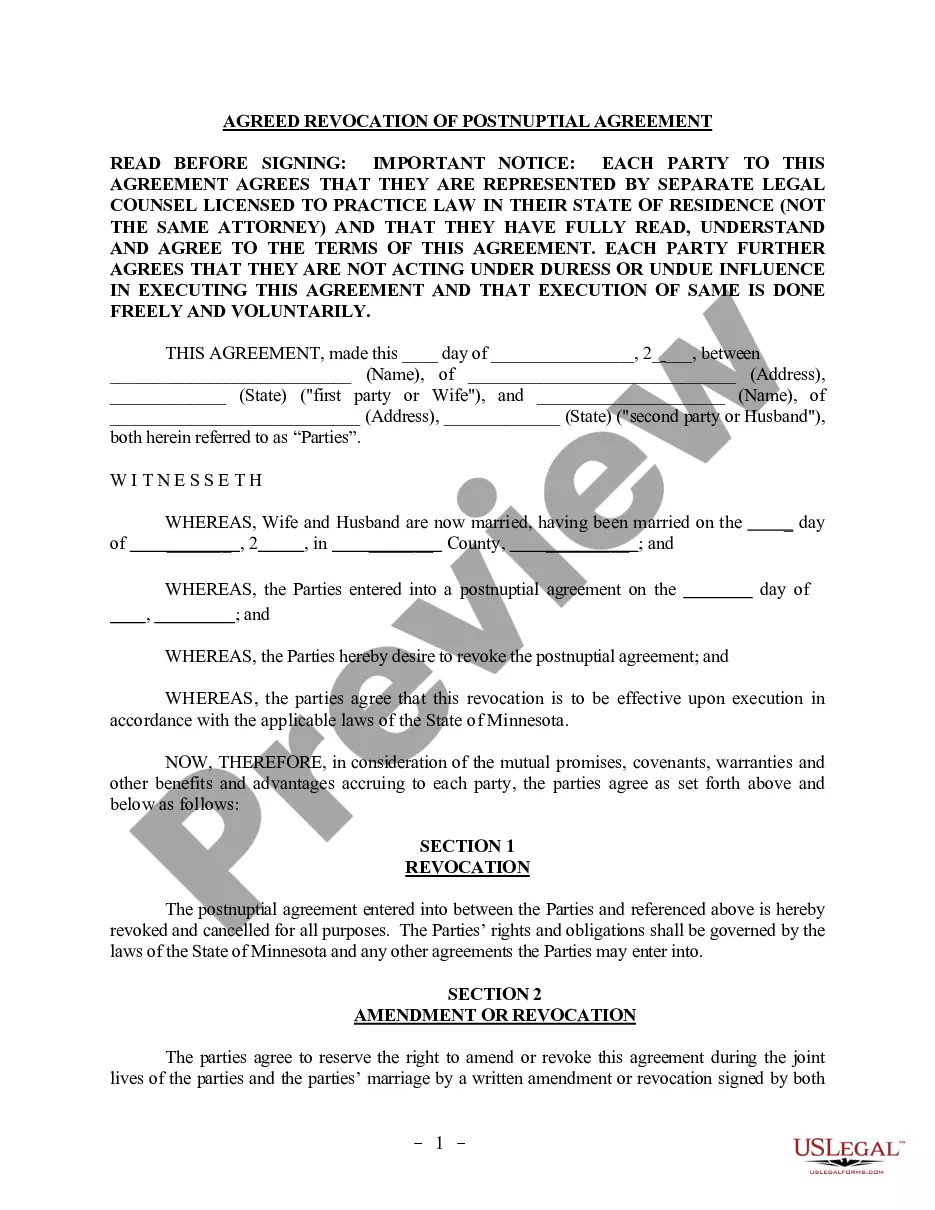
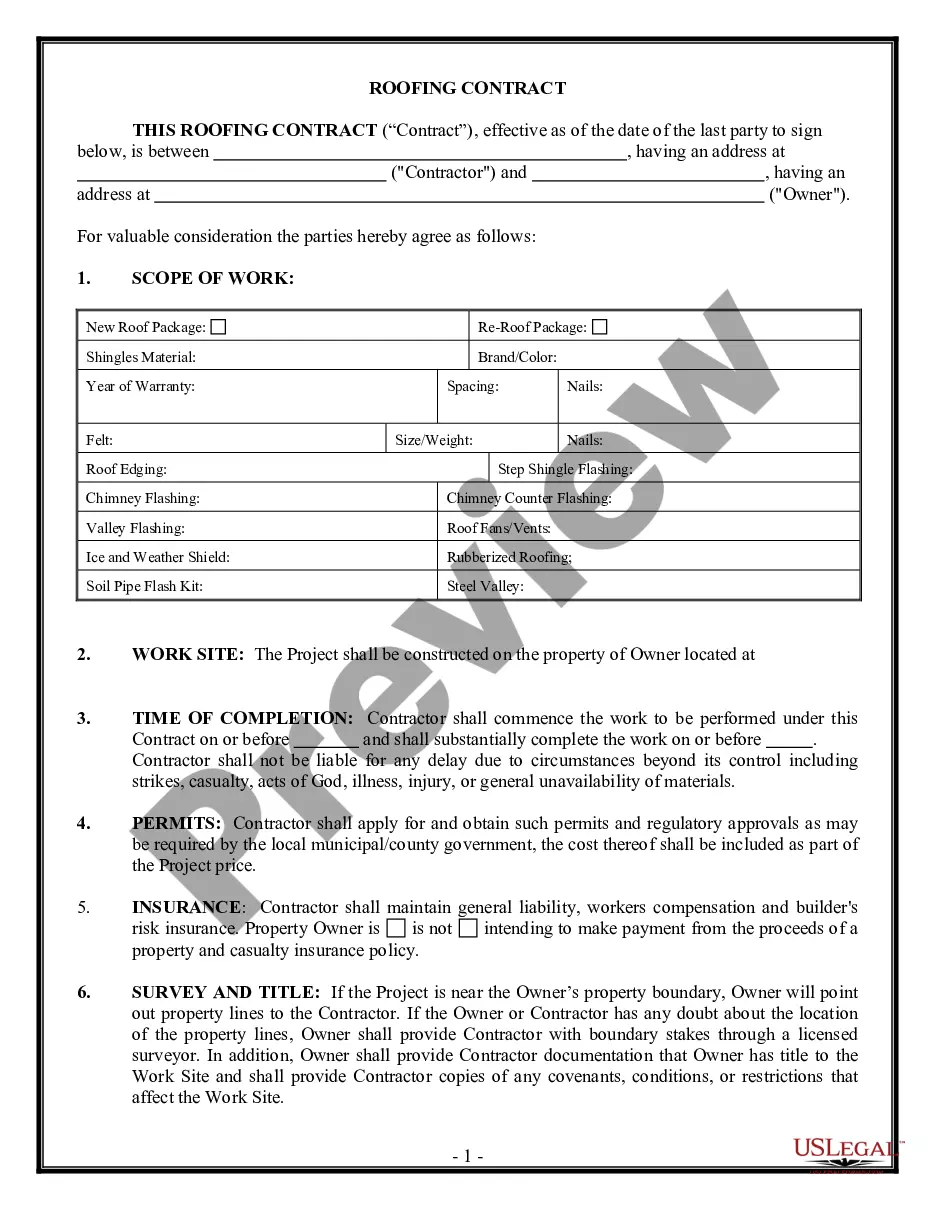

Form popularity
FAQ
Be registered to vote; 2. Be able to read and write in English; and 3. Submit an application with no significant misstatement or omission of fact. Before a person can perform notarial acts as a notary public, he or she must receive a commission as evidence of authority to perform those acts.
Before a person can perform notarial acts as a notary public, he or she must receive a commission as evidence of authority to perform those acts. Notaries are appointed by the Governor and commissioned by the Secretary of State (§26-1-10).
A notary public who has a direct or indirect financial (or other beneficial) interest in a document may not notarize such a document. The better practice is not to notarize for a spouse or family member in order to preserve the integrity of the notarization and to prevent a challenge to the notarization.
The Secretary of State's Office can verify the signature of any elected or appointed official whose signature is filed with the Office. Certified copies of documents obtained from the county must bear the original signature of the elected official of that office or authorized deputies and staff.
The Electronic Notary Portal is now available. On , Governor Henry McMaster signed the South Carolina Electronic Notary Public Act into law. The Act allows a notary public to register as an electronic notary and sets forth the requirements for electronic notaries public and electronic notarial acts.
Acknowledgement and jurat certificates are the two most common notarial acts, yet, for many signers, there is confusion about the difference between these forms. Some notaries even find it difficult to remember which procedures apply to which certificate.
One of the most common mistakes that notaries make is not printing or signing their name exactly as it appears on their notary commission.
Here are the top twelve most common errors made by notaries: Making an Illegible Notary Stamp Impression. Improper Storage of Your Notary Stamp and Journal. Not Determining the Signer's Competency and Willingness to Sign. Notarizing for Close Relatives. Failing to Remain Properly Trained.
There are no exemptions to the “personal appearance” golden rule. The signer must be physically in the presence of the notary, face-to-face, in the same room at the time of the execution of the notarization. This very important rule also applies to the execution of an electronic notarization.
