Shortest Lease Term For Apartment In Harris
Description

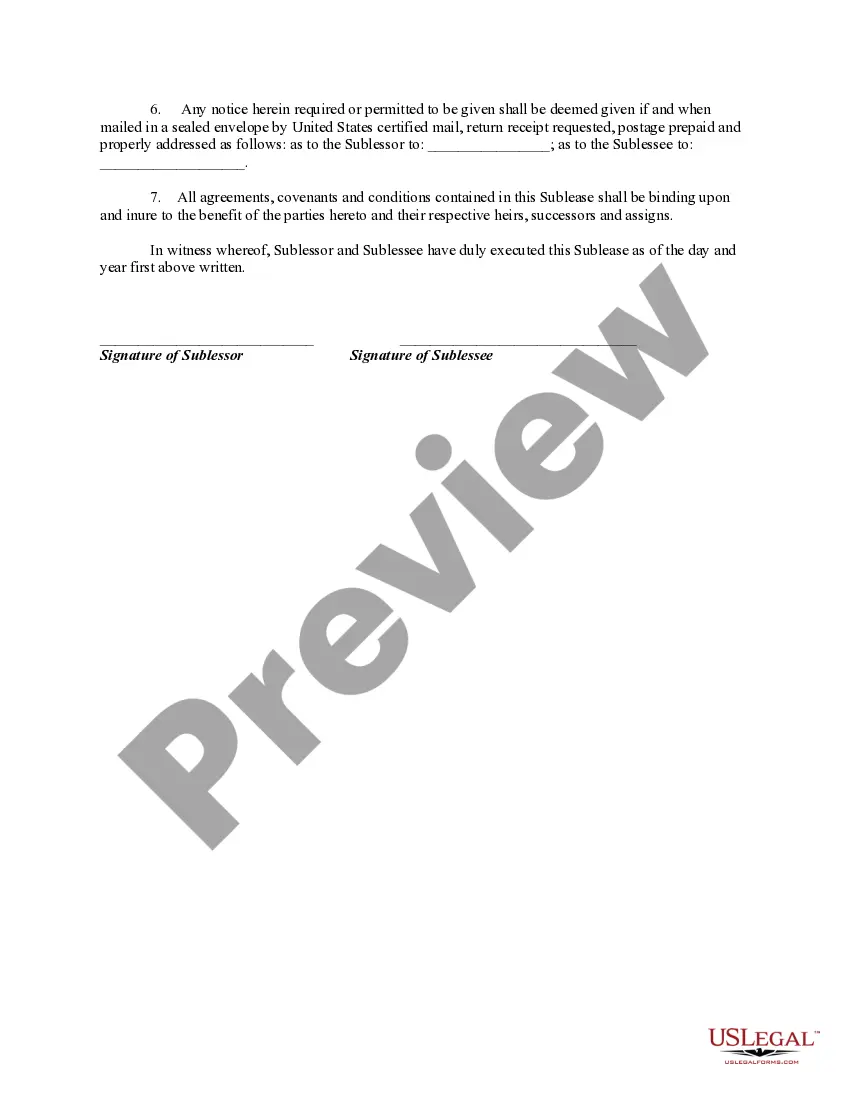

Get your form ready online
Our built-in tools help you complete, sign, share, and store your documents in one place.
Make edits, fill in missing information, and update formatting in US Legal Forms—just like you would in MS Word.
Download a copy, print it, send it by email, or mail it via USPS—whatever works best for your next step.
Sign and collect signatures with our SignNow integration. Send to multiple recipients, set reminders, and more. Go Premium to unlock E-Sign.
If this form requires notarization, complete it online through a secure video call—no need to meet a notary in person or wait for an appointment.
We protect your documents and personal data by following strict security and privacy standards.

Make edits, fill in missing information, and update formatting in US Legal Forms—just like you would in MS Word.

Download a copy, print it, send it by email, or mail it via USPS—whatever works best for your next step.

Sign and collect signatures with our SignNow integration. Send to multiple recipients, set reminders, and more. Go Premium to unlock E-Sign.

If this form requires notarization, complete it online through a secure video call—no need to meet a notary in person or wait for an appointment.

We protect your documents and personal data by following strict security and privacy standards.
Looking for another form?


Form popularity
FAQ
What are some tips for negotiating a shorter lease term? Know your market. Be the first to add your personal experience. Be flexible and creative. Be the first to add your personal experience. Build rapport and trust. Review the lease carefully. Negotiate in good faith. Here's what else to consider.
The landlord tenant laws that allow you to break a lease are different from state to state. In many places, you can get out of your lease without penalty for a number of reasons, such as domestic violence, an unsafe environment, or if you've been called up for military service.
Key Components of a Short Term Rental Agreement Reservation Details. Property Information. Guest Information. Occupancy Limits. Check-In/Out Times. Minimum/Maximum Stay Requirements. House Rules. Financial Terms.
What is considered to be a 'short' lease? Basically, any lease that falls below 80 years is considered to be a short lease. While this may seem like a long time, in terms of leases, 80 years is the cut off point, something commonly referred to as the '80-year rule'.
After all, short-term leases offer flexibility but may come with higher rental rates due to their temporary nature. However, long-term leases provide stability but may require a longer commitment.
Leases typically run for one year or more. Any lease for less than 12 months is considered short-term. You can find short-term apartment leases for three months, six months, nine months or even month-to-month. Monthly leases generally renew automatically each month as long as you and your landlord both agree.
The most common terms for a short-term lease are six months or three months. This lease length is ideal if you're working or studying in a new area for a short period of time. For those looking for a longer-term approach, some apartments also offer 18-month leases or even two-year leases.
Current Market Trends in Short-Term Leasing Short-term leases, from three to six months, give tenants the flexibility they need. They are great for moving for work or other big changes. Month-to-month leases add to this flexibility by letting either side end the lease with a month's notice.
Most often they are for six months or less or month-to-month. Lease agreements, on the other hand, are typically for a much longer period of time. It is common for a lease to be for a period of 12 months, but it can also be for many years.
Leases typically run for one year or more. Any lease for less than 12 months is considered short-term. You can find short-term apartment leases for three months, six months, nine months or even month-to-month. Monthly leases generally renew automatically each month as long as you and your landlord both agree.
