Capital Contribution Resolution In Tarrant
Description

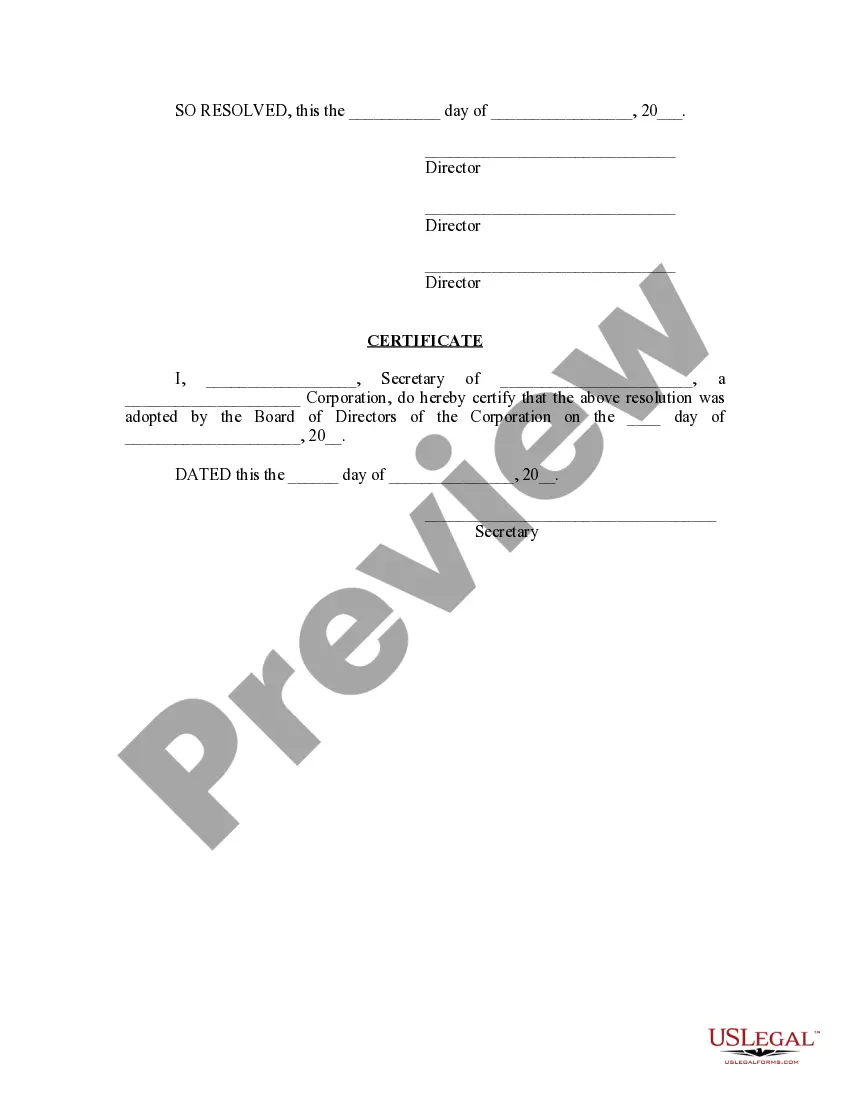


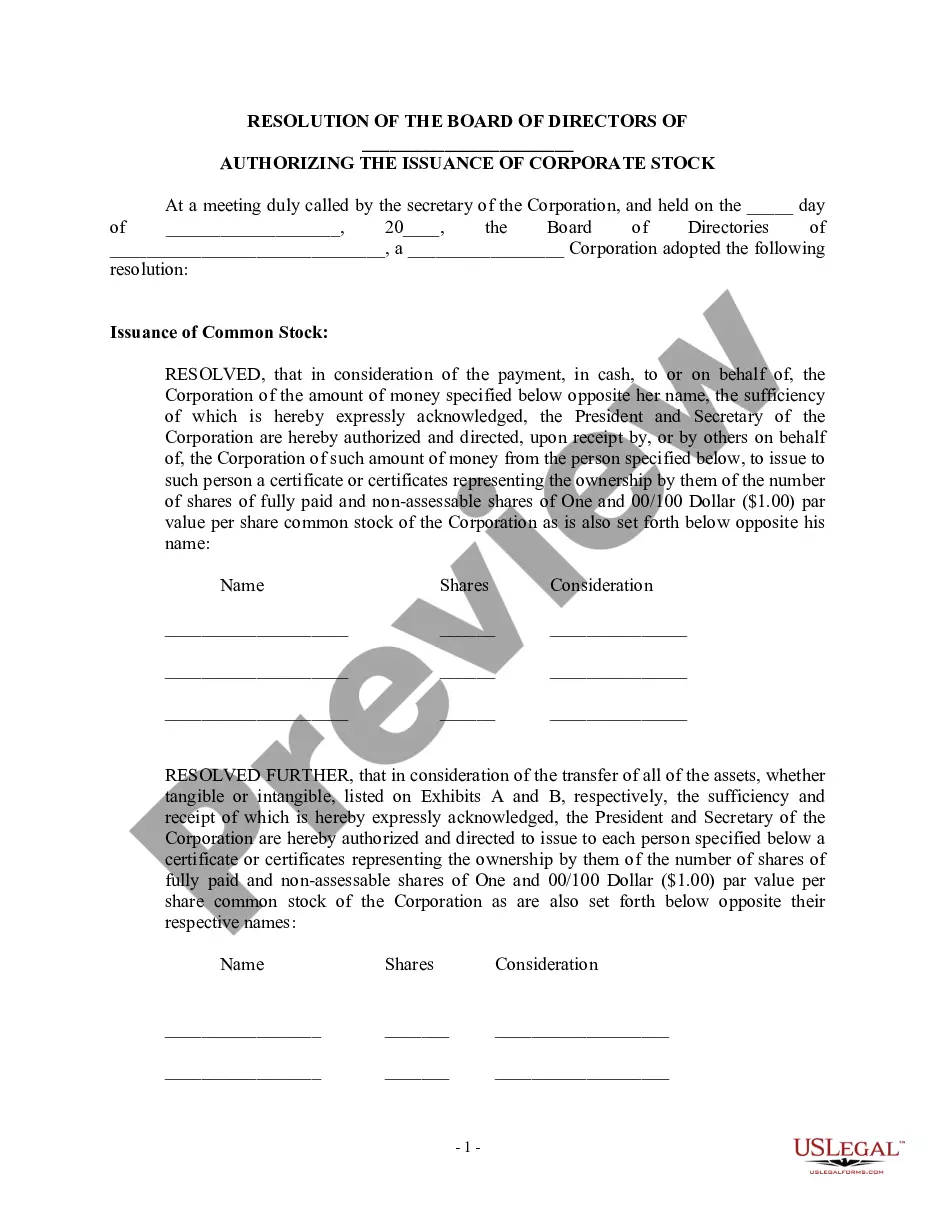
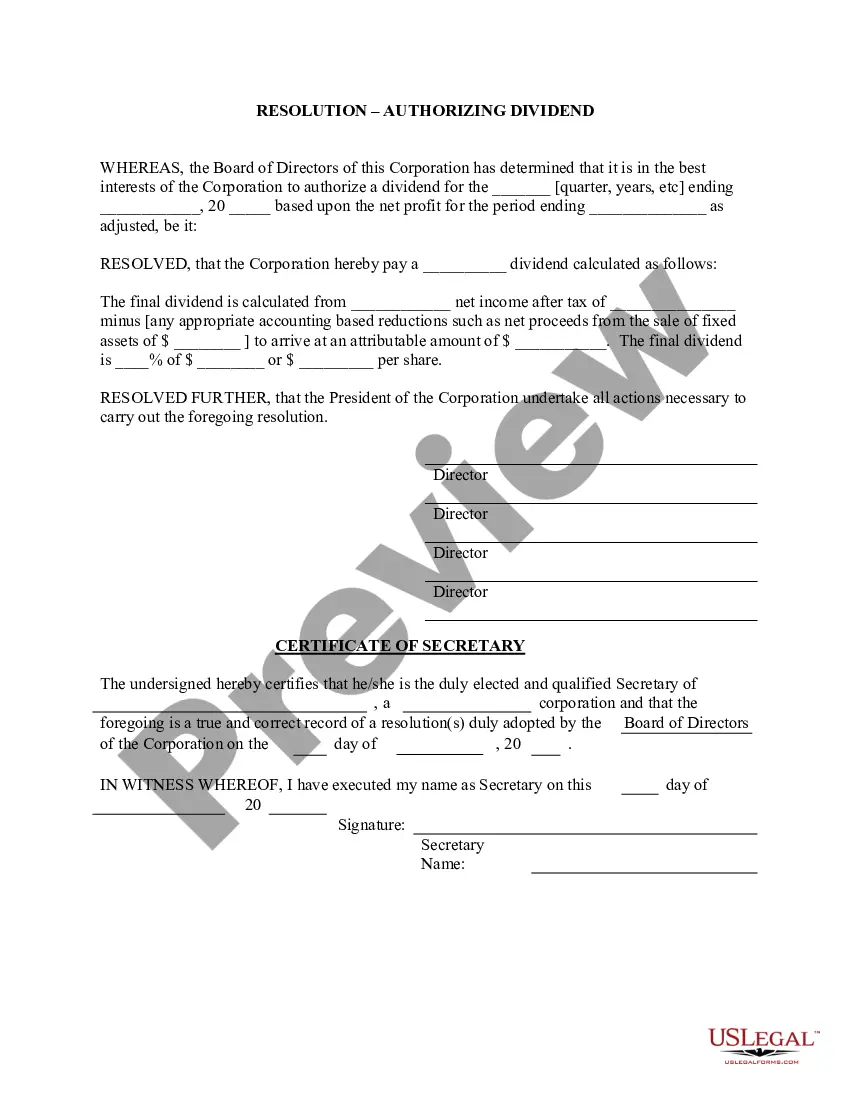
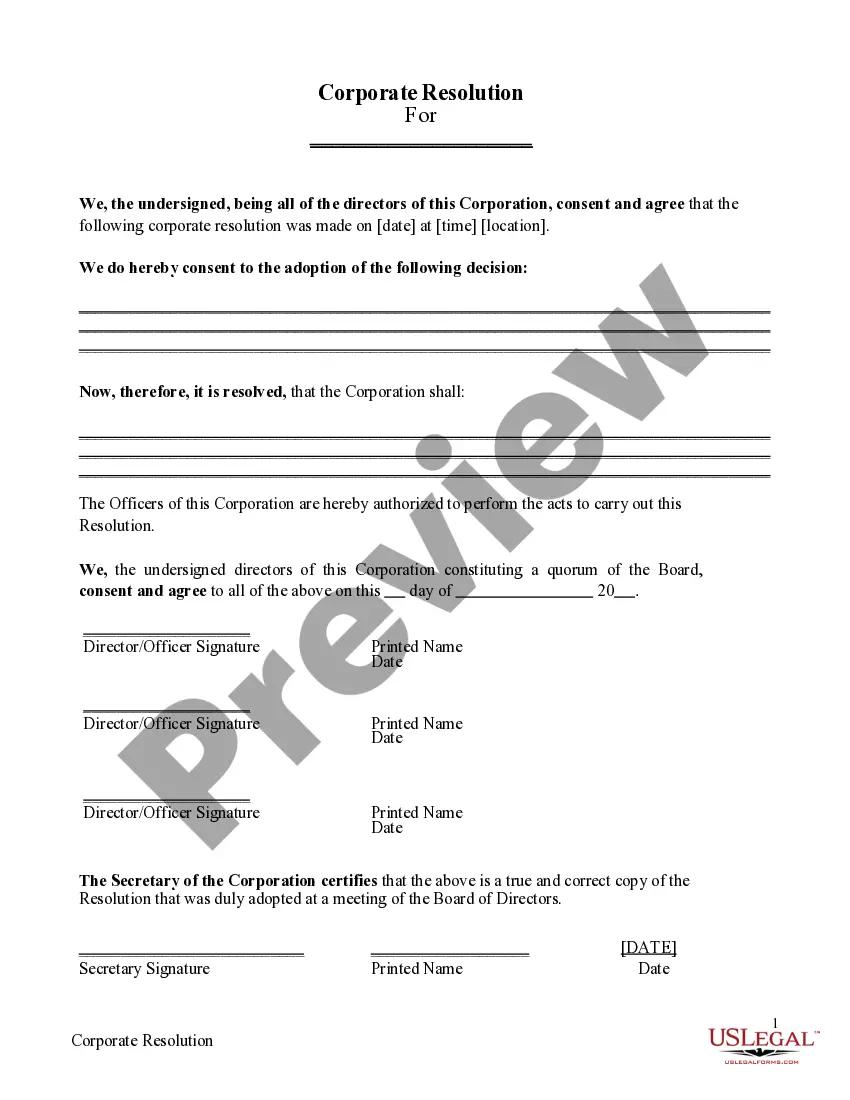
Get your form ready online
Our built-in tools help you complete, sign, share, and store your documents in one place.
Make edits, fill in missing information, and update formatting in US Legal Forms—just like you would in MS Word.
Download a copy, print it, send it by email, or mail it via USPS—whatever works best for your next step.
Sign and collect signatures with our SignNow integration. Send to multiple recipients, set reminders, and more. Go Premium to unlock E-Sign.
If this form requires notarization, complete it online through a secure video call—no need to meet a notary in person or wait for an appointment.
We protect your documents and personal data by following strict security and privacy standards.

Make edits, fill in missing information, and update formatting in US Legal Forms—just like you would in MS Word.

Download a copy, print it, send it by email, or mail it via USPS—whatever works best for your next step.

Sign and collect signatures with our SignNow integration. Send to multiple recipients, set reminders, and more. Go Premium to unlock E-Sign.

If this form requires notarization, complete it online through a secure video call—no need to meet a notary in person or wait for an appointment.

We protect your documents and personal data by following strict security and privacy standards.
Looking for another form?






Form popularity
FAQ
Tarrant County Dispute Resolution is a mediation process intended to help parties in dispute reach an agreement to avoid going to court. The program is available to residents of Tarrant County and the surrounding areas.
Dispute resolution services provide an accessible avenue to address grievances and seek justice. It Preserves Relationships: Litigation is adversarial and can damage relationships. Dispute resolution focuses on collaboration.
The homestead exemption in Texas lowers the taxable value of your primary residence, effectively reducing your annual property tax burden. To qualify, you must own and occupy your home as of January 1st of the tax year. The homestead exemption application must be filed with the Tarrant County Appraisal District.
The goal of the dispute resolution process is to exchange and review information in order to determine whether revision or rescission is warranted of discipline, end of employment or other application of policy.
You might use alternative dispute resolution (ADR) instead of going to court. You can also use an ADR scheme to narrow down the problem before you go to court. The main advantages of solving a problem with ADR are: it's usually cheaper, more flexible, faster and less stressful than going to court.
Dispute resolution processes fall into two major types: Adjudicative processes, such as litigation or arbitration, in which a judge, jury or arbitrator determines the outcome. Consensual processes, such as collaborative law, mediation, conciliation, or negotiation, in which the parties attempt to reach agreement.
Other common initial capital contributions include the assignment of intellectual property and the contribution of assets such as equipment. Other types of contributions are the reduction of an existing liability in exchange for equity and the assignment of intangible assets.
Board Resolutions: Capital Contribution (Corporate Limited Partner) Resolutions of the board of directors of a corporate limited partner authorizing an additional contribution of capital to a limited partnership (LP).
