Trademark For Law Firm In Texas
Description

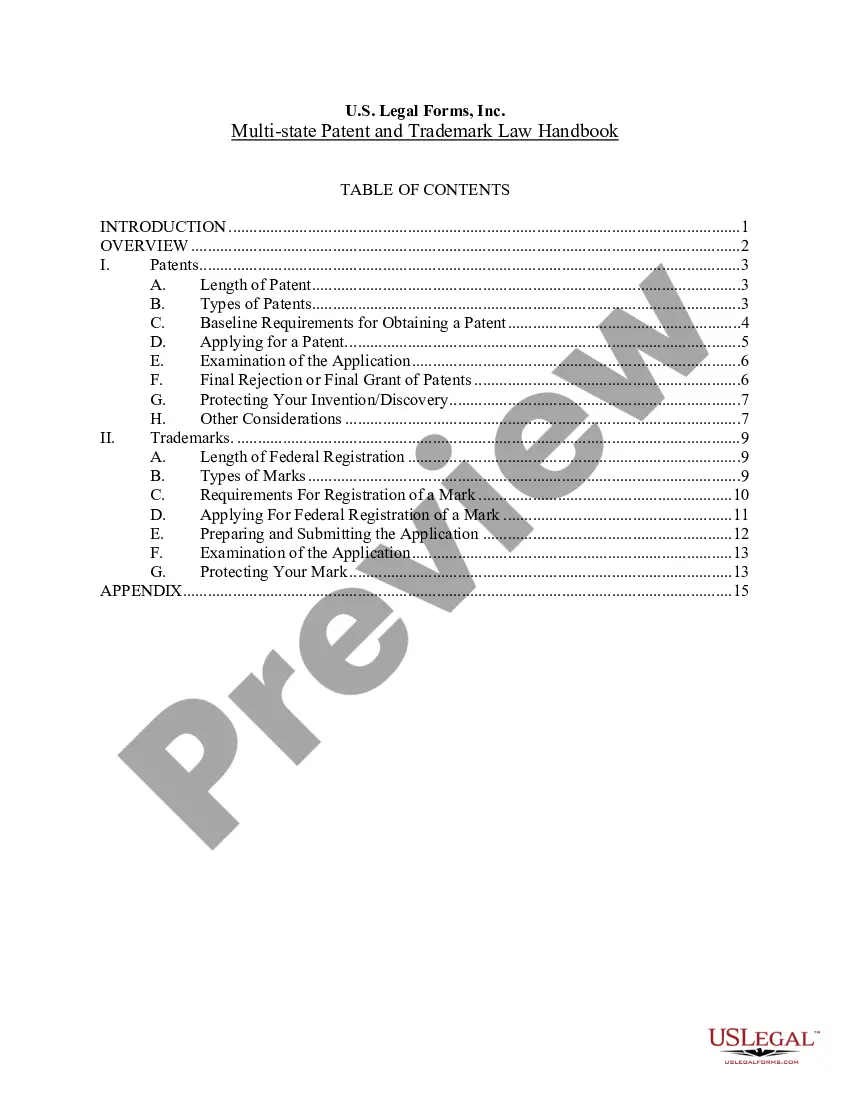
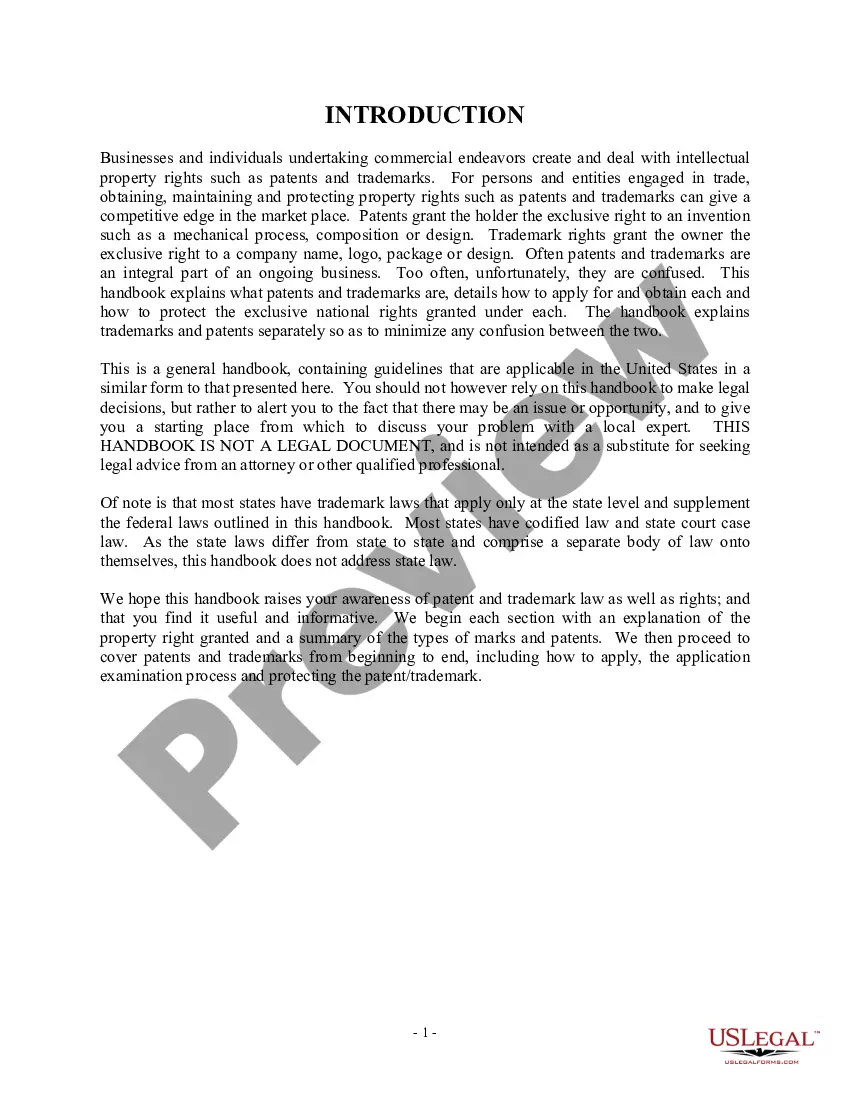
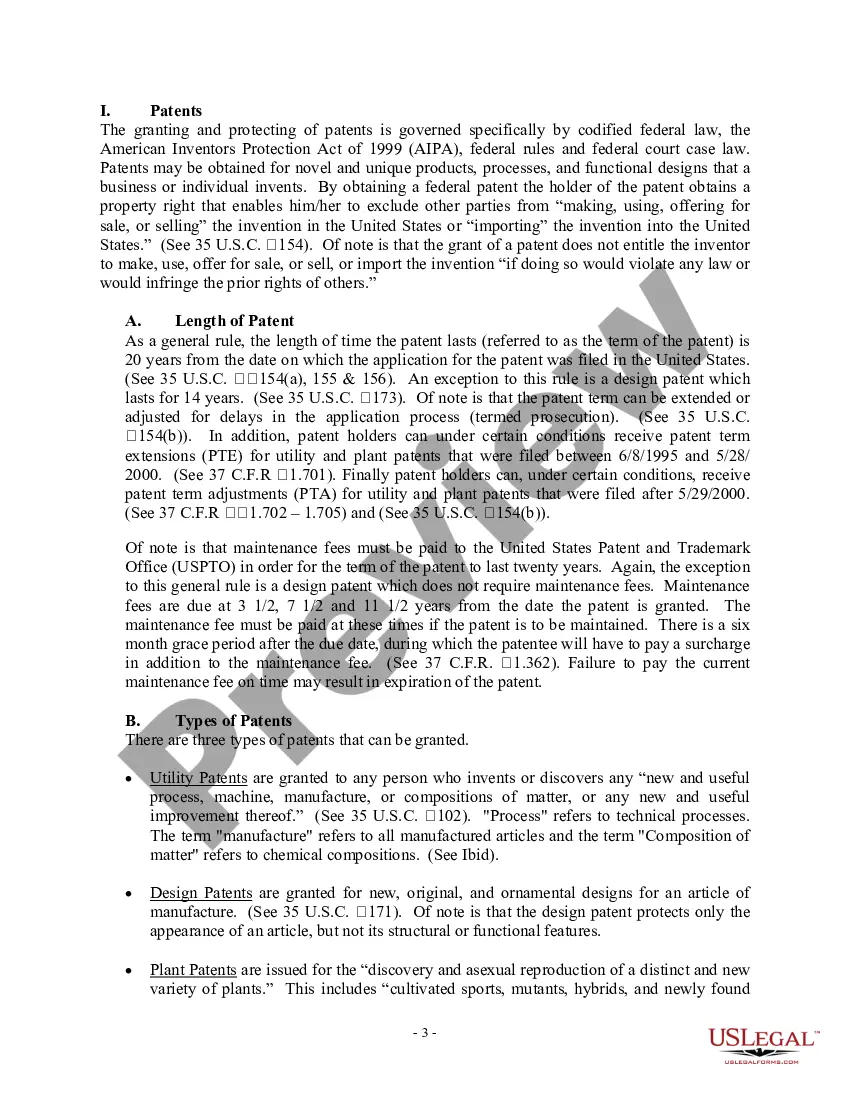


Get your form ready online
Our built-in tools help you complete, sign, share, and store your documents in one place.
Make edits, fill in missing information, and update formatting in US Legal Forms—just like you would in MS Word.
Download a copy, print it, send it by email, or mail it via USPS—whatever works best for your next step.
Sign and collect signatures with our SignNow integration. Send to multiple recipients, set reminders, and more. Go Premium to unlock E-Sign.
If this form requires notarization, complete it online through a secure video call—no need to meet a notary in person or wait for an appointment.
We protect your documents and personal data by following strict security and privacy standards.

Make edits, fill in missing information, and update formatting in US Legal Forms—just like you would in MS Word.

Download a copy, print it, send it by email, or mail it via USPS—whatever works best for your next step.

Sign and collect signatures with our SignNow integration. Send to multiple recipients, set reminders, and more. Go Premium to unlock E-Sign.

If this form requires notarization, complete it online through a secure video call—no need to meet a notary in person or wait for an appointment.

We protect your documents and personal data by following strict security and privacy standards.
Looking for another form?





Form popularity
FAQ
You acquire common law ownership rights to a mark simply by using the mark in commerce in connection with the relevant goods or services. You do not have to register your mark to acquire common law rights to it.
But the main difference between copyright and trademark is that copyright protects original expressions in works whereas trademark protects the business reputation and goodwill associated with the word, phrase, symbol, and/or design.
To register a trademark with the U.S. Patent and Trademark Office (USPTO), you will need to fill out and submit a trademark application. You can do this online, through the USPTO Trademark Center, an online trademark filing service, an attorney, or by submitting a paper application.
A bachelor's degree in engineering or a “hard” science, (in contrast to social, psychological, or political “sciences” for example) will qualify Patent Agent candidates to take the Patent Bar Exam, (the same exam taken by Patent Attorneys) although many Patent Agents hold Master or Doctoral degrees.
Becoming a trademark attorney As noted above, U.S.-licensed attorneys need not apply for registration to practice trademark law before the USPTO. If you are a law student interested in becoming a trademark attorney, you may want to consider participating in the USPTO's Law School Clinic Certification Program.
TEXAS BAR EXAM – APPROVED COURSES Applicants who earned their law degree outside of the United States must complete six credits of coursework on subject matter tested on the Texas bar exam and three specific courses: Introduction to American Law, Legal Writing and Professional Responsibility.
The Texas Disciplinary Rules of Professional Conduct generally do not permit Texas lawyers to allow non-lawyers to have controlling or ownership interests in their law firms.
No, you can't take the bar without attending Texas law school. Currently, Texas is not one of the states that allow a person to take the bar exam without attending law school. States that do allow this are: California.
The Texas Disciplinary Rules of Professional Conduct generally do not permit Texas lawyers to allow non-lawyers to have controlling or ownership interests in their law firms.
A PLLC is a specific type of LLC designed for licensed professionals in certain fields, such as doctors, lawyers, accountants, engineers, architects, and other regulated professions. In Texas, professionals must set up their business entities as professional entities.
