Best Cover Letter For Cv In Michigan
Description



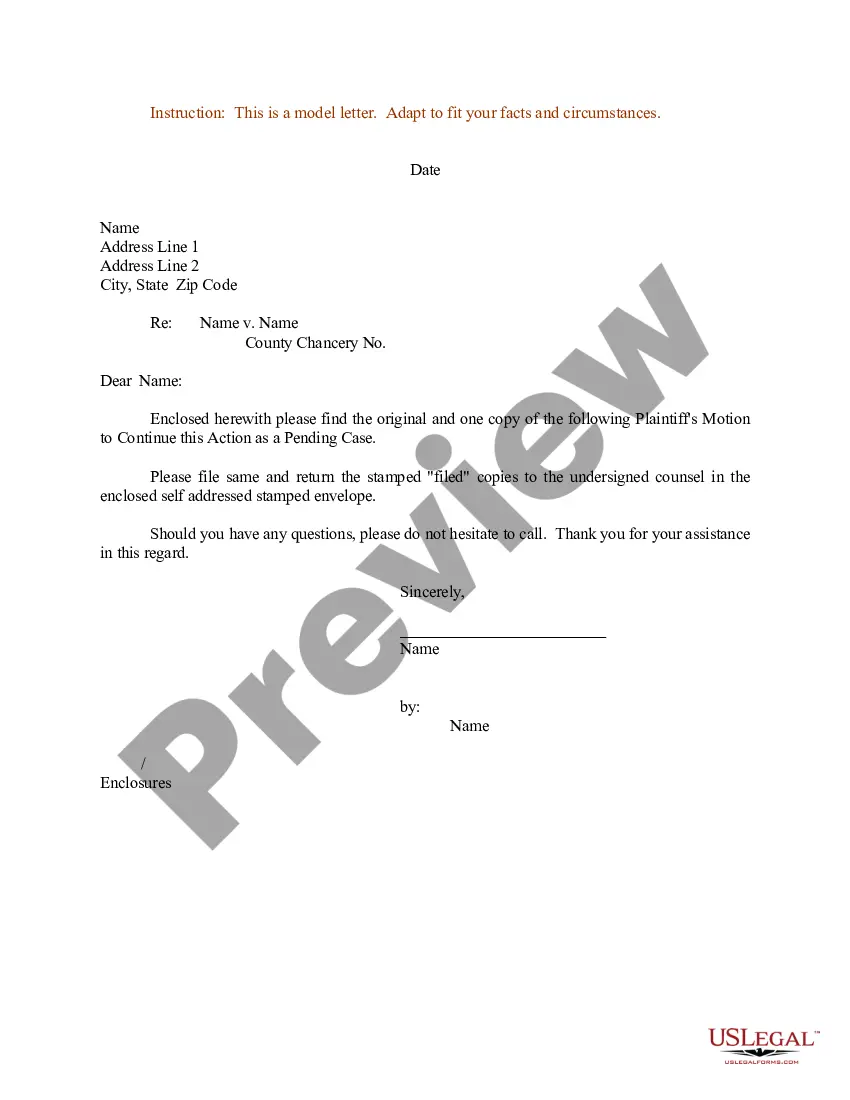
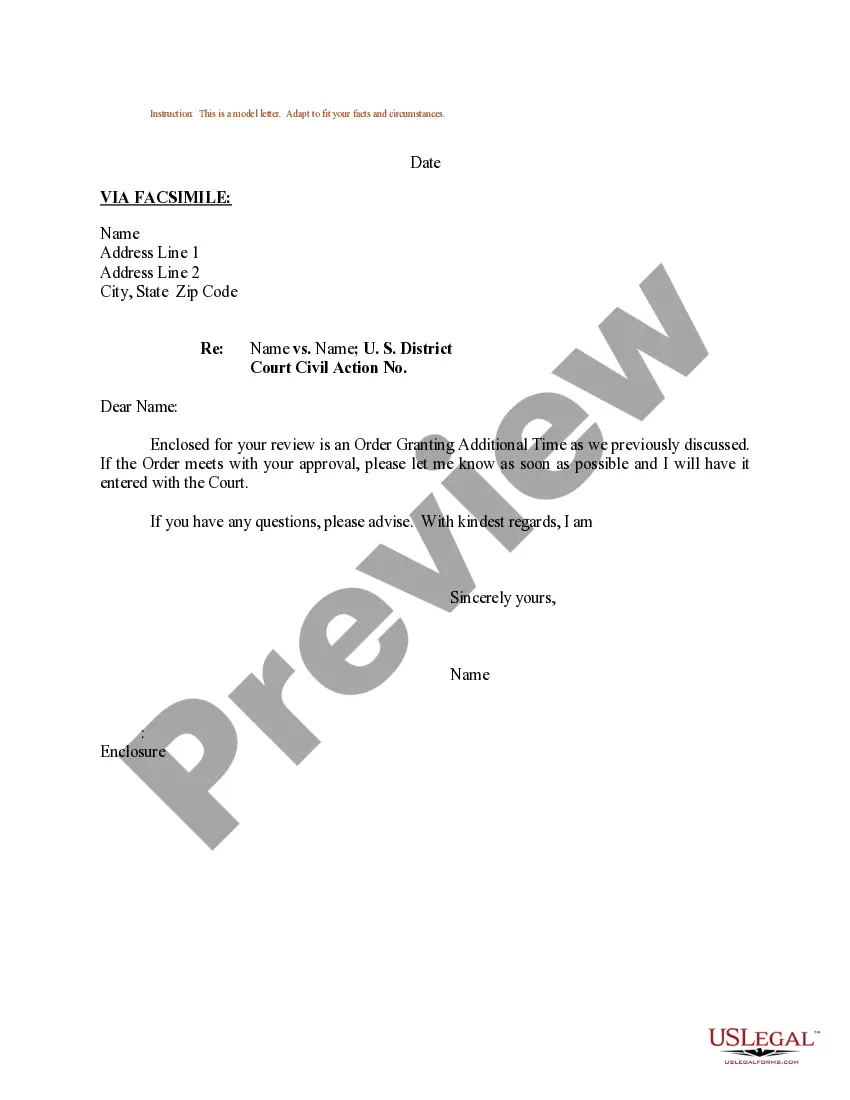
Get your form ready online
Our built-in tools help you complete, sign, share, and store your documents in one place.
Make edits, fill in missing information, and update formatting in US Legal Forms—just like you would in MS Word.
Download a copy, print it, send it by email, or mail it via USPS—whatever works best for your next step.
Sign and collect signatures with our SignNow integration. Send to multiple recipients, set reminders, and more. Go Premium to unlock E-Sign.
If this form requires notarization, complete it online through a secure video call—no need to meet a notary in person or wait for an appointment.
We protect your documents and personal data by following strict security and privacy standards.

Make edits, fill in missing information, and update formatting in US Legal Forms—just like you would in MS Word.

Download a copy, print it, send it by email, or mail it via USPS—whatever works best for your next step.

Sign and collect signatures with our SignNow integration. Send to multiple recipients, set reminders, and more. Go Premium to unlock E-Sign.

If this form requires notarization, complete it online through a secure video call—no need to meet a notary in person or wait for an appointment.

We protect your documents and personal data by following strict security and privacy standards.
Looking for another form?





Form popularity
FAQ
In 98% of cases, you should include a cover letter in your job application. Although recruiters might not always read it, they expect candidates to submit one. A cover letter will considerably boost your chances and set you apart from other candidates with similar backgrounds and resumes.
The tried-and-true Rule of Three strategy Showcase your discernment by detailing three—and only three—key points in your cover letter. You want the reader to remain interested long enough to flip to your resume, and running through a laundry list of skill after skill is a surefire way to bore them quickly.
No. Your resume should talk about your qualifications; your cover letter should talk about why you fit this particular position.
No, a CV does not include a cover letter. A curriculum vitae (CV) is a resume-like document that highlights your academic and professional experiences. The document itself doesn't include a cover letter, but like a resume, your CV should be paired with a cover letter for every job application you submit.
I am a conscientious person who works hard and pays attention to detail. I'm flexible, quick to pick up new skills and eager to learn from others. I also have lots of ideas and enthusiasm. I'm keen to work for a company with a great reputation and high profile like insert company name.
While a CV and cover letter go hand in hand for a job application, a CV is a detailed listing of your academic and professional qualifications . On the other hand, a cover letter is a concise text that explains why you're applying for the job and why you would be perfect for it.
Follow these tips to format this section perfectly: Separate hard and soft skills. Keep your hard skills separated from your soft skills to make your CV easier to navigate. Tailor CV skills to the job ad. Add experience levels for hard skills. Include transferable skills.
Cover letter first, generally.
What the Experts Say Do your research first. Before you start writing, find out more about the company and the specific job you want. Focus it on the future. Open strong. Emphasize your personal value. Convey enthusiasm. Watch the tone. Keep it short. Get feedback.
Writing a Stand-Out Cover Letter Start fresh for each position you're applying to. Address your letter to a real person. Adopt a positive mindset. Grab attention with your opening line. Explain why you're the best candidate. Show them why you want THIS job. Finish strong. Sit on it.

