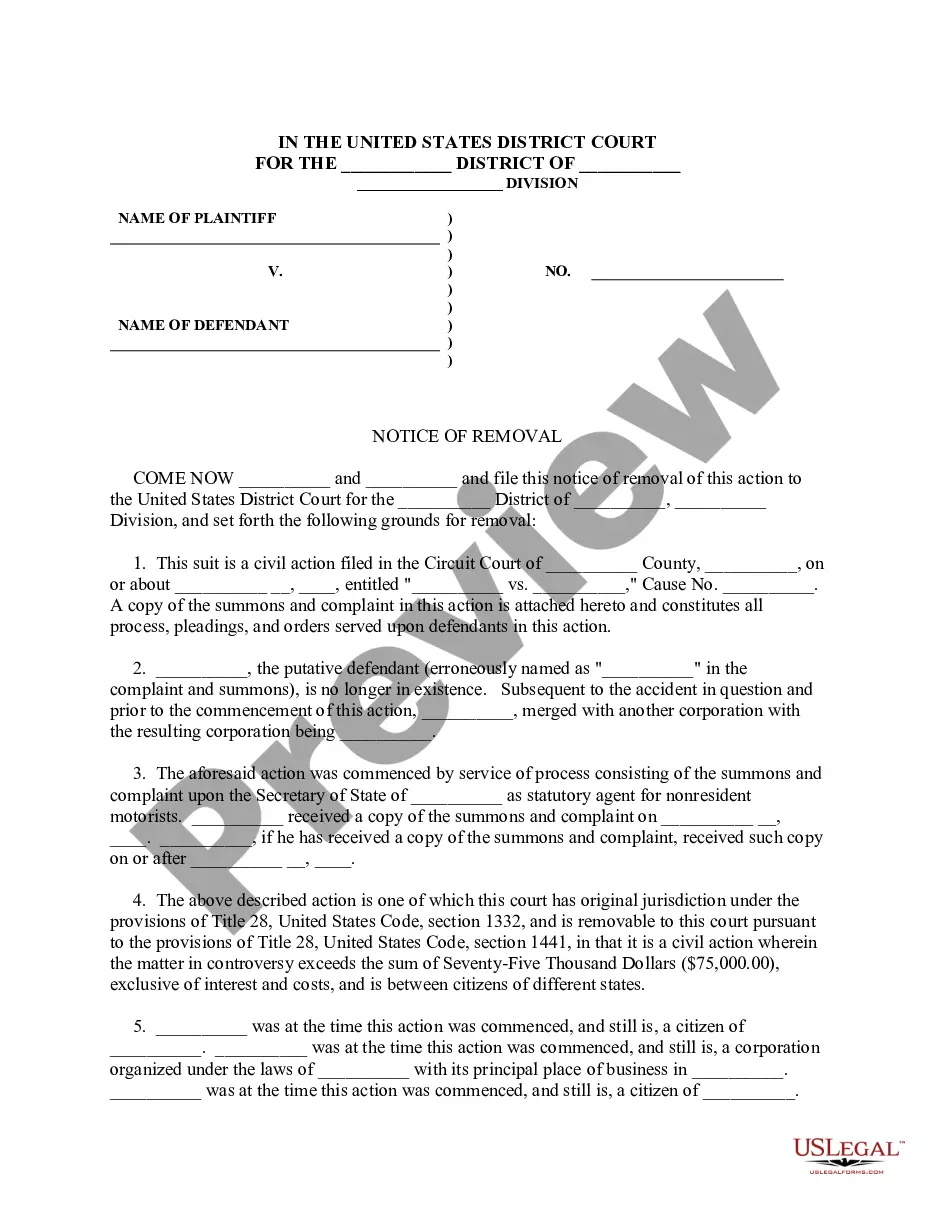
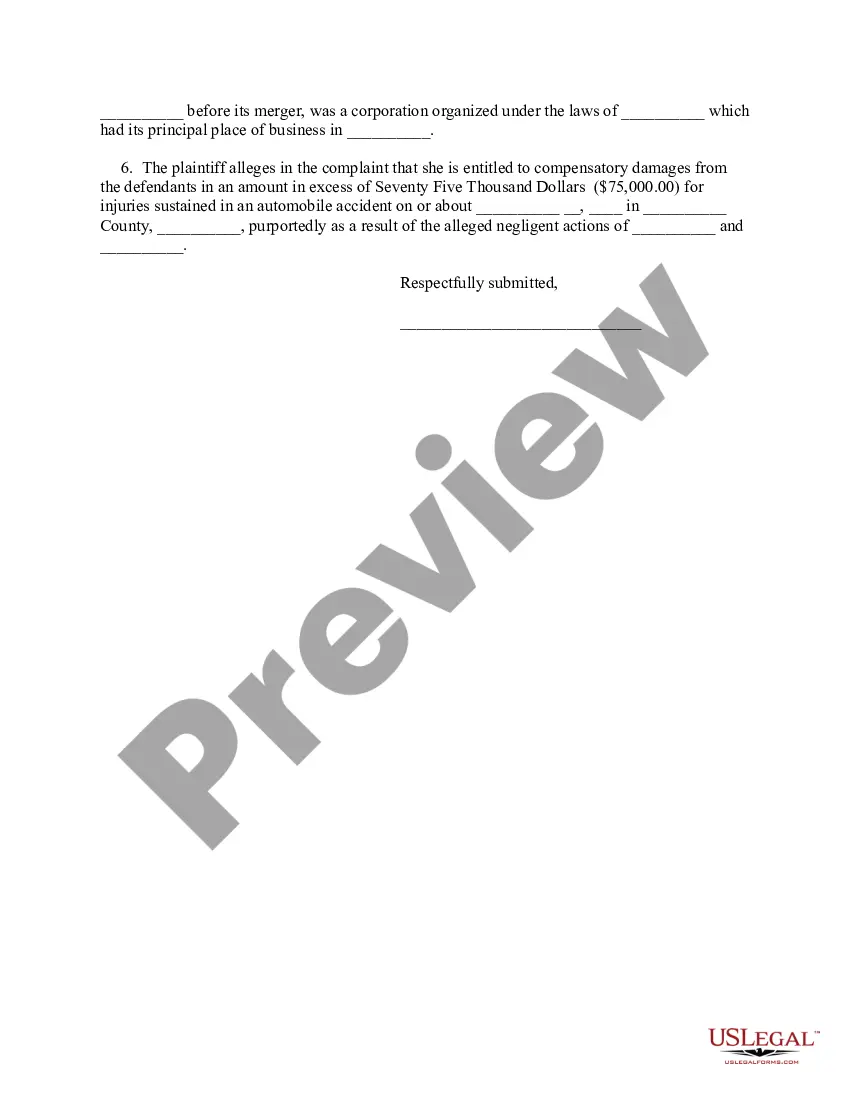
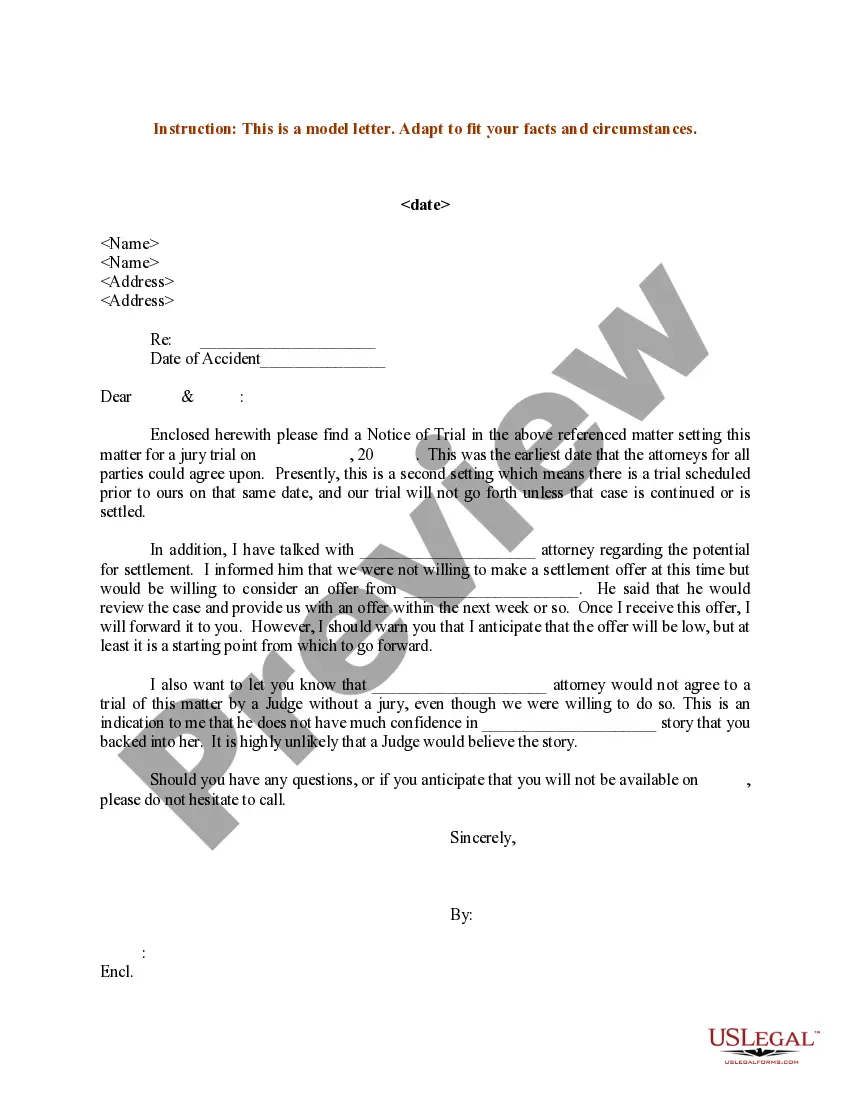
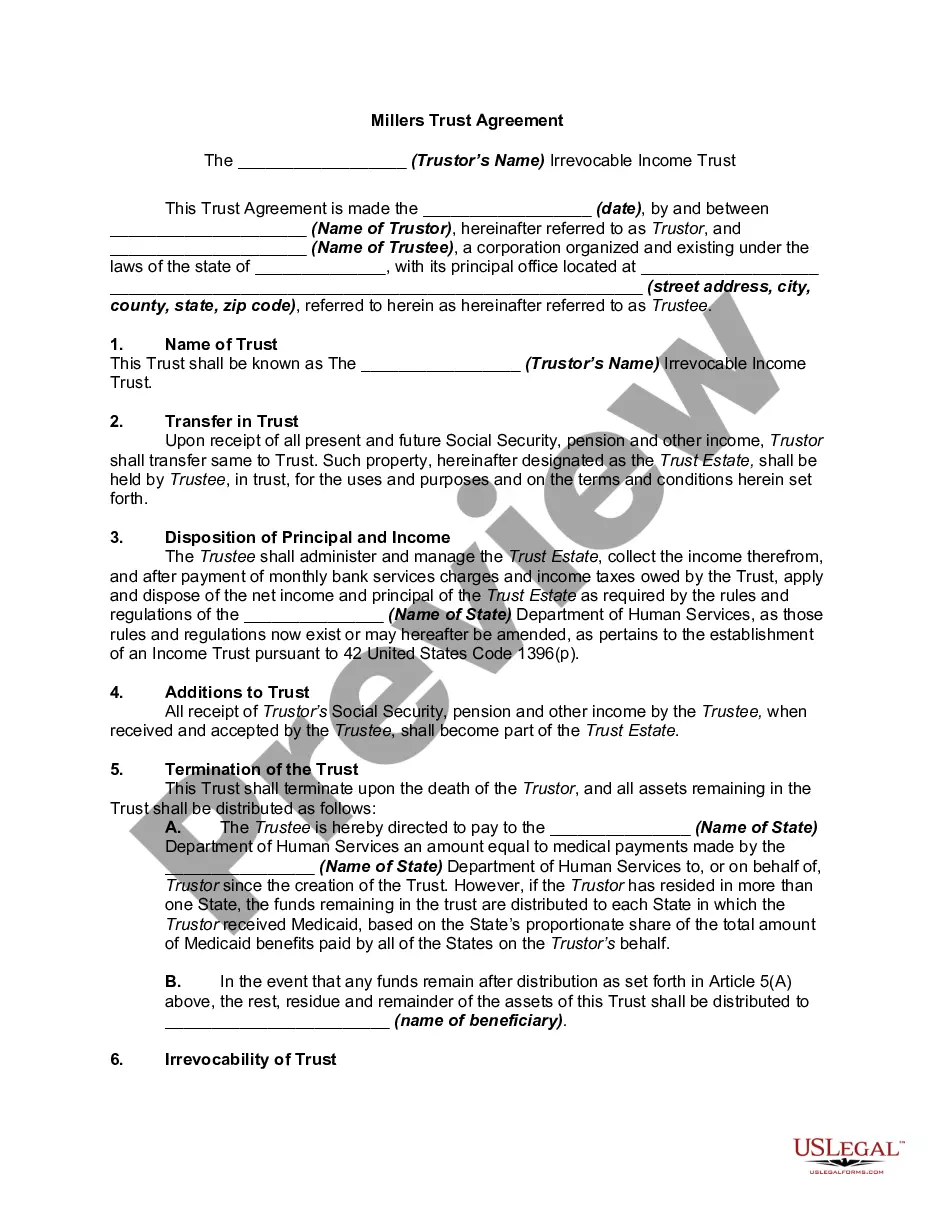
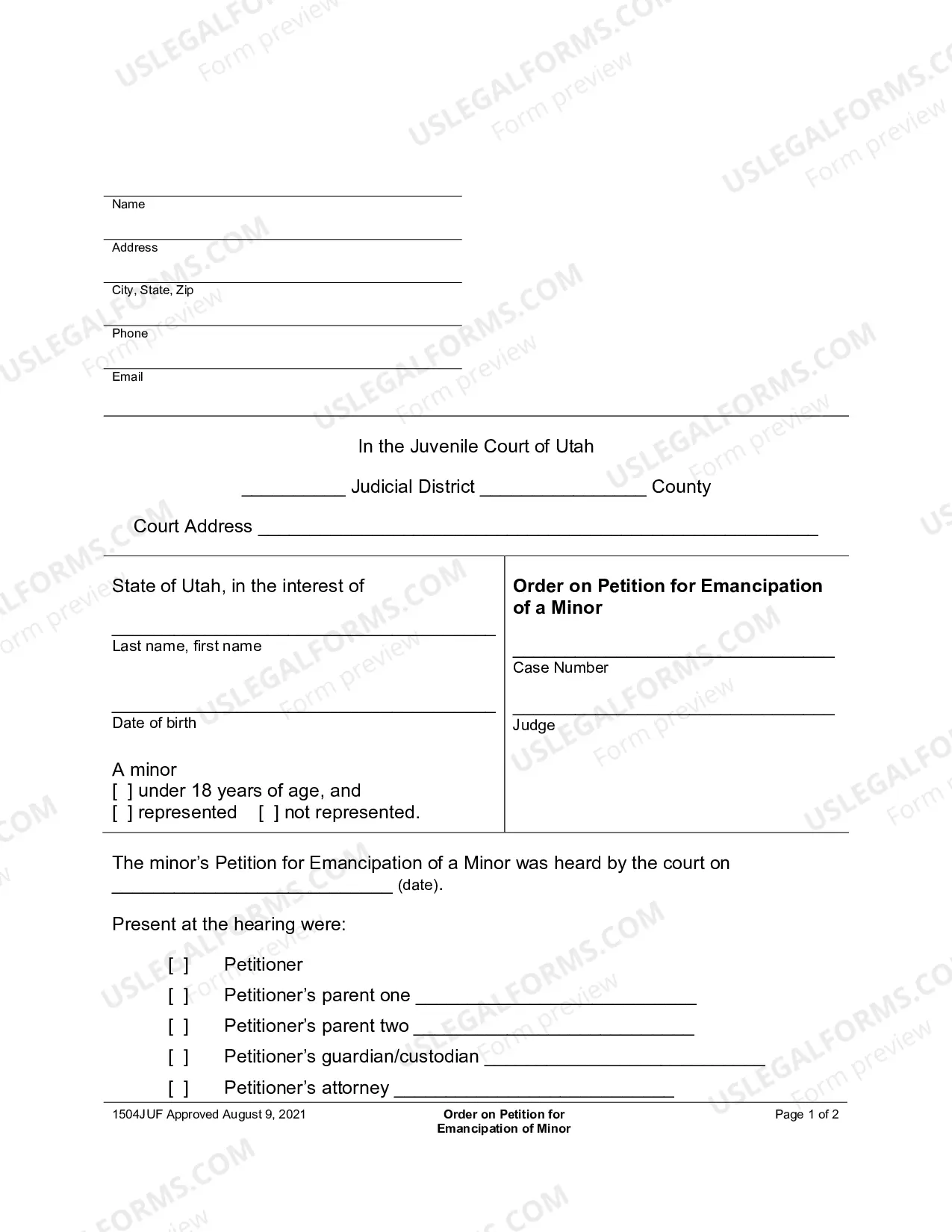
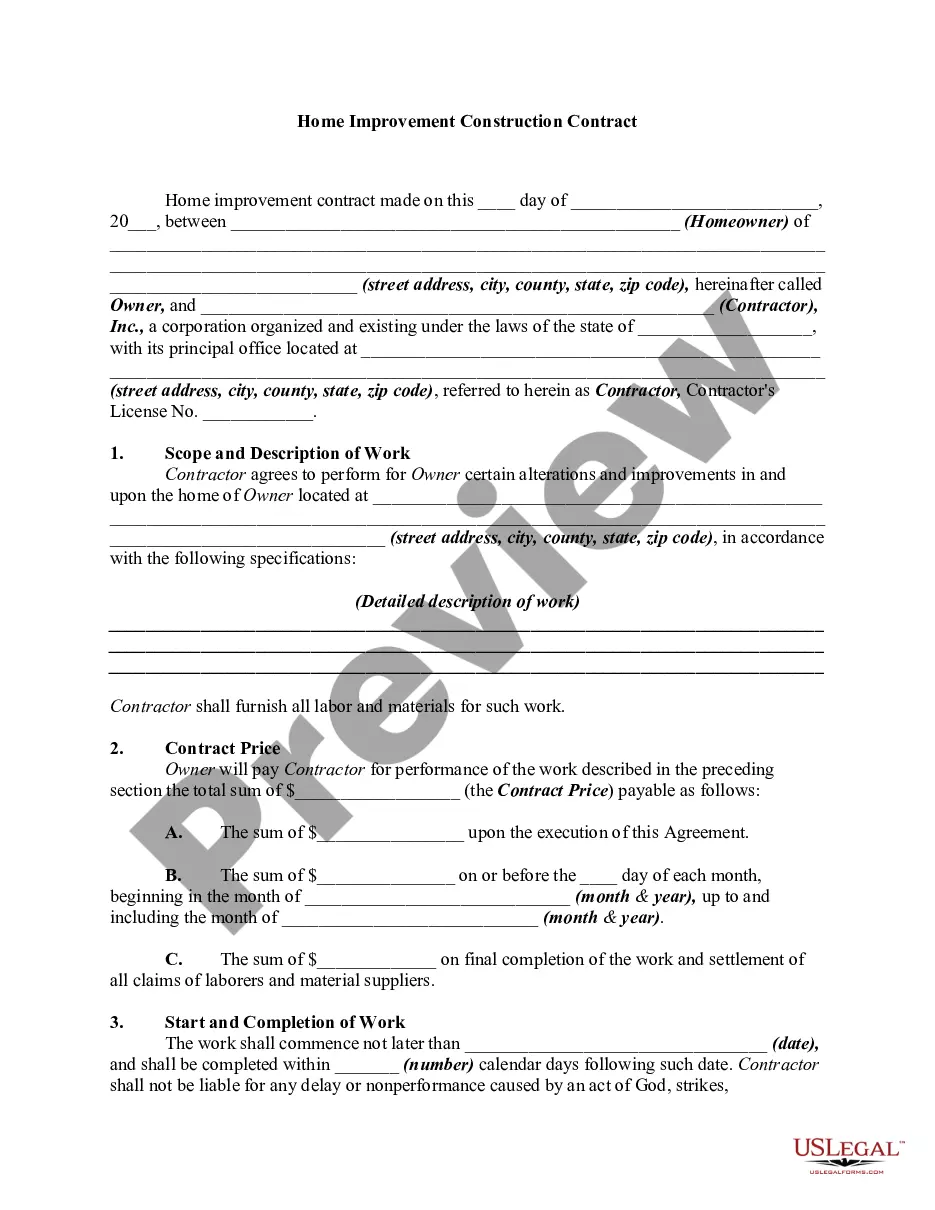
Notice Of Removal Template With Lines In Middlesex
Description
Get your form ready online
Our built-in tools help you complete, sign, share, and store your documents in one place.
Make edits, fill in missing information, and update formatting in US Legal Forms—just like you would in MS Word.
Download a copy, print it, send it by email, or mail it via USPS—whatever works best for your next step.
Sign and collect signatures with our SignNow integration. Send to multiple recipients, set reminders, and more. Go Premium to unlock E-Sign.
If this form requires notarization, complete it online through a secure video call—no need to meet a notary in person or wait for an appointment.
We protect your documents and personal data by following strict security and privacy standards.

Make edits, fill in missing information, and update formatting in US Legal Forms—just like you would in MS Word.

Download a copy, print it, send it by email, or mail it via USPS—whatever works best for your next step.

Sign and collect signatures with our SignNow integration. Send to multiple recipients, set reminders, and more. Go Premium to unlock E-Sign.

If this form requires notarization, complete it online through a secure video call—no need to meet a notary in person or wait for an appointment.

We protect your documents and personal data by following strict security and privacy standards.
Looking for another form?






Form popularity
FAQ
A defendant or defendants desiring to remove any civil action from a State court shall file in the district court of the United States for the district and division within which such action is pending a notice of removal signed pursuant to Rule 11 of the Federal Rules of Civil Procedure and containing a short and plain ...
Judgments for Possession and Warrants of Removal If the tenant does not leave the property, a special civil part court officer, not the landlord, will serve the tenant(s) with a warrant of removal. Residential tenants have three business days to leave the property after they are served with a warrant of removal.
Pursuant to §1446(a) the Notice of Removal must contain a short and plain statement of the grounds for removal, together with a copy of all process, pleadings, and orders served upon the party removing the action. This is known as the Notice of Removal Package.
Notice of Removal: A notice that a defendant files in federal court to move a case from state court to federal court. The notice must explain why the case should be moved and include copies of all the legal documents that have been filed in the case.
Defendants often seek to move their cases to federal court after being sued in state court for reasons such as procedural consistency, efficient docket management, and reduced liability.
To file electronically, go to , or link to the filing website via the Court's website . 13.5 What is the public website for information about the Court? For publicly available information, go to (no password required).
The notice of removal of a civil action or proceeding shall be filed within 30 days after the receipt by the defendant, through service or otherwise, of a copy of the initial pleading setting forth the claim for relief upon which such action or proceeding is based, or within 30 days after the service of summons upon ...
U.S.C.A. §§ 1446 and 1447. A defendant must remove the action within the 30 day period and during this period; a party may generally amend a notice of removal to correct omitted or improperly pleaded jurisdictional statements.
Judgments for Possession and Warrants of Removal If the tenant does not leave the property, a special civil part court officer, not the landlord, will serve the tenant(s) with a warrant of removal. Residential tenants have three business days to leave the property after they are served with a warrant of removal.
A 30 – 60 day notice indicating that you do not plan to renew a new lease is acceptable. Check your lease for the terms and conditions of a move. 3. The notice to your landlord must include the date it is written, the name and address of the landlord, and the anticipated date you plan to move.