Acknowledgement For Funeral In Pennsylvania
Description



Form popularity
FAQ
“Thank you for thinking of our family during this difficult time. Your card was sincerely appreciated.” “Thank you so much for the condolences. We truly appreciated the warm words of comfort.”
Sincerely thank you for your kind expressions of sympathy. is deeply appreciated and gratefully acknowledged. We deeply appreciate your thoughtfulness and thank you most sincerely. thoughtfulness is appreciated and will always be remembered.
Sympathy Card Your sympathy card was so kind and very much appreciated. You are such a thoughtful friend. Thank you for thinking of our family during this difficult time. Your card was sincerely appreciated. Thank you so much for your sympathy card. I/ we truly appreciated the warm words of comfort. You are so kind.
It is customary to send acknowledgements to anyone who has contributed in some way during the bereavement period. This includes: Individuals who sent flowers, donations, or personal notes. Those who participated in the service, such as clergy, musicians, and pallbearers.
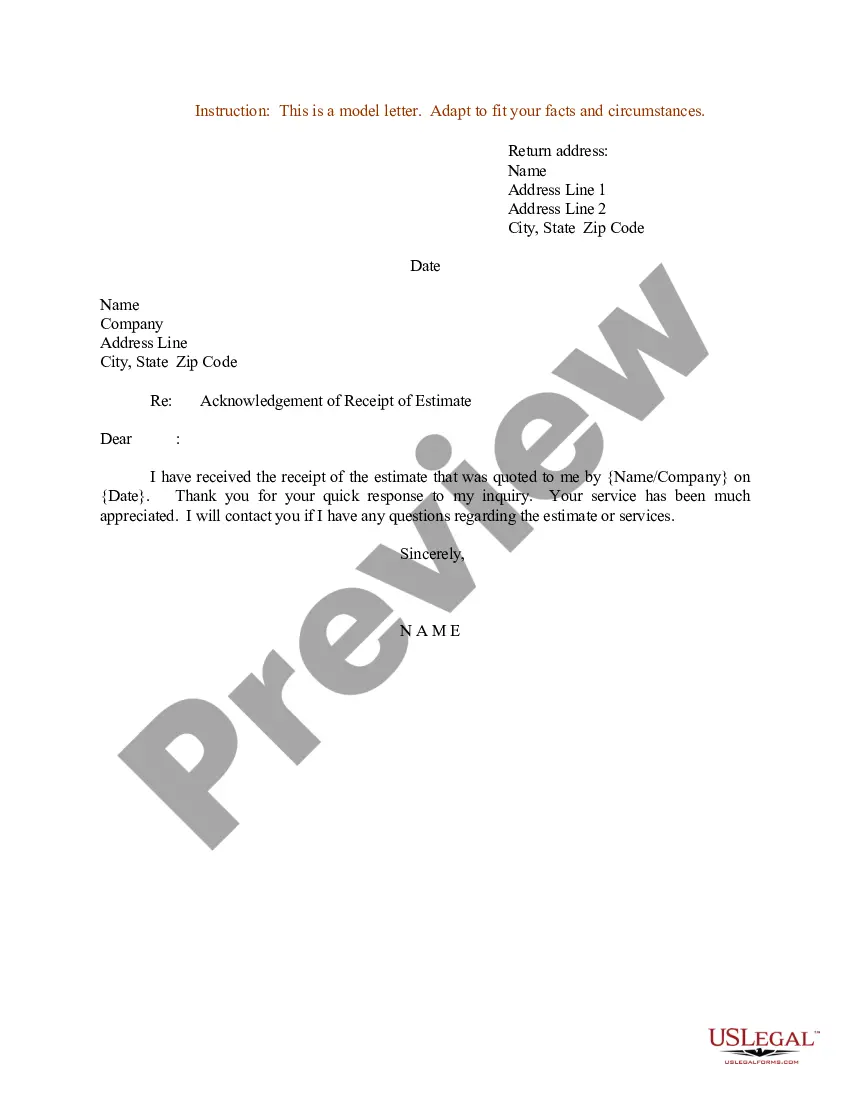
Your sympathy in our recent loss will long be remembered. Thank you sincerely for all that you have done for us in our time of need. Thank you for the many ways in which you helped us during the loss of our (RELATIVE). We deeply appreciate your kindness.
Here are some guidelines for writing a good condolence letter: Acknowledge the loss and name the deceased. Express your sympathy. Note special qualities of the deceased. Recall a memory about the deceased. Remind the bereaved of their personal strengths you have witnessed.
"Thank you for your words of sympathy, your voice of concern, your gesture of caring, and the love you offer." "We couldn't have asked for a better service. I am so glad that you all are a part of my "family" too. {We} are blessed many times over."
The responsibility to make your funeral decisions goes to the following people, in order: a person you name before your death in "an explicit and sincere expression, either verbal or written" your surviving spouse, or. your next of kin.
