Acknowledgement Sample For Notary In Nassau
Description




Form popularity
FAQ
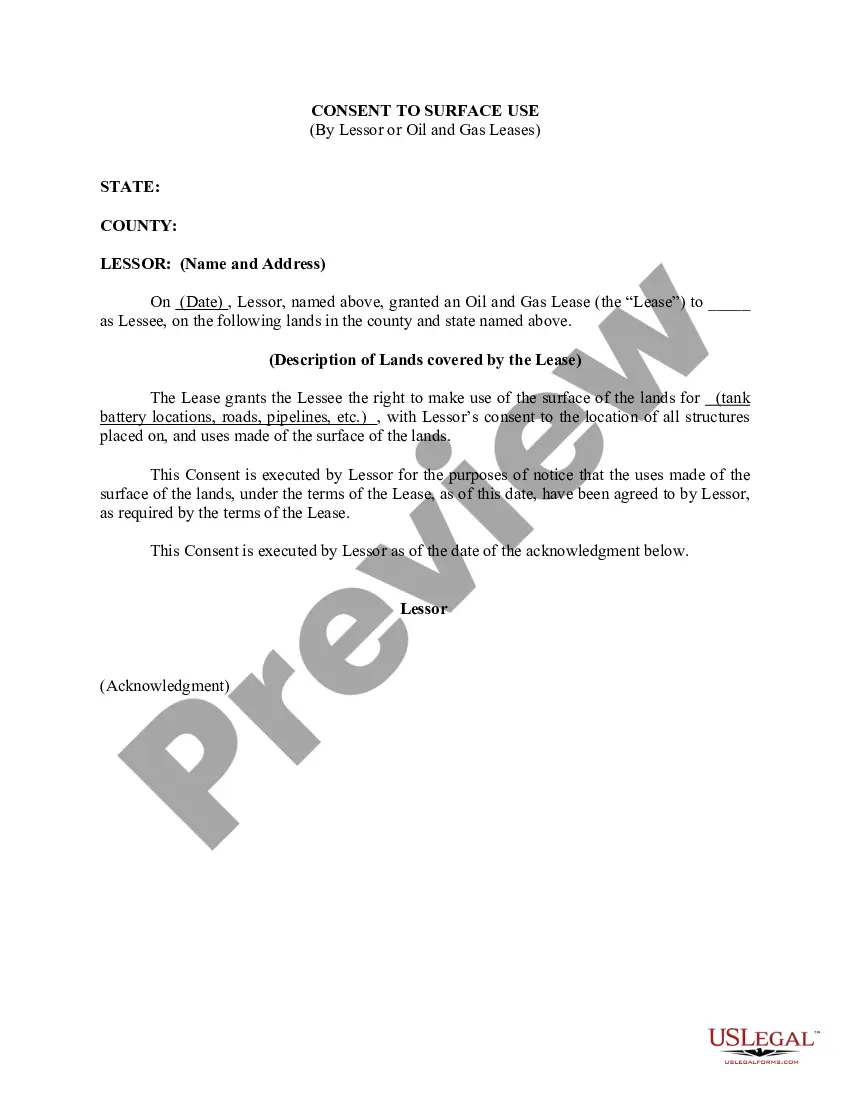
Given under my hand and seal of office this __________ day of __________, (year). This instrument was acknowledged before me on (date) by (name or names of person or persons acknowledging).
No, they are not the same. Acknowledgement refers to the act of someone declaring a signature as their own in front of a notary. On the other hand, notarization encompasses a broader range of actions.
This verbiage typically includes attestations confirming the signer's identity and willingness. It may also involve jurats, where the signer swears to the truthfulness of the content. Key components of notarization verbiage include: Acknowledgments: Statements confirming the signer's voluntary action without duress.
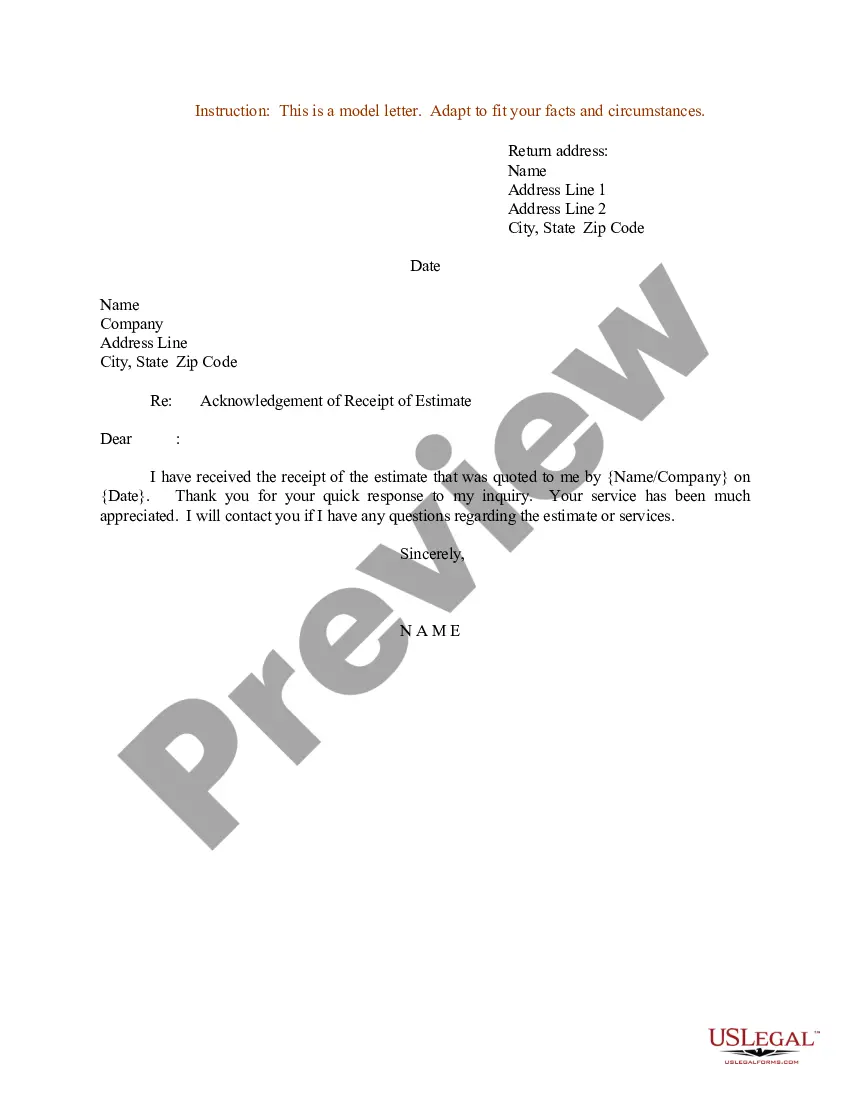
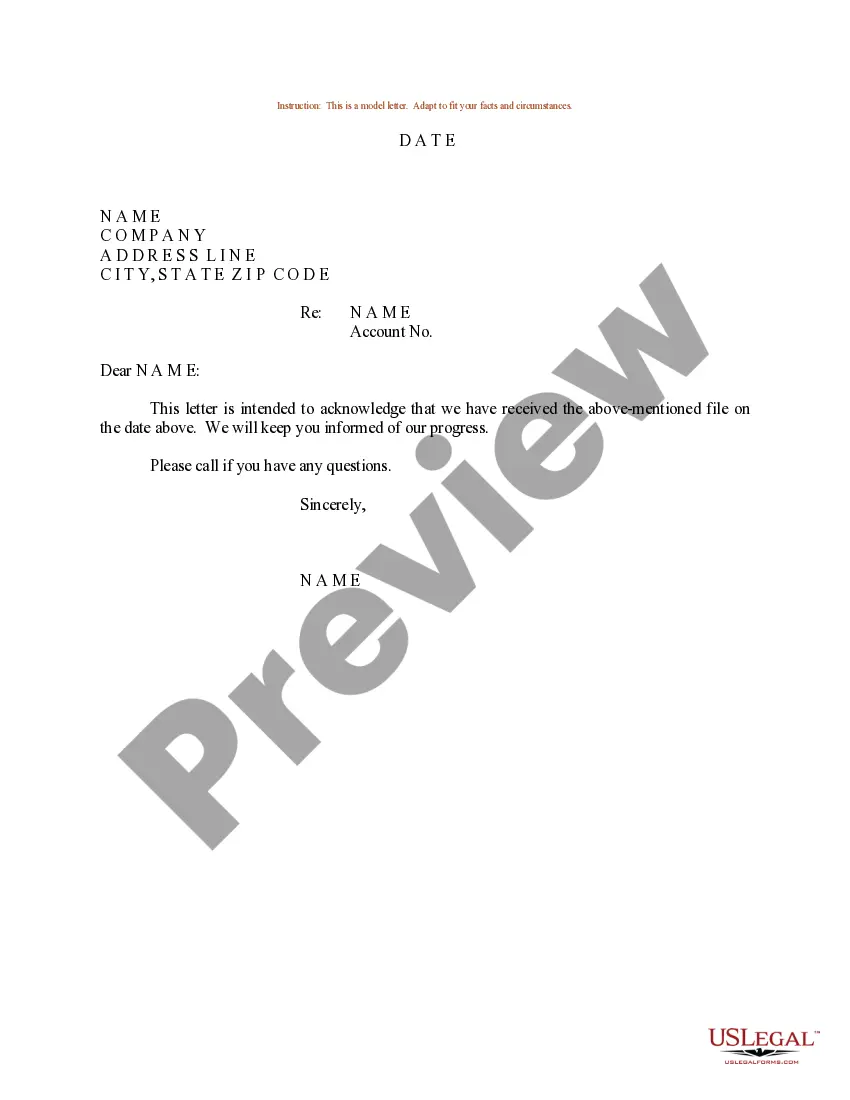
Your acknowledgment receipt should contain the names of the issuing party and the person receiving the document. A description, with the name of each document being issued, date of the issue and the purpose of the document should be clear.
The purpose of an acknowledgment is for a signer, whose identity has been verified, to declare to a Notary or notarial officer that he or she has willingly signed a document.
The certificate attached to the executed instrument is also commonly referred to as an acknowledgment. An acknowledgment is made before a duly authorized officer. Although acknowledgments are typically taken by a notary public, most jurisdictions authorize several different officers to take acknowledgments.
