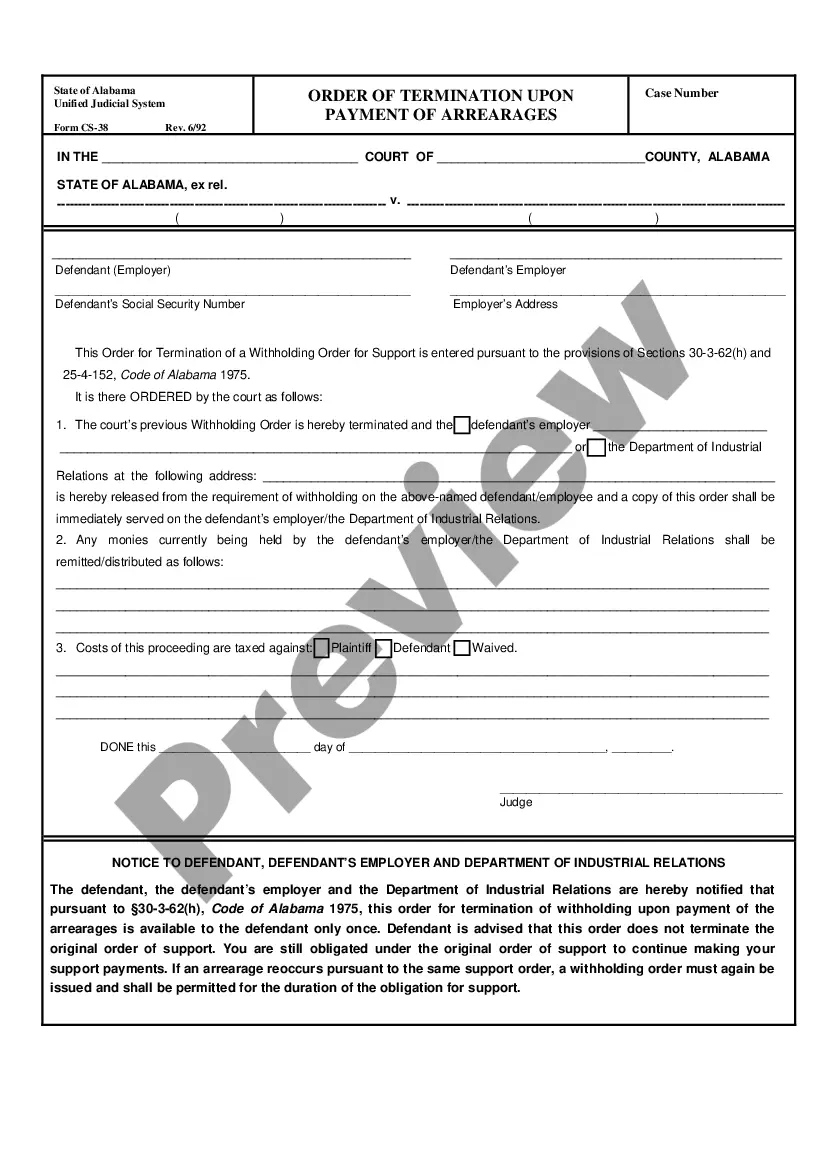
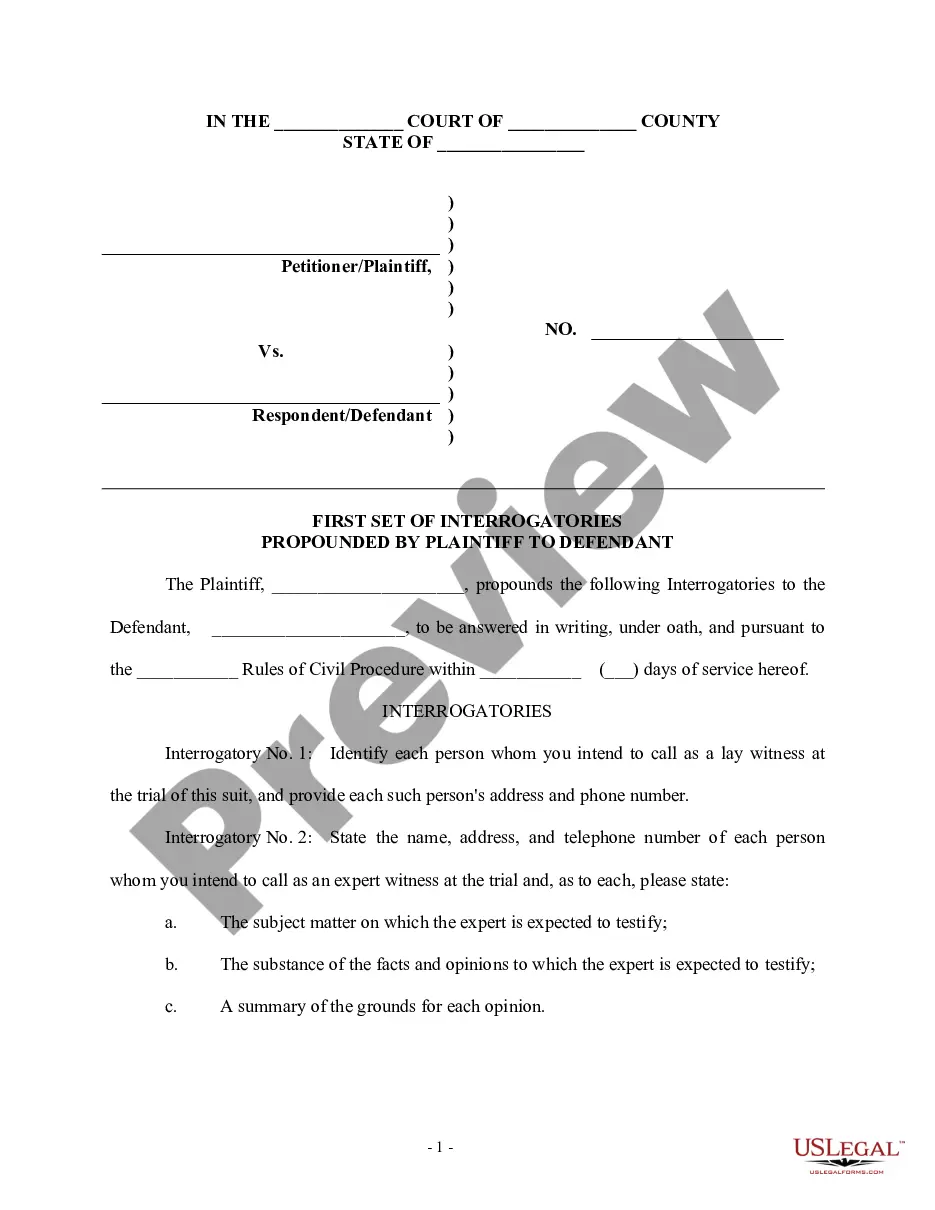
Notice Discovery Template With Time In Riverside
Description

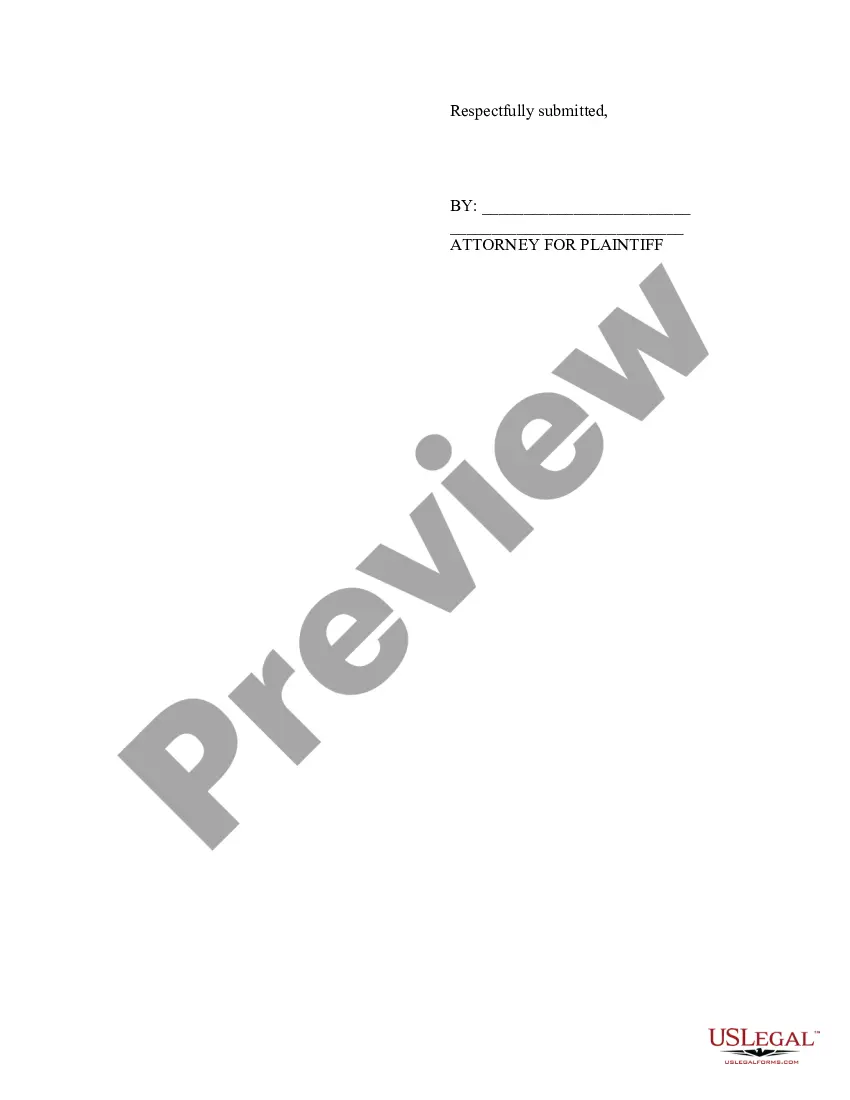

Get your form ready online
Our built-in tools help you complete, sign, share, and store your documents in one place.
Make edits, fill in missing information, and update formatting in US Legal Forms—just like you would in MS Word.
Download a copy, print it, send it by email, or mail it via USPS—whatever works best for your next step.
Sign and collect signatures with our SignNow integration. Send to multiple recipients, set reminders, and more. Go Premium to unlock E-Sign.
If this form requires notarization, complete it online through a secure video call—no need to meet a notary in person or wait for an appointment.
We protect your documents and personal data by following strict security and privacy standards.

Make edits, fill in missing information, and update formatting in US Legal Forms—just like you would in MS Word.

Download a copy, print it, send it by email, or mail it via USPS—whatever works best for your next step.

Sign and collect signatures with our SignNow integration. Send to multiple recipients, set reminders, and more. Go Premium to unlock E-Sign.

If this form requires notarization, complete it online through a secure video call—no need to meet a notary in person or wait for an appointment.

We protect your documents and personal data by following strict security and privacy standards.
Looking for another form?


Form popularity
FAQ
Rule 33 is amended to provide that an interrogatory is not objectionable merely because it calls for an opinion or contention that relates to fact or the application of law to fact.
In complex cases, the plaintiff must serve the summons, complaint, and notice of the initial Case Management Conference on all defendants no later than 30 days prior to the date by the Court for that initial conference. (RSC Local Rule 3160.)
Court Records Please visit the Riverside Superior Court's Public Access webpage to access available civil and criminal case information without visiting the courthouse. For public records searches outside Riverside County, visit the State of California website, or the county or state in which the events took place.
This rule is essentially forcing parties to try to settle issues in their case before going to trial. If Local Rule 5153 is not complied with, the Court will not allow your case to go forward until these procedures are met.
Local rules and internal operating procedures apply only in the individual courts which have adopted them. The U.S. Circuit Courts of Appeal sometimes replace specific Federal Rules of Appellate Procedure with their own local variants.
Riverside Superior Court Local Rule 3116 provides: Unless otherwise specified in the Order to Show Cause, any response in opposition to an Order to Show Case (a) shall be in the form of a written declaration and (b) shall be filed no less than four court days before the hearing on the Order to Show Cause.
Summary Judgment. (a) Motion for Summary Judgment or Partial Summary Judgment. A party may move for summary judgment, identifying each claim or defense — or the part of each claim or defense — on which summary judgment is sought.
Comply with Local Rule 3116, which provides that a written response to any OSC be filed with the Court at least 5 days in advance of the hearing (although the Court encourages filing any response at least 10 days in advance of the OSC where possible).
Business casual, somewhere between formal and casual, is the suggested look for a courtroom. Examples of formal wear would be a long dress or tuxedo, while examples of casual wear would be jeans and a t-shirt.
Here are some tips: Professional attire: Dress in conservative, professional clothing. This typically means a suit or dress pants with a button-down shirt or blouse. Neutral colors: Stick to neutral colors such as black, navy, gray, or brown. Appropriate footwear: Wear closed-toe shoes such as dress shoes or flats.