Notice Discovery Template For School In Philadelphia
Description

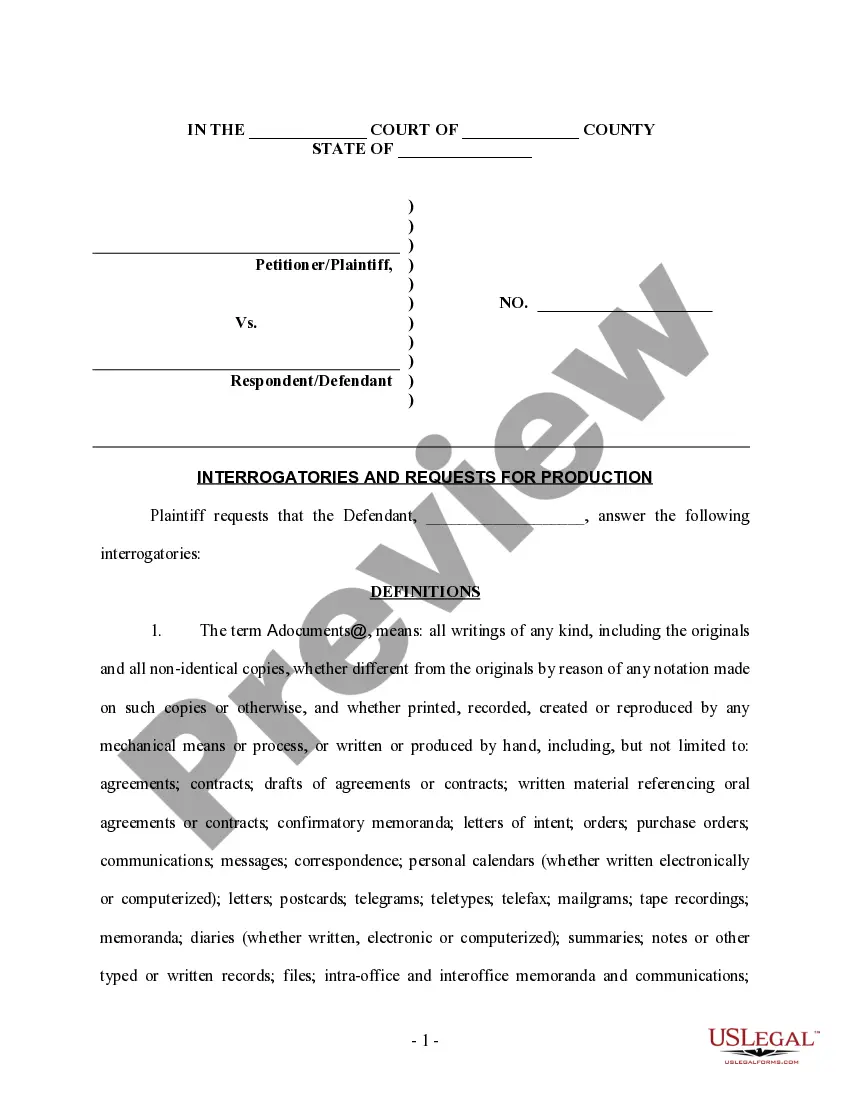
Get your form ready online
Our built-in tools help you complete, sign, share, and store your documents in one place.
Make edits, fill in missing information, and update formatting in US Legal Forms—just like you would in MS Word.
Download a copy, print it, send it by email, or mail it via USPS—whatever works best for your next step.
Sign and collect signatures with our SignNow integration. Send to multiple recipients, set reminders, and more. Go Premium to unlock E-Sign.
If this form requires notarization, complete it online through a secure video call—no need to meet a notary in person or wait for an appointment.
We protect your documents and personal data by following strict security and privacy standards.

Make edits, fill in missing information, and update formatting in US Legal Forms—just like you would in MS Word.

Download a copy, print it, send it by email, or mail it via USPS—whatever works best for your next step.

Sign and collect signatures with our SignNow integration. Send to multiple recipients, set reminders, and more. Go Premium to unlock E-Sign.

If this form requires notarization, complete it online through a secure video call—no need to meet a notary in person or wait for an appointment.

We protect your documents and personal data by following strict security and privacy standards.
Looking for another form?
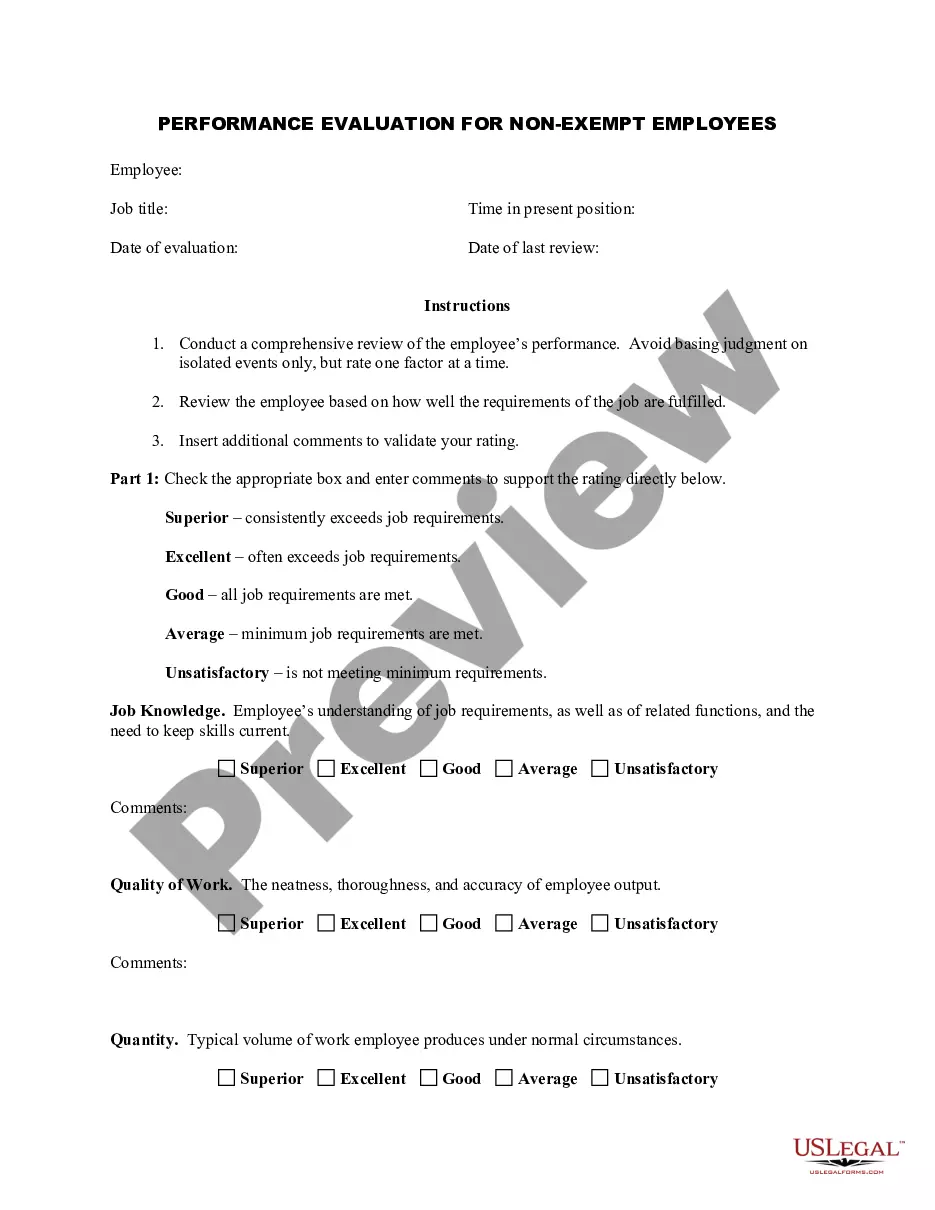
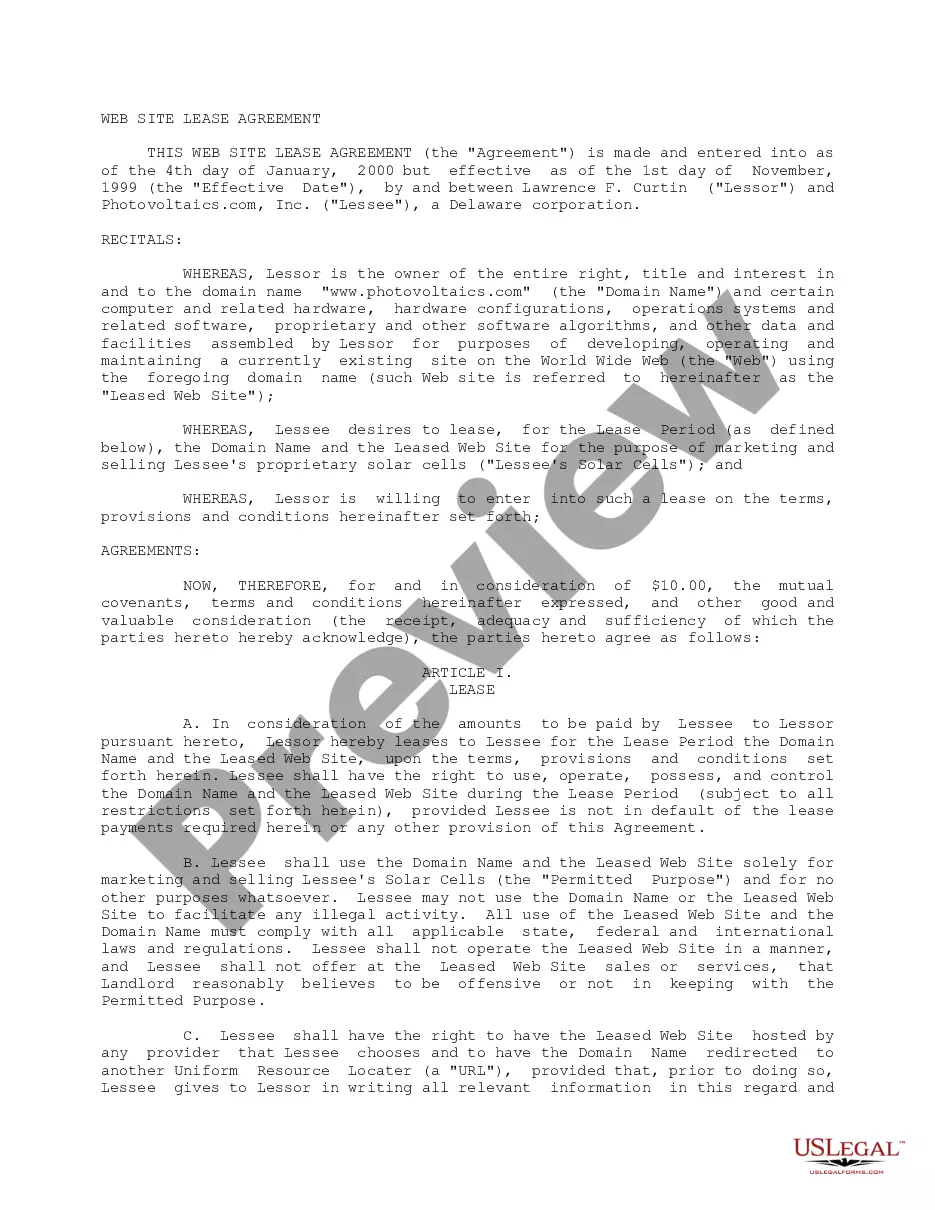
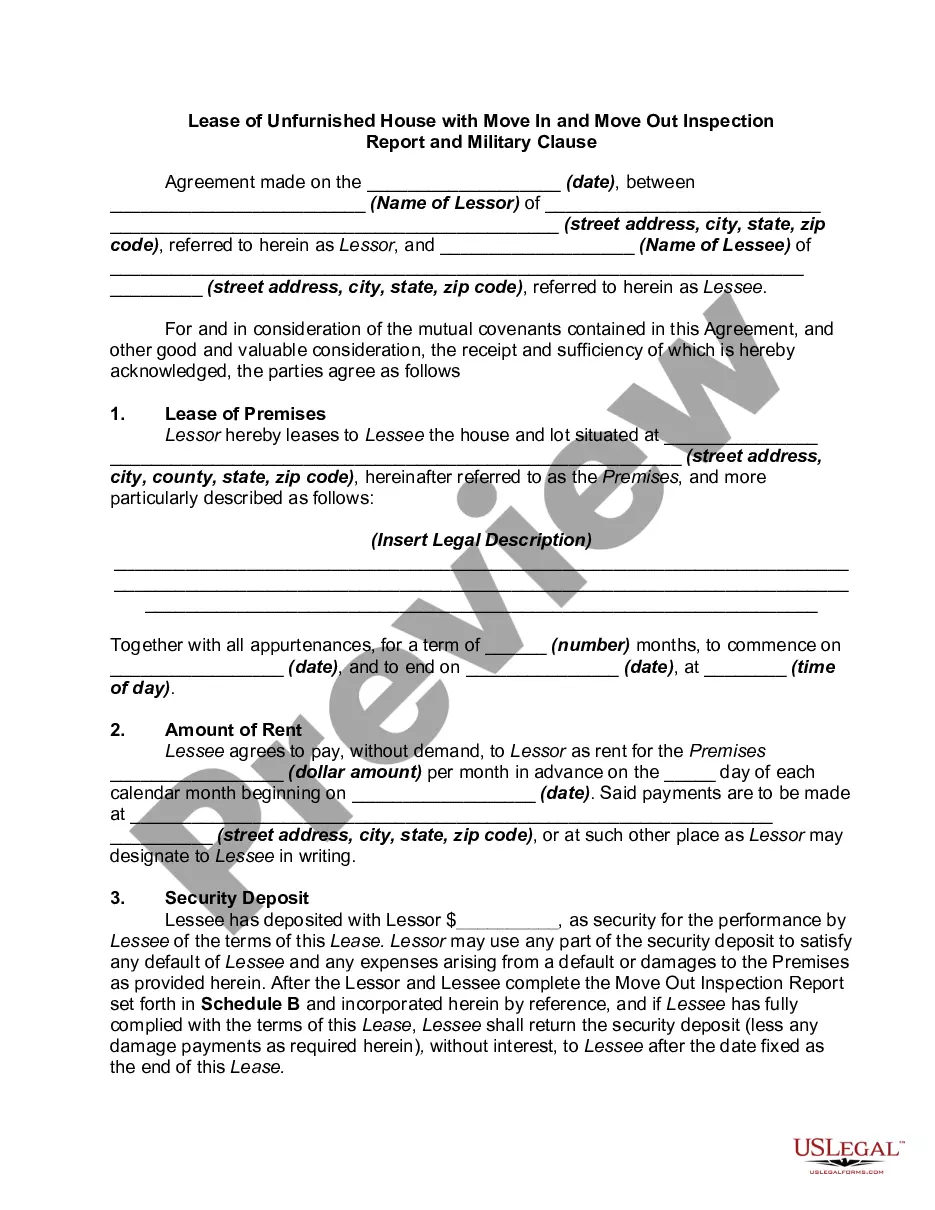

Form popularity
FAQ
The Nuisance Business Law was created to address the City's commitment to reducing chronic nuisance behaviors in and around businesses to improve the health, safety, and welfare of the community.
Rule 206.1 - Petition. Definition. Content. Form (a) As used in this chapter, "petition" means (1) an application to strike and/or open a default judgment or a judgment of non pros, and (2) any other application which is designated by local rule, numbered Local Rule 206.1(a), to be governed by Rule 206.1et seq.
Rule 2206 - Settlement, compromise, discontinuance and judgment (a) No action for wrongful death in which a minor or an incapacitated person has an interest shall be discontinued nor shall the interest of a minor or an incapacitated person in any such action or in a judgment for damages recovered therein be compromised ...
Rule 121 - Conduct Of Trial Evidence a. Except as prescribed by this Rule, the Rules of Evidence shall be applied in all trials.
Except as provided hereunder, all cases having an amount in controversy, exclusive of interest and costs, of $50,000 or less shall be assigned to the Compulsory Arbitration Program of the Court of Common Pleas of Philadelphia County.
(a) A discontinuance shall be the exclusive method of voluntary termination of an action, in whole or in part, by the plaintiff before commencement of the trial.
Rule 1037.2 - Judgments by Default-Assessment of Damages (A) In order for the Office of Judicial Records to assess damages pursuant to Pa. R.C.P. 1037(b)(1) upon default for failure to answer, a complaint in an action must pray for specific items and amounts.
If a Wrongful Death claim, brought for the benefit of the appropriate intestate heirs, is raised, Court approval of settlements shall be required only where a minor or incapacitated person has an interest.
A maximum of ten (10) days of cumulative lawful (excused) absences verified by parental notification may be permitted during a school year. All absences beyond ten (10) cumulative days may require an excuse from a physician.
Ing to Pennsylvania law, a child is truant if they have three or more unexcused absences during one year. A child is "habitually truant" if they have six or more unexcused absences in one school year. TIPS works with community-based agencies to help families get kids in school consistently and on time.