Notice Of Motion For Discovery In Orange
Description


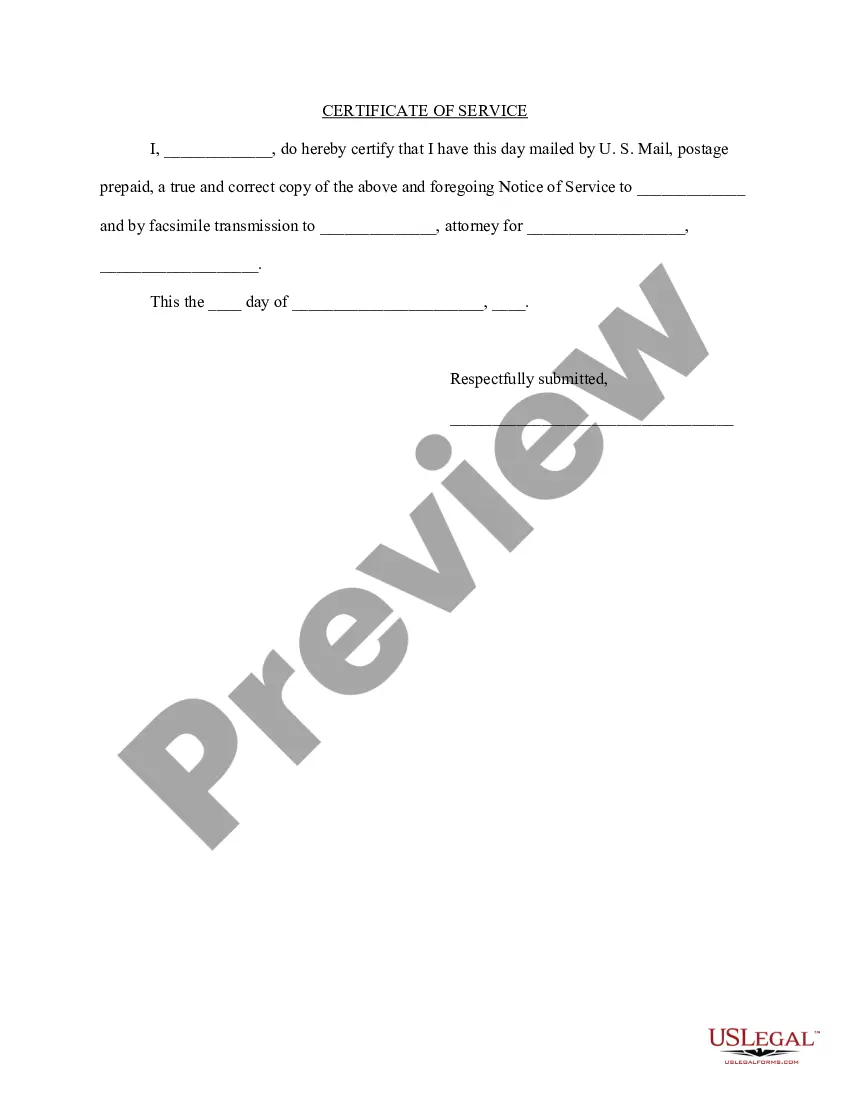
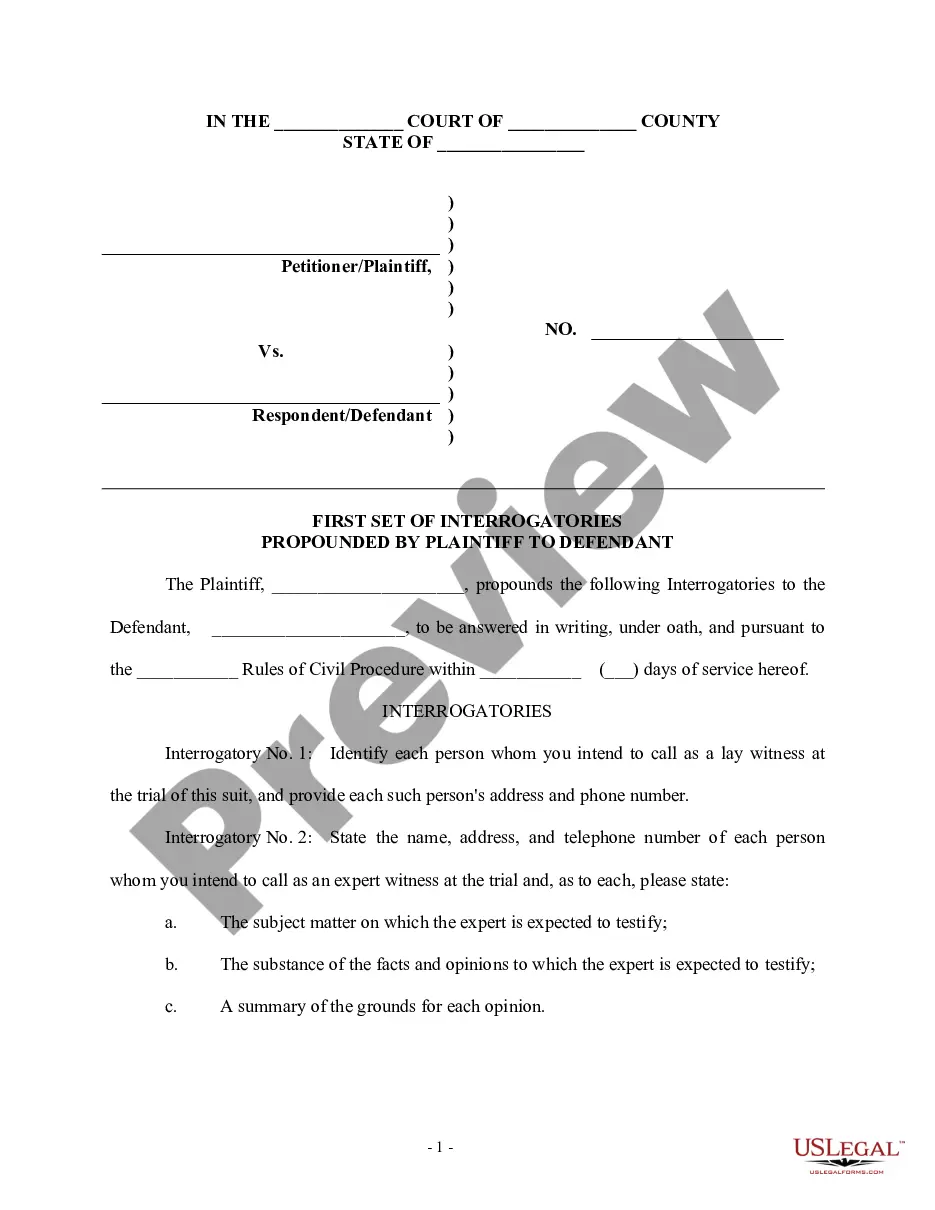
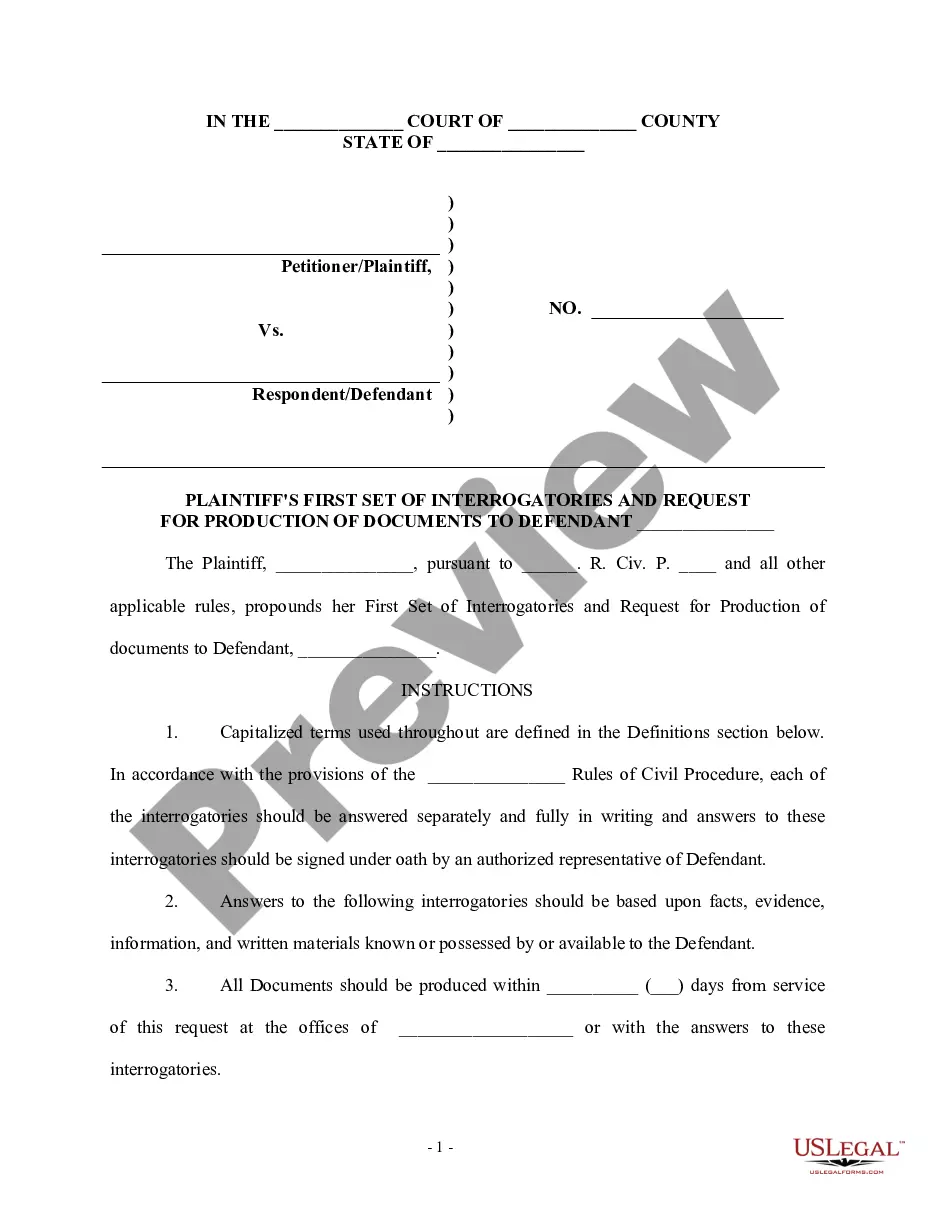
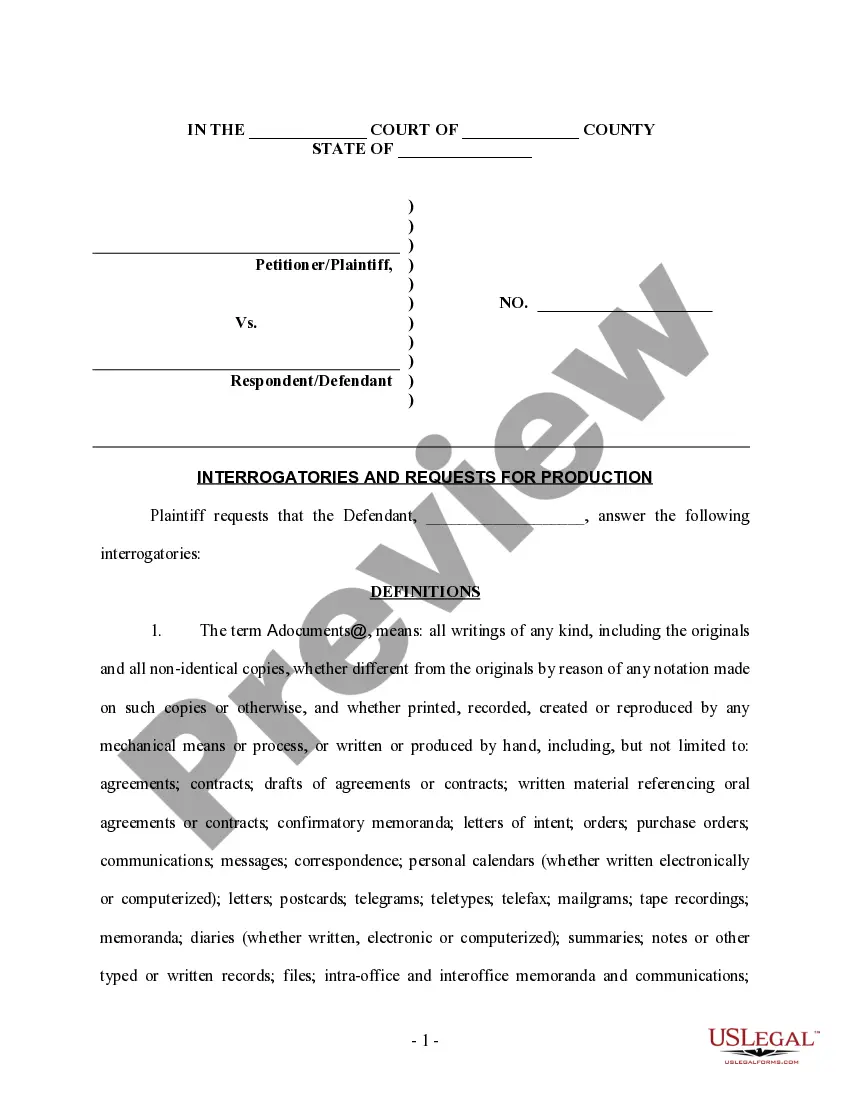
Get your form ready online
Our built-in tools help you complete, sign, share, and store your documents in one place.
Make edits, fill in missing information, and update formatting in US Legal Forms—just like you would in MS Word.
Download a copy, print it, send it by email, or mail it via USPS—whatever works best for your next step.
Sign and collect signatures with our SignNow integration. Send to multiple recipients, set reminders, and more. Go Premium to unlock E-Sign.
If this form requires notarization, complete it online through a secure video call—no need to meet a notary in person or wait for an appointment.
We protect your documents and personal data by following strict security and privacy standards.

Make edits, fill in missing information, and update formatting in US Legal Forms—just like you would in MS Word.

Download a copy, print it, send it by email, or mail it via USPS—whatever works best for your next step.

Sign and collect signatures with our SignNow integration. Send to multiple recipients, set reminders, and more. Go Premium to unlock E-Sign.

If this form requires notarization, complete it online through a secure video call—no need to meet a notary in person or wait for an appointment.

We protect your documents and personal data by following strict security and privacy standards.
Looking for another form?


Form popularity
FAQ
Moving the case to a different court Step 1: Get the forms. You need two forms. Step 2: Fill out and sign the notice of motion form. You can fill out the notice of motion and affidavit form in neat handwriting in blue or black pen. Step 3: Fill out and sign the Affidavit. Step 4: File the forms at court.
YOU NEED TO CHANGE COURTS? To move your case to another court, you must make a “Motion to Change Venue” in writing, and file one copy with the Court where your case is currently located and another copy with the Department of Homeland Security.
Change Of Venue. Section 1404(a) of Title 28 provides that: "for the convenience of parties and witnesses, in the interest of justice, a district may transfer any civil action to any other district where it might have been brought." Any party, including plaintiff, may move for a transfer under 28 U.S.C.
Mandatory Settlement Conference (MSC) is governed by California Rule of Court 3.1380, and local court rules. At an MSC, parties meet with a neutral person, usually a judge, to clarify the issues and discuss the possibility of settling the case before trial.
Requesting a Change of Venue in Immigration Court. In your request for a change of venue, you must provide the date and time of the next hearing in your case. You also must review your Notice to Appear carefully and make sure that you respond to each of the allegations in it.
How Long Does it Take to Get Discovery in a Criminal Case? Generally, the prosecution must provide discovery within a set period after the defense's formal request, often ranging from a few weeks to several months.
More complex lawsuits may require the parties to collect and analyze substantial evidence or depose numerous witnesses. In this case, the discovery process may last several months or even longer than a year.
The length of the discovery process depends on the facts of the case and the amount of evidence that has to be reviewed. Since both sides are required to submit their evidence to their opponents for review, it could take weeks or months for the lawyers on both sides to go over all of the documentation.
In their Motion to Stay, Plaintiffs move to stay all proceedings, including discovery, until the issue of remand and federal question jurisdiction has been resolved.
Those reasons include a court's crowded docket (which at one time was getting better, but progress was derailed by COVID-19 and is now worse than ever), the limited number of available judges, budgetary constraints, pre-trial challenges regarding the sufficiency of the complaint or the validity of the cause of action, ...