Notification With Service Worker In Houston
Description

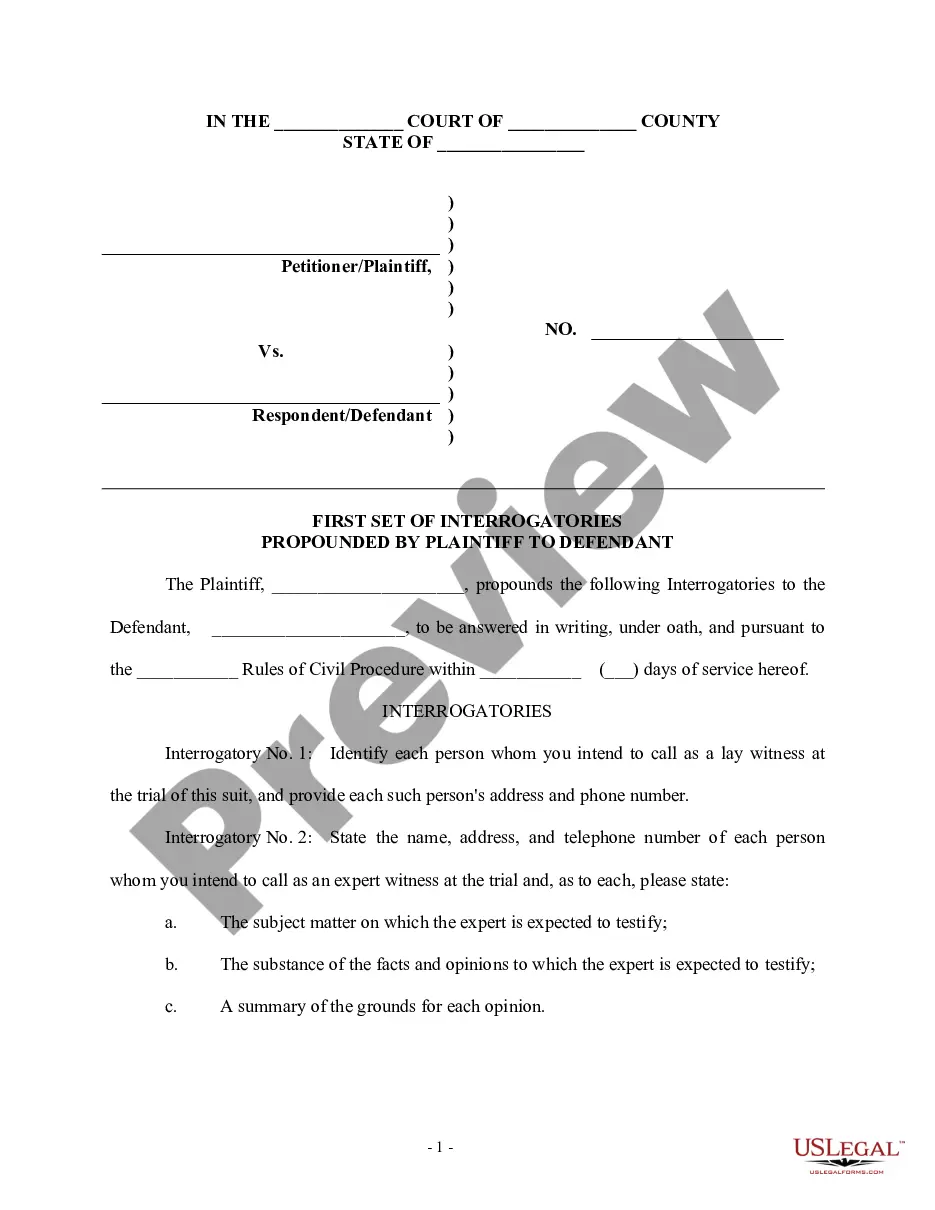

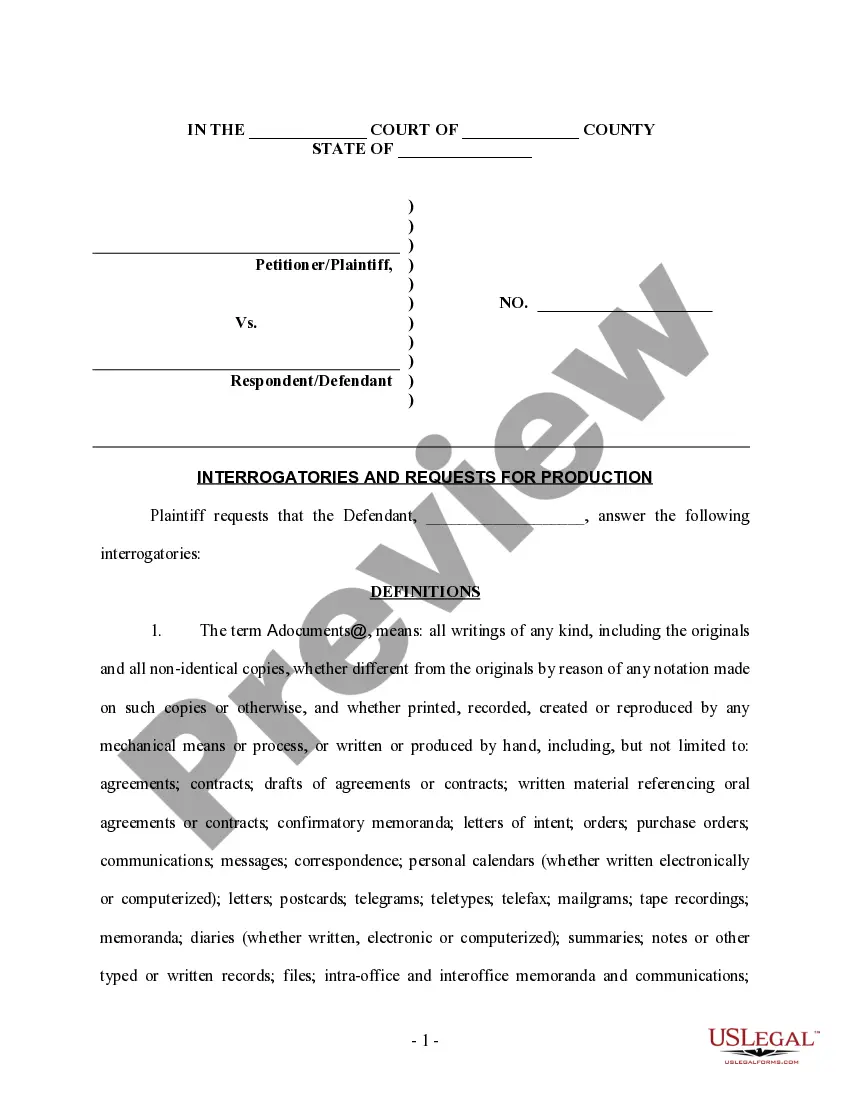
Get your form ready online
Our built-in tools help you complete, sign, share, and store your documents in one place.
Make edits, fill in missing information, and update formatting in US Legal Forms—just like you would in MS Word.
Download a copy, print it, send it by email, or mail it via USPS—whatever works best for your next step.
Sign and collect signatures with our SignNow integration. Send to multiple recipients, set reminders, and more. Go Premium to unlock E-Sign.
If this form requires notarization, complete it online through a secure video call—no need to meet a notary in person or wait for an appointment.
We protect your documents and personal data by following strict security and privacy standards.

Make edits, fill in missing information, and update formatting in US Legal Forms—just like you would in MS Word.

Download a copy, print it, send it by email, or mail it via USPS—whatever works best for your next step.

Sign and collect signatures with our SignNow integration. Send to multiple recipients, set reminders, and more. Go Premium to unlock E-Sign.

If this form requires notarization, complete it online through a secure video call—no need to meet a notary in person or wait for an appointment.

We protect your documents and personal data by following strict security and privacy standards.
Looking for another form?



Form popularity
FAQ
Service workers are enabled by default in all modern browsers. To run code using service workers, you'll need to serve your code via HTTPS — Service workers are restricted to running across HTTPS for security reasons. A server supporting HTTPS is necessary.
Your application server sends the content of a notification and device s to your push notification service API. Once the server has sent the request to the push notification service, the service sends the notification to your users' devices.
Sending web push notifications in web apps and browsers Enable push notifications for your webpage or web app. Prepare your server to send push notifications. Send your notification request to the recipient's endpoint. Display badge counts for your web app. Review responses for push notification errors.
Handle notifications in the service worker Add the following code to the end of the file: // Show notification when received self. addEventListener('message', (event) => { let notification = event. data; self.
A service worker has a lifecycle that consists of three main phases: registration, installation, and activation. To update a service worker, you need to change its source code and trigger a new installation. This can be done by using a version number, a hash, or a timestamp in the service worker file name or URL.
Create a basic notification Declare the runtime permission. Set the notification content. Create a channel and set the importance. Set the notification's tap action. Show the notification. Add the reply button. Retrieve user input from the reply.
When a particular field on a record is updated (select a field of your choice within the record of any table you like), there should be a notification received in ServiceNow instance that can be seen under the bell icon on the top right of the home page banner saying that the field is updated.
To enable push notifications, the service worker uses PushManager. subscribe() to create a push subscription. In the call to PushManager. subscribe() , the service worker supplies the app's API key as an identifier.
To test your service worker locally, you need to use a local HTTPS server, such as the one provided by the Web Server for Chrome extension or the serve package for Node. js. This will allow you to access your web app on a local URL with a self-signed certificate, which is accepted by most browsers for testing purposes.
Your application server sends the content of a notification and device s to your push notification service API. Once the server has sent the request to the push notification service, the service sends the notification to your users' devices.