Notice Of Examination For Discovery Ontario In Fulton
Description

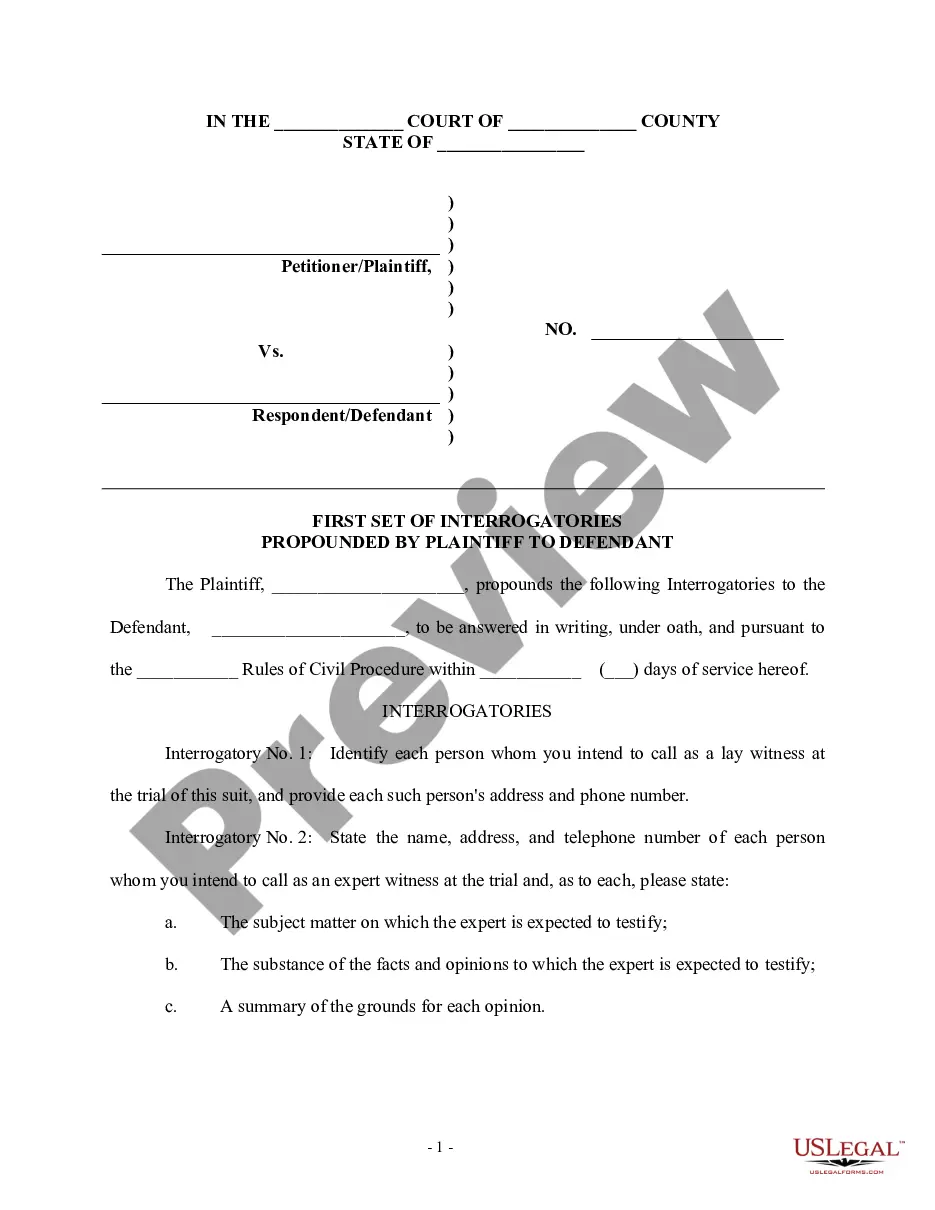
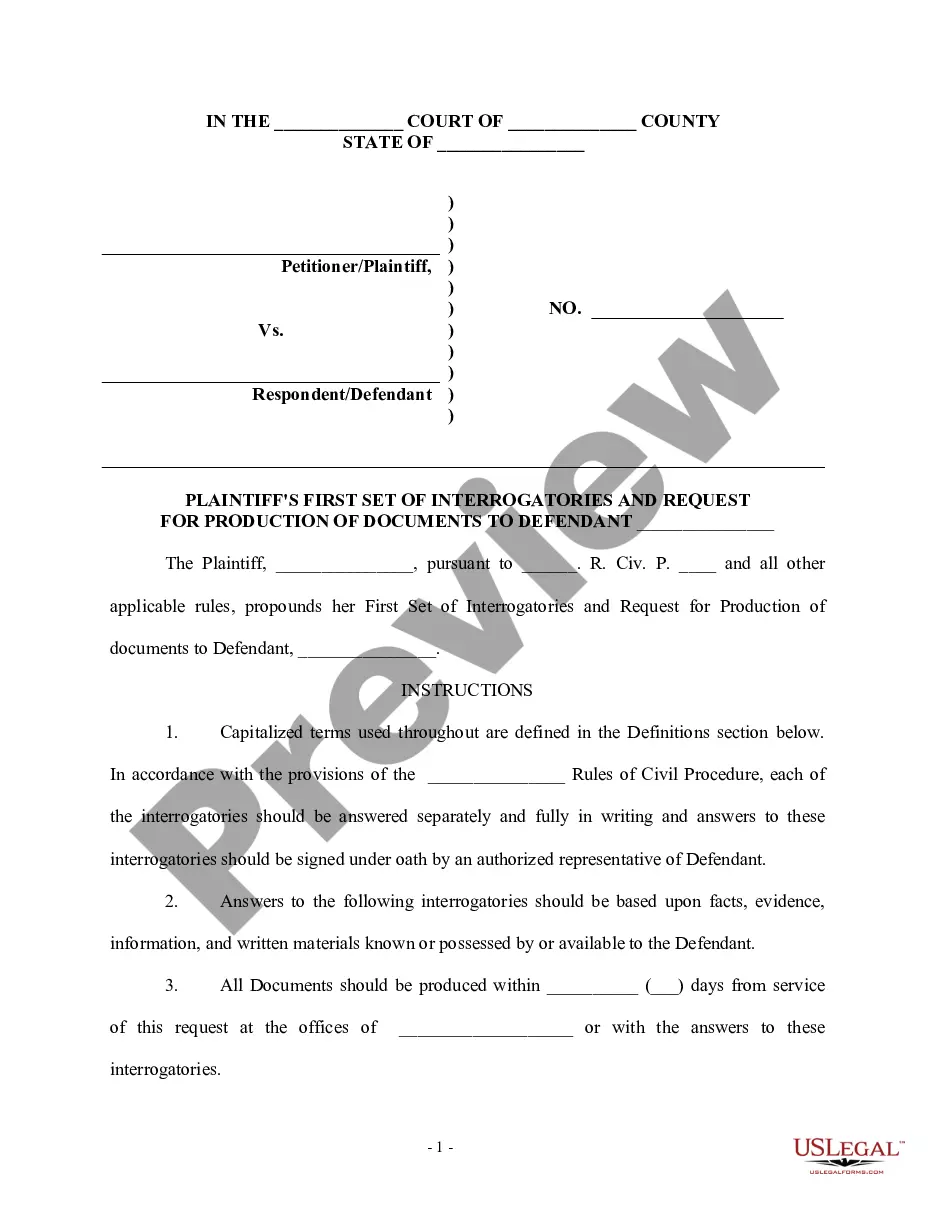
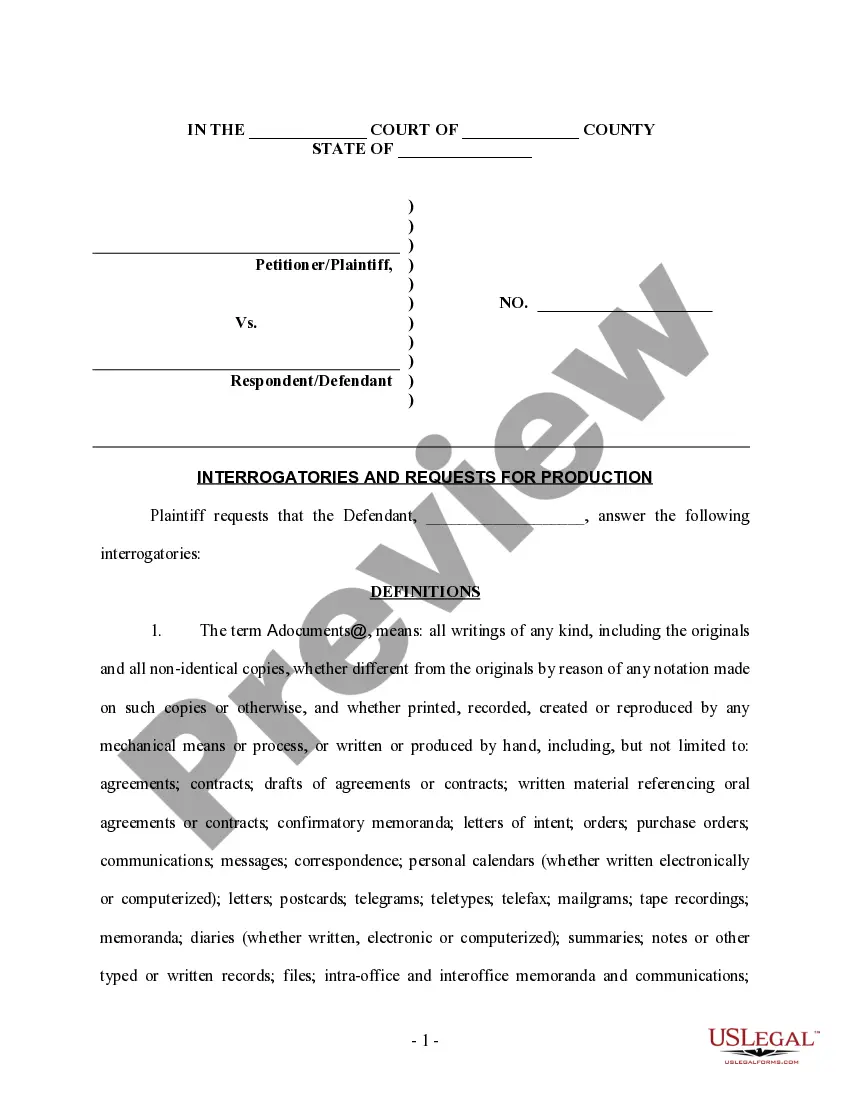
Get your form ready online
Our built-in tools help you complete, sign, share, and store your documents in one place.
Make edits, fill in missing information, and update formatting in US Legal Forms—just like you would in MS Word.
Download a copy, print it, send it by email, or mail it via USPS—whatever works best for your next step.
Sign and collect signatures with our SignNow integration. Send to multiple recipients, set reminders, and more. Go Premium to unlock E-Sign.
If this form requires notarization, complete it online through a secure video call—no need to meet a notary in person or wait for an appointment.
We protect your documents and personal data by following strict security and privacy standards.

Make edits, fill in missing information, and update formatting in US Legal Forms—just like you would in MS Word.

Download a copy, print it, send it by email, or mail it via USPS—whatever works best for your next step.

Sign and collect signatures with our SignNow integration. Send to multiple recipients, set reminders, and more. Go Premium to unlock E-Sign.

If this form requires notarization, complete it online through a secure video call—no need to meet a notary in person or wait for an appointment.

We protect your documents and personal data by following strict security and privacy standards.
Looking for another form?


Form popularity
FAQ
You serve the notice of examination on the debtor or other person to be examined at least 30 days before the hearing. If the debtor to be examined is an individual, you will also need to serve a blank Financial Information Form Form 20I. If the debtor is a business, no financial information form is required.
When a plaintiff wants to discontinue an action against a defendant before the close of pleadings in Ontario, they have the right to do so by serving a Notice of Discontinuance on all parties served with a statement of claim and filing the notice with proof of service in the registrar's office.
Form 34A Notice of Examination. (To be used only for a party to the proceeding, a person to be examined for discovery or in aid of execution on behalf or in place of a party or a person to be cross-examined on an affidavit. For the examination of any other person, use a summons to witness (Form 34B).)
Examination for discovery is the out-of-court examination (questioning) under oath of the parties to an action (lawsuit). Every party to the dispute is entitled to examine every other adverse (opposing) party.
But the usual cases will settle after intensive (and expensive) discovery is concluded, usually a few months before the actual trial, sometimes literally on the steps of the court house or in the first few days of trial if parties are willing to push the settlement envelope as far as they can.
Rule 29.1(2) sets out the timing for agreement to a discovery plan. Parties must agree to a discovery plan either 60 days after the close of pleadings (a longer period is permitted if agreed to by the parties) or before attempting to obtain evidence.
The mediation phase directly follows after discovery in a personal injury case. It allows an opportunity for both parties to reach an agreement and settle. The plaintiff and defendant will both agree on who should be the mediator before this process begins.
Discovery is a process by which the parties gather and exchange information that is important to the case. What is the Purpose of Discovery? The purpose of discovery is to provide parties the opportunity to gather evidence relevant to proving or defending the case.
Discoveries are a part of the Ontario Superior Court process, as established by the Rules of Civil Procedure (the “Rules”) and assist with understanding the other parties' positions and evidence. Discoveries are a key step after pleadings have been delivered and before the trial can take place.