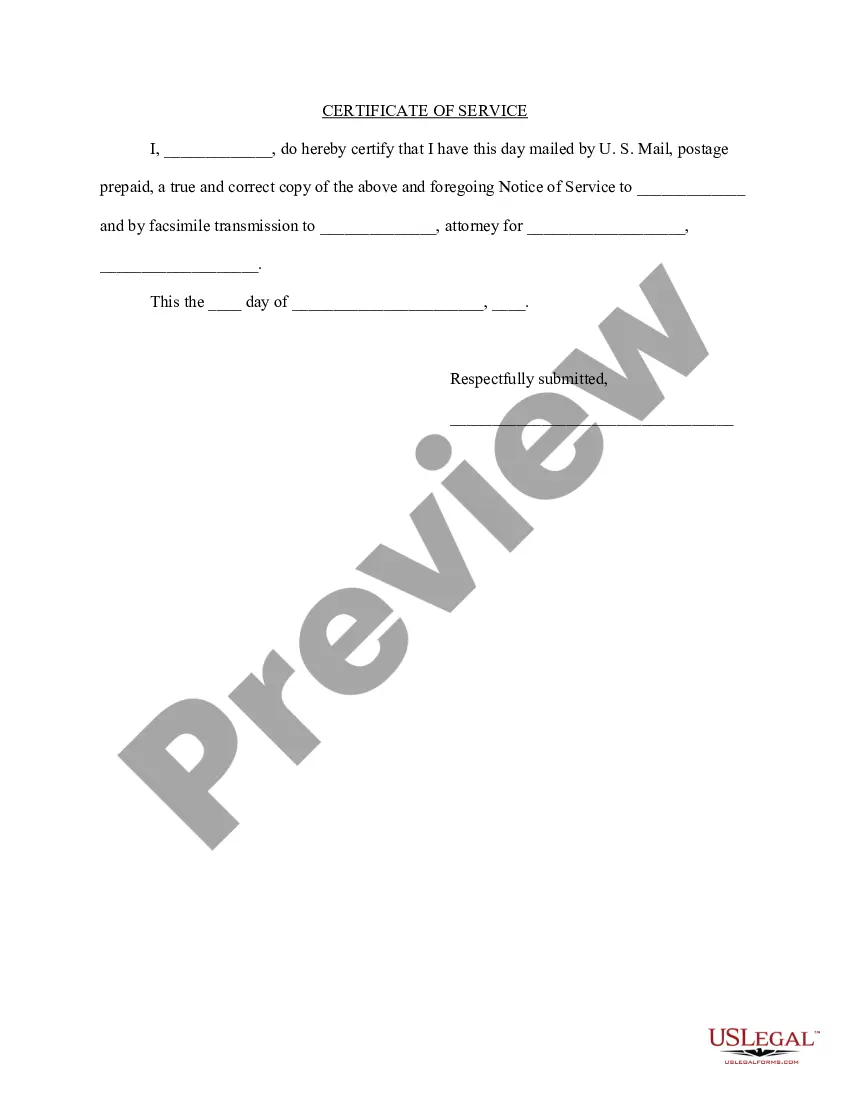
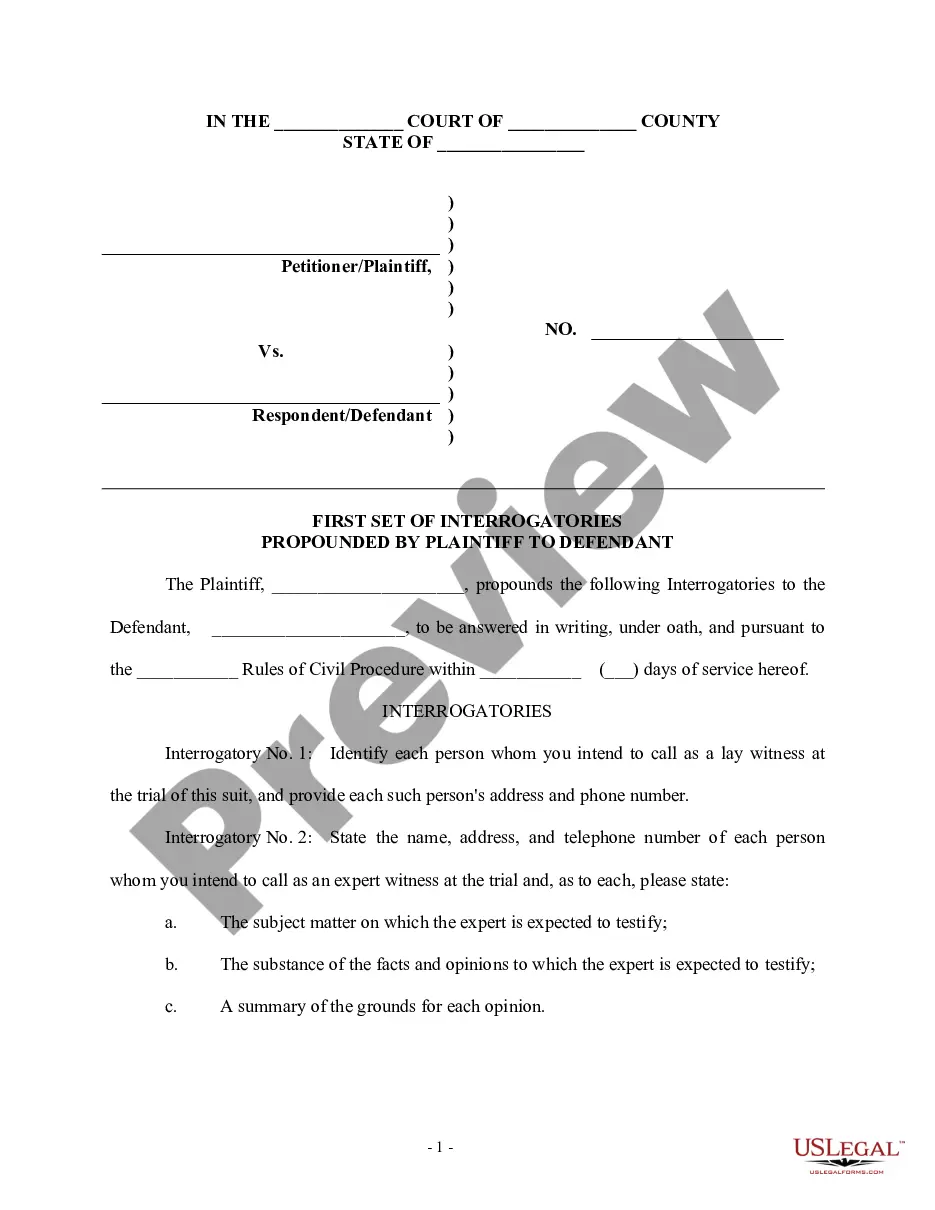
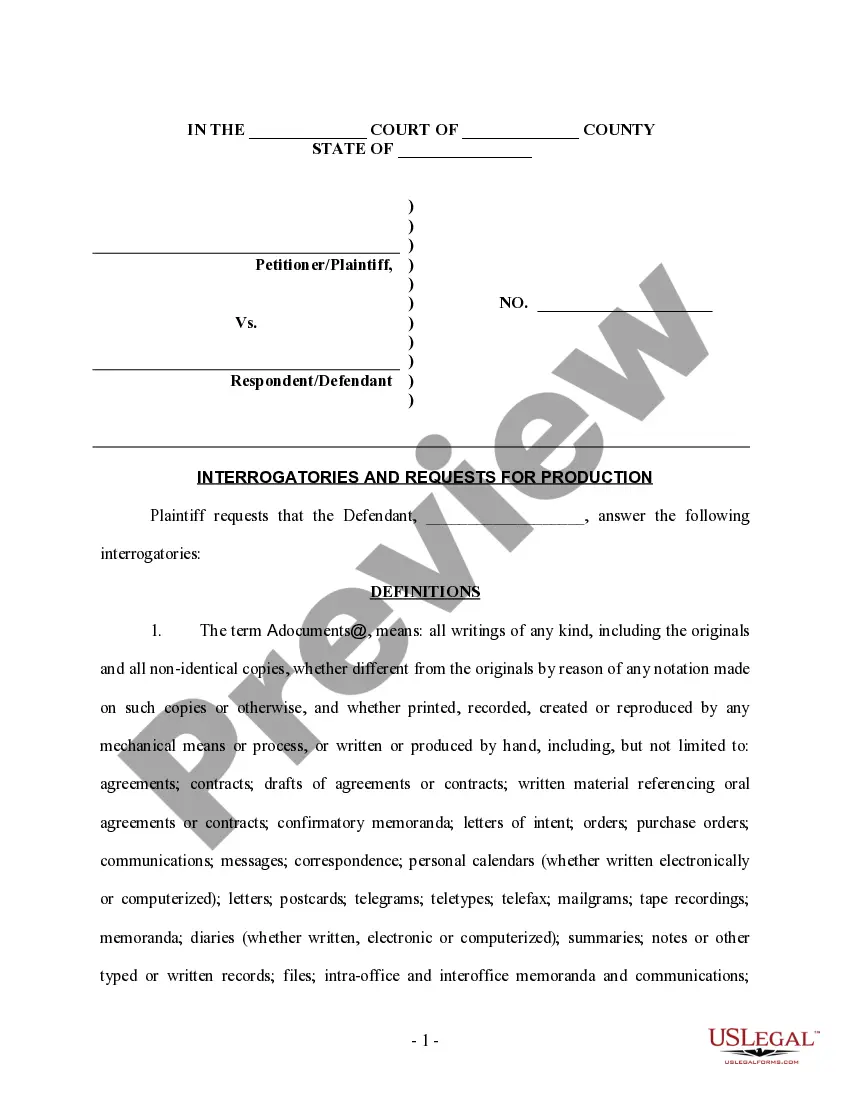
Proof Of Service For Discovery Requests In Florida
Description



Get your form ready online
Our built-in tools help you complete, sign, share, and store your documents in one place.
Make edits, fill in missing information, and update formatting in US Legal Forms—just like you would in MS Word.
Download a copy, print it, send it by email, or mail it via USPS—whatever works best for your next step.
Sign and collect signatures with our SignNow integration. Send to multiple recipients, set reminders, and more. Go Premium to unlock E-Sign.
If this form requires notarization, complete it online through a secure video call—no need to meet a notary in person or wait for an appointment.
We protect your documents and personal data by following strict security and privacy standards.

Make edits, fill in missing information, and update formatting in US Legal Forms—just like you would in MS Word.

Download a copy, print it, send it by email, or mail it via USPS—whatever works best for your next step.

Sign and collect signatures with our SignNow integration. Send to multiple recipients, set reminders, and more. Go Premium to unlock E-Sign.

If this form requires notarization, complete it online through a secure video call—no need to meet a notary in person or wait for an appointment.

We protect your documents and personal data by following strict security and privacy standards.
Looking for another form?
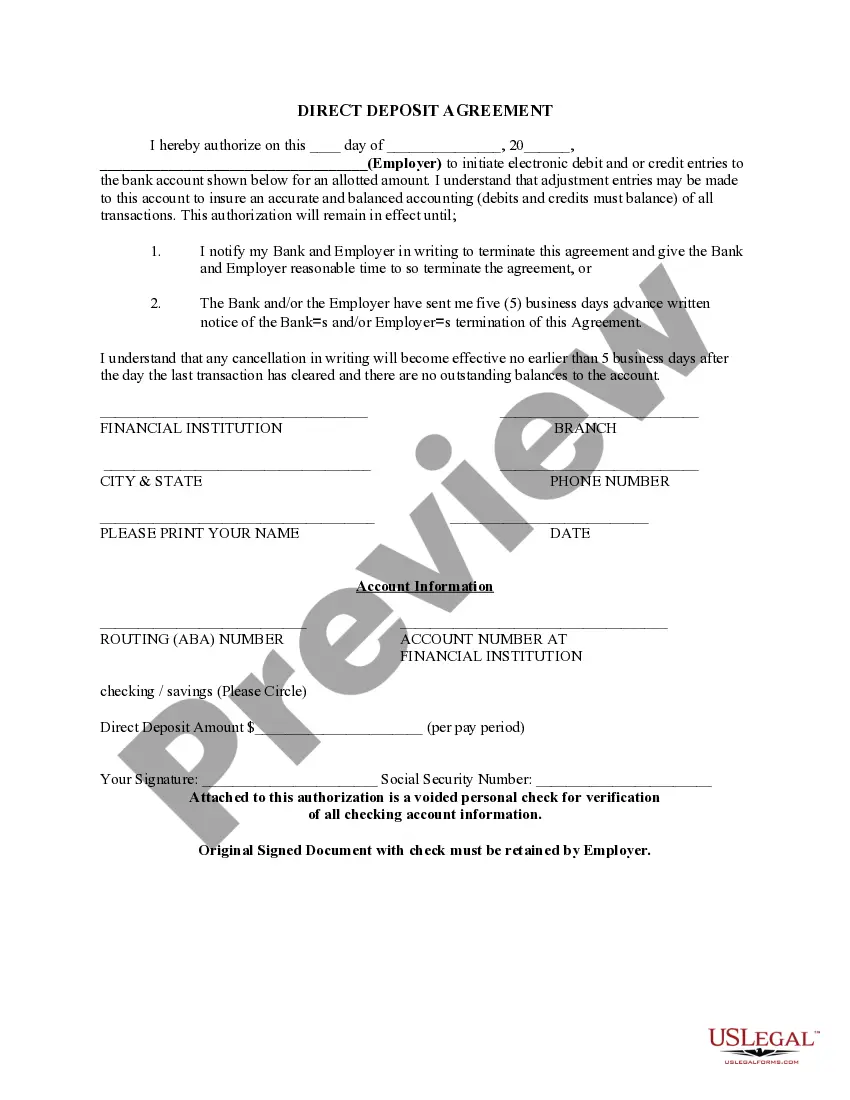
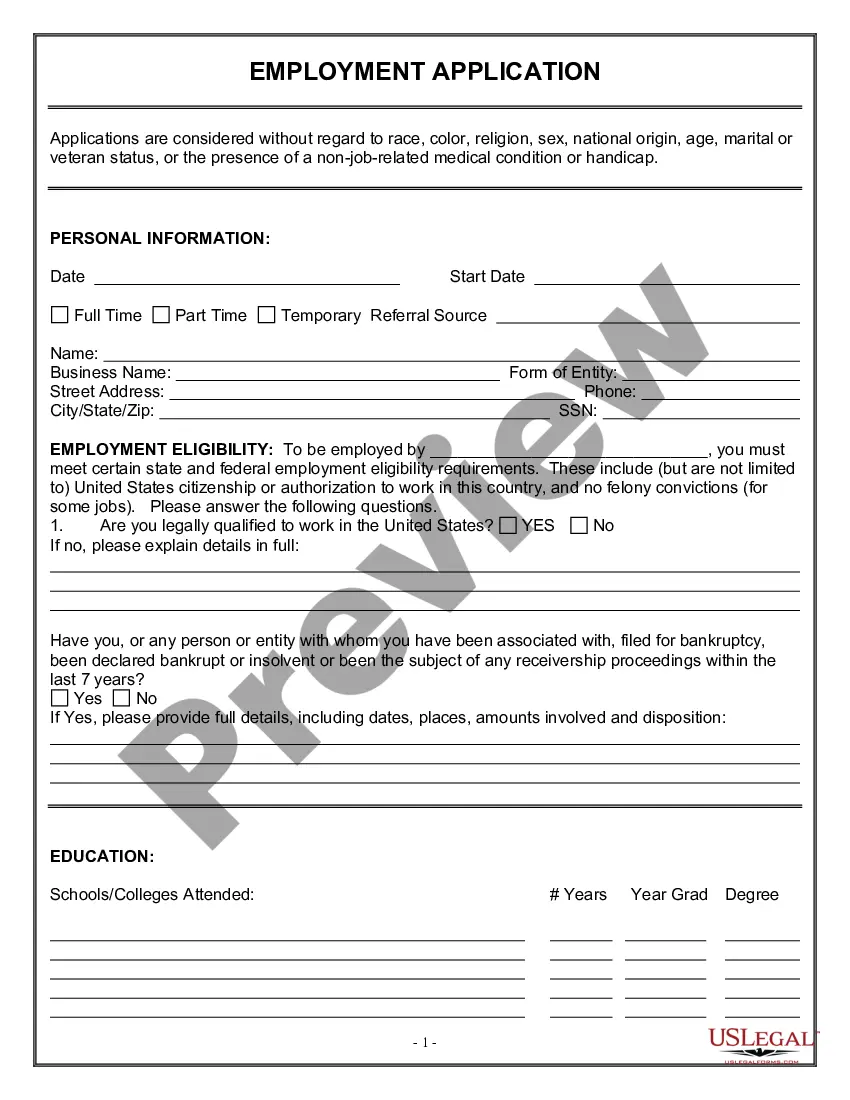

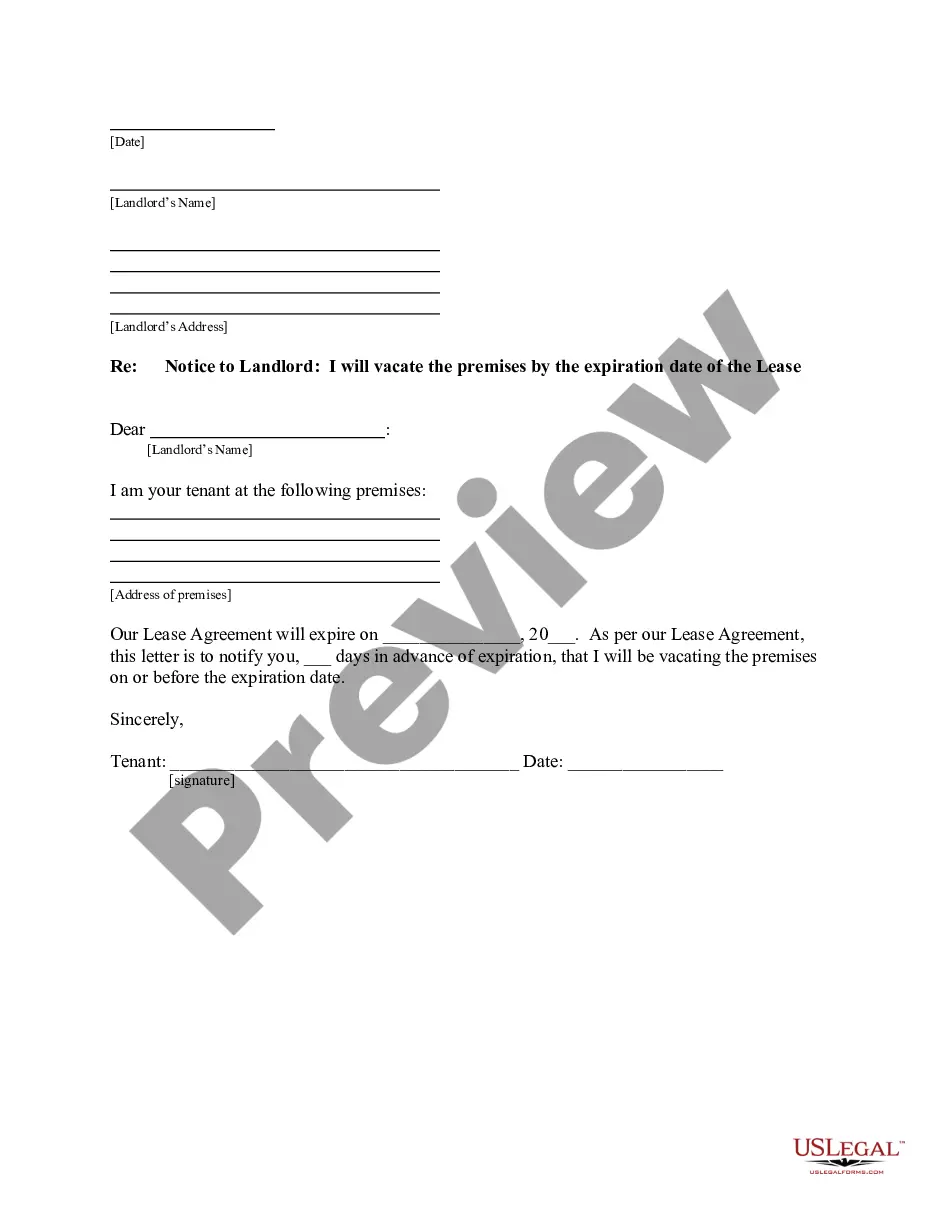
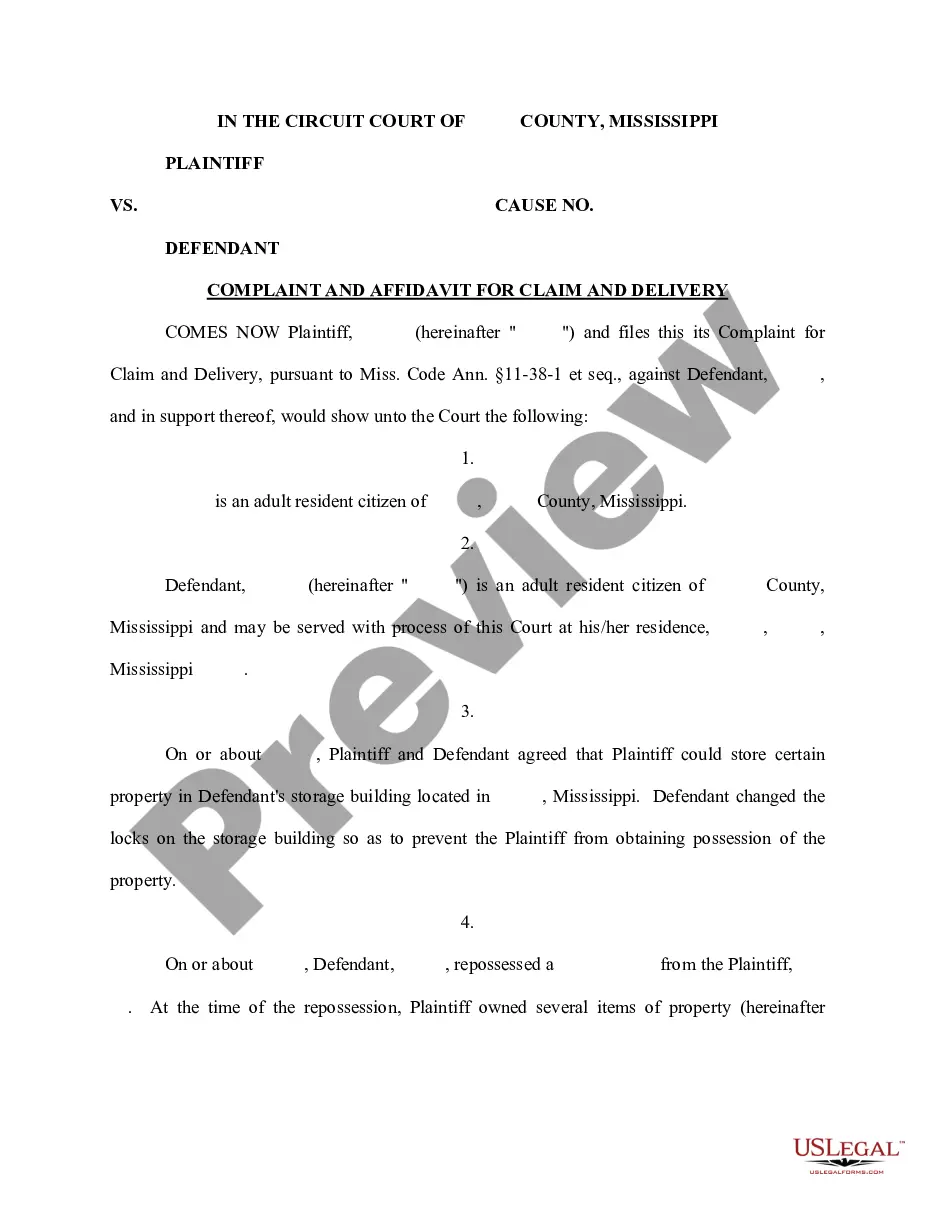
Form popularity
FAQ
Proof of service shall be by verified statement of the person giving the notice; and there shall be attached to the verified statement the signed receipt or other evidence satisfactory to the court that delivery was made to the addressee or the addressee's agent.
Formal notice must be served in the following manner: (A) by sending a copy by any commercial delivery service requiring a signed receipt or by any form of mail requiring a signed receipt; (B) as provided in the Florida Rules of Civil Procedure for service of process; (C) as otherwise provided by Florida law for ...
Proof of service shall be by verified statement of the person giving the notice; and there shall be attached to the verified statement the signed receipt or other evidence satisfactory to the court that delivery was made to the addressee or the addressee's agent.
For a certificate of service for discovery papers, such as written discovery requests and responses, see Form – Certificate of Service (Discovery). The Federal Rules of Civil Procedure state that no certificate of service is required when a paper is served by filing it with the court's electronic-filing (ECF) system.
Discovery materials are filed only in limited circumstances, including if ordered by the Court, if necessary to the presentation or defense of a motion, or if required by law or rule.
(1) Service by Electronic Mail (“e-mail”). All documents required or permitted to be served on another party must be served by e-mail, unless the parties otherwise stipulate or this rule otherwise provides.
(a) PROOF OF SERVICE. Within twenty-one days after service of a summons and complaint, a party must file proof of service. (b) APPLICATION FOR A DEFAULT. Within twenty-eight days after a party's failure to plead or otherwise defend, a party entitled to a default must apply for the default.
Under the rules, once charges have formally been filed, the State has a period of fifteen days to turn over their initial discovery submission.
Florida's statute of limitations for personal injury cases is generally two years from the date of the injury. However, the discovery rule allows for an exception: the statute of limitations may begin on the date you first discovered (or reasonably should have discovered) the injury.
DISCOVERY OBJECTIONS A. Boilerplate or General Objections The parties shall not make nonspecific, boilerplate objections. The parties also shall not make General Objections that are not tied to a particular discovery request. Such objections will be summarily overruled.