Notice Discovery Template With Formulas In Cook
Description

Get your form ready online
Our built-in tools help you complete, sign, share, and store your documents in one place.
Make edits, fill in missing information, and update formatting in US Legal Forms—just like you would in MS Word.
Download a copy, print it, send it by email, or mail it via USPS—whatever works best for your next step.
Sign and collect signatures with our SignNow integration. Send to multiple recipients, set reminders, and more. Go Premium to unlock E-Sign.
If this form requires notarization, complete it online through a secure video call—no need to meet a notary in person or wait for an appointment.
We protect your documents and personal data by following strict security and privacy standards.
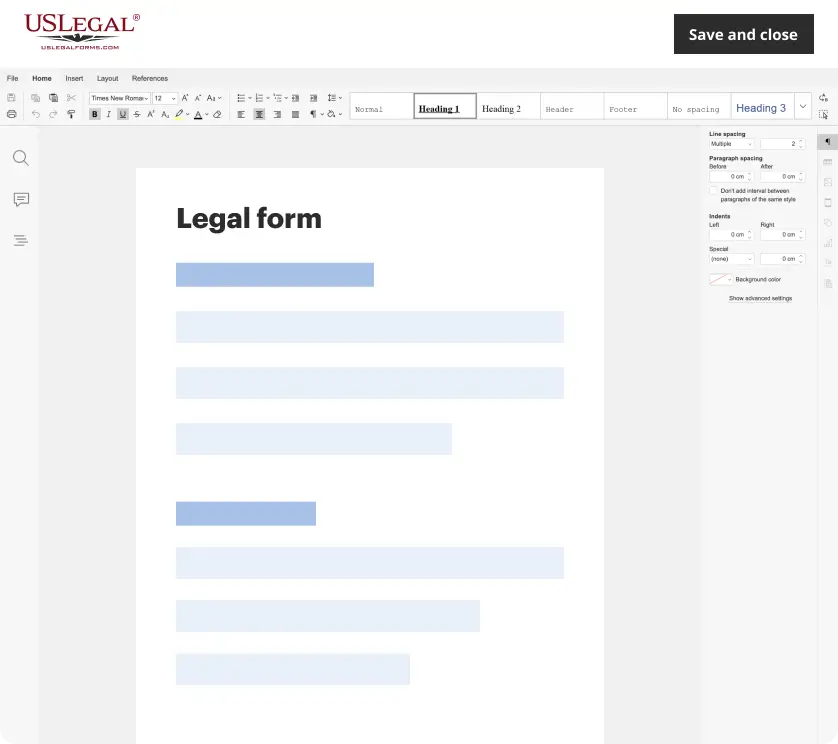
Make edits, fill in missing information, and update formatting in US Legal Forms—just like you would in MS Word.
Download a copy, print it, send it by email, or mail it via USPS—whatever works best for your next step.
Sign and collect signatures with our SignNow integration. Send to multiple recipients, set reminders, and more. Go Premium to unlock E-Sign.
If this form requires notarization, complete it online through a secure video call—no need to meet a notary in person or wait for an appointment.
We protect your documents and personal data by following strict security and privacy standards.
Looking for another form?






Form popularity
FAQ
Here are the steps to do so: Open the existing spreadsheet in Excel. Click on "File" in the top left corner of the screen. Click on "Save As" in the left-hand menu. In the "Save As" dialog box, select "Excel Template" from the "Save as type" dropdown menu. Give your template a name and choose a location to save it.
In the context of rebuttal experts, Rule 26(a)(2)(D) of the Federal Rules of Civil Procedure allows the evidence to be admitted if it “is intended solely to contradict or rebut evidence on the same subject matter,” and must be disclosed 30 days after the other party's disclosure.
In a formal discovery, you formally ask for information and documents. You can also ask other people for information. For example, you may need documents from your spouse's employer. They also must respond.
A Discovery Statement is a snapshot of how things currently are. For example, I've discovered that I procrastinate and end up doing my assignments at the last minute. Or, I've discovered that I really want A's in all my classes this semester.
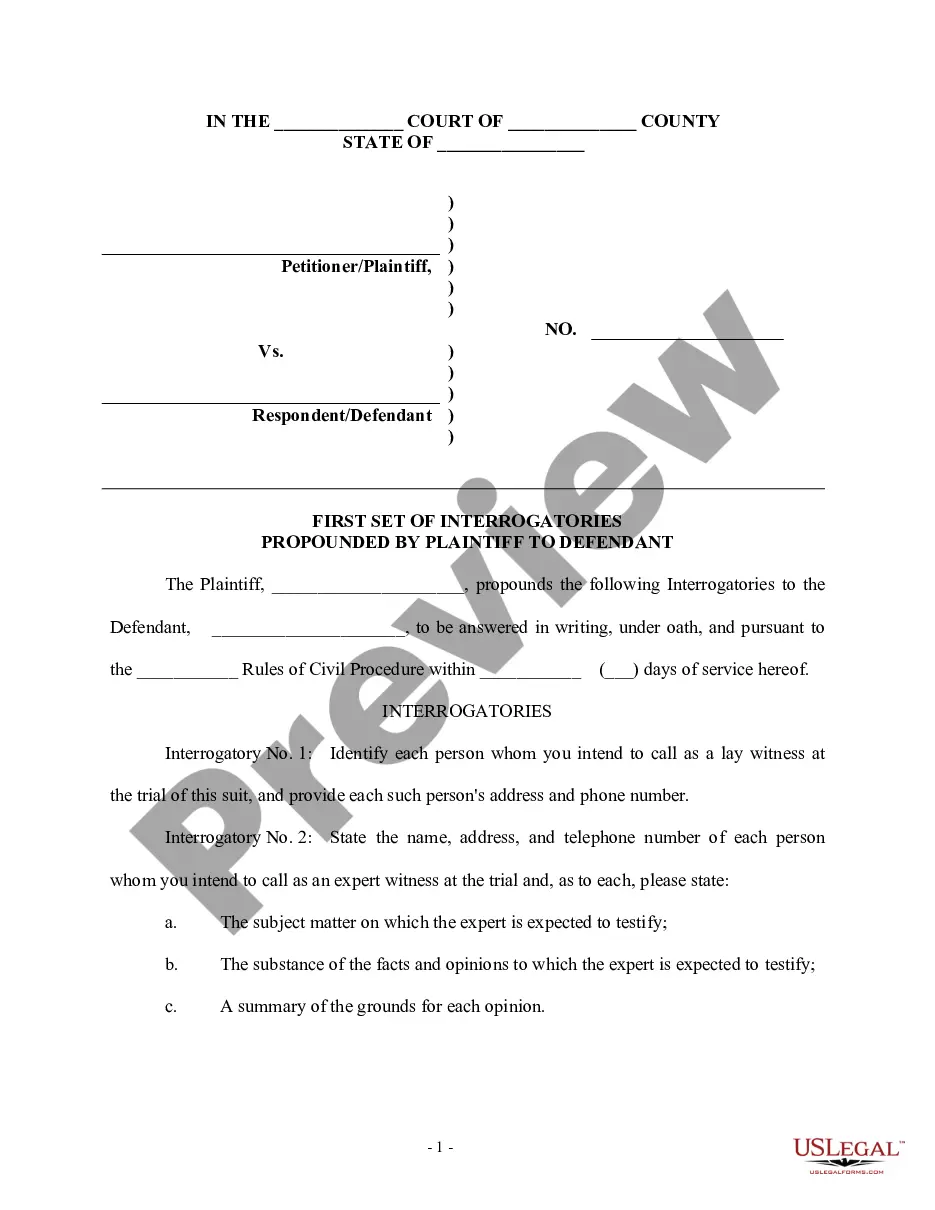
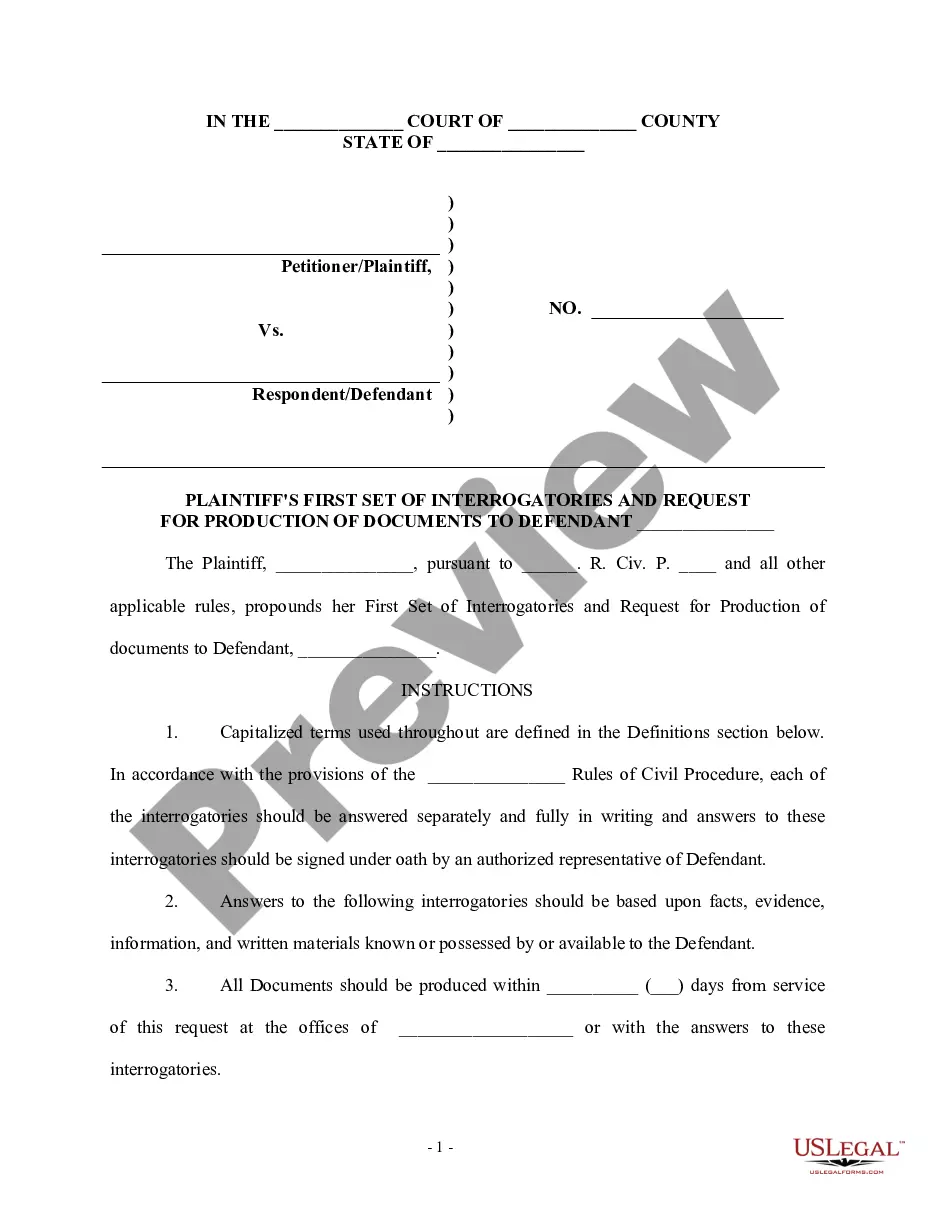
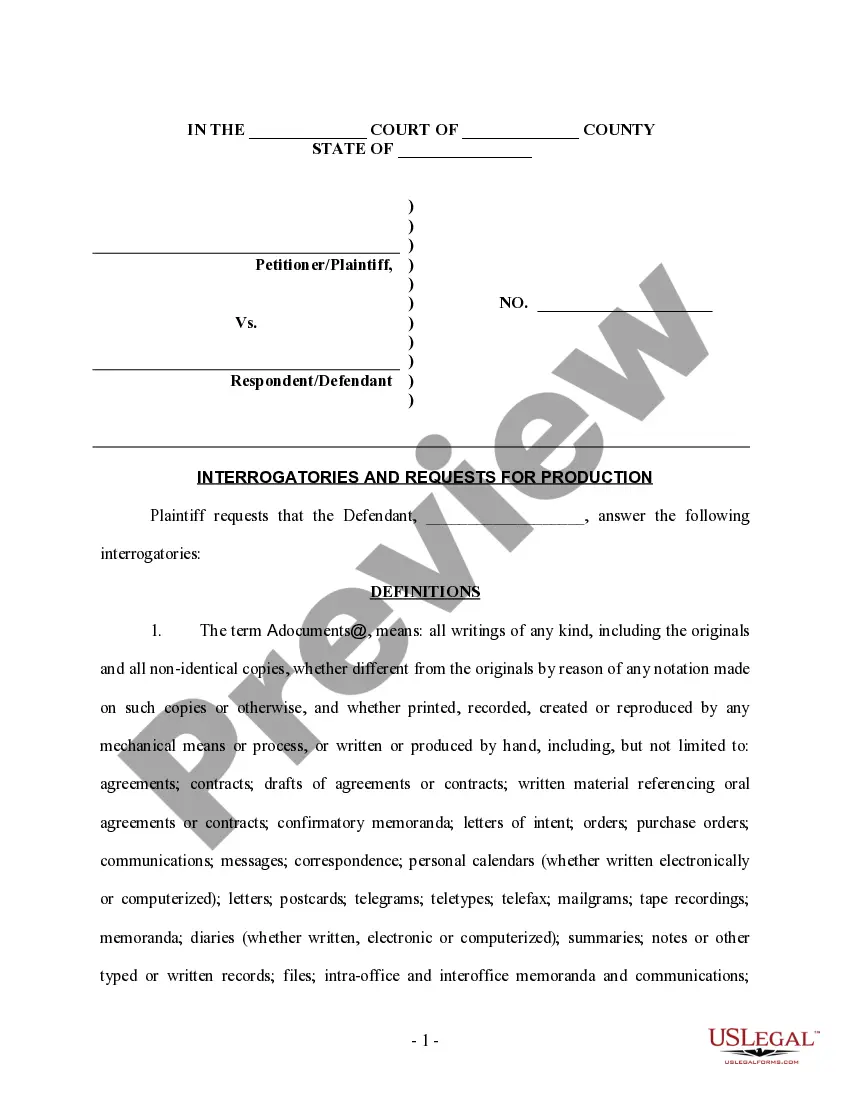
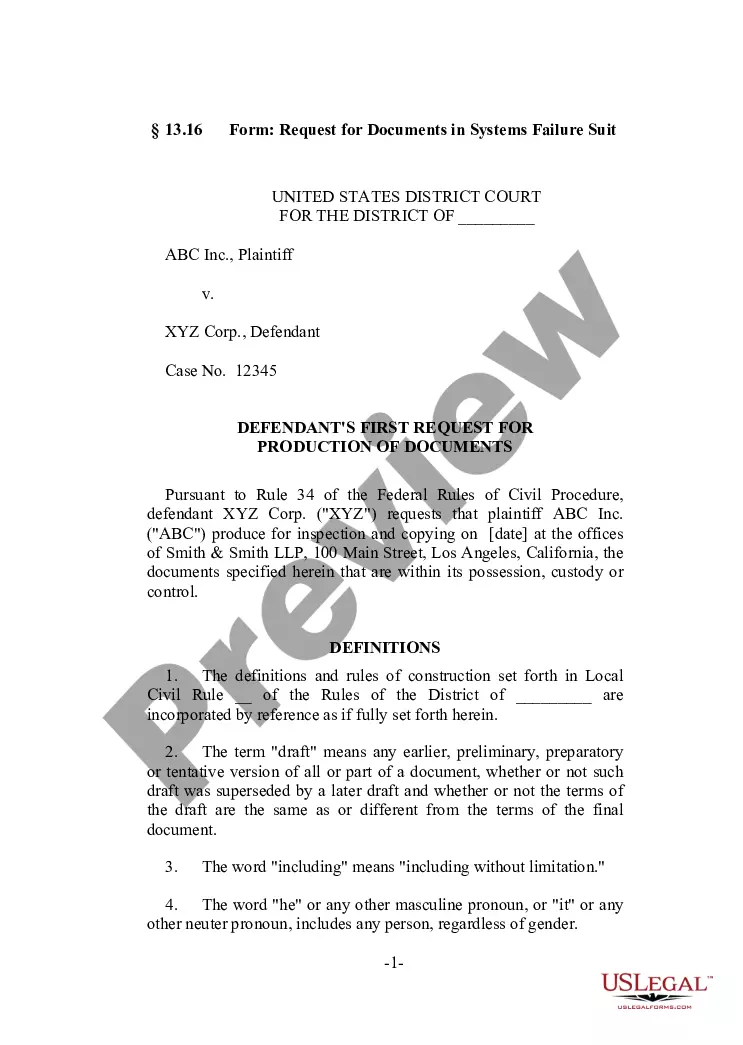
Discovery requests typically follow a common format that you can mirror. First, list instructions detailing the request for production. Be sure to mention Rule 34 and Rule 26(b), which outline the scope of the discovery request. It's also necessary to include a section with definitions.
Write out each fact you wish the other party to admit is true. When writing these facts, be as clear and concise as possible. Each request must be for a single fact; do not include multiple facts, compound questions, or subparts.
The discovery rule provides that the statute of limitations on bringing a claim does not begin to run until the date on which a claimant actually discovers (or should have discovered) an injury or loss—rather than on the date when the wrongful act giving rise to the injury or loss took place.
In the United States, there are five basic forms of discovery: depositions, interrogatories, requests for production of documents (or permission to inspect), physical and mental examinations, and requests for admission.