Corporate Insolvency Resolution Process With Example In Utah
Description

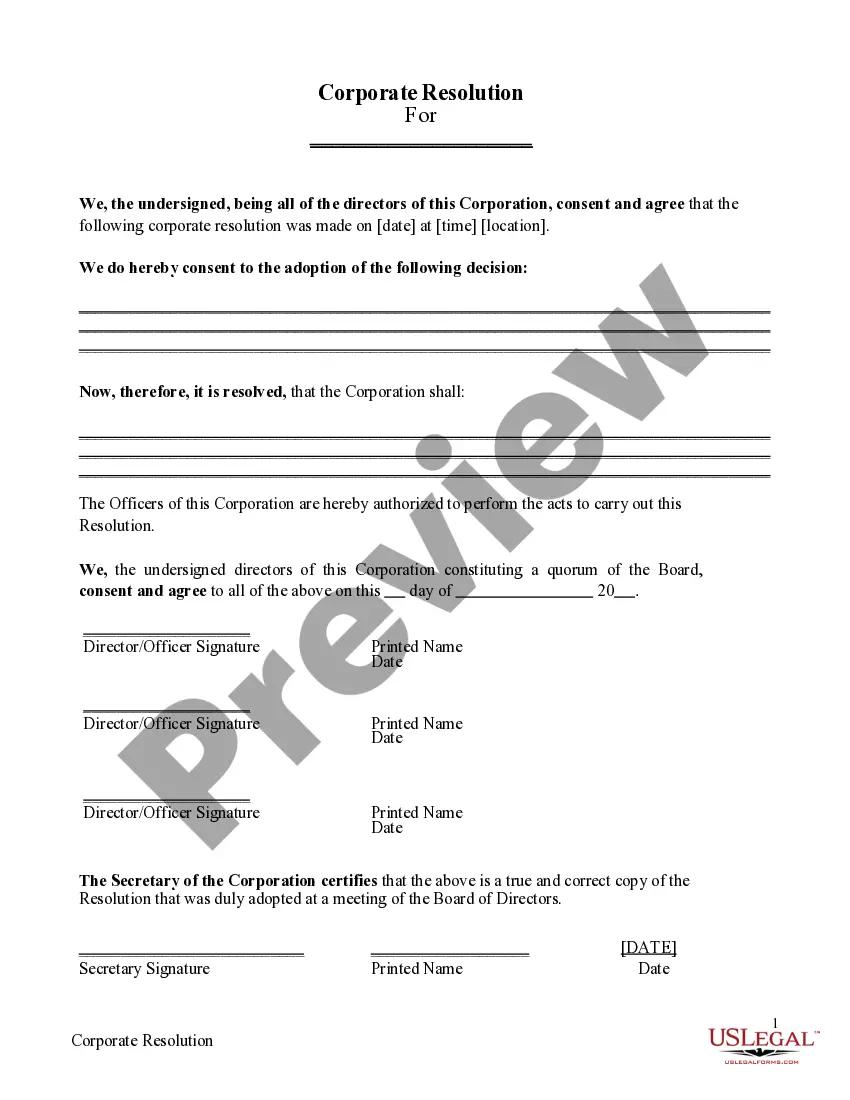
Get your form ready online
Our built-in tools help you complete, sign, share, and store your documents in one place.
Make edits, fill in missing information, and update formatting in US Legal Forms—just like you would in MS Word.
Download a copy, print it, send it by email, or mail it via USPS—whatever works best for your next step.
Sign and collect signatures with our SignNow integration. Send to multiple recipients, set reminders, and more. Go Premium to unlock E-Sign.
If this form requires notarization, complete it online through a secure video call—no need to meet a notary in person or wait for an appointment.
We protect your documents and personal data by following strict security and privacy standards.

Make edits, fill in missing information, and update formatting in US Legal Forms—just like you would in MS Word.

Download a copy, print it, send it by email, or mail it via USPS—whatever works best for your next step.

Sign and collect signatures with our SignNow integration. Send to multiple recipients, set reminders, and more. Go Premium to unlock E-Sign.

If this form requires notarization, complete it online through a secure video call—no need to meet a notary in person or wait for an appointment.

We protect your documents and personal data by following strict security and privacy standards.
Looking for another form?




Form popularity
FAQ
After initiation, the company's assets are put on hold from being disposed of for six months by the NCLT. During this time, the NCLT evaluates and decides on the appropriate action to be taken, which may involve restructuring the company, resolving debts, or liquidating assets.
Title 70C Chapter 3 Section 101 Prepayment of debt. 70C-3-101. Prepayment of debt. Subject to the other provisions of this section, a debtor may prepay the unpaid balance of a closed-end consumer credit debt at any time without penalty.
How to implement a Corporate Insolvency Resolution Process (CIRP)? Step 1: Applying to the NCLT. Step 2: Appointment of an Interim Resolution Professional. Step 3: Moratorium. Step 4: Claims Verification. Step 5: Appointment of Resolution Professional. Step 6: Resolution Plan Approval.
An ABC is a legal process that allows a financially distressed business to liquidate its assets and distribute proceeds to creditors in an orderly manner.
The Corporate Insolvency Resolution Process ('CIRP') is a recovery mechanism for the creditors of a corporate debtor. A corporate debtor means a company or Limited Liability Partnership ('LLP') that owes a debt to its creditors.
In appeal, the National Company Law Appellate Tribunal ('NCLAT'), distinguished between CIRP and liquidation proceedings by observing that, CIRP prohibits both institution and continuation of pending suits or proceedings, whereas only institution of new suit is a bar in liquidation proceedings.
A company can enter insolvent liquidation in two ways, through either: the compulsory liquidation procedure, where the court orders the insolvent company's liquidation, or. the creditors voluntary liquidation procedure, where 75% of shareholders must vote to liquidate the insolvent company.
CIRP is the process through which it is determined whether the person who has defaulted is capable of repayment or not (IRPs will evaluate the assets and liabilities to determine the repayment capability). If a person is not capable of repaying the debt the company is restructured or liquidated.
Go First has been going through the insolvency resolution process since May 10 last year. The airline's process is being overseen by resolution professional Shailendra Ajmera, who had so far successfully managed to avoid deregistration of the leased aircraft.