Corporate Insolvency Resolution Process With Example In New York
Description

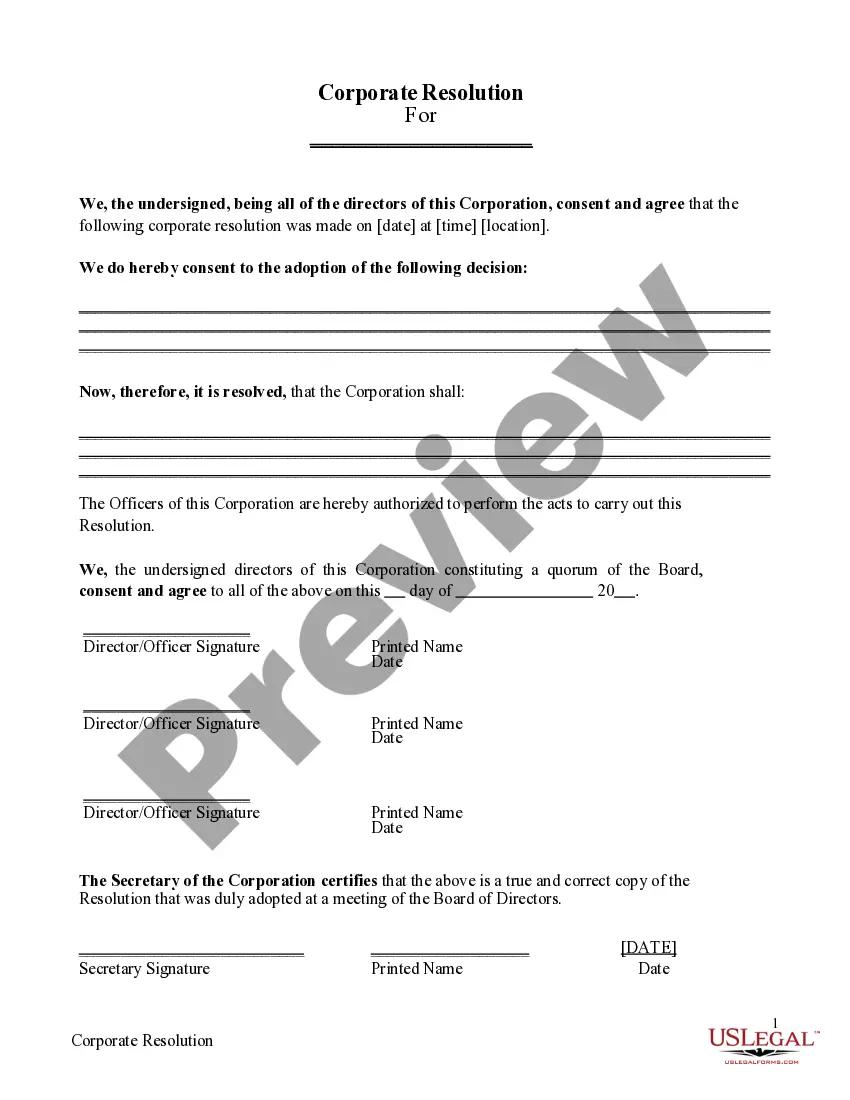
Get your form ready online
Our built-in tools help you complete, sign, share, and store your documents in one place.
Make edits, fill in missing information, and update formatting in US Legal Forms—just like you would in MS Word.
Download a copy, print it, send it by email, or mail it via USPS—whatever works best for your next step.
Sign and collect signatures with our SignNow integration. Send to multiple recipients, set reminders, and more. Go Premium to unlock E-Sign.
If this form requires notarization, complete it online through a secure video call—no need to meet a notary in person or wait for an appointment.
We protect your documents and personal data by following strict security and privacy standards.

Make edits, fill in missing information, and update formatting in US Legal Forms—just like you would in MS Word.

Download a copy, print it, send it by email, or mail it via USPS—whatever works best for your next step.

Sign and collect signatures with our SignNow integration. Send to multiple recipients, set reminders, and more. Go Premium to unlock E-Sign.

If this form requires notarization, complete it online through a secure video call—no need to meet a notary in person or wait for an appointment.

We protect your documents and personal data by following strict security and privacy standards.
Looking for another form?


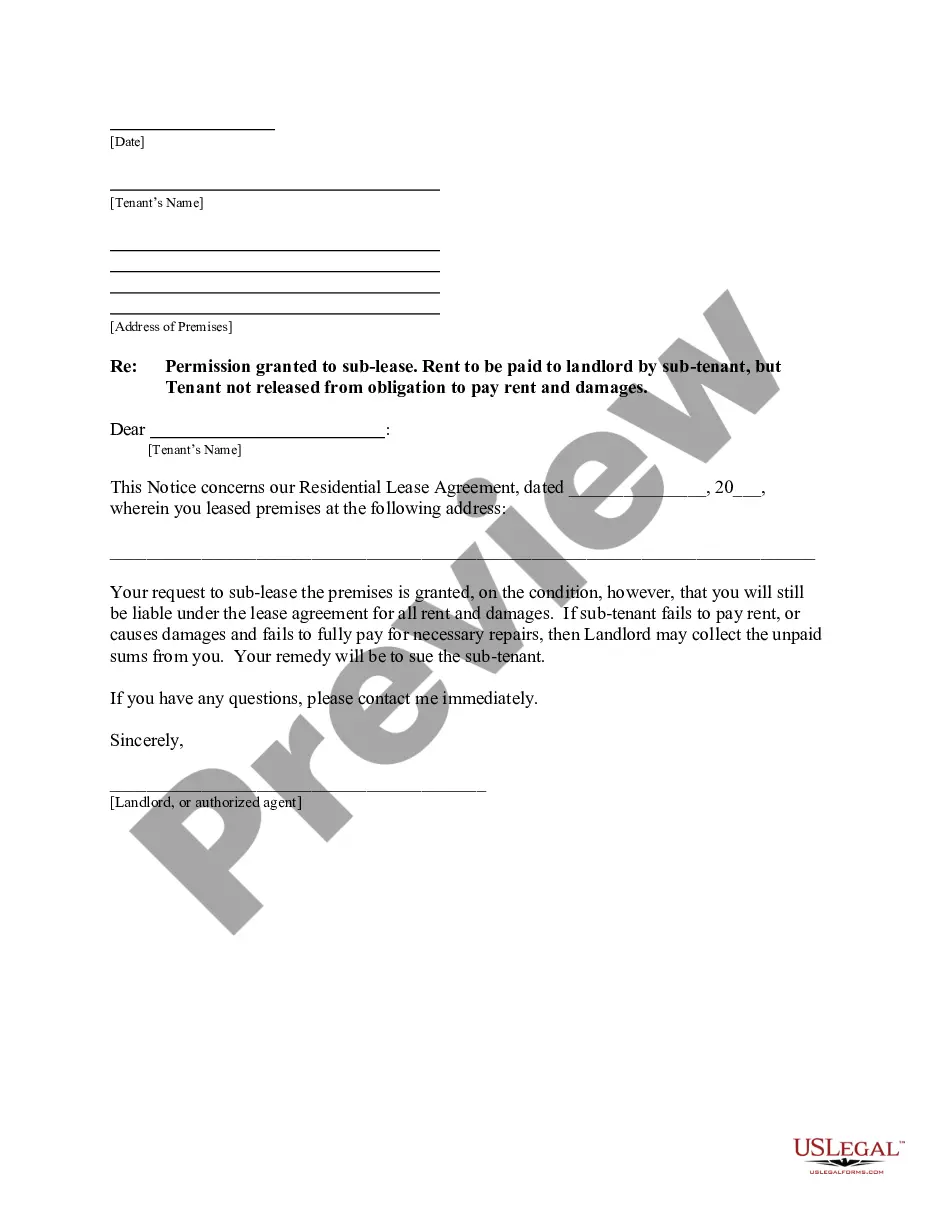
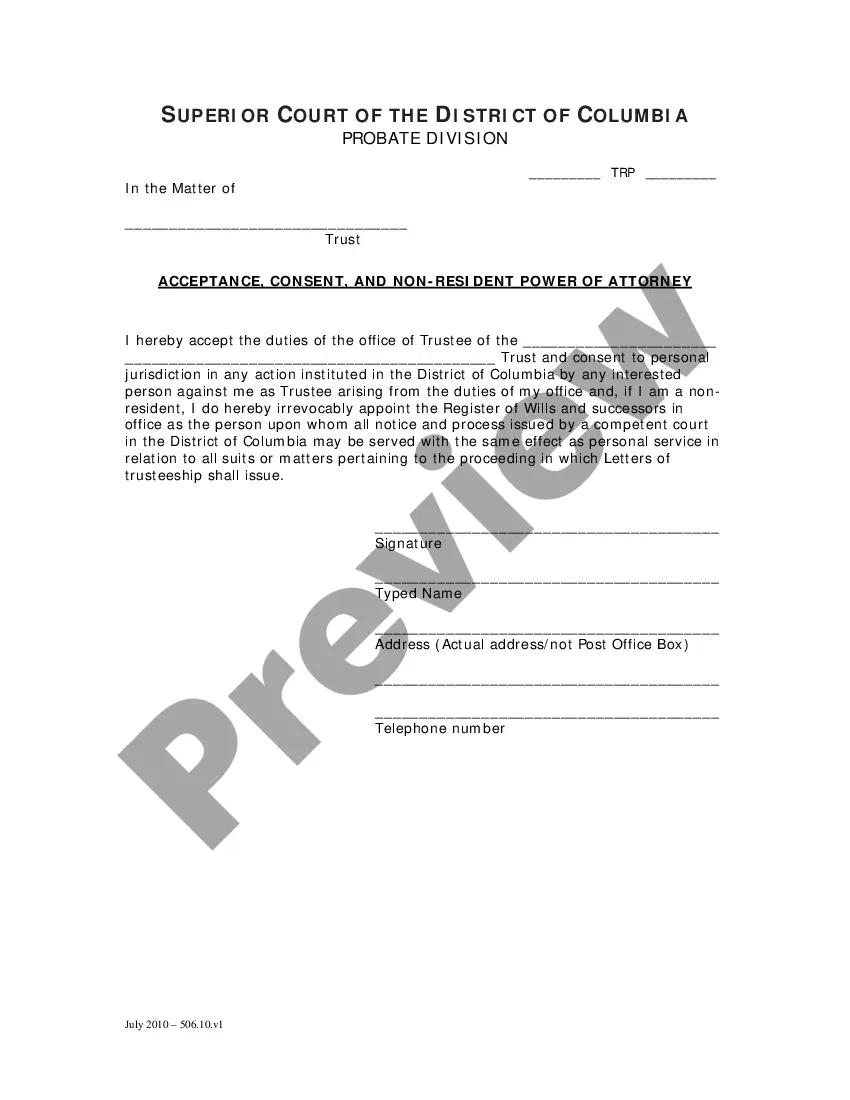
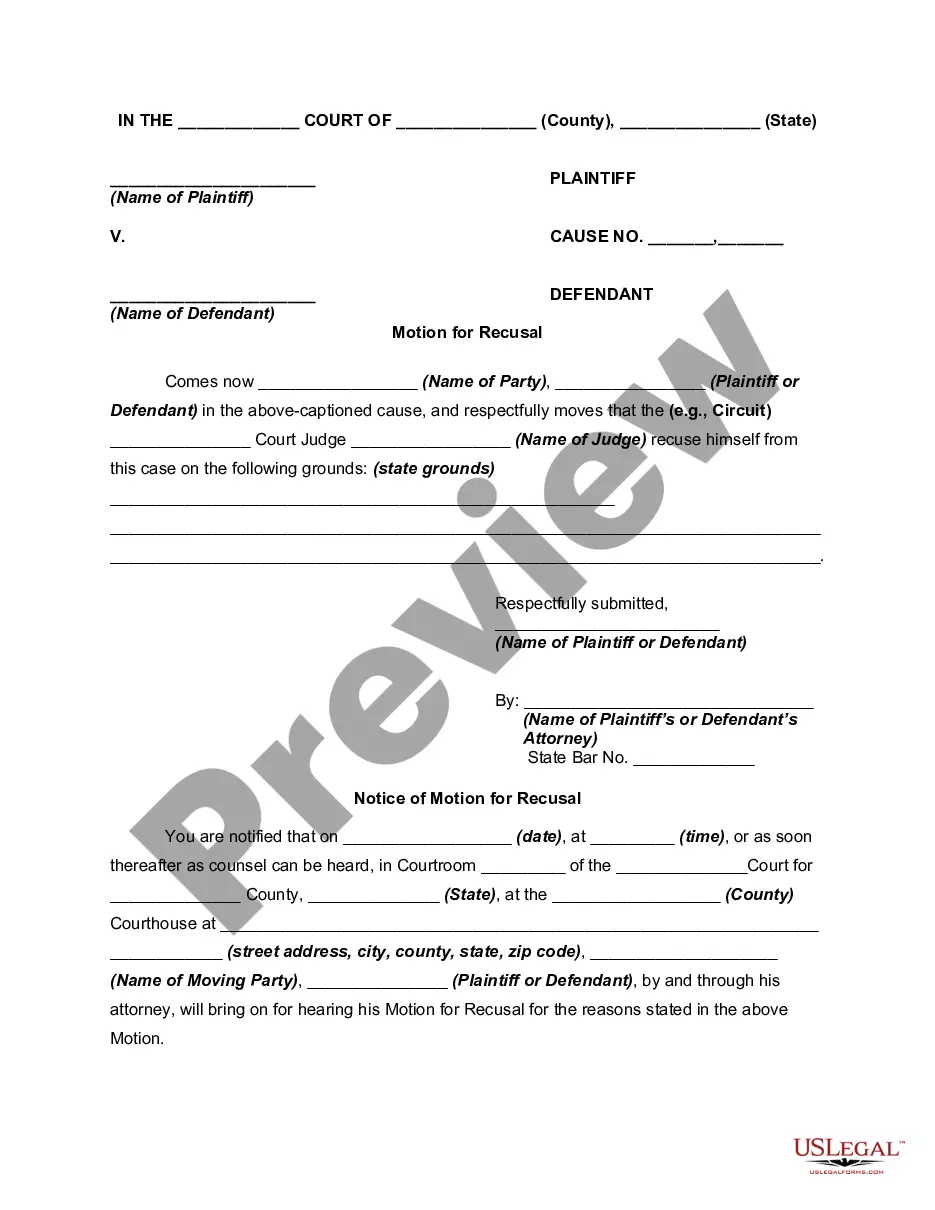



Form popularity
FAQ
A company can enter insolvent liquidation in two ways, through either: the compulsory liquidation procedure, where the court orders the insolvent company's liquidation, or. the creditors voluntary liquidation procedure, where 75% of shareholders must vote to liquidate the insolvent company.
Closure and Dissolution. Once all obligations and liabilities have been addressed, and the assets have been distributed, the business is typically closed and dissolved. This may involve formal legal processes to officially wind down the company.
CIRP is the process through which it is determined whether the person who has defaulted is capable of repayment or not (IRPs will evaluate the assets and liabilities to determine the repayment capability). If a person is not capable of repaying the debt the company is restructured or liquidated.
Company should pass a special resolution through the general meeting for taking Company to liquidation. Submission of the Application of liquidation to the concerned High Court. Order of the court either to initiate the insolvency process or not.
This process is called compulsory liquidation, and generally begins with the issue of a statutory demand against the debtor company, closely followed by a winding-up petition. Company directors may also decide that voluntary liquidation is the best option if they fear such legal action by creditors is imminent.
A CVA is an insolvency procedure that allows a company to agree with its creditors about how a company's debts should be dealt with. A CVA can be set up when a company is in liquidation or in administration, as well as at any other time. It can be proposed by: the administrator, where the company is in administration.
CIRP is the process through which it is determined whether the person who has defaulted is capable of repayment or not (IRPs will evaluate the assets and liabilities to determine the repayment capability). If a person is not capable of repaying the debt the company is restructured or liquidated.
CIRP is the process through which it is determined whether the person who has defaulted is capable of repayment or not (IRPs will evaluate the assets and liabilities to determine the repayment capability). If a person is not capable of repaying the debt the company is restructured or liquidated.