Settlement Confirmation Letter With Salary Requirements In New York
Description


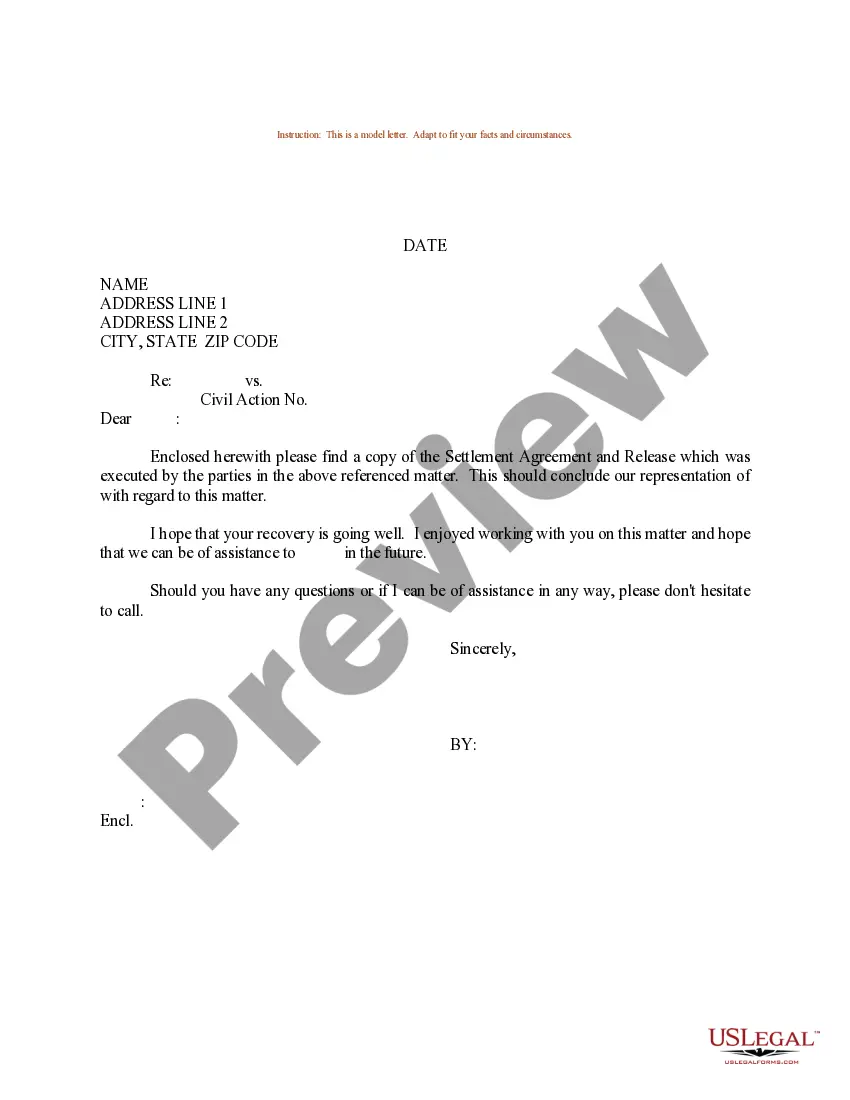
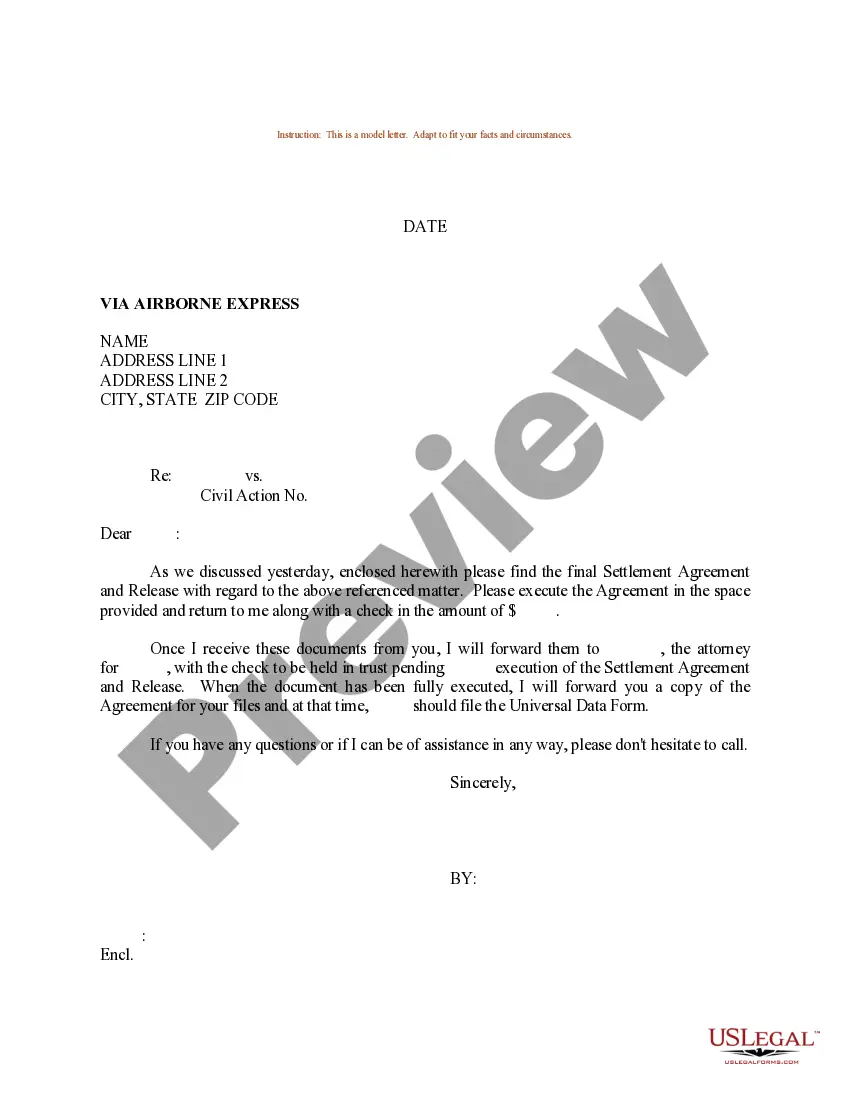
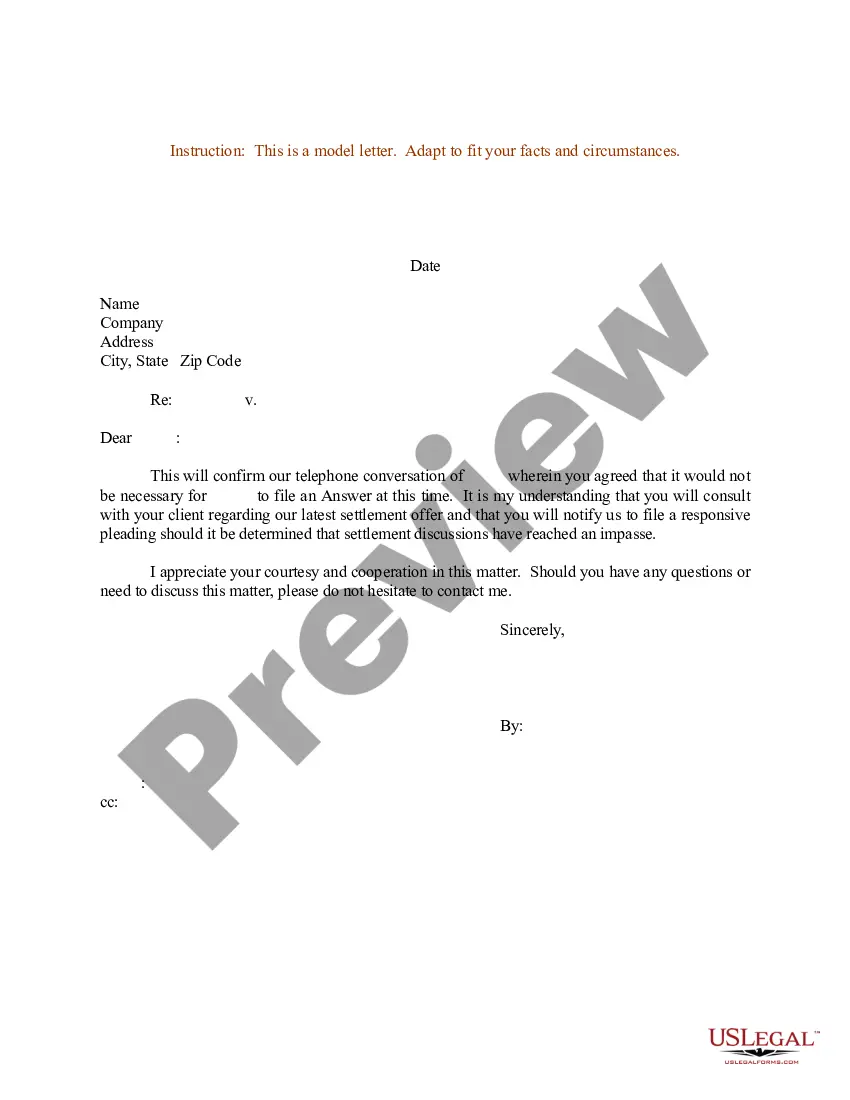
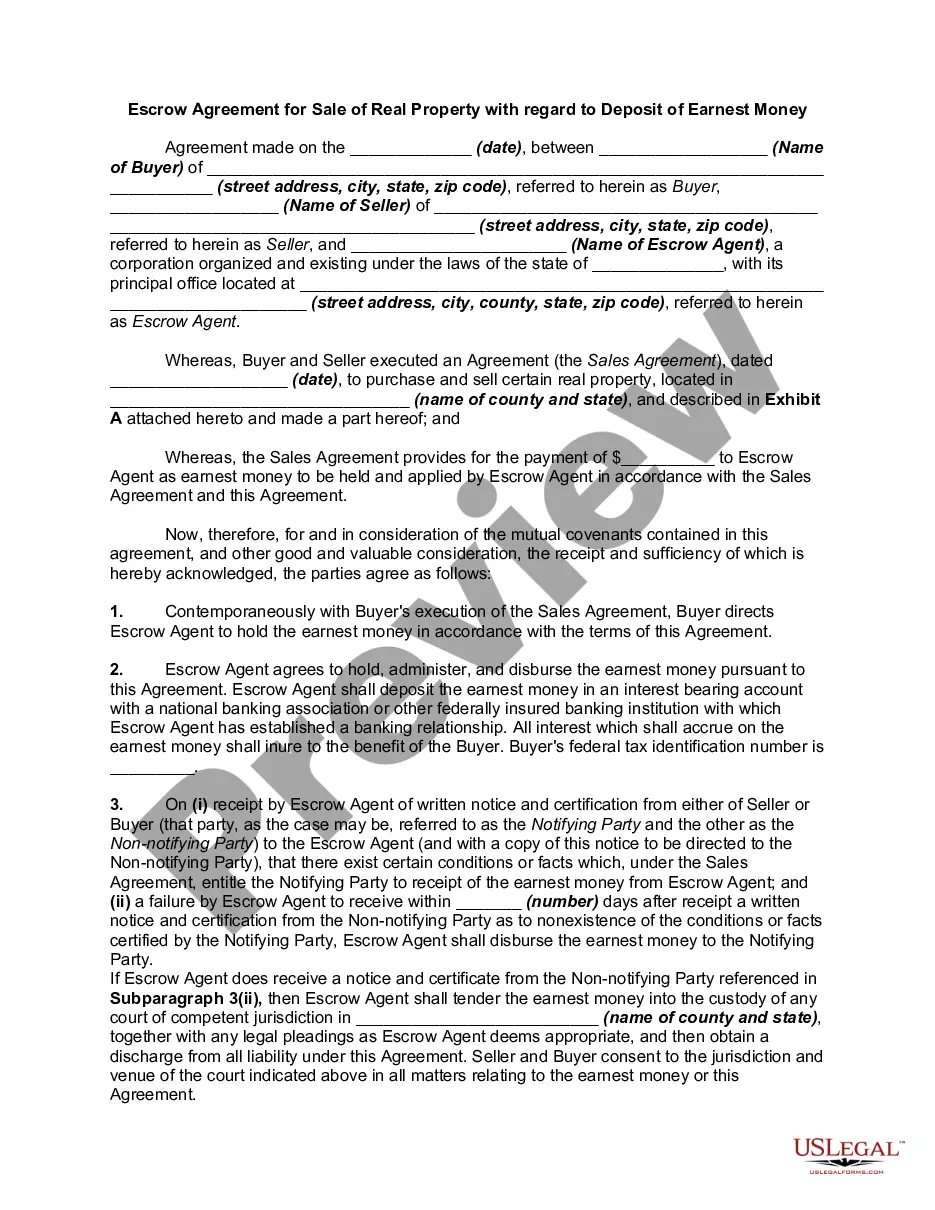
Get your form ready online
Our built-in tools help you complete, sign, share, and store your documents in one place.
Make edits, fill in missing information, and update formatting in US Legal Forms—just like you would in MS Word.
Download a copy, print it, send it by email, or mail it via USPS—whatever works best for your next step.
Sign and collect signatures with our SignNow integration. Send to multiple recipients, set reminders, and more. Go Premium to unlock E-Sign.
If this form requires notarization, complete it online through a secure video call—no need to meet a notary in person or wait for an appointment.
We protect your documents and personal data by following strict security and privacy standards.

Make edits, fill in missing information, and update formatting in US Legal Forms—just like you would in MS Word.

Download a copy, print it, send it by email, or mail it via USPS—whatever works best for your next step.

Sign and collect signatures with our SignNow integration. Send to multiple recipients, set reminders, and more. Go Premium to unlock E-Sign.

If this form requires notarization, complete it online through a secure video call—no need to meet a notary in person or wait for an appointment.

We protect your documents and personal data by following strict security and privacy standards.
Looking for another form?





Form popularity
FAQ
As of September 17, 2023, newly enacted Labor Law Section 194-B requires New York State businesses with four or more employees to provide job descriptions and list compensation ranges for designated job opportunities, promotions, and transfers.
Effective January 6, 2020, Labor Law Section 194-a prohibits an employer from, either orally or in writing, personally or through an agent (directly or indirectly), asking any information concerning an applicant's salary history information. This includes compensation and benefits.
Section 194 of the Labor Law prohibits employers from restricting employees' ability to inquire about, discuss, or disclose wages with other employees.
As of September 17, 2023, newly enacted Labor Law Section 194-B requires New York State businesses with four or more employees to provide job descriptions and list compensation ranges for designated job opportunities, promotions, and transfers.
How Long to Receive the Check? If you're dealing with an insurance company, as with most personal injury plaintiffs, the process of cutting the check is typically pretty quick. Once the settlement is finalized and signed, insurance companies usually send a check within a month.
No. When you are applying for a job in California, employers cannot ask you about your salary history or the value of your benefits (such as health insurance policy limits). Nor can employers try to track down this information personally or through an agent or recruiter.
Receiving a net settlement check involves several important steps. After reaching a settlement agreement, the insurance company typically issues a check within about 30 days. However, additional steps must be completed before the client physically receives the check. The first step is deducting legal fees.
A job application can request information about applicants' compensation expectations or demands, but may not include a request for information about applicants' salary history, even if the employer makes clear that a response is voluntary.
A confirmation letter includes the salary, joining date, confirmation date, designation and job description of an employee. Later, if the employee moves to another company this letter acts as proof of the position n salary he held in his previous job.
Earned Income: Employer Wages Be on company letterhead or state the name of the company. Be signed by the employer. Be no older than 45 days from the date received by Covered California. Include the following information: Name of employer or company. Name of person writing the letter. Employer or company address.