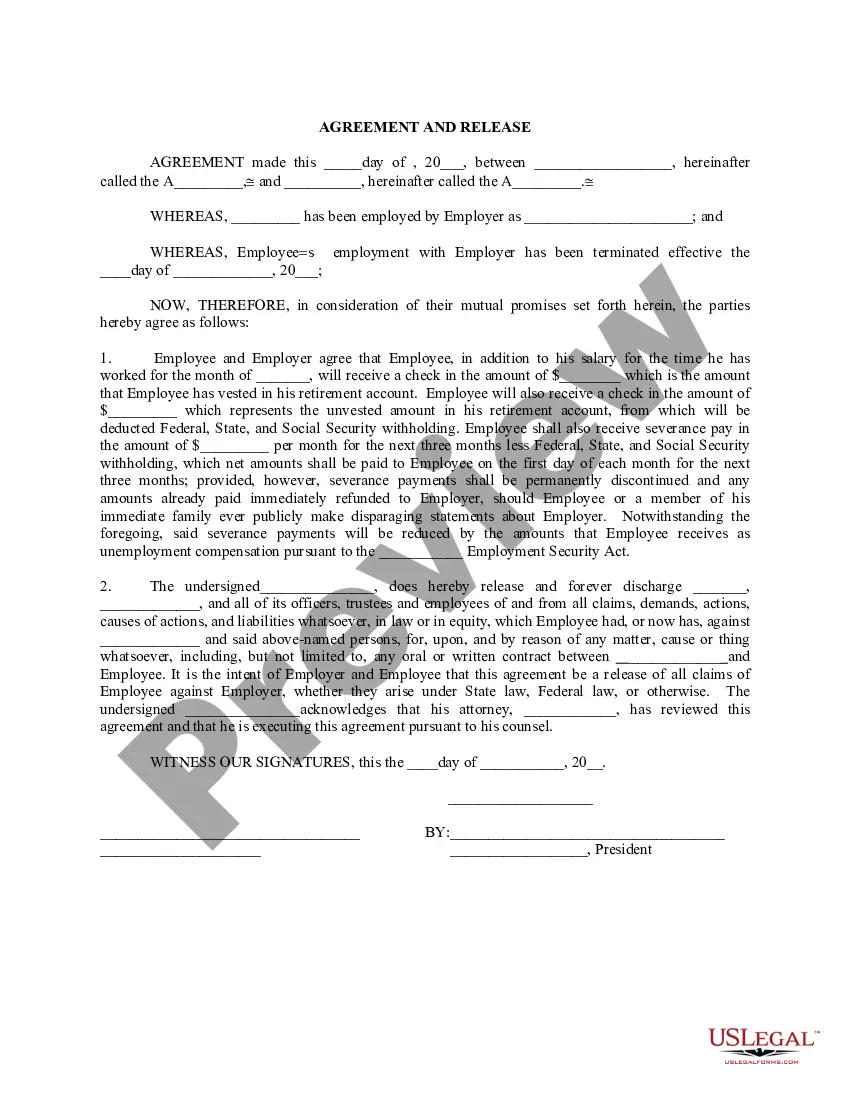
Severance Agreement Form With Non-disparagement Clause In Georgia
Description

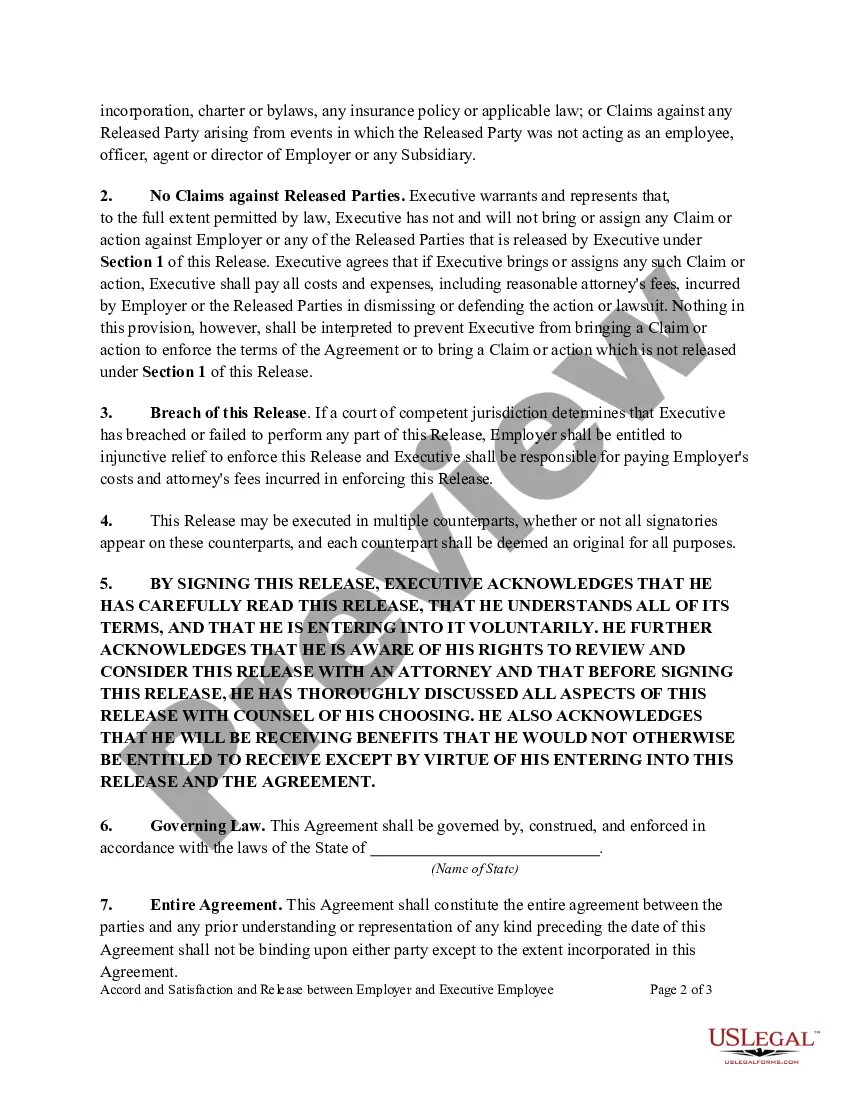
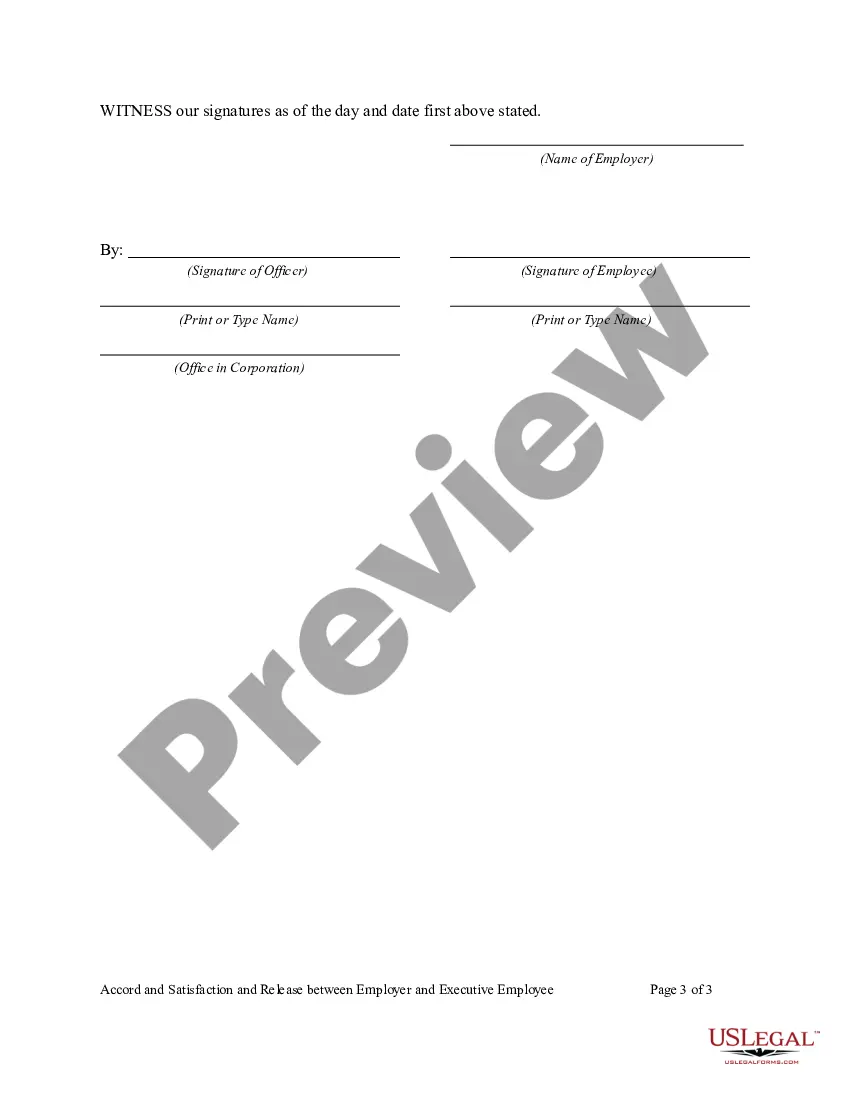
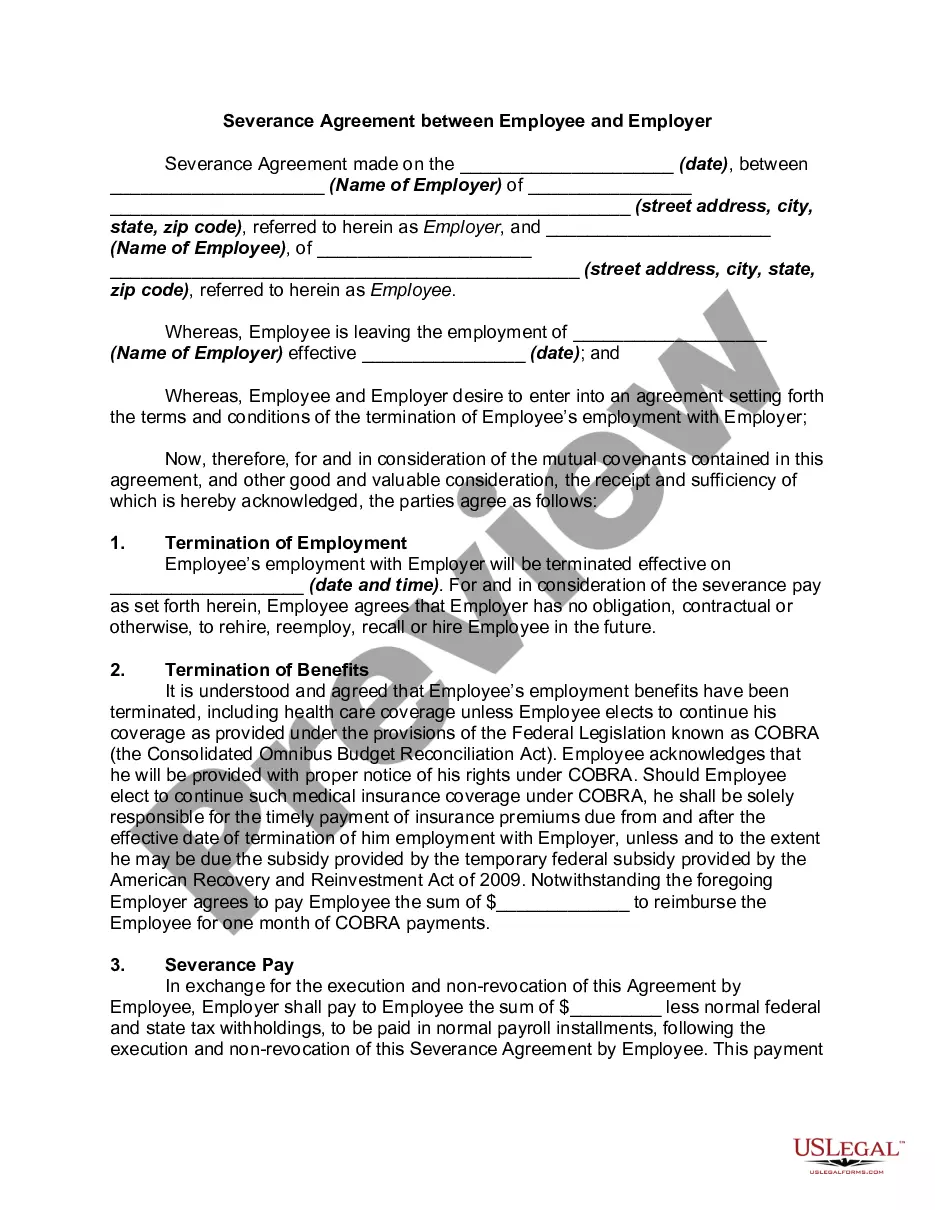
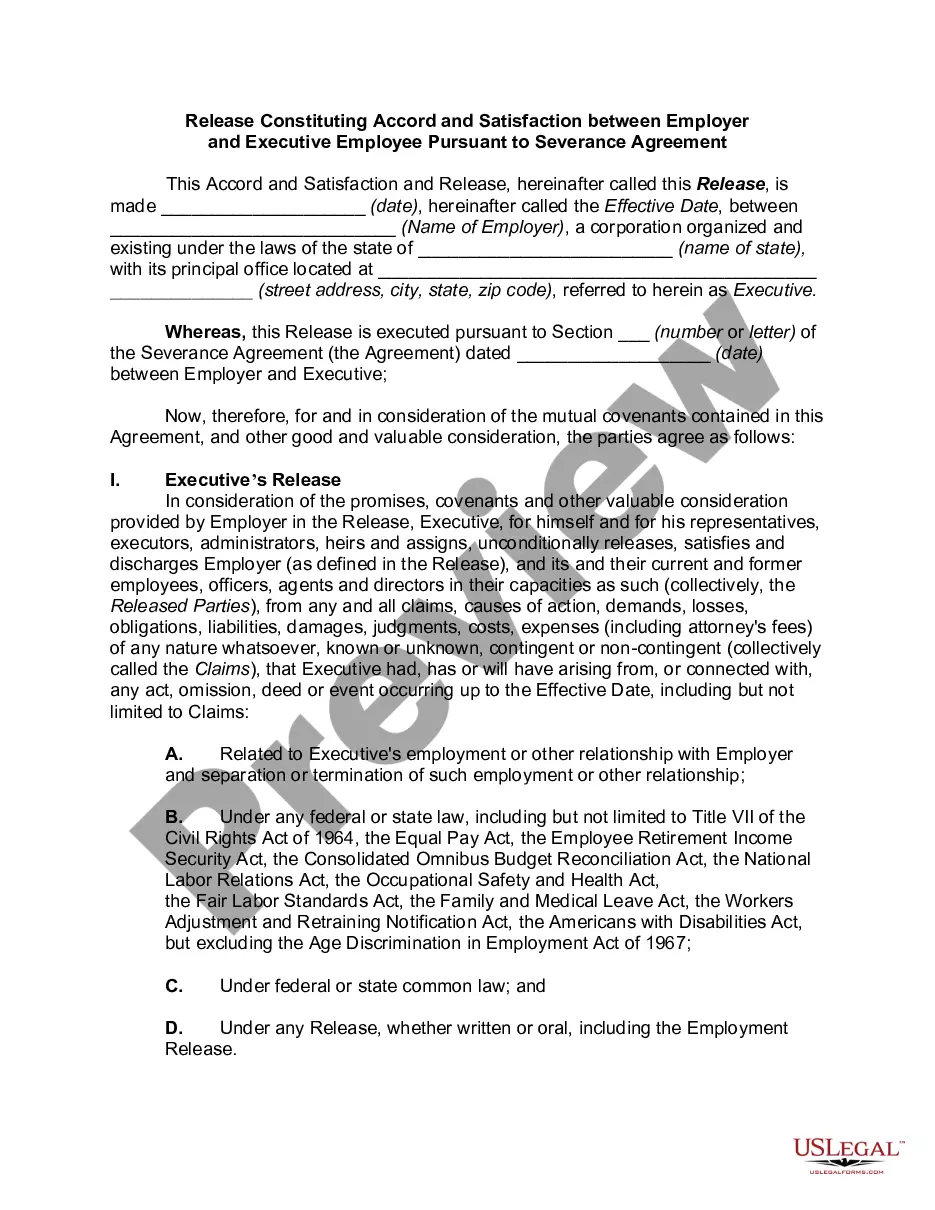
Get your form ready online
Our built-in tools help you complete, sign, share, and store your documents in one place.
Make edits, fill in missing information, and update formatting in US Legal Forms—just like you would in MS Word.
Download a copy, print it, send it by email, or mail it via USPS—whatever works best for your next step.
Sign and collect signatures with our SignNow integration. Send to multiple recipients, set reminders, and more. Go Premium to unlock E-Sign.
If this form requires notarization, complete it online through a secure video call—no need to meet a notary in person or wait for an appointment.
We protect your documents and personal data by following strict security and privacy standards.

Make edits, fill in missing information, and update formatting in US Legal Forms—just like you would in MS Word.

Download a copy, print it, send it by email, or mail it via USPS—whatever works best for your next step.

Sign and collect signatures with our SignNow integration. Send to multiple recipients, set reminders, and more. Go Premium to unlock E-Sign.

If this form requires notarization, complete it online through a secure video call—no need to meet a notary in person or wait for an appointment.

We protect your documents and personal data by following strict security and privacy standards.
Looking for another form?



Form popularity
FAQ
A: When entering into a settlement agreement, the parties to a dispute may include a non-disparagement clause. Such a clause is intended to stop one party or both from making negative statements about the other going forward.
If a non-disparagement clause doesn't explicitly state that it doesn't apply to unlawful acts, it's unenforceable in California.
What are non-disparagement and confidentiality clauses? A non-disparagement clause generally prevents employees from disclosing certain confidential business information or saying anything negative about their former employer.
Non-disparagement agreements aim to stop former employees from communicating anything negative about the company, whether true or not. This could include: Making statements to the press. Ranting on Facebook.
Non-solicitation provisions in employment contracts are usually unenforceable under California Business and Professions Code 16600. This means your former employer generally cannot stop you from hiring current employees or soliciting current customers, though courts have made some exceptions.
This provision is commonly found in: Settlement agreements. Severance agreements. Stock or benefits agreements.
So if you were laid off and signed a separation agreement even before the February ruling, your former employer won't be able to enforce any overly broad confidentiality, non-disclosure, and non-disparagement clauses in your original agreement.
The parties agree to not make any statements written or verbal, or cause or encourage any others to make statements, written or verbal regarding the past behavior of the parties, which statements would tend to disparage or impugn the reputation of any party.
A general non-disparagement clause provides that the "Employee agrees that Employee will not disparage the Company or any of its officers, directors, or employees." Some employers also include language that covers disparaging communications made or transmitted on the internet or social media sites.
Non-disparagement agreements aim to stop former employees from communicating anything negative about the company, whether true or not. This could include: Making statements to the press. Ranting on Facebook.