Petition Custody Form With Court In Kings
Description

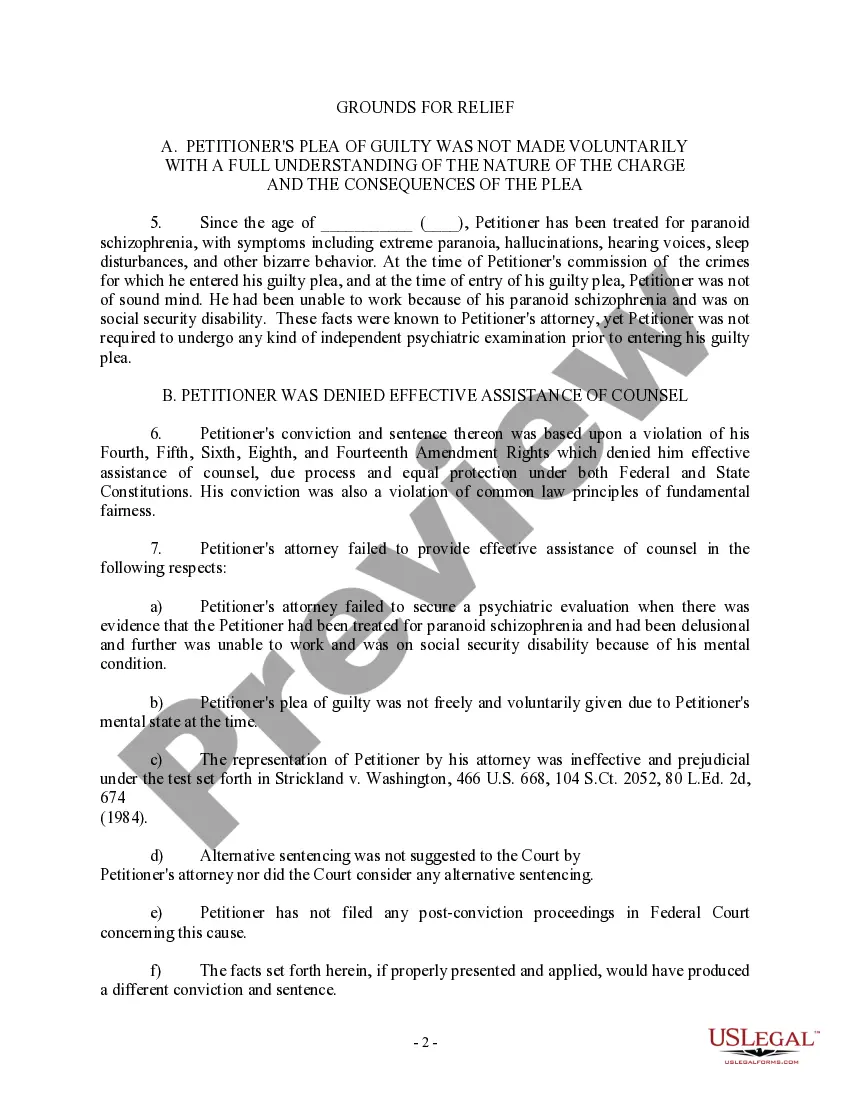
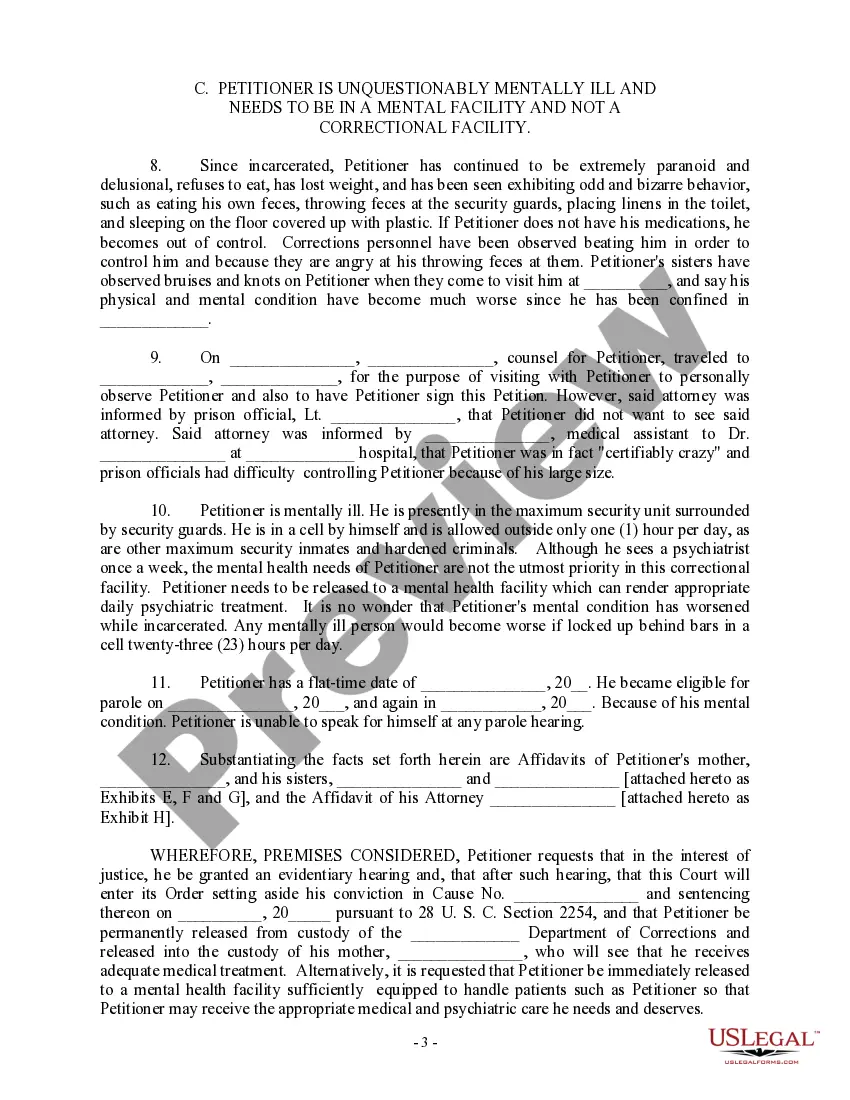

Get your form ready online
Our built-in tools help you complete, sign, share, and store your documents in one place.
Make edits, fill in missing information, and update formatting in US Legal Forms—just like you would in MS Word.
Download a copy, print it, send it by email, or mail it via USPS—whatever works best for your next step.
Sign and collect signatures with our SignNow integration. Send to multiple recipients, set reminders, and more. Go Premium to unlock E-Sign.
If this form requires notarization, complete it online through a secure video call—no need to meet a notary in person or wait for an appointment.
We protect your documents and personal data by following strict security and privacy standards.

Make edits, fill in missing information, and update formatting in US Legal Forms—just like you would in MS Word.

Download a copy, print it, send it by email, or mail it via USPS—whatever works best for your next step.

Sign and collect signatures with our SignNow integration. Send to multiple recipients, set reminders, and more. Go Premium to unlock E-Sign.

If this form requires notarization, complete it online through a secure video call—no need to meet a notary in person or wait for an appointment.

We protect your documents and personal data by following strict security and privacy standards.
Looking for another form?



Form popularity
FAQ
Courts usually have a tight schedule, and it'll take several trial dates before a child custody case is resolved. Most of the time, hearings get rescheduled due to various factors, and sometimes, a child custody case might take up to 18 months or more before it's concluded.
You do not need a lawyer to file for custody. However, it may be difficult for you to file a proper petition without the help of a lawyer. Also, if the other parent has a lawyer, it will be particularly helpful if you have a lawyer as well. For legal help, go to CA Finding a Lawyer.
Mothers historically have won more custody battles due to traditional roles and perceptions of mothers as the primary caregivers.
These are some mistakes you're going to want to be mindful to avoid. TALKING BADLY ABOUT THE OTHER PARENT TO THE CHILD. FAILING TO TAKE ON CHALLENGING TASKS. NOT COMMUNICATING WITH THE OTHER PARENT. TRYING TO MAKE YOUR CHILDREN FEEL SORRY FOR YOU. PREVENTING THE OTHER PARENT'S ACCESS TO THE CHILDREN.
One of the most effective ways to strengthen your case is to provide concrete evidence of your role as a caregiver. Document your involvement in your child's life by keeping detailed records of things like doctor's appointments, school activities, extracurricular engagements, and any other significant events.
Disrespectful Language : Avoid using any form of disrespect, such as insults, sarcasm, or derogatory remarks about the judge, the opposing party, or even the legal system. Negative Comments About the Other Parent : Speaking poorly about the other parent can reflect badly on you. Emotional Outbursts
Picking good witnesses, like family, coaches, doctors, social workers, psychologists, counselors, or the kids' school personnel, can help a lot. They can tell the court about the kids' circumstances and what's in their best interest.
