Writ Of Habeas Corpus With Example In King
Description

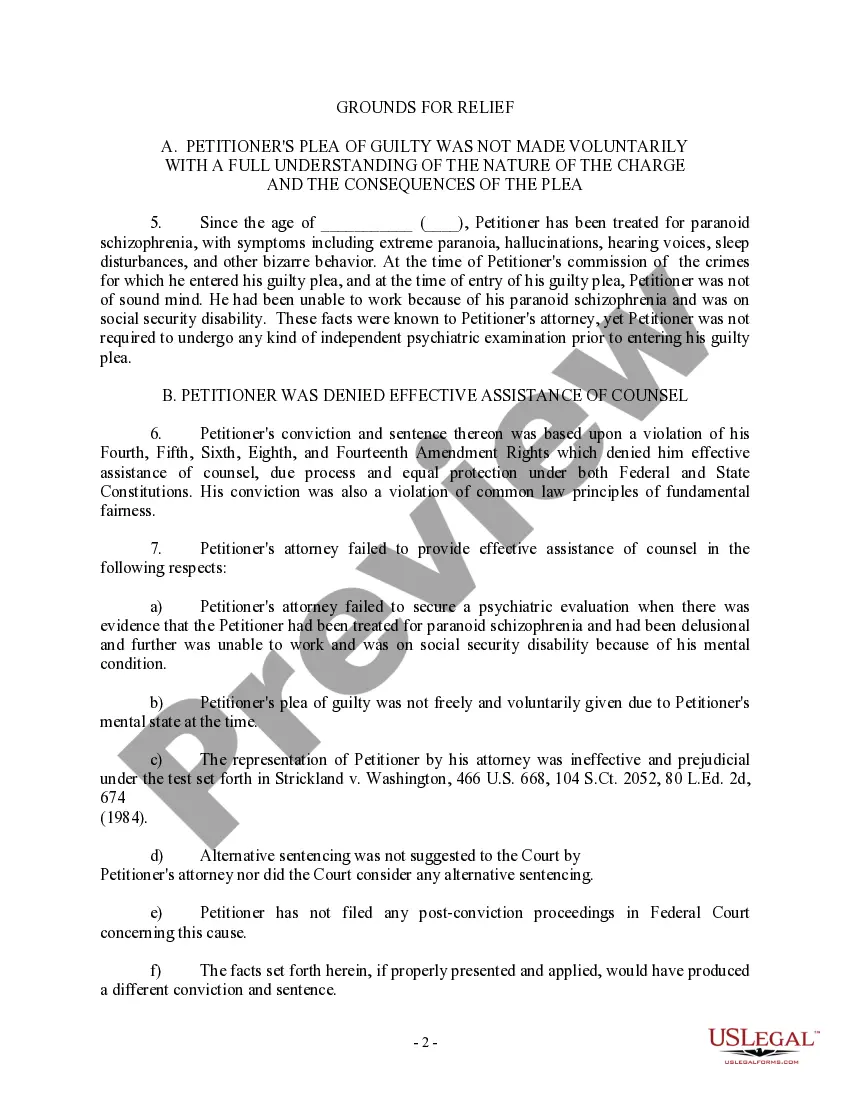
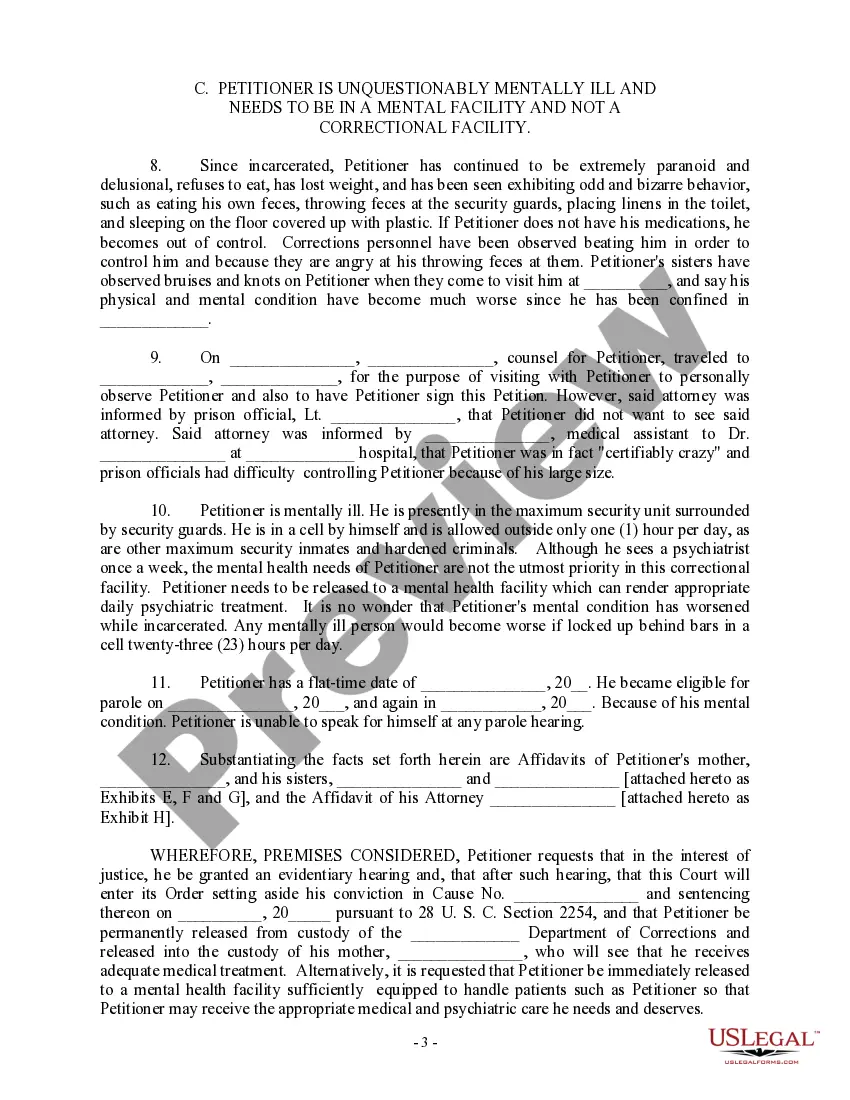
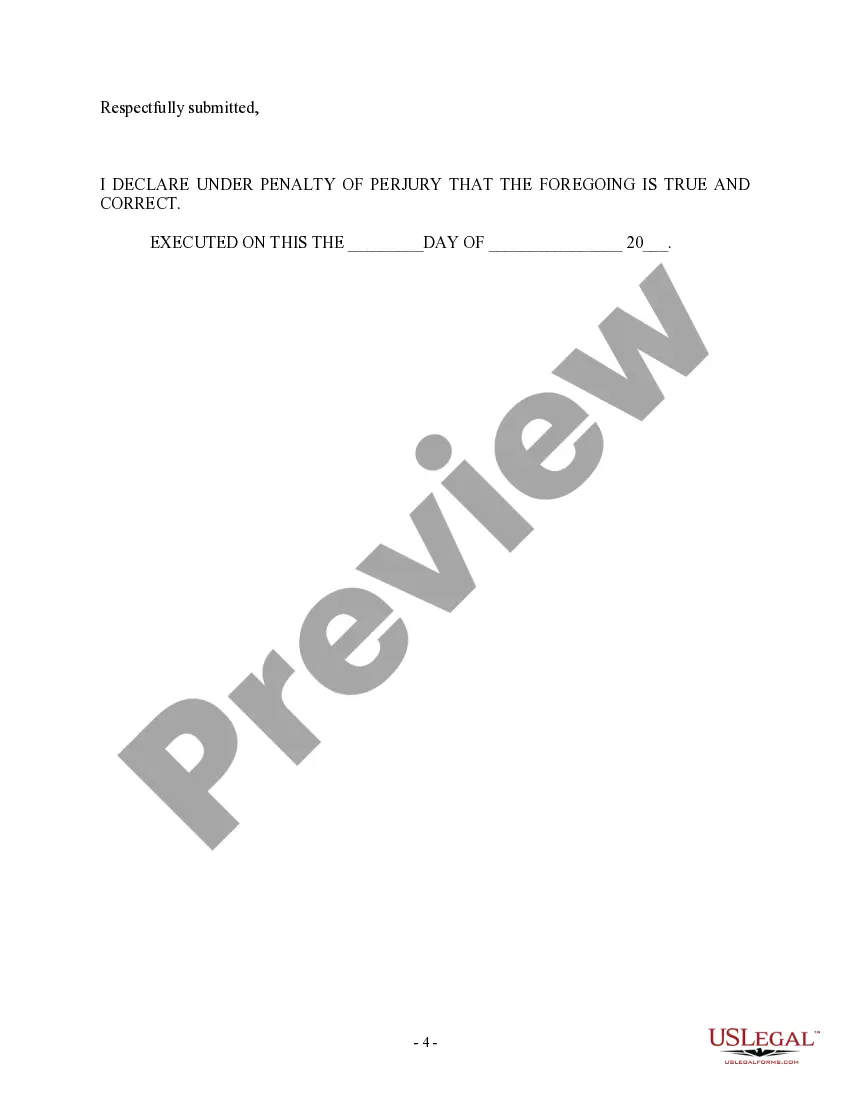
Get your form ready online
Our built-in tools help you complete, sign, share, and store your documents in one place.
Make edits, fill in missing information, and update formatting in US Legal Forms—just like you would in MS Word.
Download a copy, print it, send it by email, or mail it via USPS—whatever works best for your next step.
Sign and collect signatures with our SignNow integration. Send to multiple recipients, set reminders, and more. Go Premium to unlock E-Sign.
If this form requires notarization, complete it online through a secure video call—no need to meet a notary in person or wait for an appointment.
We protect your documents and personal data by following strict security and privacy standards.

Make edits, fill in missing information, and update formatting in US Legal Forms—just like you would in MS Word.

Download a copy, print it, send it by email, or mail it via USPS—whatever works best for your next step.

Sign and collect signatures with our SignNow integration. Send to multiple recipients, set reminders, and more. Go Premium to unlock E-Sign.

If this form requires notarization, complete it online through a secure video call—no need to meet a notary in person or wait for an appointment.

We protect your documents and personal data by following strict security and privacy standards.
Looking for another form?




Form popularity
FAQ
For example, if an individual was convicted on the basis that their skin color matched that of the perpetrator ing to eyewitnesses, but there is no other evidence against them, then the individual can appeal for habeas corpus in order to be freed from imprisonment.
It was passed by what became known as the Habeas Corpus Parliament to define and strengthen the ancient prerogative writ of habeas corpus, which required a court to examine the lawfulness of a prisoner's detention and thus prevent unlawful or arbitrary imprisonment.
Before the Magna Carta (1215) a variety of writs performed some of the functions of habeas corpus. During the Middle Ages habeas corpus was employed to bring cases from inferior tribunals into the king's courts.
Final answer: The Habeas Corpus Act includes limits on imprisonment without trial, arrests, and the power of the monarchy to suspend the writ of habeas corpus except in extreme circumstances. It does not address issues like quartering soldiers, taxes, or due process directly.
As a fundamental instrument for safeguarding individual's freedom against arbitrary and lawless state action, the writ of habeas corpus serves as a procedural device, by which executive, judicial, or other governmental restraints on personal liberty are subjected to judicial scrutiny.
The Habeus Corpus Act of 1679 limited the power of the monarch to arbitrarily arrest a person. Arrests and imprisonment instead had to be approved by a judge.
Habeas corpus is a Latin phrase meaning “produce the body.” By means of the writ of habeas corpus a court may order the state to “produce the body,” or hand over a prisoner so that it might review the legality of the prisoner's detention.
Final answer: The Habeas Corpus Act of 1679 contributed to limiting monarchical power in England by safeguarding individual rights and reinforcing the idea that no one could be imprisoned without trial.
For example, if an individual was convicted on the basis that their skin color matched that of the perpetrator ing to eyewitnesses, but there is no other evidence against them, then the individual can appeal for habeas corpus in order to be freed from imprisonment.
Personal integrity and physical liberty are well protected by the law, for example by habeas corpus and the criminal law. Can he issue a writ of habeas corpus? If he was brought before a court, he could apply for habeas corpus and be released.
