Petition For Custody Form Georgia In Hillsborough
Description


Get your form ready online
Our built-in tools help you complete, sign, share, and store your documents in one place.
Make edits, fill in missing information, and update formatting in US Legal Forms—just like you would in MS Word.
Download a copy, print it, send it by email, or mail it via USPS—whatever works best for your next step.
Sign and collect signatures with our SignNow integration. Send to multiple recipients, set reminders, and more. Go Premium to unlock E-Sign.
If this form requires notarization, complete it online through a secure video call—no need to meet a notary in person or wait for an appointment.
We protect your documents and personal data by following strict security and privacy standards.

Make edits, fill in missing information, and update formatting in US Legal Forms—just like you would in MS Word.

Download a copy, print it, send it by email, or mail it via USPS—whatever works best for your next step.

Sign and collect signatures with our SignNow integration. Send to multiple recipients, set reminders, and more. Go Premium to unlock E-Sign.

If this form requires notarization, complete it online through a secure video call—no need to meet a notary in person or wait for an appointment.

We protect your documents and personal data by following strict security and privacy standards.
Looking for another form?

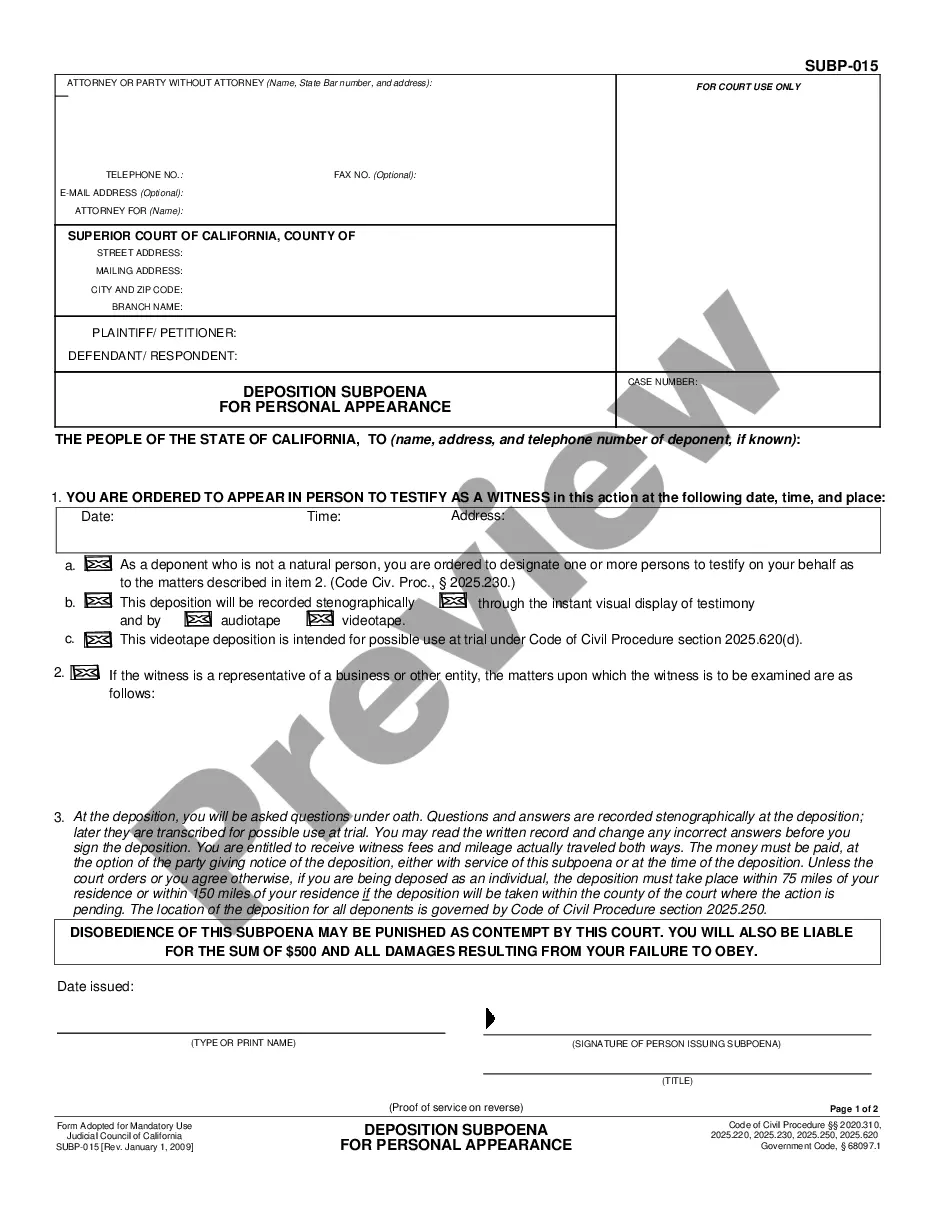
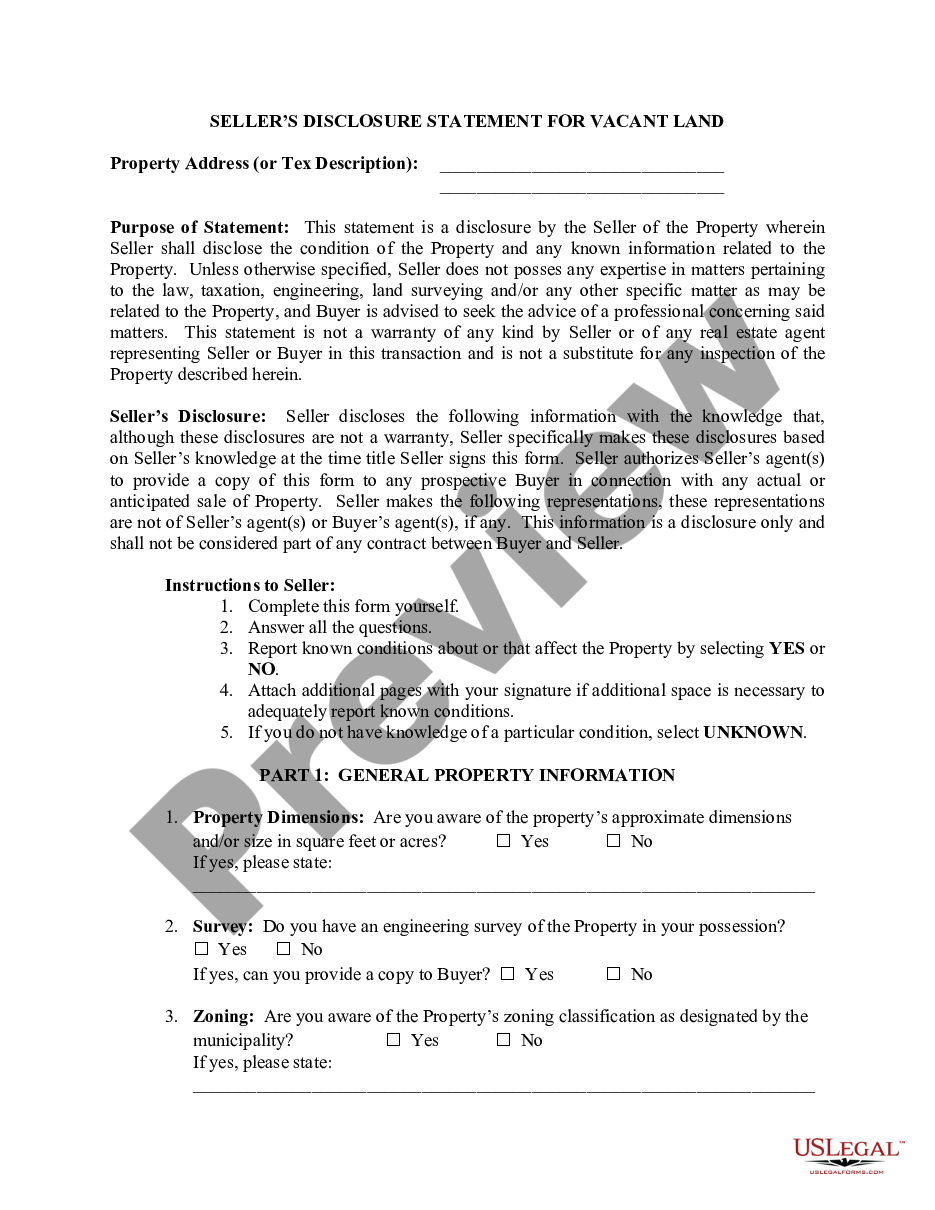
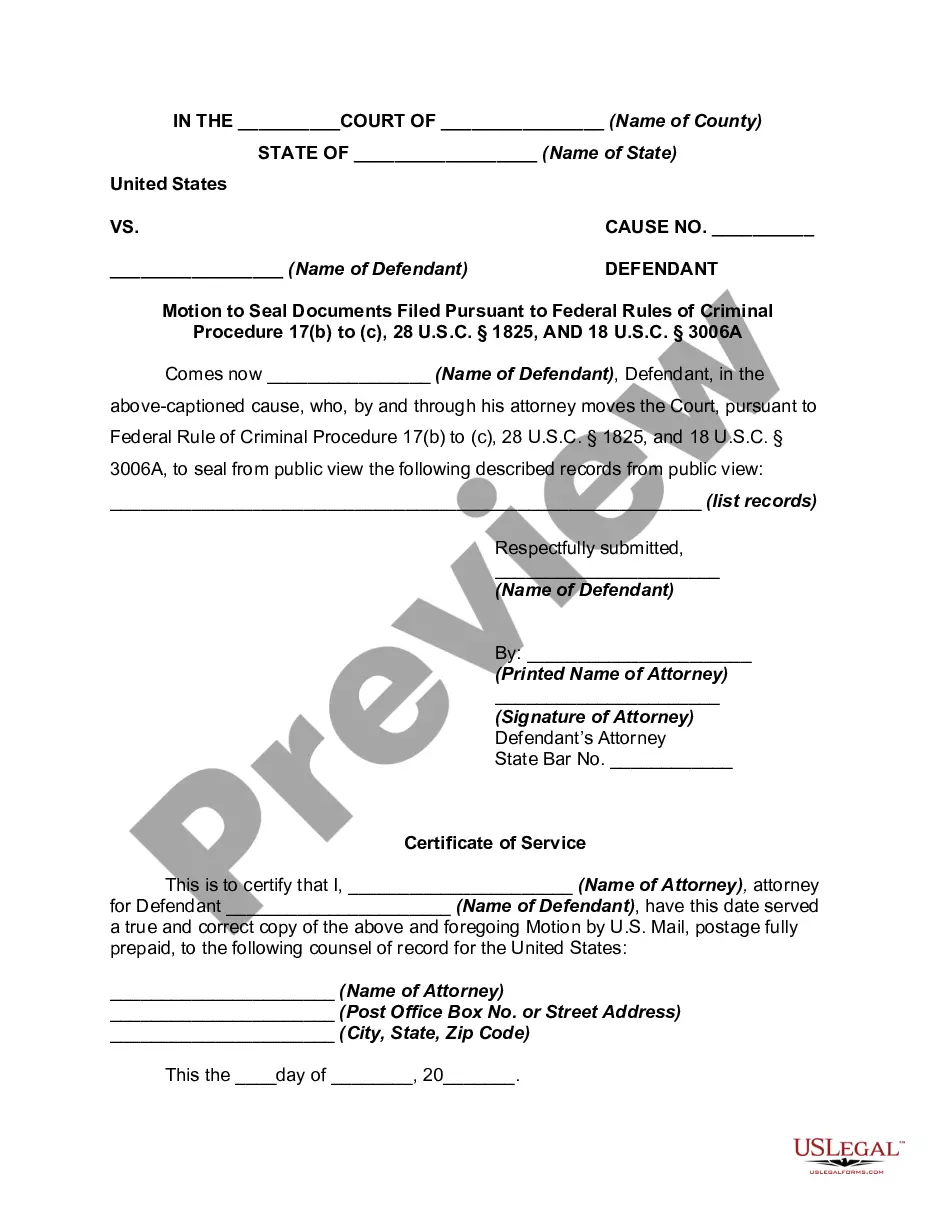
Form popularity
FAQ
Visit the Clerk's Office of the Superior Court to begin child custody proceedings. File a petition to begin child custody proceedings. You can file a petition for child custody in your county's Superior Court. If you are divorcing, the petition will be included in your divorce papers.
Courts usually have a tight schedule, and it'll take several trial dates before a child custody case is resolved. Most of the time, hearings get rescheduled due to various factors, and sometimes, a child custody case might take up to 18 months or more before it's concluded.
Timeline: Child custody cases can vary widely but often take several months to resolve. Process: The court prioritizes the child's best interests, which may involve evaluations, hearings, and mediation. Factors: High-conflict situations or disputes over parenting plans can lengthen the process.
Some of the key factors that judges consider include: The child's relationship with each parent. Each parent's ability to provide for the child's needs. The child's current living situation and any potential disruptions.
Timeline: Child custody cases can vary widely but often take several months to resolve. Process: The court prioritizes the child's best interests, which may involve evaluations, hearings, and mediation. Factors: High-conflict situations or disputes over parenting plans can lengthen the process.
Filing for child custody in GA in 6 steps Fill out a petition. File the petition and serve it on the other party. Be prepared for a response. Develop a parenting plan. File and serve the proposed parenting plan as ordered by the court. Go to court.
A: When you file for child or spousal support in California, the time it takes to receive temporary support depends on how soon a court hearing is scheduled. After you file your request, the court typically sets a hearing within a few weeks to a few months.
Mothers' Rights in Georgia For married parents, both parents have equal rights to child custody. However, if the mother is unwed, the law gives her sole custody of the child. The father cannot ask the court for custody unless he legitimizes the child first.
Factors in custody decisions The judge considers each parent's: Bond with the children. Ability and desire to provide the children with affection and guidance. Familiarity with the children's needs, plus capacity to provide for those needs.
Both parents have equal rights to custody of a child born during a marriage. What if the mother and father are separated and one wants sole custody? That parent must go to court and get legal custody. The court awards custody to the parent it decides can best raise the child.
