Authority Letter For Bank In Santa Clara
Description




Get your form ready online
Our built-in tools help you complete, sign, share, and store your documents in one place.
Make edits, fill in missing information, and update formatting in US Legal Forms—just like you would in MS Word.
Download a copy, print it, send it by email, or mail it via USPS—whatever works best for your next step.
Sign and collect signatures with our SignNow integration. Send to multiple recipients, set reminders, and more. Go Premium to unlock E-Sign.
If this form requires notarization, complete it online through a secure video call—no need to meet a notary in person or wait for an appointment.
We protect your documents and personal data by following strict security and privacy standards.

Make edits, fill in missing information, and update formatting in US Legal Forms—just like you would in MS Word.

Download a copy, print it, send it by email, or mail it via USPS—whatever works best for your next step.

Sign and collect signatures with our SignNow integration. Send to multiple recipients, set reminders, and more. Go Premium to unlock E-Sign.

If this form requires notarization, complete it online through a secure video call—no need to meet a notary in person or wait for an appointment.

We protect your documents and personal data by following strict security and privacy standards.
Looking for another form?
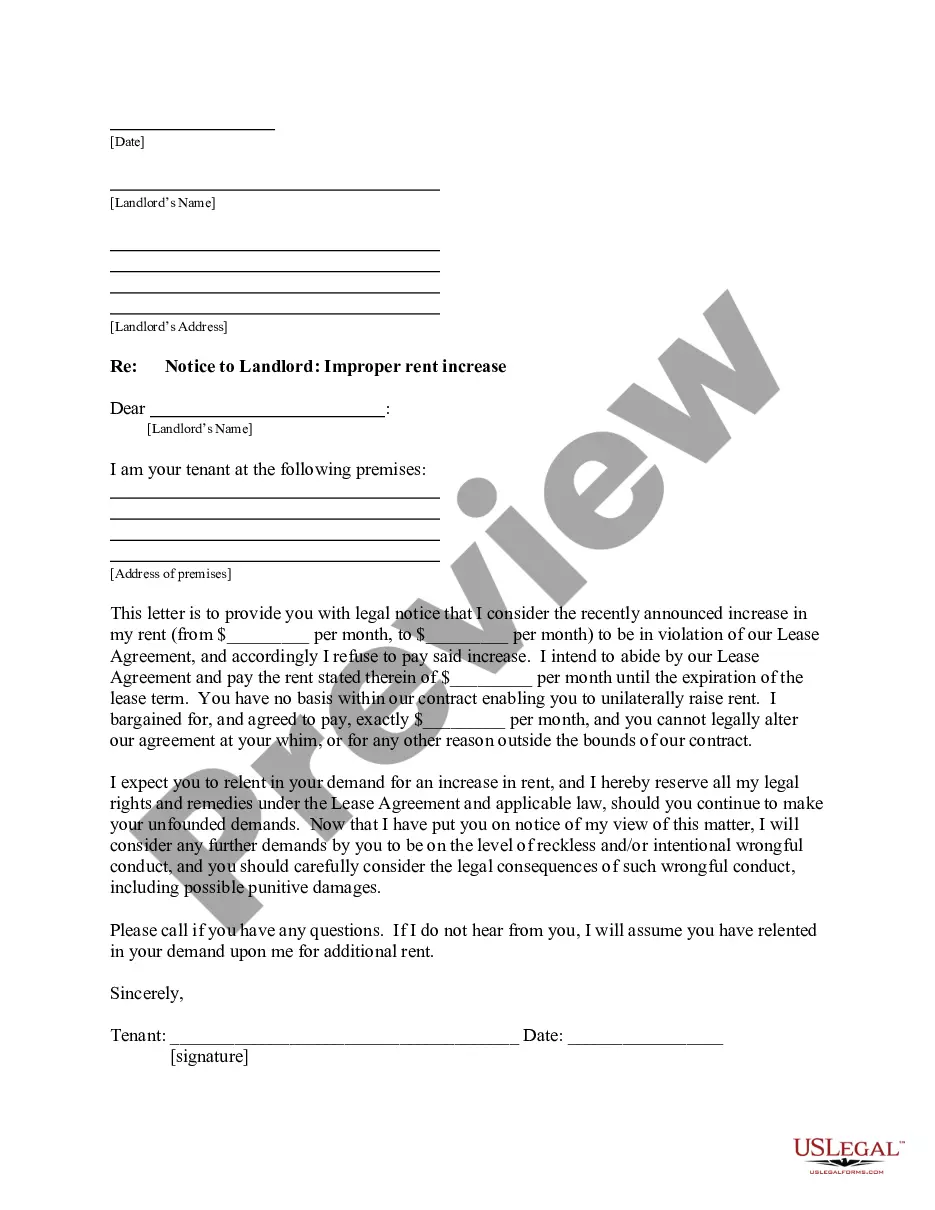

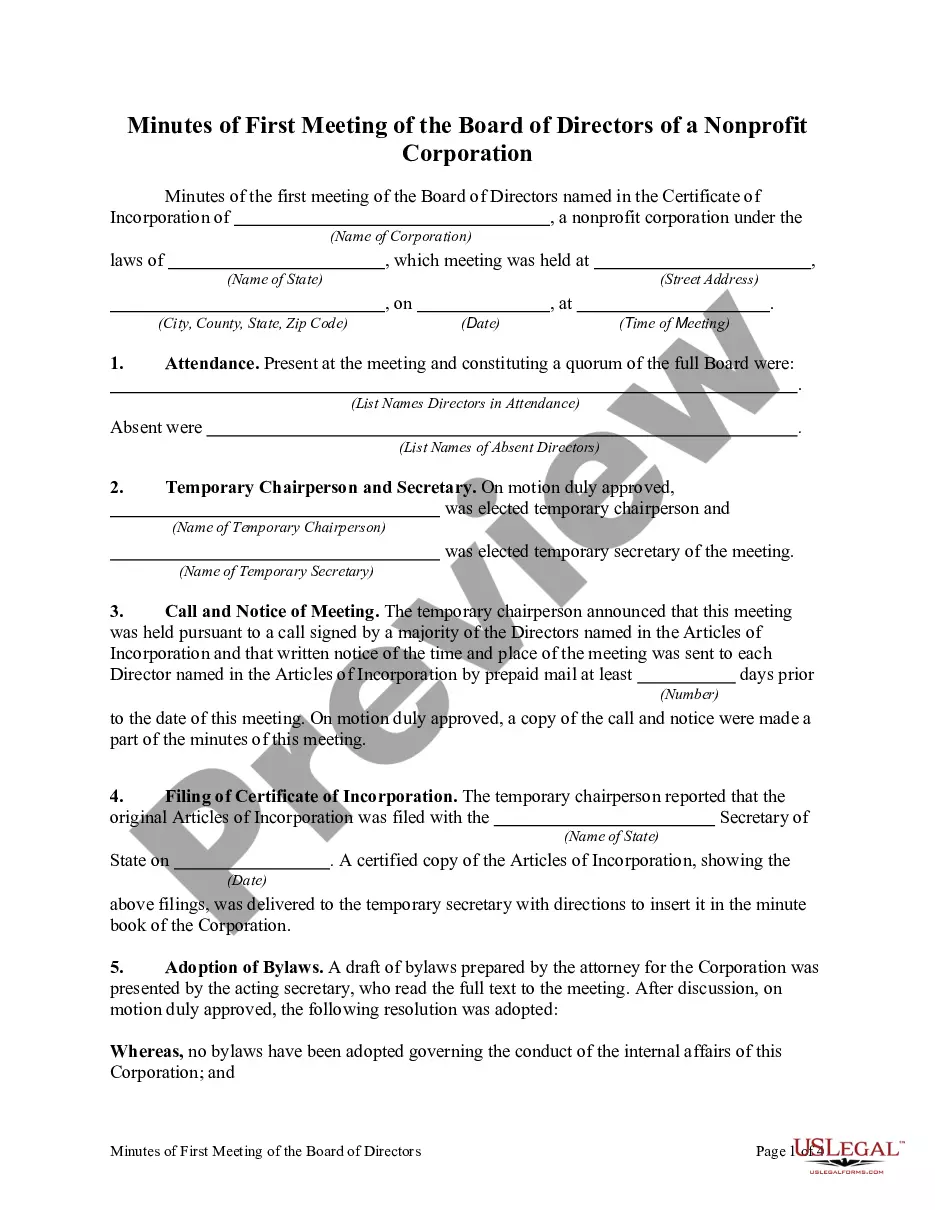





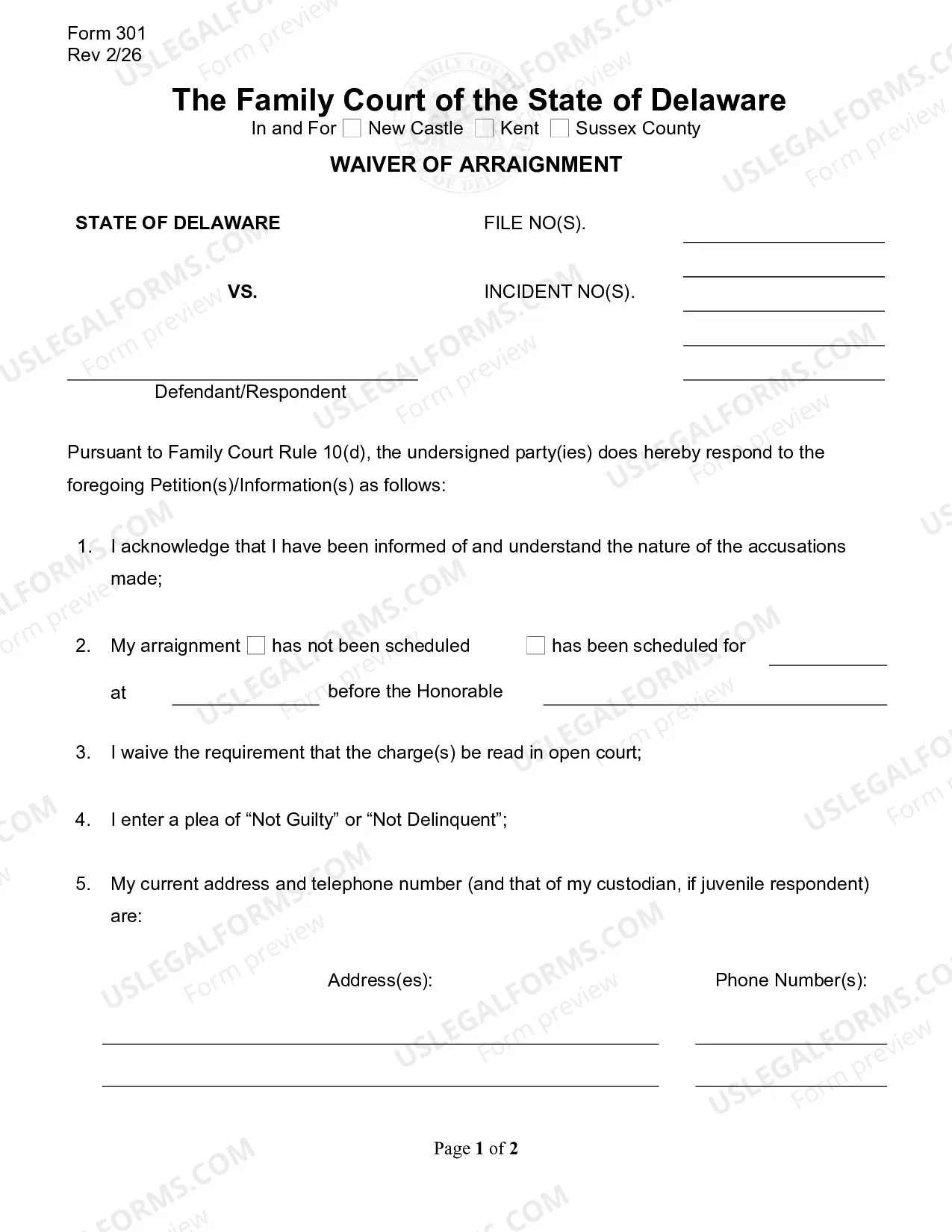

Form popularity
FAQ
Contact your bank for a power of attorney form. You'll provide information on to whom you're granting power of attorney, which transactions you want the person to be able to take, and for how long they're authorized to have access to your account.
Visit a bank branch together or call together (though some banks or credit unions allow you to do it online). Request to add the other person to your savings or checking account.
Three steps to become a representative Power of attorney – gives someone the legal authority to make decisions on behalf of the account holder. Third-party mandate – allows someone limited access to current and savings accounts. Court order – to appoint someone to act on behalf of the account holder, if they are unable.
How do I write a simple letter of authorization? Start with your name and contact information at the top. Include the current date. Write the recipient's name and contact information. Clearly state your name and that you're writing to grant authorization to another individual or organization.
The format of an authorization letter should include the date, the name of the person to whom it is addressed, details about the person who has been authorized (such as name and identity proof), the reason for his absence, the duration of the authorized letter, and the action to be performed by another person.
I/We _____________________________ do hereby authorize Mr./Ms. He/She is duly authorized to sign all necessary correspondence in this regard on our behalf. His/Her explanations / statements will be binding on me/us without exception.
How To Request/Obtain A Bank Letter Wells Fargo: 1 (800) 869-3557. Chase Bank: 1 (800) 432-3117. : 1 (800) 432-1000. Citibank: 1 (800) 374-9700. BMO Harris: 1 (888) 340-2265. PNC Financial Services: 1 (888) 762-2265. U.S. Bank: 1 (800) 872-2657. : 1 (877) 383-4802.
To obtain a bank confirmation letter from your bank you may request in-person at a bank branch from one of the bankers, by a phone call to the bank, and depending on the financial institution, through their online platform.
Please note: a bank verification letter can be used in place of voided checks, direct deposit forms, or bank signature cards to verify account information with external parties.

