Annual Meeting Corporate With Agency Counsel In Wayne
Description



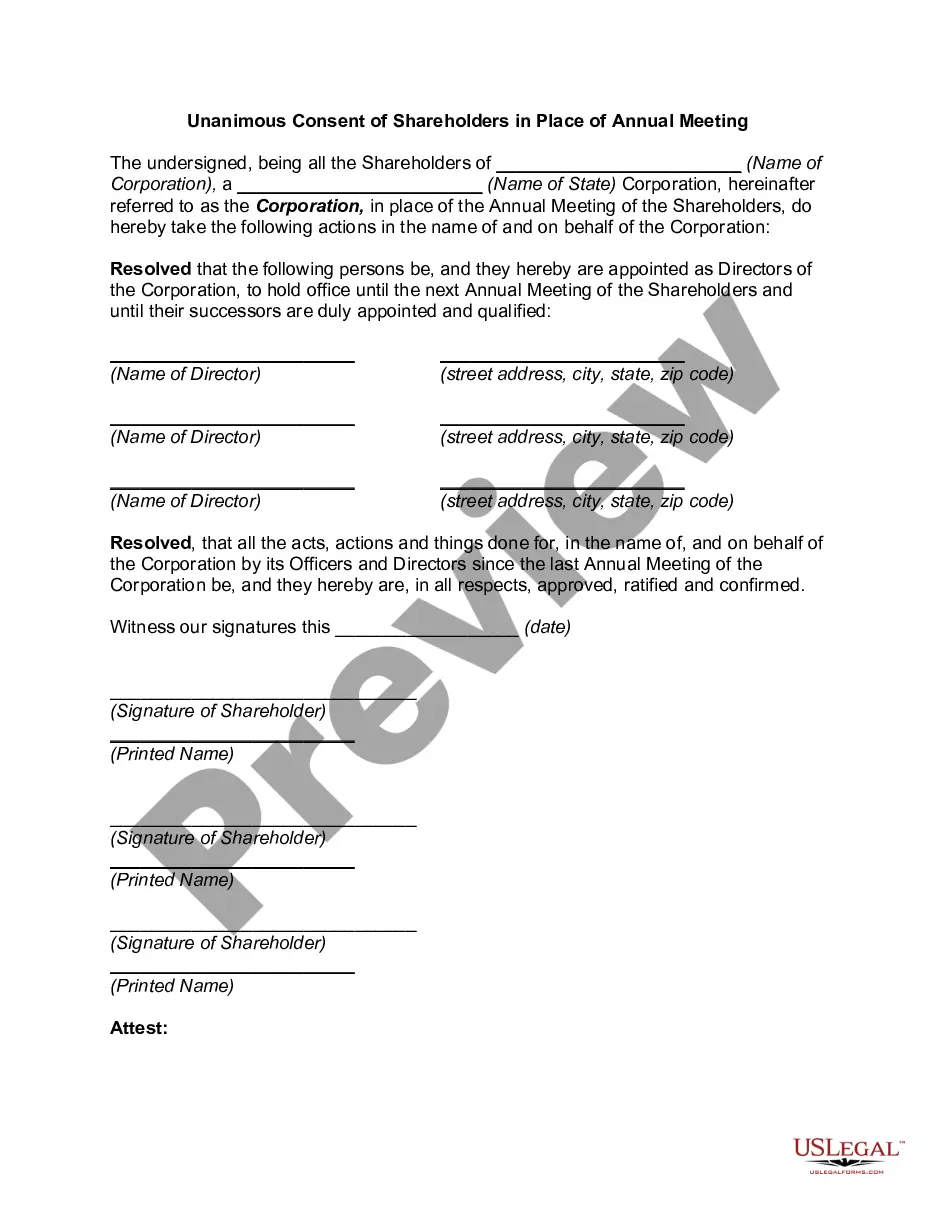
Get your form ready online
Our built-in tools help you complete, sign, share, and store your documents in one place.
Make edits, fill in missing information, and update formatting in US Legal Forms—just like you would in MS Word.
Download a copy, print it, send it by email, or mail it via USPS—whatever works best for your next step.
Sign and collect signatures with our SignNow integration. Send to multiple recipients, set reminders, and more. Go Premium to unlock E-Sign.
If this form requires notarization, complete it online through a secure video call—no need to meet a notary in person or wait for an appointment.
We protect your documents and personal data by following strict security and privacy standards.

Make edits, fill in missing information, and update formatting in US Legal Forms—just like you would in MS Word.

Download a copy, print it, send it by email, or mail it via USPS—whatever works best for your next step.

Sign and collect signatures with our SignNow integration. Send to multiple recipients, set reminders, and more. Go Premium to unlock E-Sign.

If this form requires notarization, complete it online through a secure video call—no need to meet a notary in person or wait for an appointment.

We protect your documents and personal data by following strict security and privacy standards.
Looking for another form?

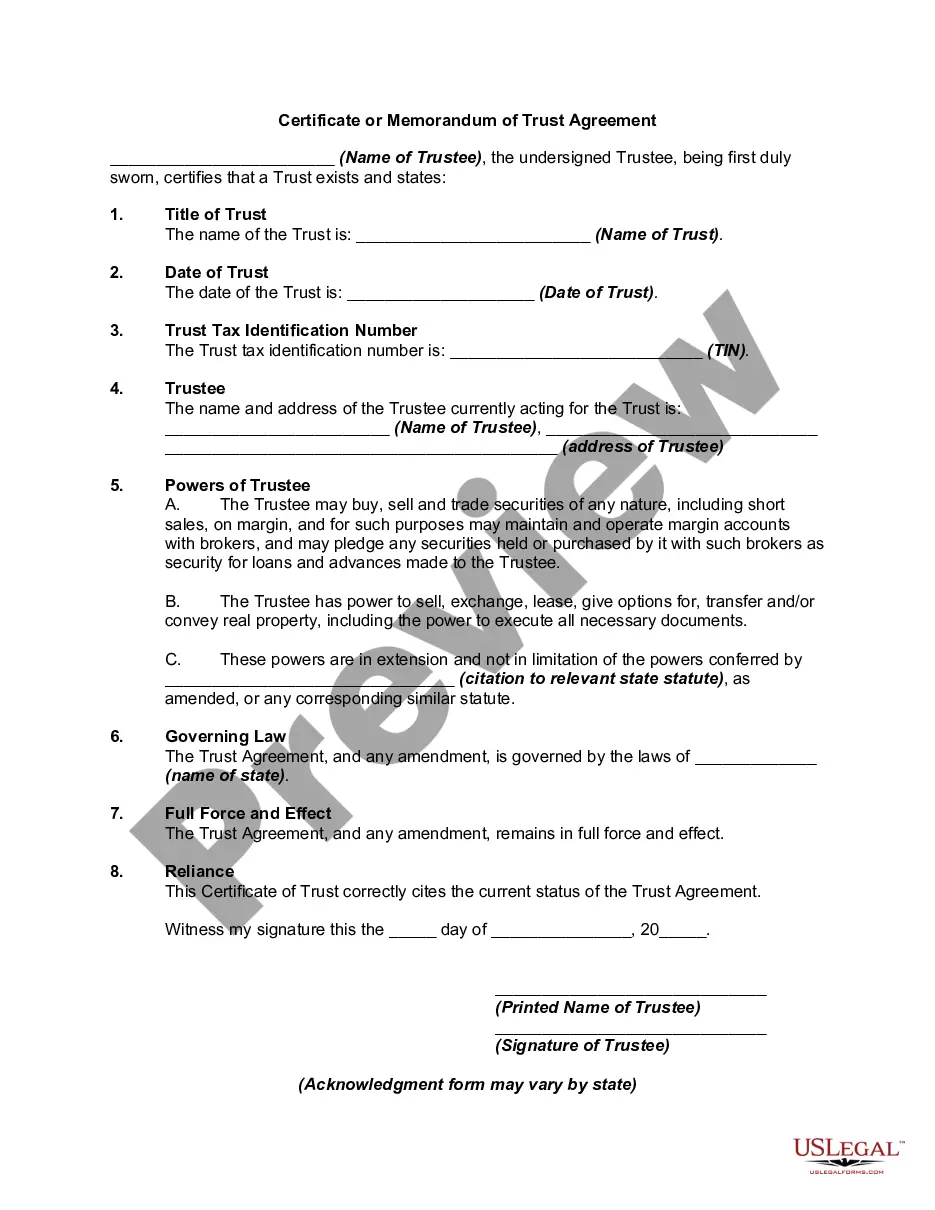
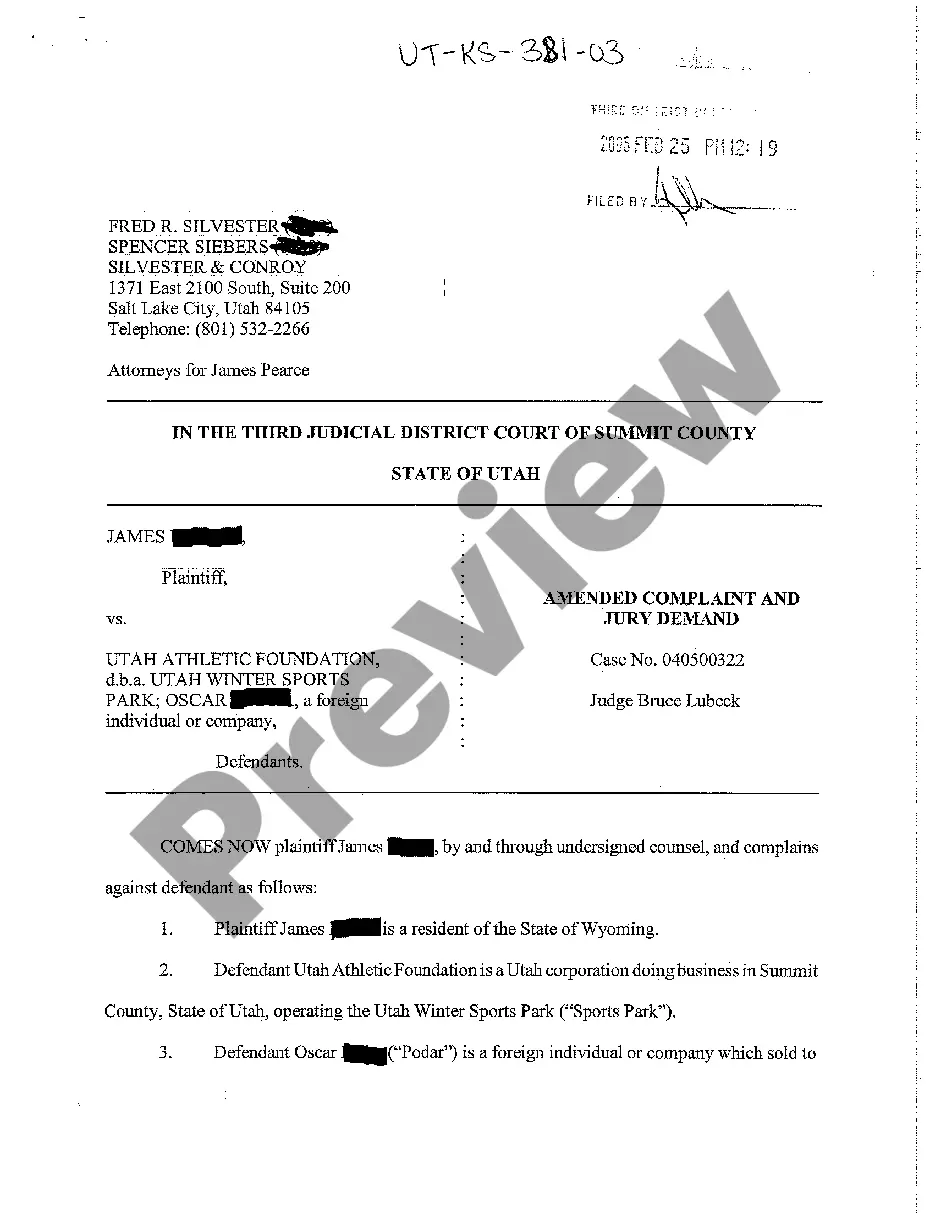
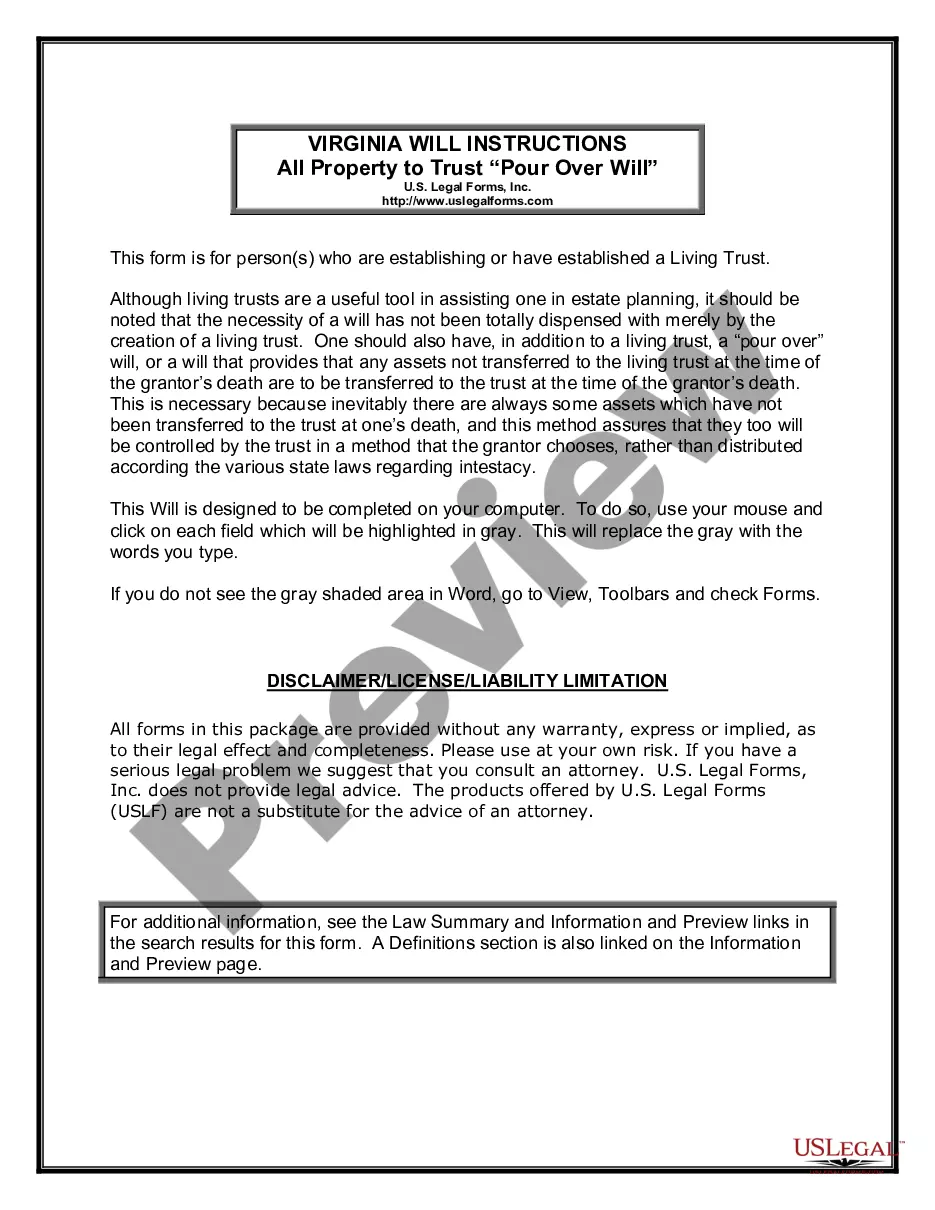


Form popularity
FAQ
Gartner research shows that external spend comprises approximately 45% of overall spend for the median legal department, yet legal leaders often have trouble understanding where much of that spend originates.
One of the most common reasons a company hires outside counsel is for complex legal matters. In-house counsel typically have a broad range of legal expertise, but there are times when specialized knowledge and experience are required.
Selection Protocol Consequently, the selection of outside counsel is a process that must include the superintendent. Not only are you selecting someone with a certain level of legal experience and acumen but also someone in whom you can have complete trust and confidence.
The corporation counsel is the title given to the chief legal officer who handles civil claims against the city in some U.S. municipal and county jurisdictions, including negotiating settlements and defending the city when it is sued.
5 Things to Know Before You Hire Outside Counsel What are their areas of expertise? Whom else do they represent? What is their experience before your assigned judge? In what jurisdictions do they have experience? What is their success rate?
One of the primary roles of corporate counsel is to provide ongoing legal guidance to their companies. This involves helping navigate everyday legal issues, such as employment law, intellectual property, and regulatory compliance, and developing long-term legal strategies that mesh with the business's plans for growth.
The Office of the General Counsel (OGC) is the legal team for the Department of Health and Human Services (HHS), providing quality representation and legal advice on a wide range of highly visible national issues.
Simply stated, corporate counsel protects the legal interests of a business. They are typically involved in all stages of the decision-making process, advising on the legal risks associated with various actions. General counsel typically are associated with the highest-levels of the company.
IN-HOUSE counsel are hired by a corporation's law department to handle a range of legal issues affecting the company, among them employment, policy, tax and regulatory matters. More prevalently, they play a managerial role, overseeing work that's been outsourced to attorneys at independent firms.
A general counsel, sometimes called GC, chief legal officer, or corporate counsel, is a company's main attorney and primary source of legal advice.. The GC typically reports directly to the CEO, because his or her opinions are integral to business decisions.
