Agreed Plead Agreement Form In Massachusetts
Description
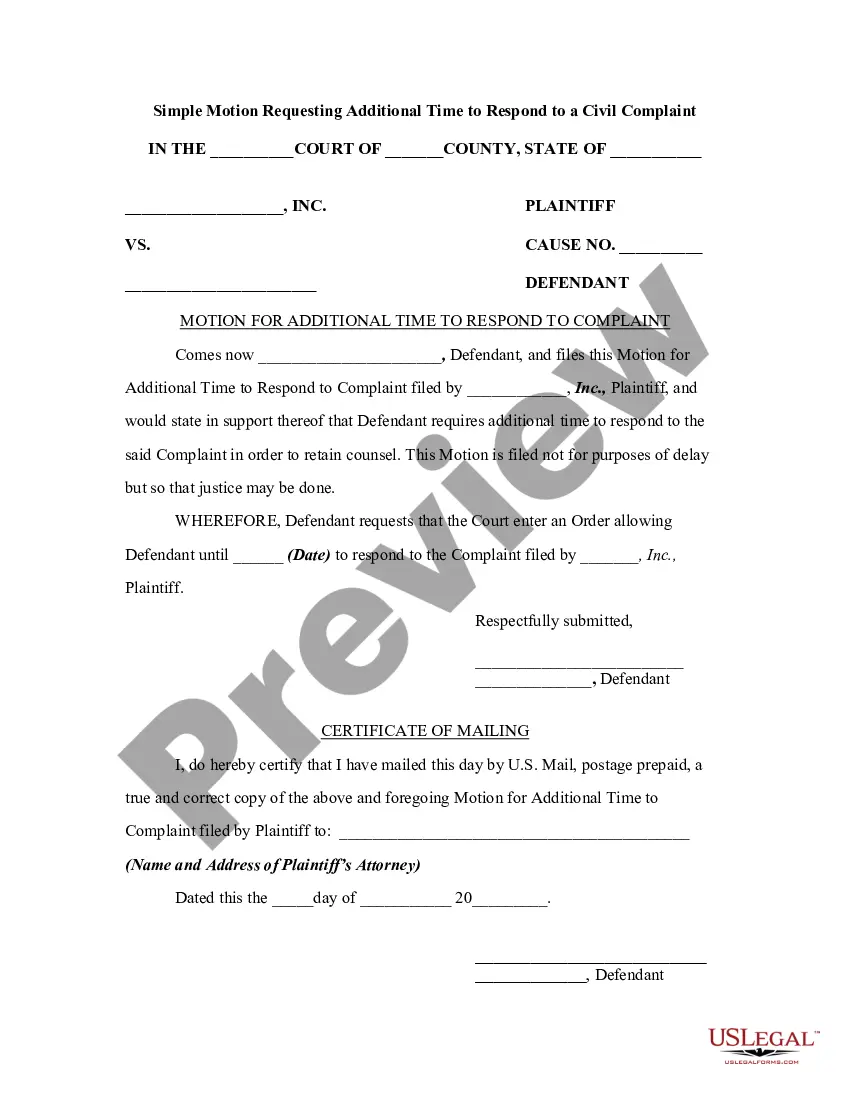
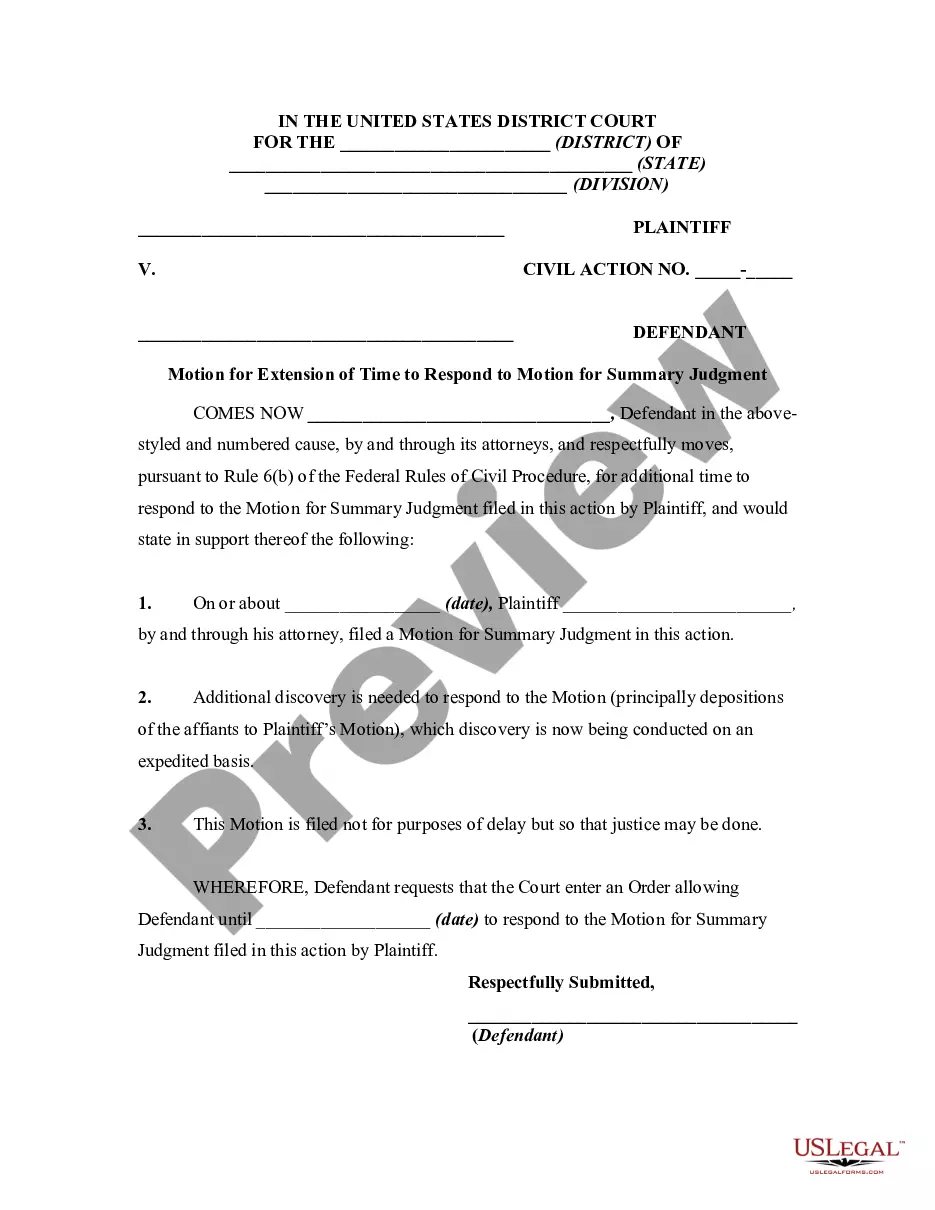
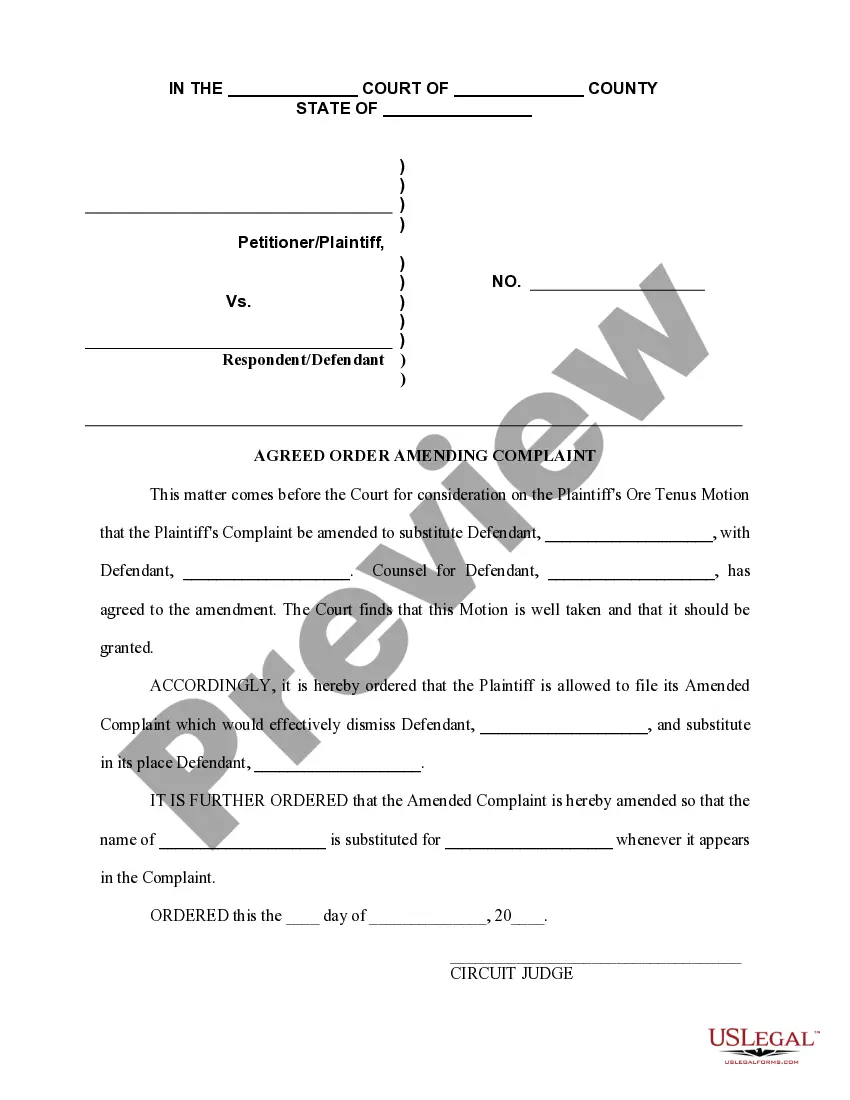
Get your form ready online
Our built-in tools help you complete, sign, share, and store your documents in one place.
Make edits, fill in missing information, and update formatting in US Legal Forms—just like you would in MS Word.
Download a copy, print it, send it by email, or mail it via USPS—whatever works best for your next step.
Sign and collect signatures with our SignNow integration. Send to multiple recipients, set reminders, and more. Go Premium to unlock E-Sign.
If this form requires notarization, complete it online through a secure video call—no need to meet a notary in person or wait for an appointment.
We protect your documents and personal data by following strict security and privacy standards.

Make edits, fill in missing information, and update formatting in US Legal Forms—just like you would in MS Word.

Download a copy, print it, send it by email, or mail it via USPS—whatever works best for your next step.

Sign and collect signatures with our SignNow integration. Send to multiple recipients, set reminders, and more. Go Premium to unlock E-Sign.

If this form requires notarization, complete it online through a secure video call—no need to meet a notary in person or wait for an appointment.

We protect your documents and personal data by following strict security and privacy standards.
Looking for another form?
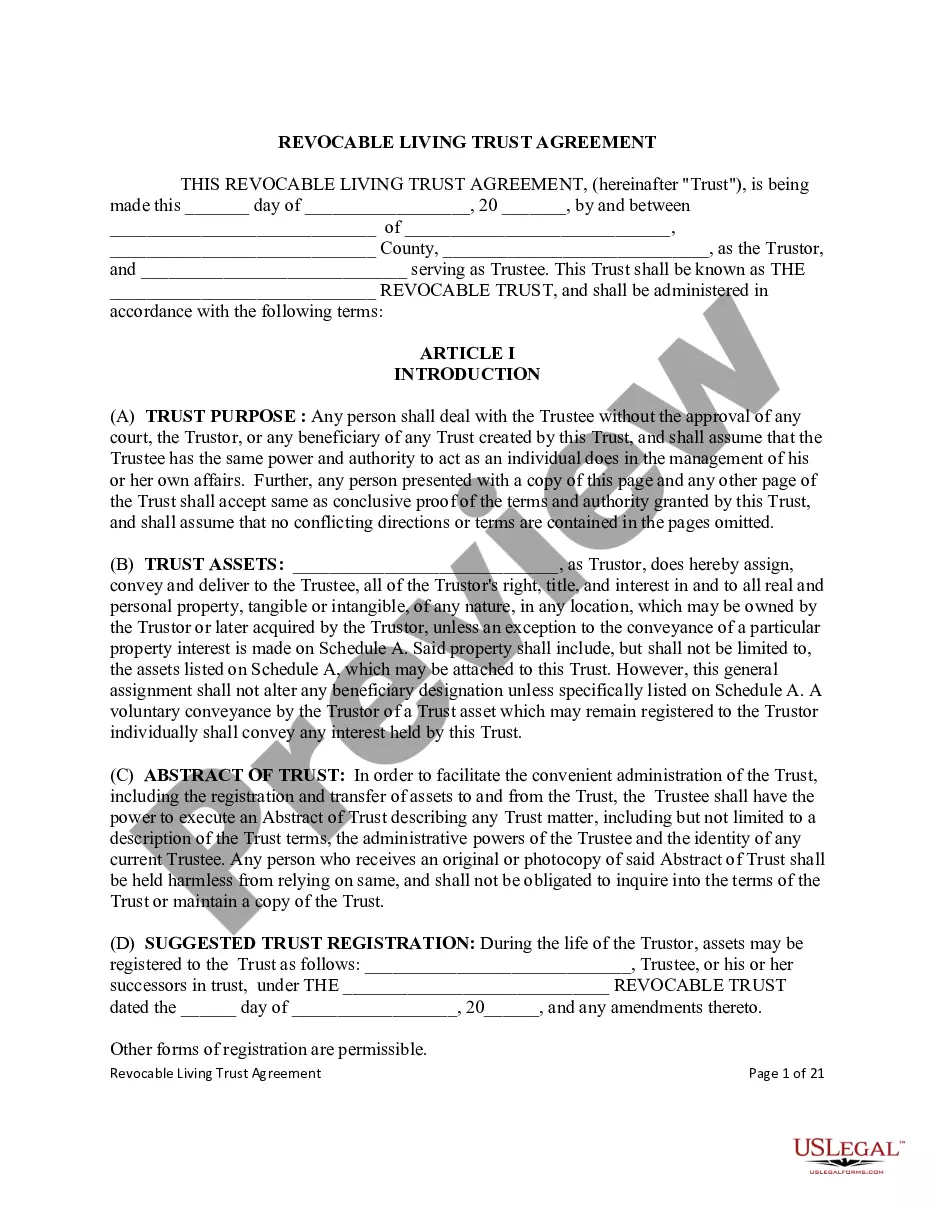
Form popularity
FAQ
Instead the courts seal plea agreements on a case-by-case basis under an order by the judge. In these districts, if the agreements aren't ordered to be sealed, they include any cooperation information and are open to the public and available on PACER, the federal online docketing system.
In the event that some form of the deal is accepted, the judge will hear the plea in open court and sentence the defendant. This may happen at a special hearing if the defendant is in custody, but otherwise the plea probably will go on the record at the next scheduled hearing.
Ing to California Penal Code 1016, there are three ways a defendant may plea: guilty, not guilty, and no contest.
The underlying facts of the case (or factual basis for the plea) the interests of the victim (although a court can accept or reject a plea agreement without the victim's approval), and. the interests of the general public.
Plea bargaining occurs when a District Attorney and defense counsel negotiate the charges to which a defendant will plead guilty, and the defendant consents to the deal. Plea bargaining eliminates the need for a jury trial. The negotiation in San Mateo County occurs in the presence of a judge who sets the sentence.
Many successful criminal prosecutions in the United States end not with jury trials , but with plea bargains. Plea bargains are agreements between defendants and prosecutors in which defendants agree to plead guilty to some or all of the charges against them in exchange for concessions from the prosecutors .
Federal case files are maintained electronically and are available through the internet-based Public Access to Court Electronic Records (PACER) service. PACER allows anyone with an account to search and locate appellate, district, and bankruptcy court case and docket information. Register for a PACER account.
Court Approval and Plea Agreements in California A judge must approve a plea deal. Once you have reached an agreement with the prosecution, the judge hears the details of the deal. The judge will ask you to confirm that you are voluntarily entering the plea.
Instead the courts seal plea agreements on a case-by-case basis under an order by the judge. In these districts, if the agreements aren't ordered to be sealed, they include any cooperation information and are open to the public and available on PACER, the federal online docketing system.
Anyone can access PACER to view federal court records, but first you need to register for a PACER account. Case information is available through PACER 24 hours a day, including weekends and holidays. Each court maintains its own case information.