Agreed Plead Agreement Form
Description
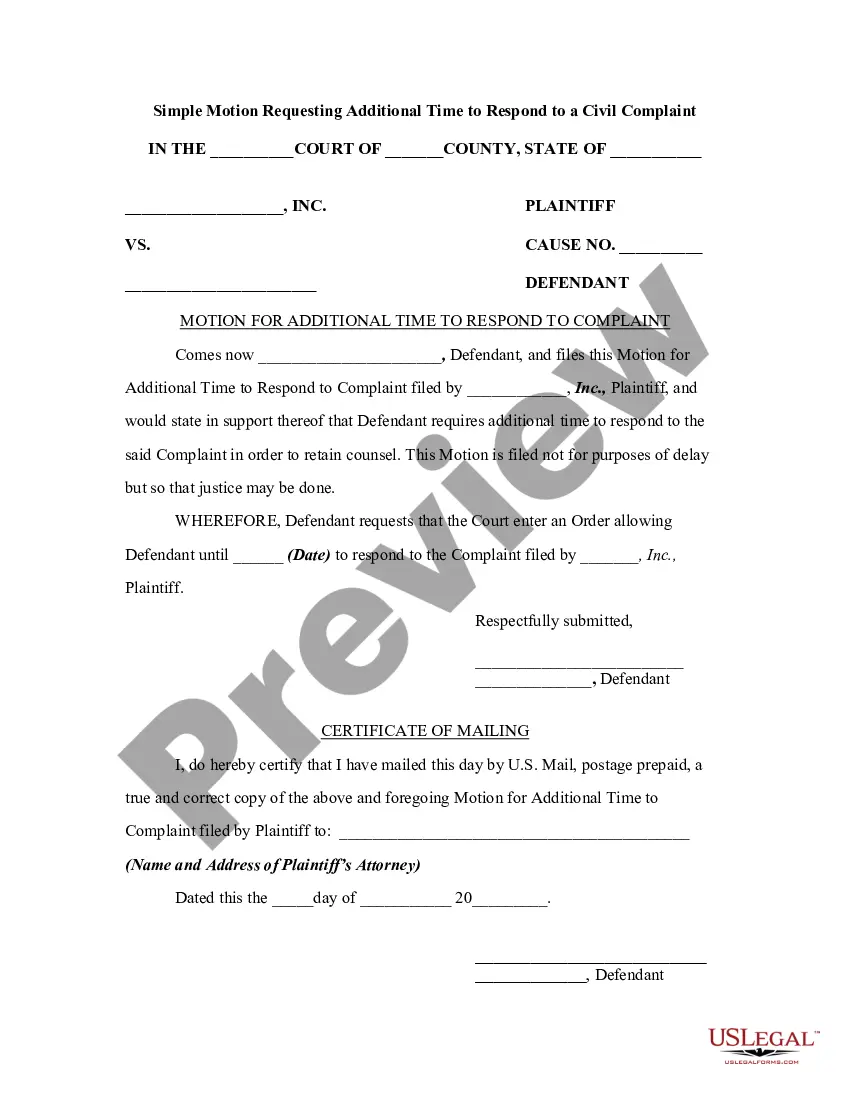
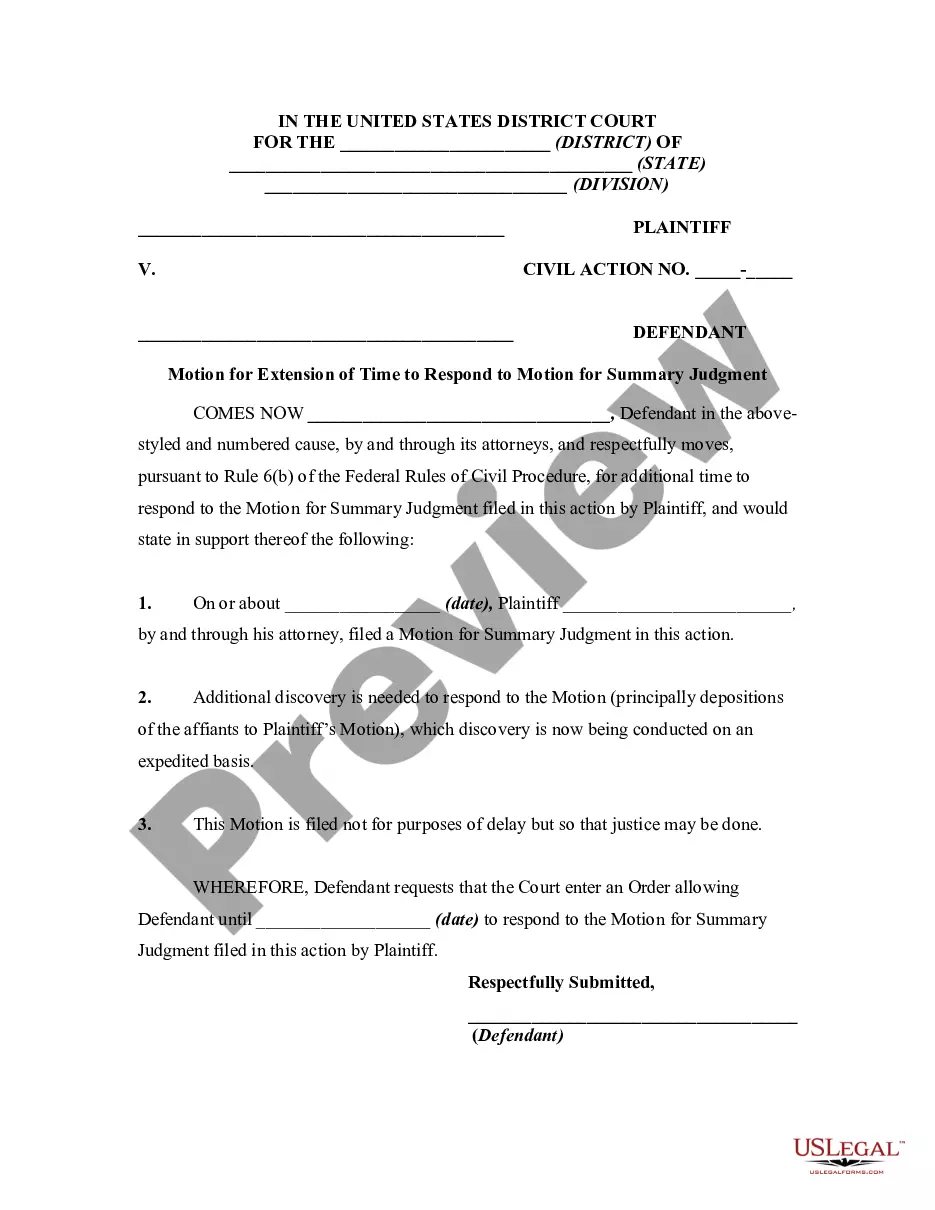
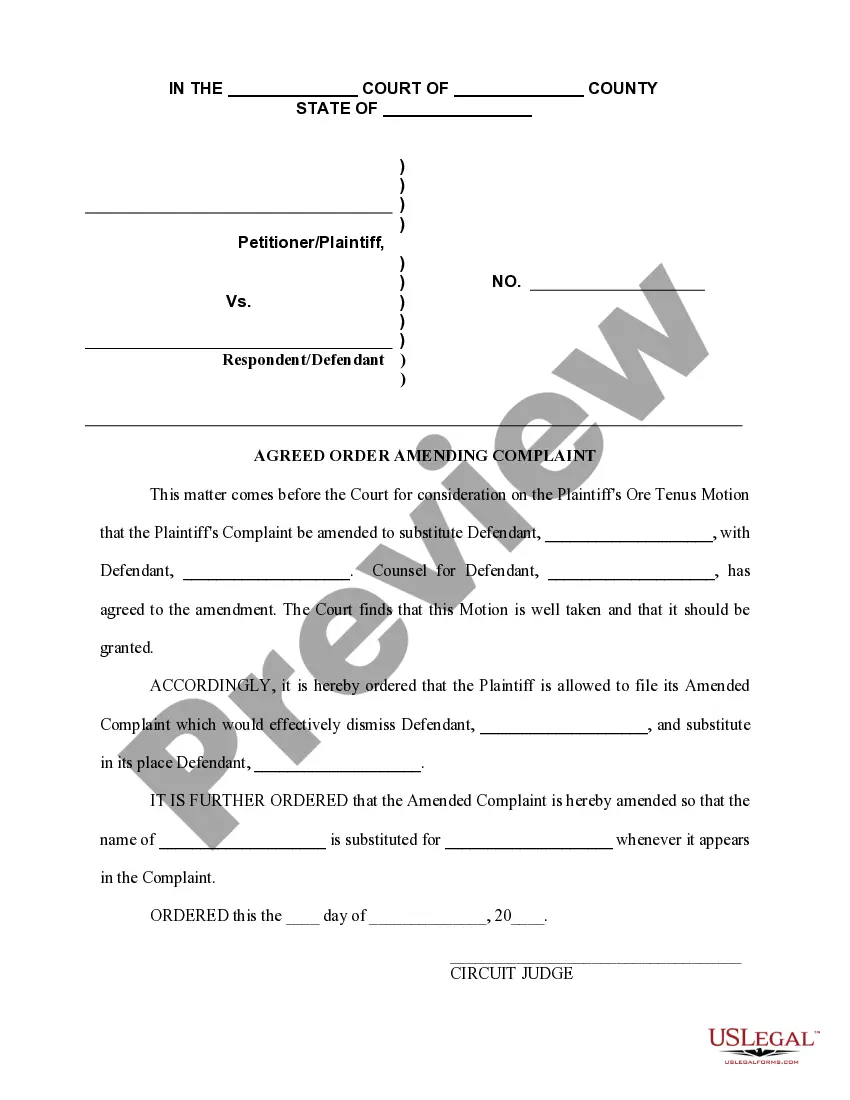
Get your form ready online
Our built-in tools help you complete, sign, share, and store your documents in one place.
Make edits, fill in missing information, and update formatting in US Legal Forms—just like you would in MS Word.
Download a copy, print it, send it by email, or mail it via USPS—whatever works best for your next step.
Sign and collect signatures with our SignNow integration. Send to multiple recipients, set reminders, and more. Go Premium to unlock E-Sign.
If this form requires notarization, complete it online through a secure video call—no need to meet a notary in person or wait for an appointment.
We protect your documents and personal data by following strict security and privacy standards.

Make edits, fill in missing information, and update formatting in US Legal Forms—just like you would in MS Word.

Download a copy, print it, send it by email, or mail it via USPS—whatever works best for your next step.

Sign and collect signatures with our SignNow integration. Send to multiple recipients, set reminders, and more. Go Premium to unlock E-Sign.

If this form requires notarization, complete it online through a secure video call—no need to meet a notary in person or wait for an appointment.

We protect your documents and personal data by following strict security and privacy standards.
Looking for another form?
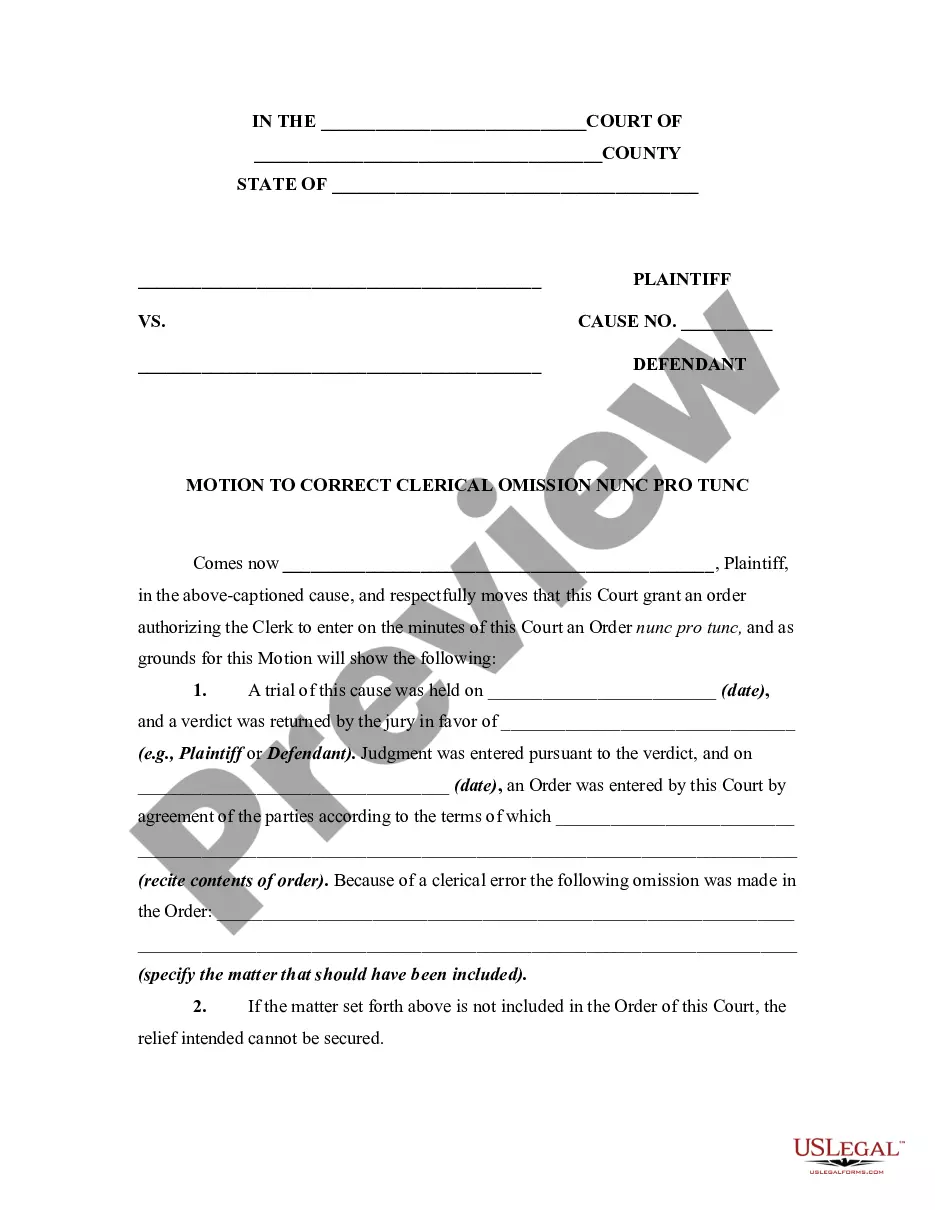


How to fill out Agreed Order Granting Additional Time To Plead?
There is no longer a need to invest time searching for legal documents to fulfill your local state obligations. US Legal Forms has compiled all of them in a centralized location and simplified their accessibility.
Our platform provides over 85,000 templates for various business and personal legal events organized by state and purpose.
All forms are expertly drafted and validated, ensuring you can trust you are getting a current Agreed Plead Agreement Form.
Print your form to complete it manually or upload the sample if you prefer to fill it out using an online editor. Creating formal documents according to federal and state laws and regulations is quick and easy with our library. Try US Legal Forms today to maintain your documentation organized!
- If you are acquainted with our platform and already have an account, make sure your subscription is valid before accessing any templates.
- Log In to your account, choose the document, and click Download.
- You can also revisit all saved documents whenever necessary by navigating to the My documents tab in your profile.
- If you are new to our platform, the process will require a few additional steps to complete.
- Here's how new users can locate the Agreed Plead Agreement Form in our collection.
- Examine the page content thoroughly to ensure it includes the sample you need.
- Utilize the form description and preview options if available to assist you.
- If the previous template isn't suitable, use the search bar above to look for another template.
- Once you find the appropriate template, click Buy Now next to its name.
- Select the desired subscription plan and create an account or Log In.
- Complete your payment for the subscription using a credit card or PayPal to proceed.
- Choose the file format for your Agreed Plead Agreement Form and download it to your device.
Form popularity
FAQ
If a prosecutor reneges on plea bargains, defendants may seek relief from the judge. The judge might let the defendant withdraw the guilty pleas, may force the prosecutor to follow the plea bargain, or may apply some other remedy.
The most common plea bargain is a charge bargain. Sentence bargaining is when the prosecution agrees to allow a defendant to plead to a lesser charge in return for dismissing more serious charges.
Begin the plea letter with a short introduction of yourself. State your plea. Be very clear about how you are pleading. If you are pleading not guilty by reason of insanity, be sure to include those words.
For example, a defendant charged with a robbery that carries a maximum sentence of ten years in prison. During the plea-bargaining process, the two sides might agree that the defendant will spend at least one year in prison, but cap the maximum sentence at five years.
The three most common types of plea agreements are charge bargaining, count bargaining, and sentence bargaining. In a charge bargain, the defendant pleads guilty to a less serious charge than the one originally specified.