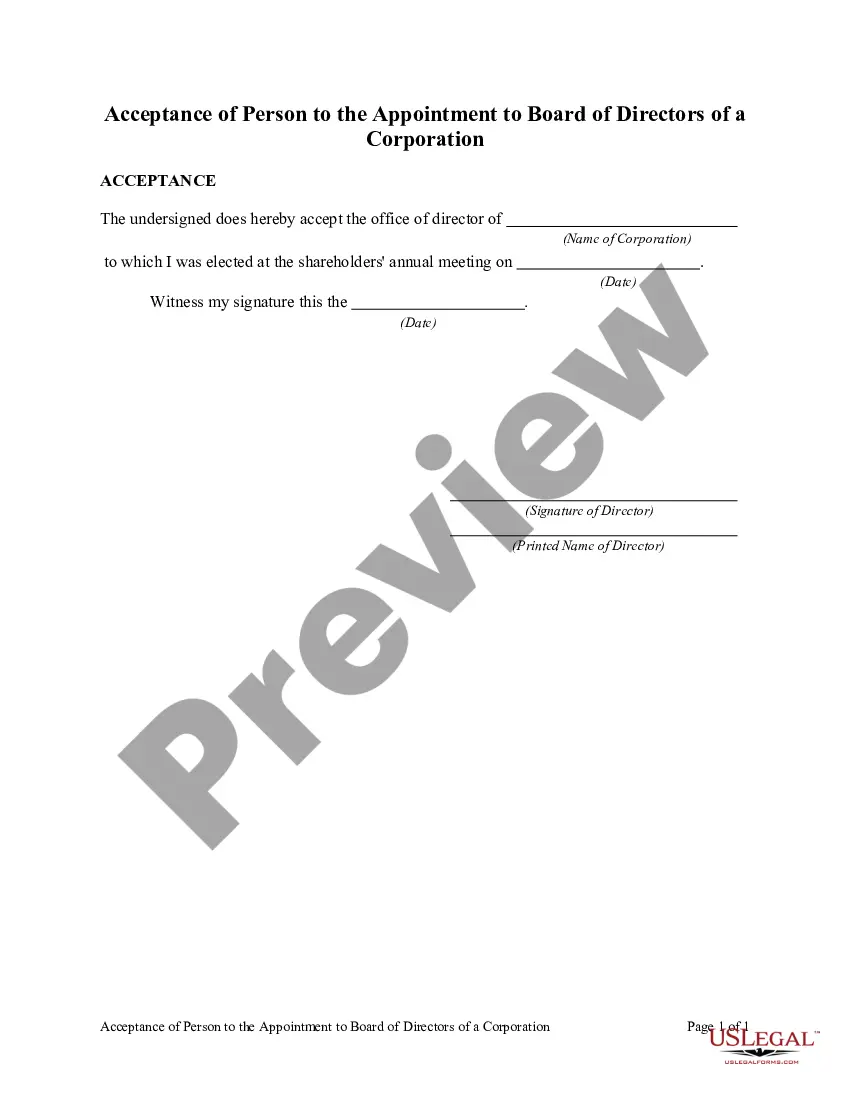
Directors Appointment And Removal In Salt Lake
Description

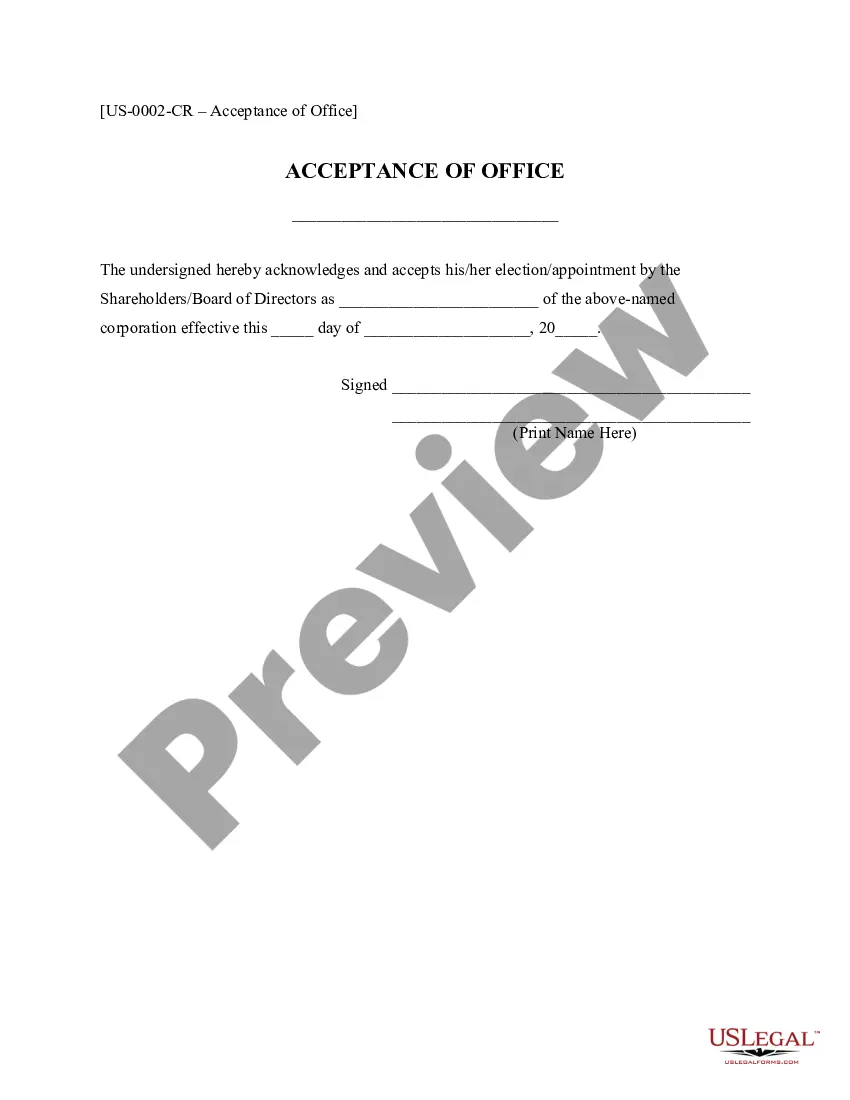

Get your form ready online
Our built-in tools help you complete, sign, share, and store your documents in one place.
Make edits, fill in missing information, and update formatting in US Legal Forms—just like you would in MS Word.
Download a copy, print it, send it by email, or mail it via USPS—whatever works best for your next step.
Sign and collect signatures with our SignNow integration. Send to multiple recipients, set reminders, and more. Go Premium to unlock E-Sign.
If this form requires notarization, complete it online through a secure video call—no need to meet a notary in person or wait for an appointment.
We protect your documents and personal data by following strict security and privacy standards.

Make edits, fill in missing information, and update formatting in US Legal Forms—just like you would in MS Word.

Download a copy, print it, send it by email, or mail it via USPS—whatever works best for your next step.

Sign and collect signatures with our SignNow integration. Send to multiple recipients, set reminders, and more. Go Premium to unlock E-Sign.

If this form requires notarization, complete it online through a secure video call—no need to meet a notary in person or wait for an appointment.

We protect your documents and personal data by following strict security and privacy standards.
Looking for another form?


Form popularity
FAQ
76-9-702.3. Public urination. under circumstances which the person should know will likely cause affront or alarm to another. Public urination is an infraction.
General standards of conduct for directors and officers. An officer with discretionary authority shall discharge the officer's duties under that authority in ance with Subsection (2). in a manner the director or officer reasonably believes to be in the best interests of the nonprofit corporation.
No public officer or public employee shall have personal investments in any business entity which will create a substantial conflict between their private interests and their public duties (Utah State Code §67-16-9).
Removal of directors. Directors elected by voting members or directors may be removed as provided in Subsections (1)(a) through (f). The voting members may remove one or more directors elected by them with or without cause unless the bylaws provide that directors may be removed only for cause.
The most common policy for member organizations is to call a meeting of members and notify the board member in writing that they will be voted upon during said meeting. From there, bylaws can require the majority of (or sometimes more) members to vote to remove the board member.