Secured Debt Shall Formula In Wayne
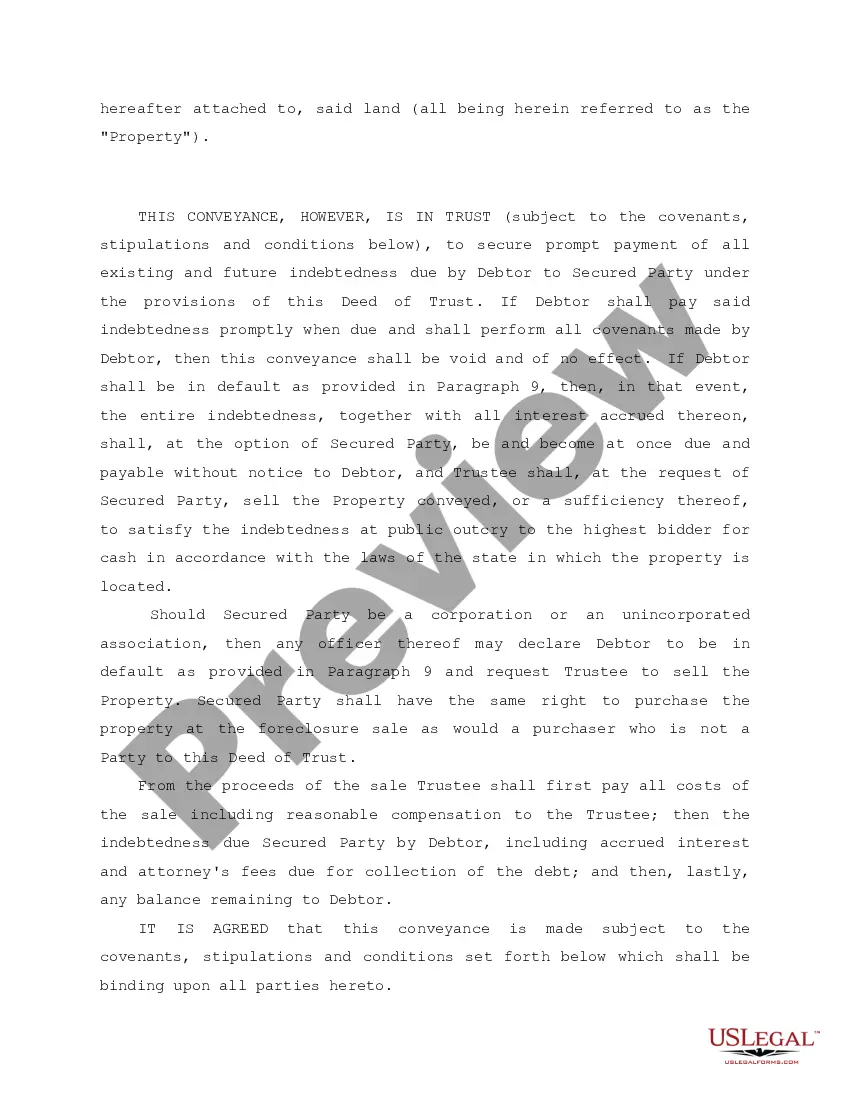
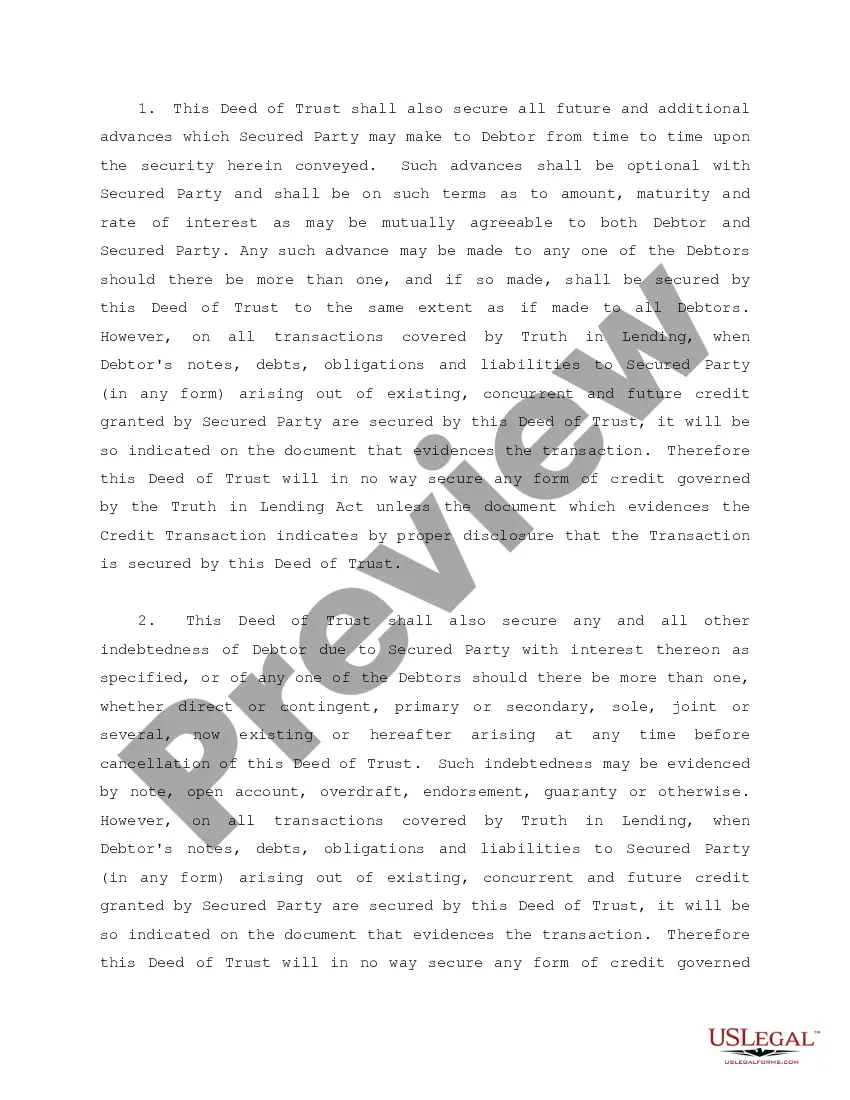
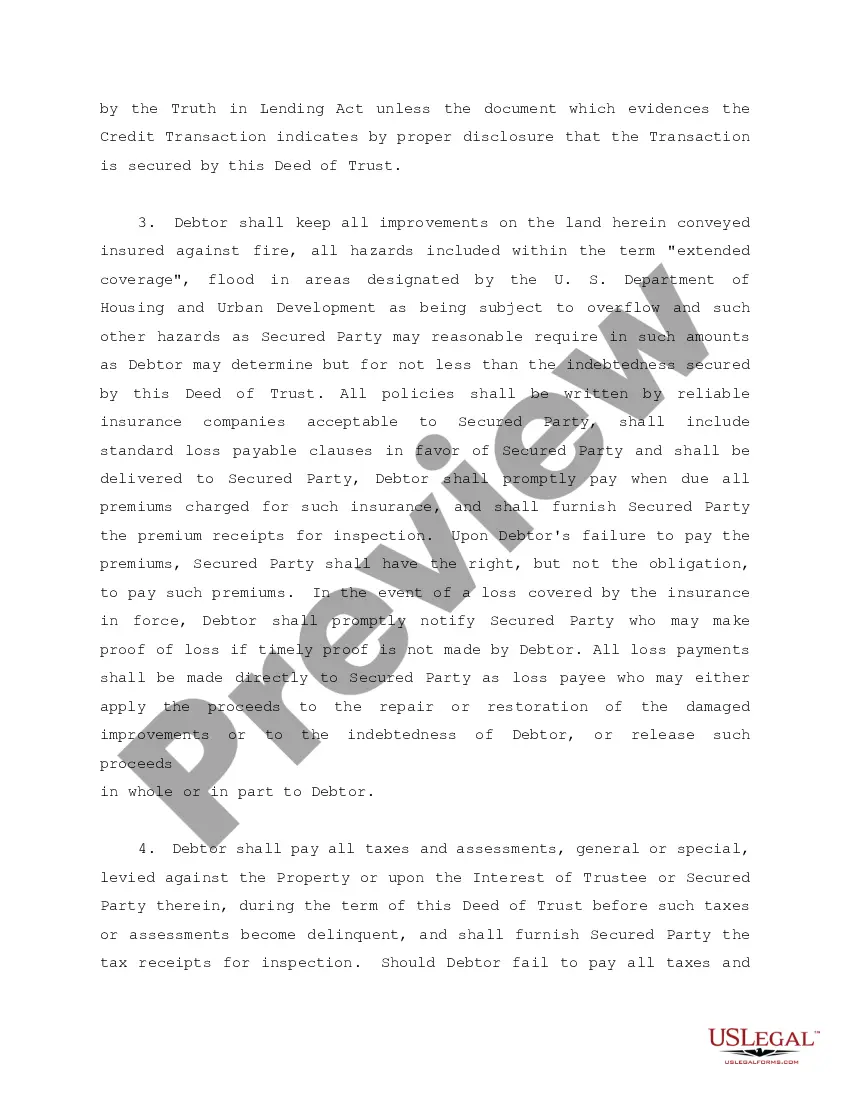
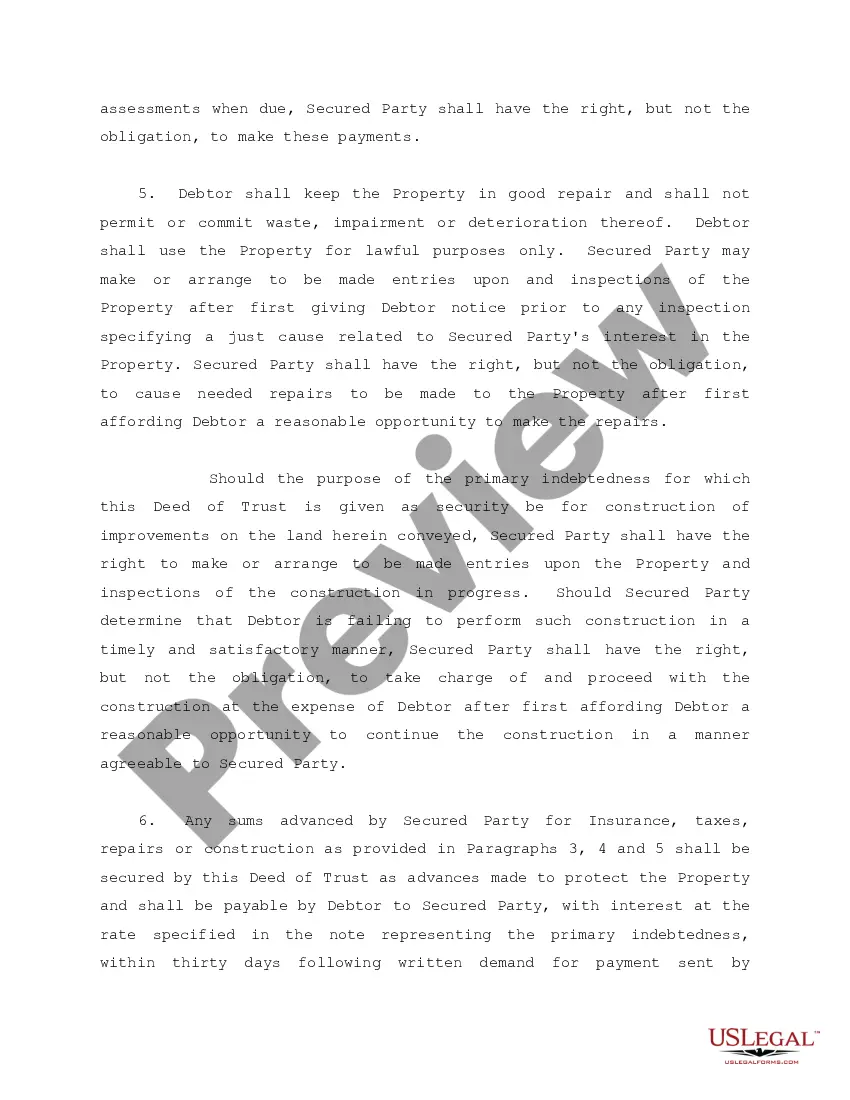
Description

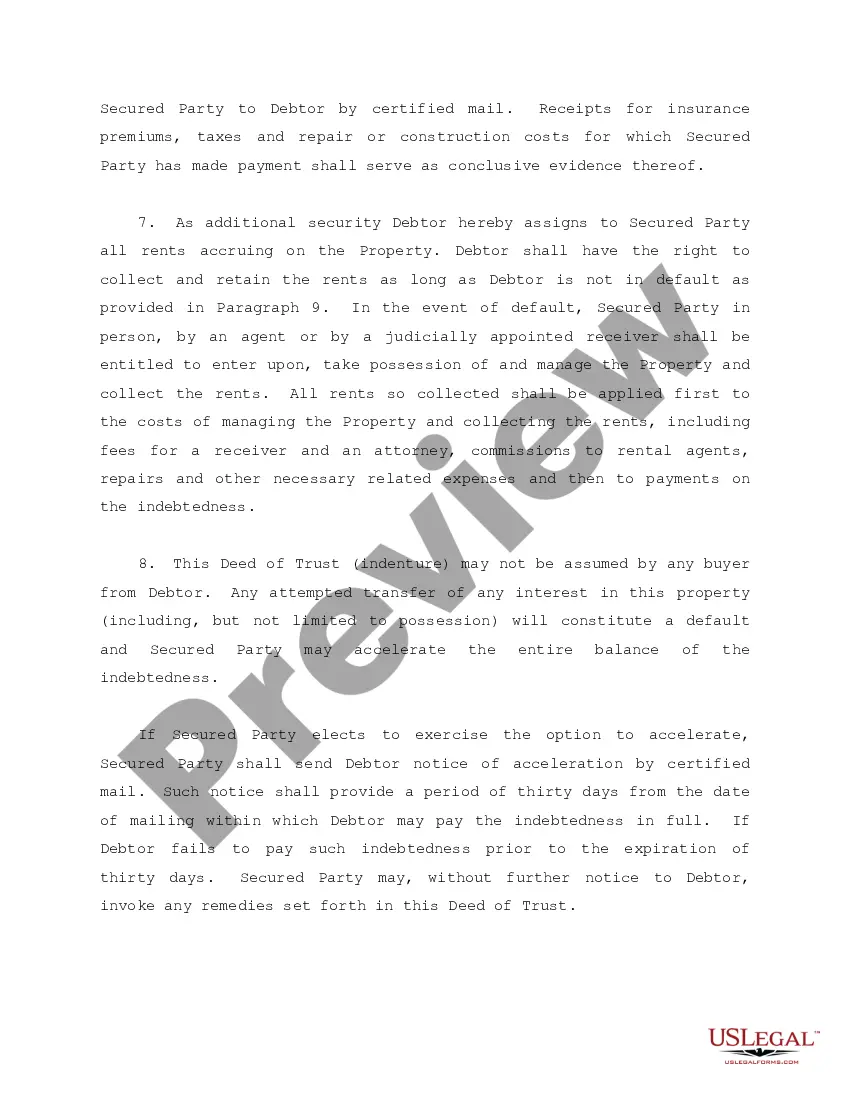
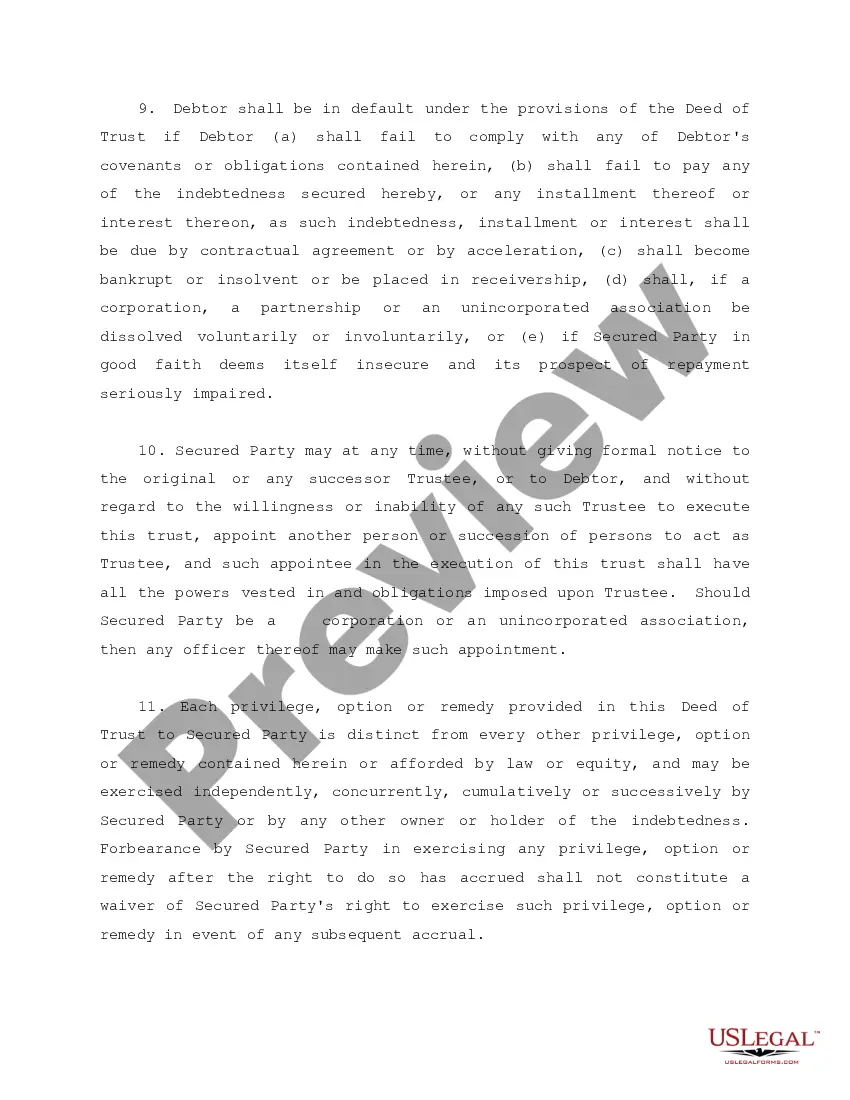
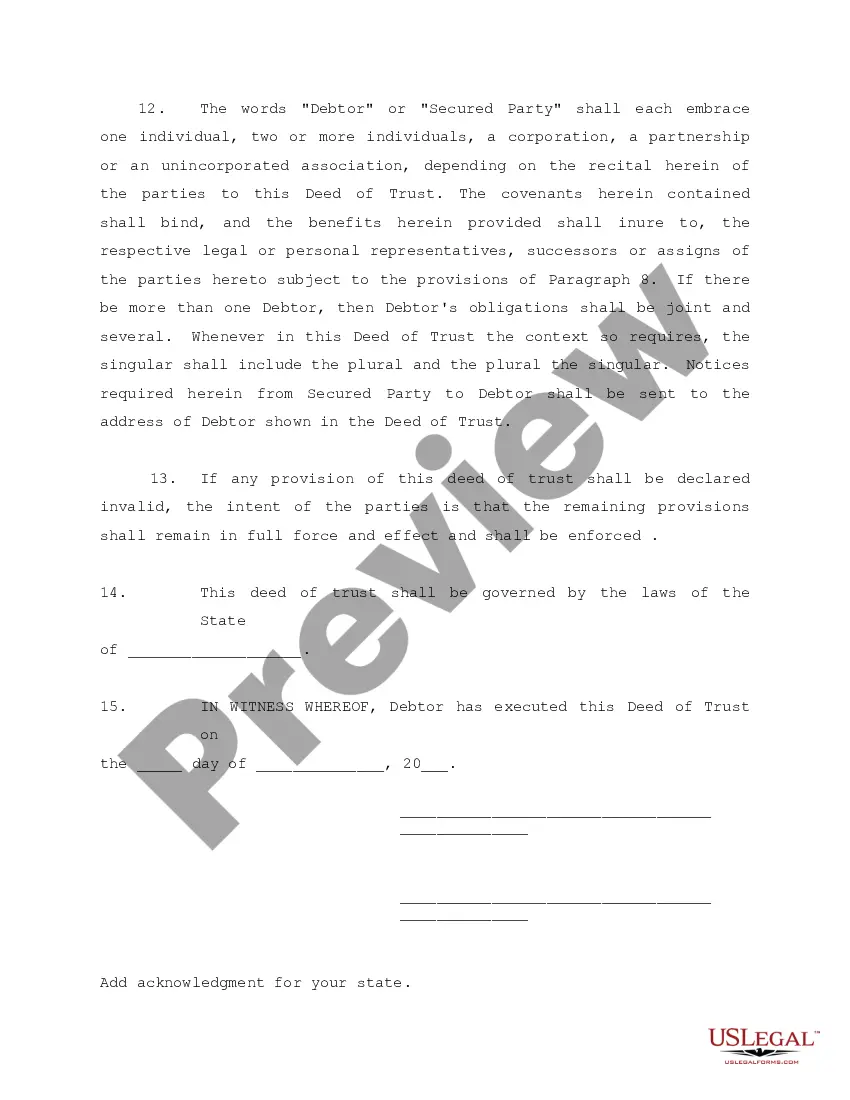
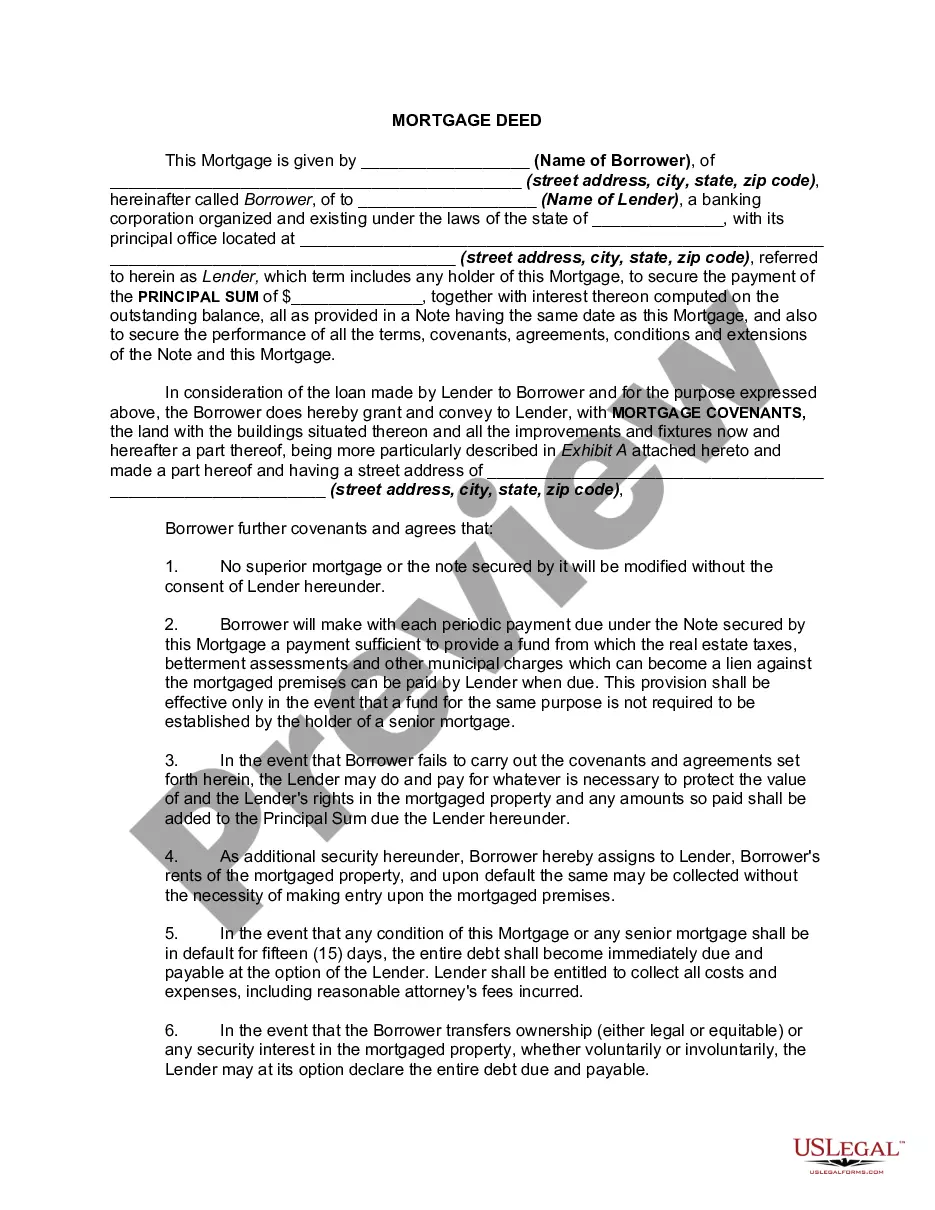

Get your form ready online
Our built-in tools help you complete, sign, share, and store your documents in one place.
Make edits, fill in missing information, and update formatting in US Legal Forms—just like you would in MS Word.
Download a copy, print it, send it by email, or mail it via USPS—whatever works best for your next step.
Sign and collect signatures with our SignNow integration. Send to multiple recipients, set reminders, and more. Go Premium to unlock E-Sign.
If this form requires notarization, complete it online through a secure video call—no need to meet a notary in person or wait for an appointment.
We protect your documents and personal data by following strict security and privacy standards.

Make edits, fill in missing information, and update formatting in US Legal Forms—just like you would in MS Word.

Download a copy, print it, send it by email, or mail it via USPS—whatever works best for your next step.

Sign and collect signatures with our SignNow integration. Send to multiple recipients, set reminders, and more. Go Premium to unlock E-Sign.

If this form requires notarization, complete it online through a secure video call—no need to meet a notary in person or wait for an appointment.

We protect your documents and personal data by following strict security and privacy standards.
Looking for another form?







Form popularity
FAQ
Secured debt - A debt that is backed by real or personal property is a “secured” debt. A creditor whose debt is “secured” has a legal right to take the property as full or partial satisfaction of the debt. For example, most homes are burdened by a “secured debt”.
If you can't or don't want to keep paying the secured debt, you have the option to surrender the collateral. This means you give the property back to the lender, and you're no longer responsible for the debt.
Secured debt is explicitly collateralized, placing a lien on specific assets, which facilitates enforcement. Unsecured debt is backed by unencumbered assets and thus implicitly collateralized. The explicit col- lateralization of secured debt entails costs but enables higher leverage.
If you're carrying a significant balance, like $20,000 in credit card debt, a rate like that could have even more of a detrimental impact on your finances. The longer the balance goes unpaid, the more the interest charges compound, turning what could have been a manageable debt into a hefty financial burden.
Final answer: A credit card cannot be used to secure a debt because it represents unsecured debt, unlike physical items such as a house or a car, which can serve as collateral. So the correct answer is option (4).
(4) A secured creditor may enforce, realise, settle, compromise or deal with the secured assets in ance with such law as applicable to the security interest being realised and to the secured creditor and apply the proceeds to recover the debts due to it.
Key Takeaways After filing for Chapter 11, the company's stock will be delisted from the major exchanges. Common stock shareholders are last in line to recover their investments, behind bondholders and preferred shareholders. As a result, shareholders may receive pennies on the dollar, if anything at all.
Credit card debt is by far the most common type of unsecured debt. If you fail to make credit card payments, the card issuer cannot repossess the items you purchased.
Secured debt is backed by collateral, whereas unsecured debt doesn't require you to put any assets on the line to get approved. Because lenders take on more risk, unsecured debts tend to have higher interest rates and stricter eligibility requirements than secured debt.
How To Fill In A Proof Of Debt Form Box 1 – This is your business name. Box 2 – This is your business address. Box 3 – This is the total amount you are owed. Box 4 – List any supporting documents you have. Box 5 – List any un-capitalised interest on the claim.
