Secure Debt Any Withholding In Washington
Description

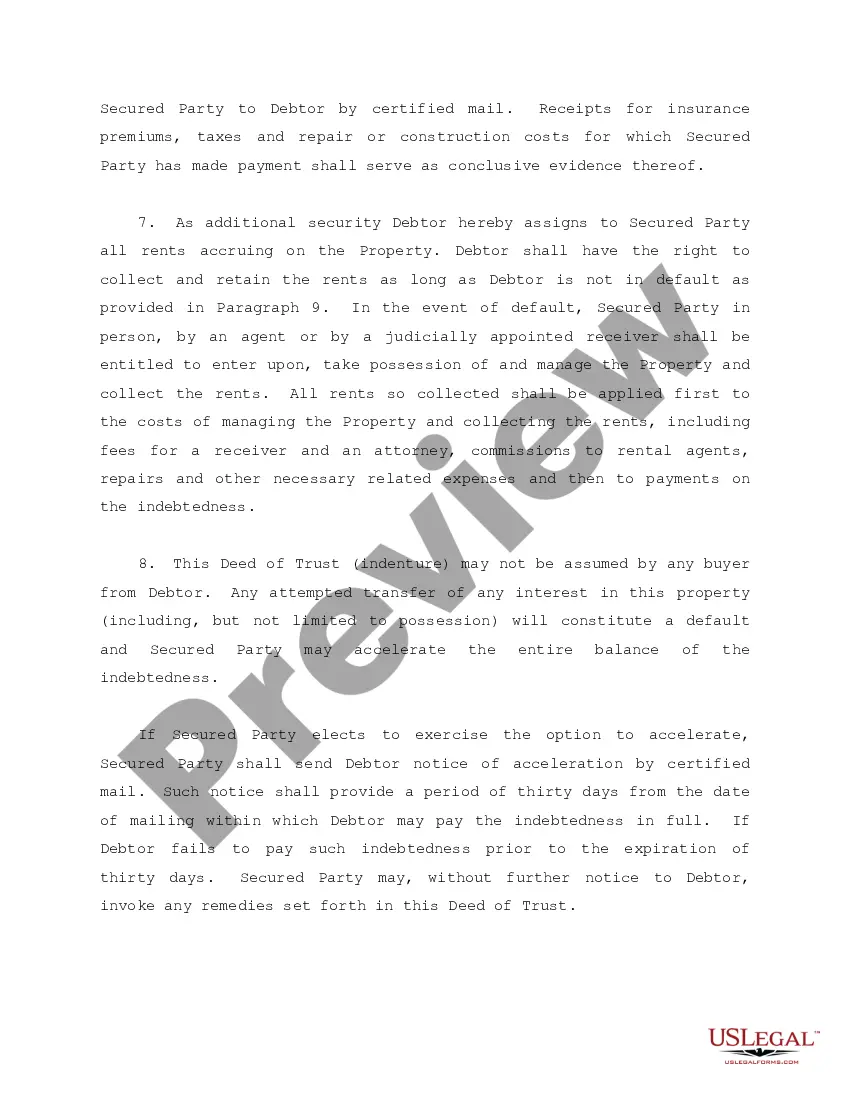
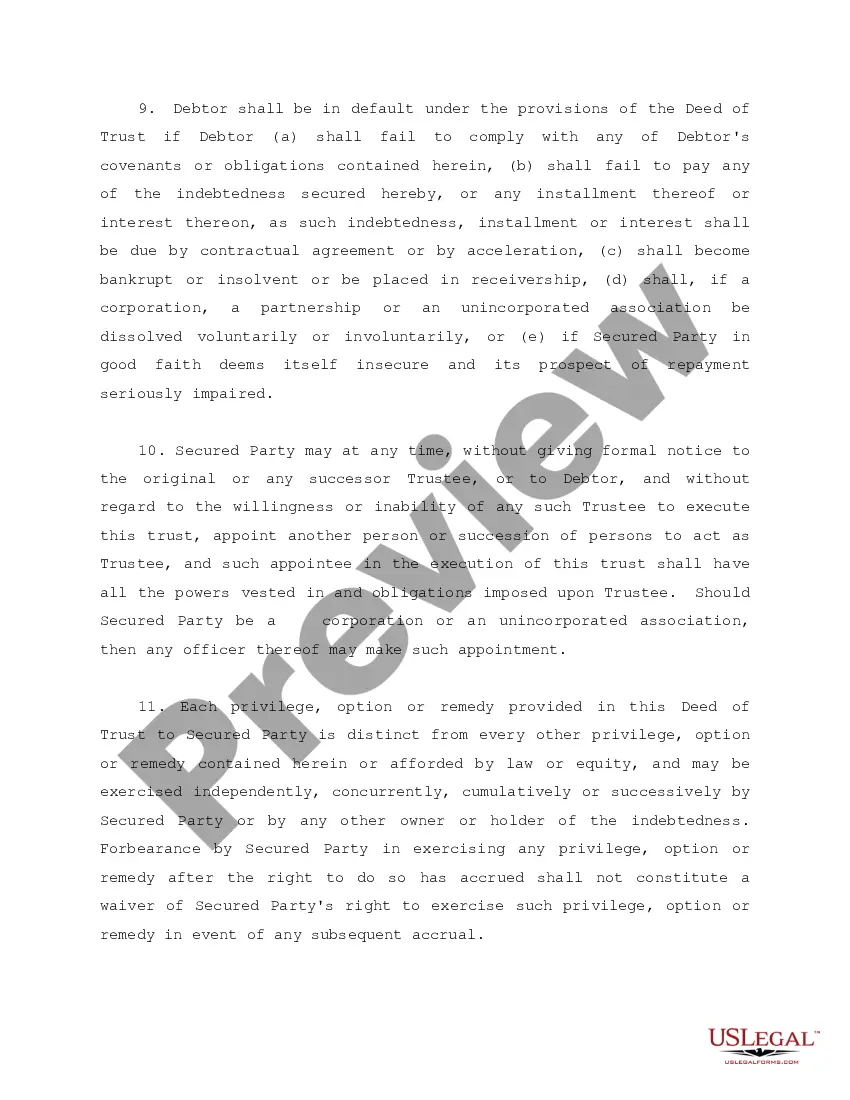
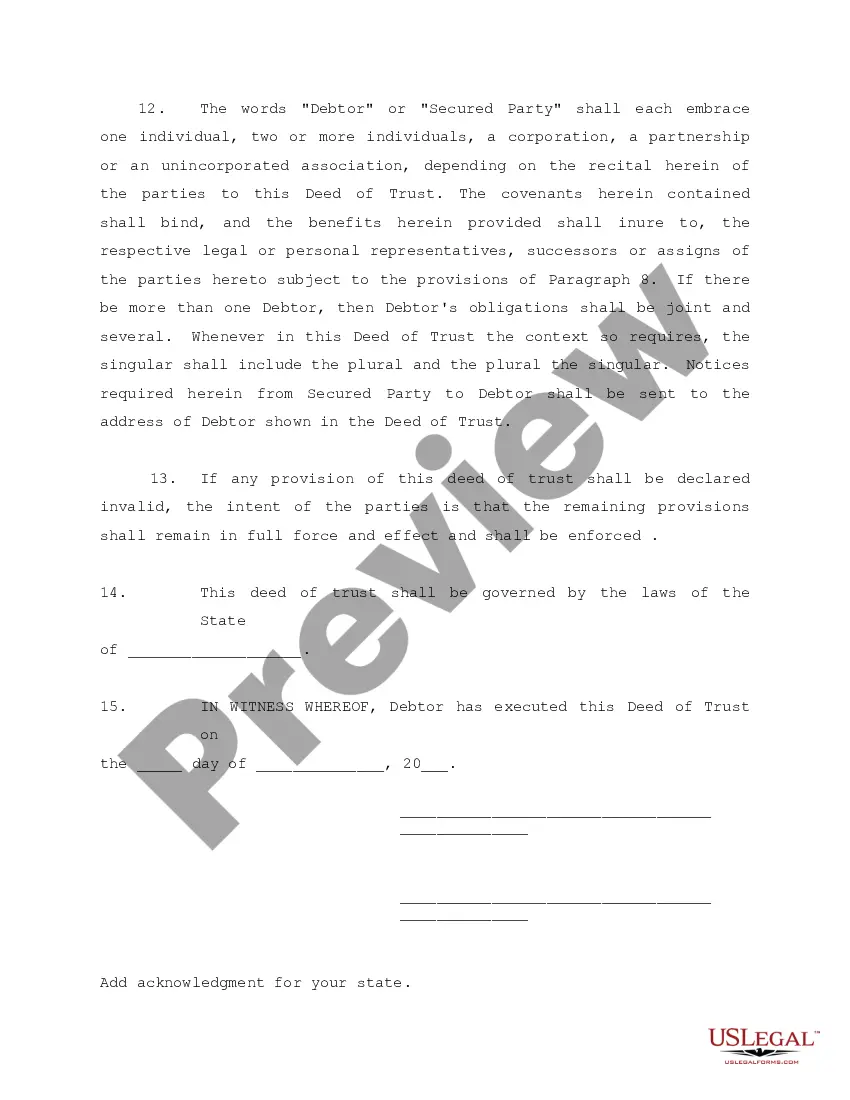
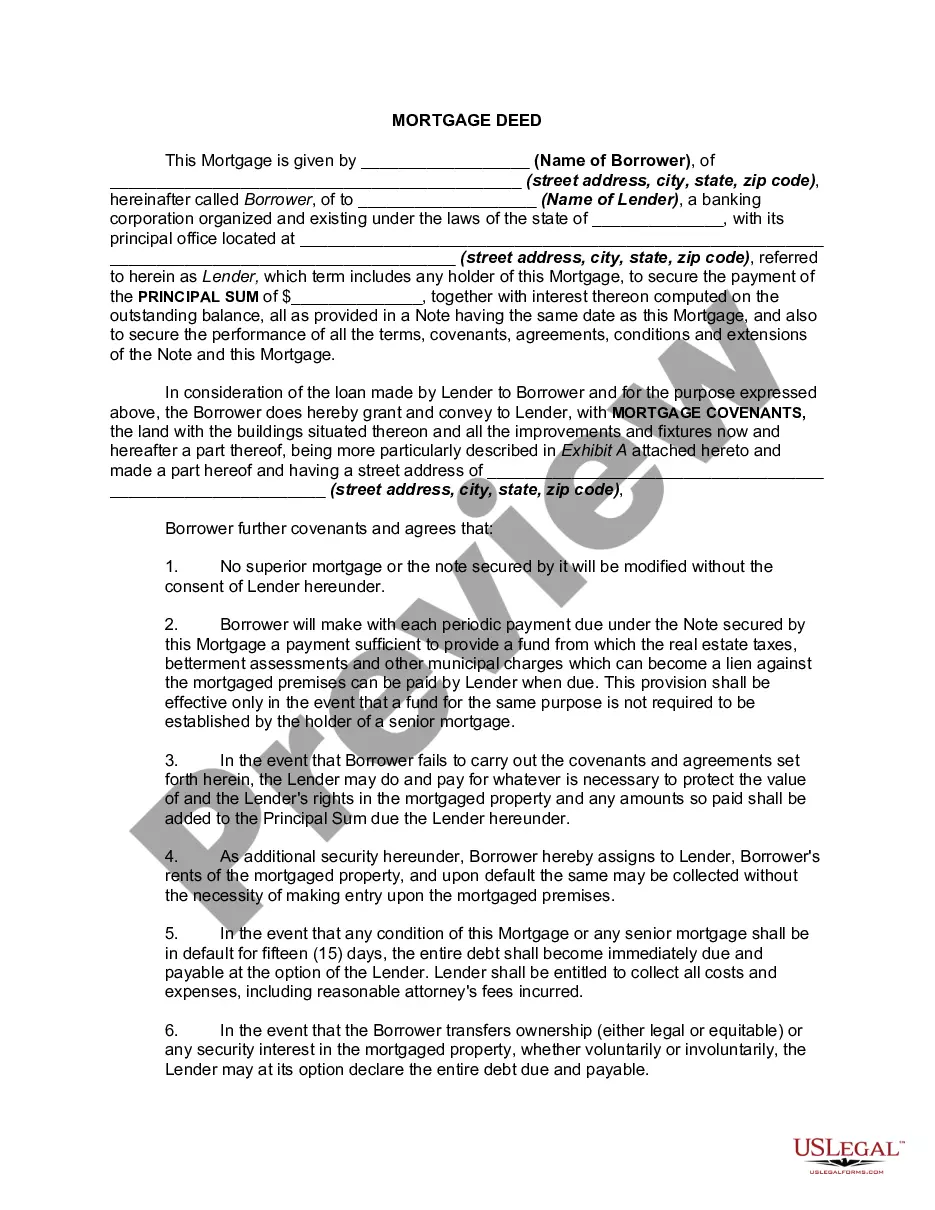

Get your form ready online
Our built-in tools help you complete, sign, share, and store your documents in one place.
Make edits, fill in missing information, and update formatting in US Legal Forms—just like you would in MS Word.
Download a copy, print it, send it by email, or mail it via USPS—whatever works best for your next step.
Sign and collect signatures with our SignNow integration. Send to multiple recipients, set reminders, and more. Go Premium to unlock E-Sign.
If this form requires notarization, complete it online through a secure video call—no need to meet a notary in person or wait for an appointment.
We protect your documents and personal data by following strict security and privacy standards.

Make edits, fill in missing information, and update formatting in US Legal Forms—just like you would in MS Word.

Download a copy, print it, send it by email, or mail it via USPS—whatever works best for your next step.

Sign and collect signatures with our SignNow integration. Send to multiple recipients, set reminders, and more. Go Premium to unlock E-Sign.

If this form requires notarization, complete it online through a secure video call—no need to meet a notary in person or wait for an appointment.

We protect your documents and personal data by following strict security and privacy standards.
Looking for another form?



Form popularity
FAQ
Things Debt Collectors Cannot Do Debt collectors cannot garnish your wages or take your home or possessions without a court judgment, however, an exception exists for federally guaranteed student loans that are in default.
For ordinary garnishments (i.e., those not for support, bankruptcy, or any state or federal tax), the weekly amount may not exceed the lesser of two figures: 25% of the employee's disposable earnings, or the amount by which an employee's disposable earnings are greater than 30 times the federal minimum wage (currently ...
In Washington, most creditors can garnish the lesser of (subject to some exceptions—more below): 25% of your weekly disposable earnings, or. your weekly disposable earnings less 35 times the federal minimum hourly wage.
However, the fastest way to stop wage garnishment in Washington is to file for bankruptcy. If you qualify, then a bankruptcy filing will immediately put an end to a wage garnishment order for medical debt, consumer debt, and more.
Under Washington law, creditors can garnish as much as 25% of your weekly disposable earnings, or your weekly disposable earnings minus 35 times the federal minimum wage.
Note: The W-4 form 2024 steps are the same as the W-4 form 2025 steps. Step 1: Enter your personal information. Step 2: Account for all jobs you and your spouse have. Step 3: Claim your children and other dependents. Step 4: Make other adjustments. Step 5: Sign and date your form.
However, the fastest way to stop wage garnishment in Washington is to file for bankruptcy. If you qualify, then a bankruptcy filing will immediately put an end to a wage garnishment order for medical debt, consumer debt, and more.
No income tax in Washington state Washington state does not have a personal or corporate income tax. However, people or businesses that engage in business in Washington are subject to business and occupation (B&O) and/or public utility tax.
Some customers are exempt from paying sales tax under Washington law. Examples include government agencies, some nonprofit organizations, and merchants purchasing goods for resale. Sellers are required to collect a valid exemption or resale certificate from buyers to validate each exempt transaction.
Washington's capital gains tax only applies to individuals. However, individual owners of entities that are pass-through or disregarded entities for federal tax purposes may owe Washington's capital gains tax on gains from sales or exchanges made by such entities.
