Security Debt Shall With Example In Wake
Description

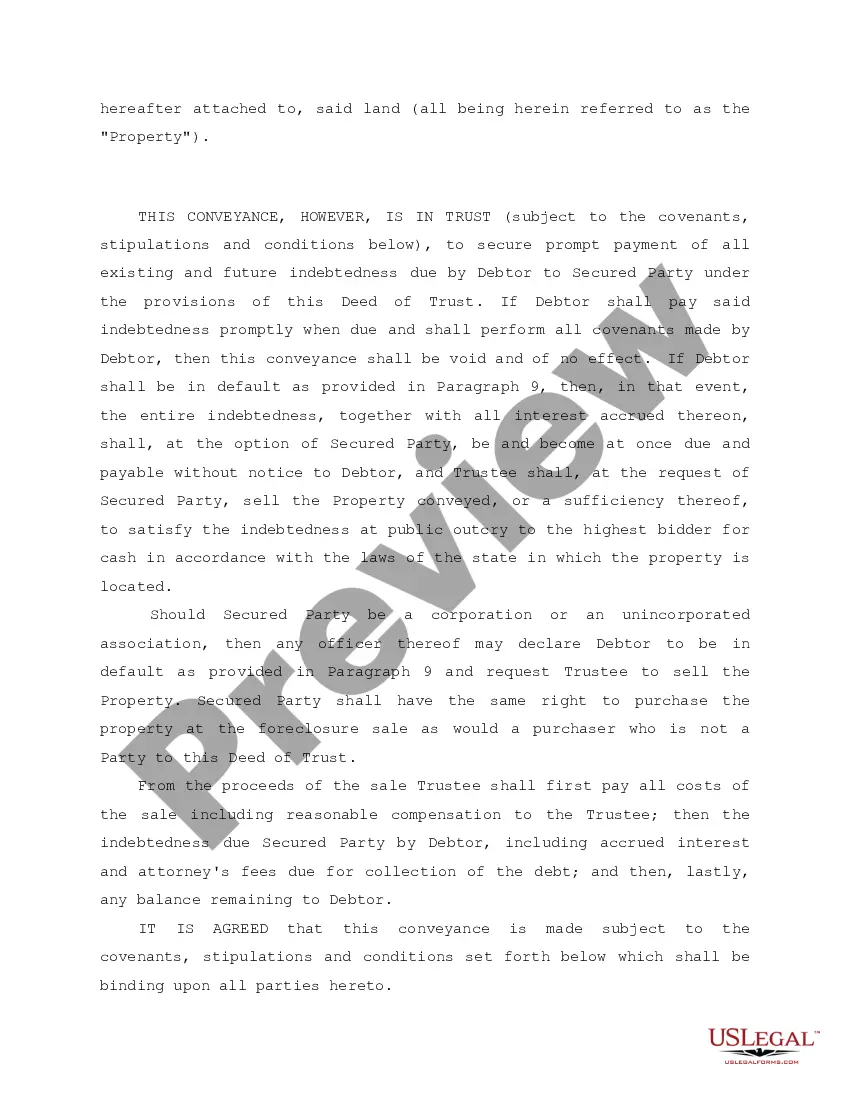
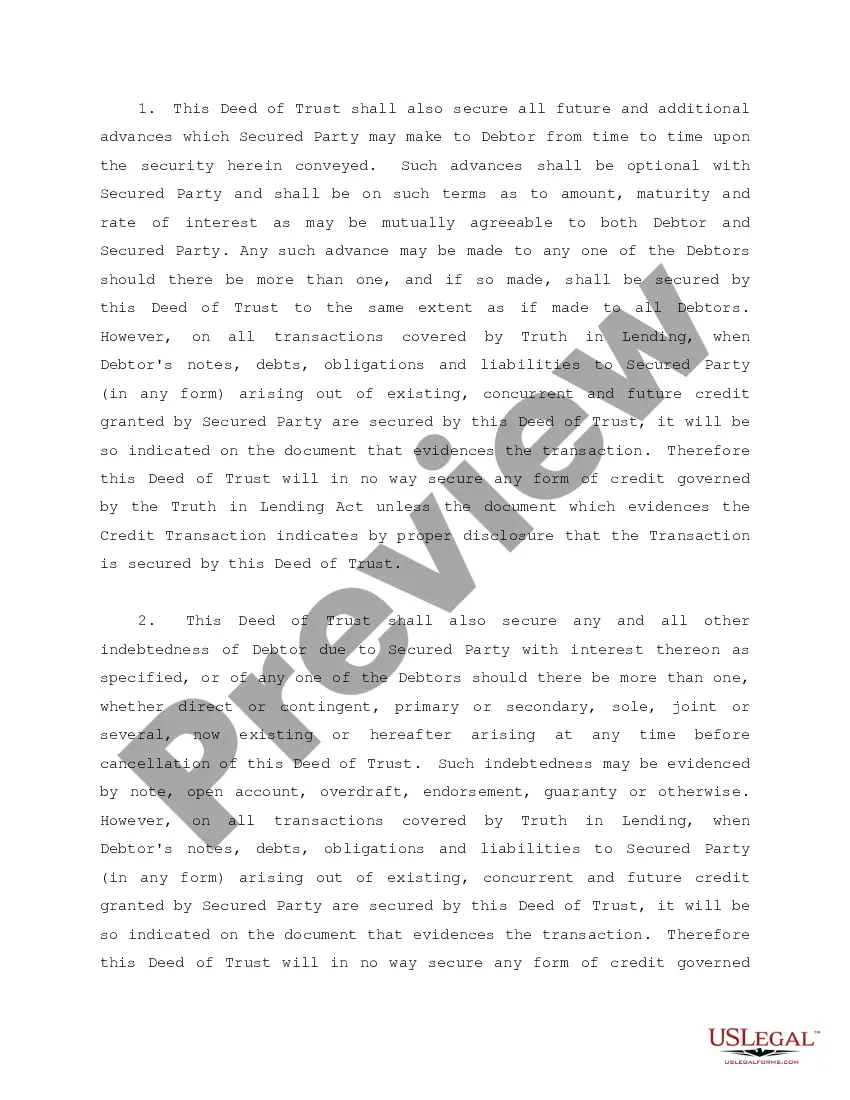
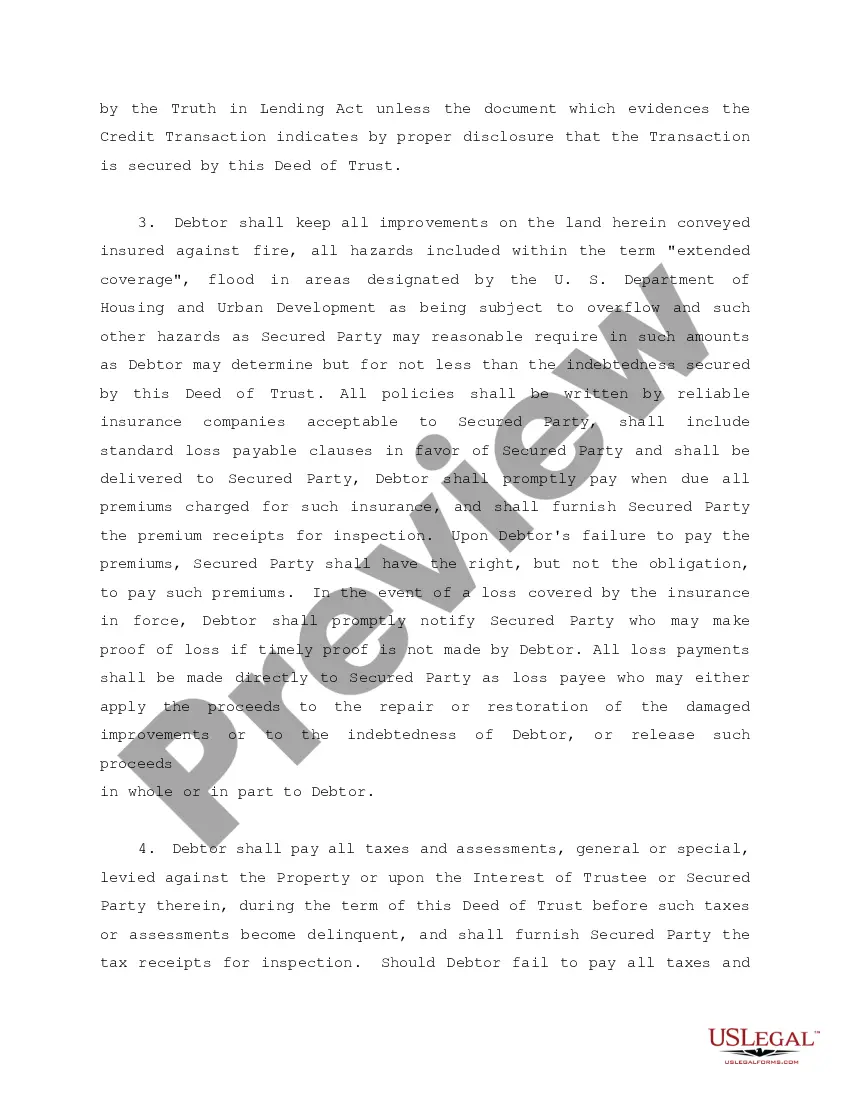
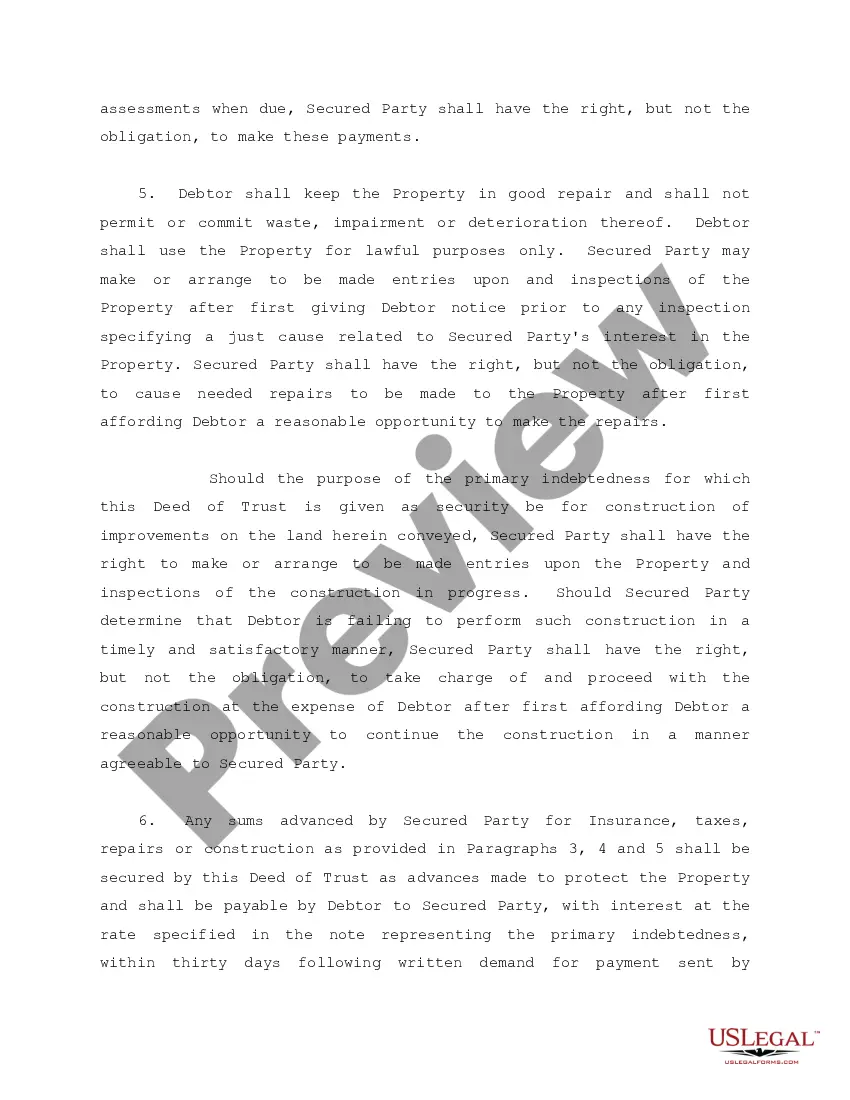
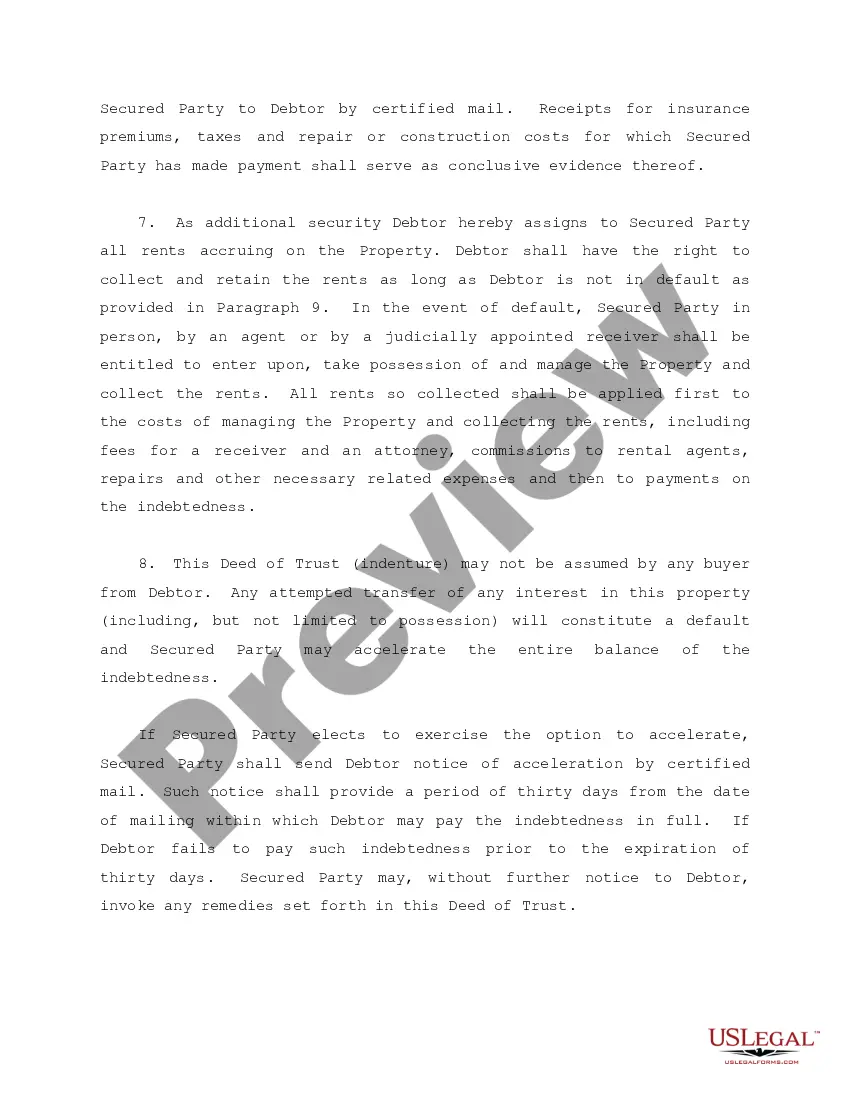
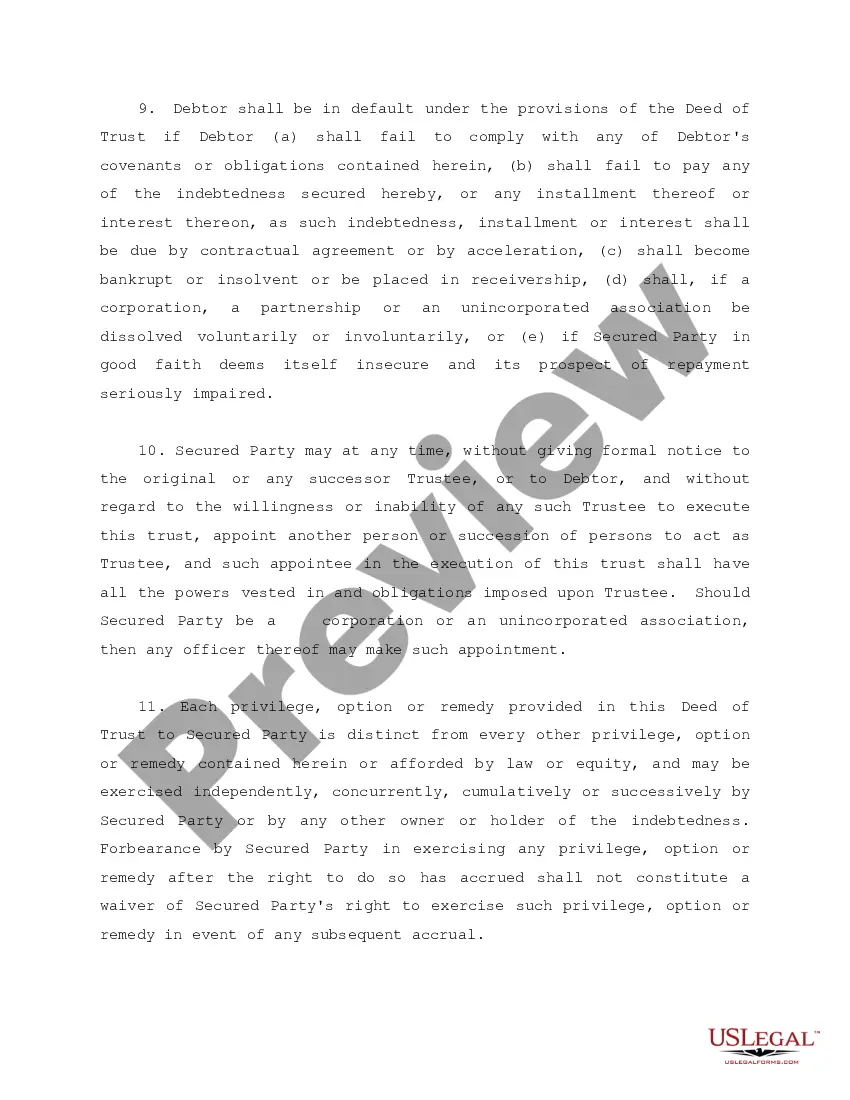
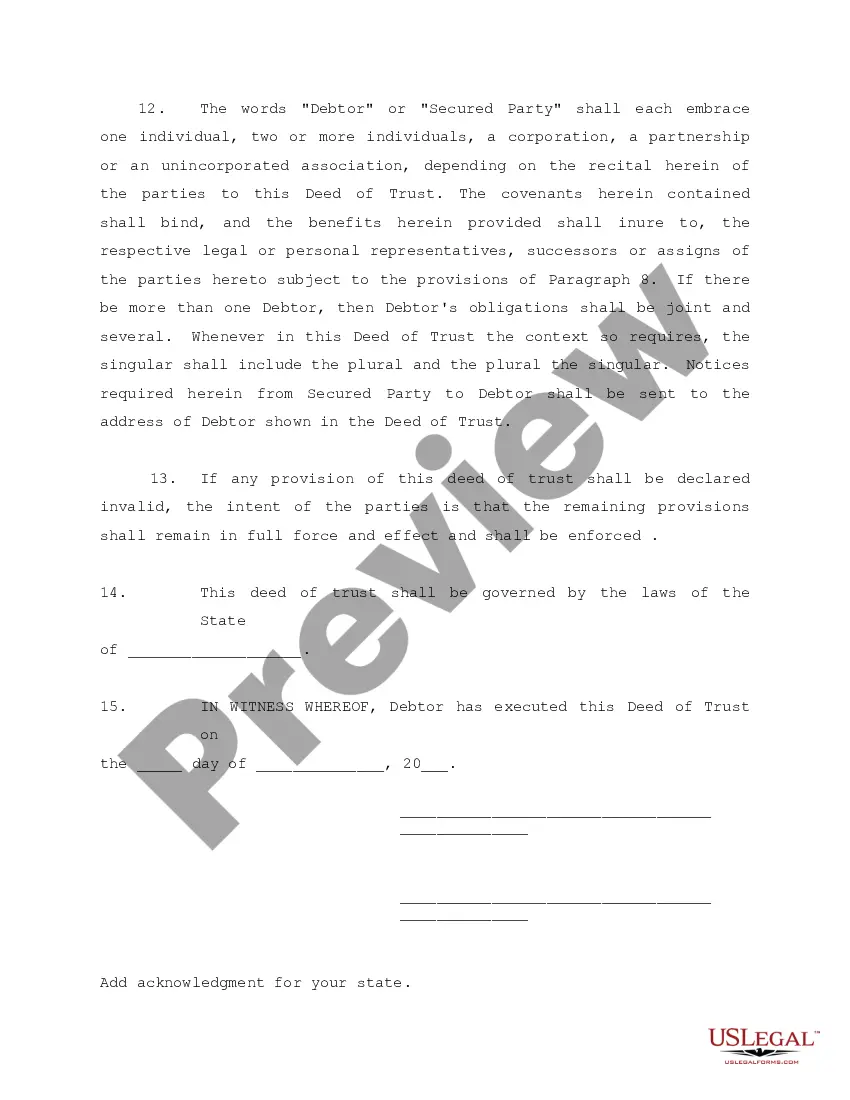


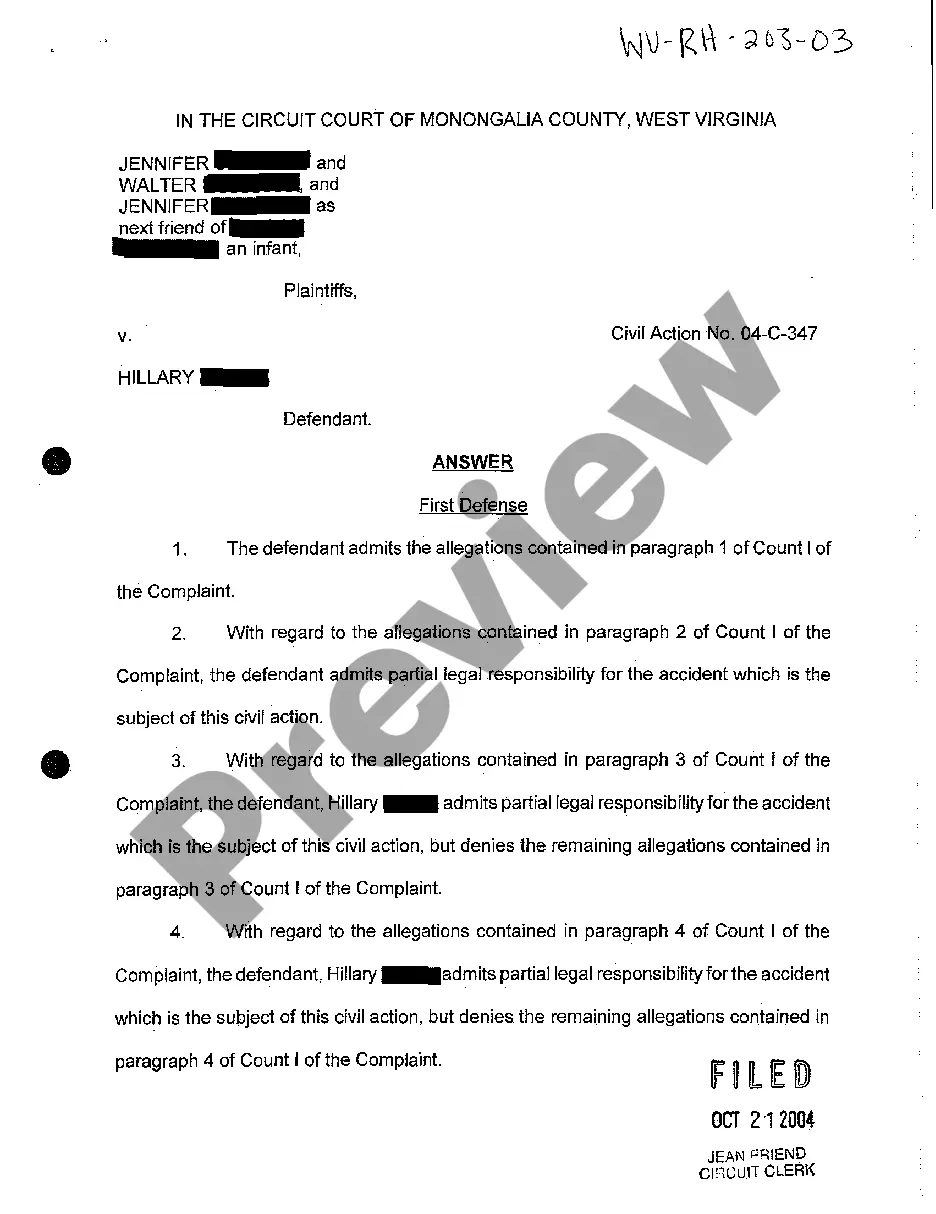
Get your form ready online
Our built-in tools help you complete, sign, share, and store your documents in one place.
Make edits, fill in missing information, and update formatting in US Legal Forms—just like you would in MS Word.
Download a copy, print it, send it by email, or mail it via USPS—whatever works best for your next step.
Sign and collect signatures with our SignNow integration. Send to multiple recipients, set reminders, and more. Go Premium to unlock E-Sign.
If this form requires notarization, complete it online through a secure video call—no need to meet a notary in person or wait for an appointment.
We protect your documents and personal data by following strict security and privacy standards.

Make edits, fill in missing information, and update formatting in US Legal Forms—just like you would in MS Word.

Download a copy, print it, send it by email, or mail it via USPS—whatever works best for your next step.

Sign and collect signatures with our SignNow integration. Send to multiple recipients, set reminders, and more. Go Premium to unlock E-Sign.

If this form requires notarization, complete it online through a secure video call—no need to meet a notary in person or wait for an appointment.

We protect your documents and personal data by following strict security and privacy standards.
Looking for another form?


Form popularity
FAQ
Secured creditors have other rights in bankruptcy, including the right to receive postpetition interest, fees, costs, and charges and to receive adequate protection for any decrease in the value of their interest in the collateral resulting from any use, sale, lease, or grant of a lien.
Security debt refers to software flaws that remain unfixed for a year or more.
Bonds (government, corporate, or municipal) are one of the most common types of debt securities, but there are many different examples of debt securities, including preferred stock, collateralized debt obligations, euro commercial paper, and mortgage-backed securities.
Under new section 9-203(b) a security interest is enforceable, and hence attaches, when (1) the creditor has given value; (2) the debtor has rights in the collateral or the power to transfer an interest in the collateral and (3) one of the specific conditions stated in new section 9-203(b)(3) has been met.
Collateral- Property pledged as security for a debt. For example, real estate pledged as security for a mortgage.
Creditor Rights The right to sue the borrower for the amount owed. The right to seize the borrower's property if the debt is secured. The right to report the debt to credit reporting agencies. The right to hire a collection agency to collect the debt.
A lien is a security interest or legal claim against property that is used as collateral to satisfy a debt. In other words, liens enable creditors to assert their rights over property.
An objection to the allowance of a claim and a notice of objection that substantially conforms to the appropriate Official Form shall be filed and served at least 30 days before any scheduled hearing on the objection or any deadline for the claimant to request a hearing.
In those circumstances, the creditor is not required to file a proof of claim if the creditor is satisfied with the status of the claim (secured or unsecured) and the amount of the claim as scheduled.
Once the proof of claim is filed, it is stored in the claims register for the specific bankruptcy case. Creditors can file a proof of claim using one of four methods: Electronically using CM/ECF and an authorized log in and password -- Fill out and file Official Form 410 Proof of Claim.
