Secure Debt Shall Forget In Utah
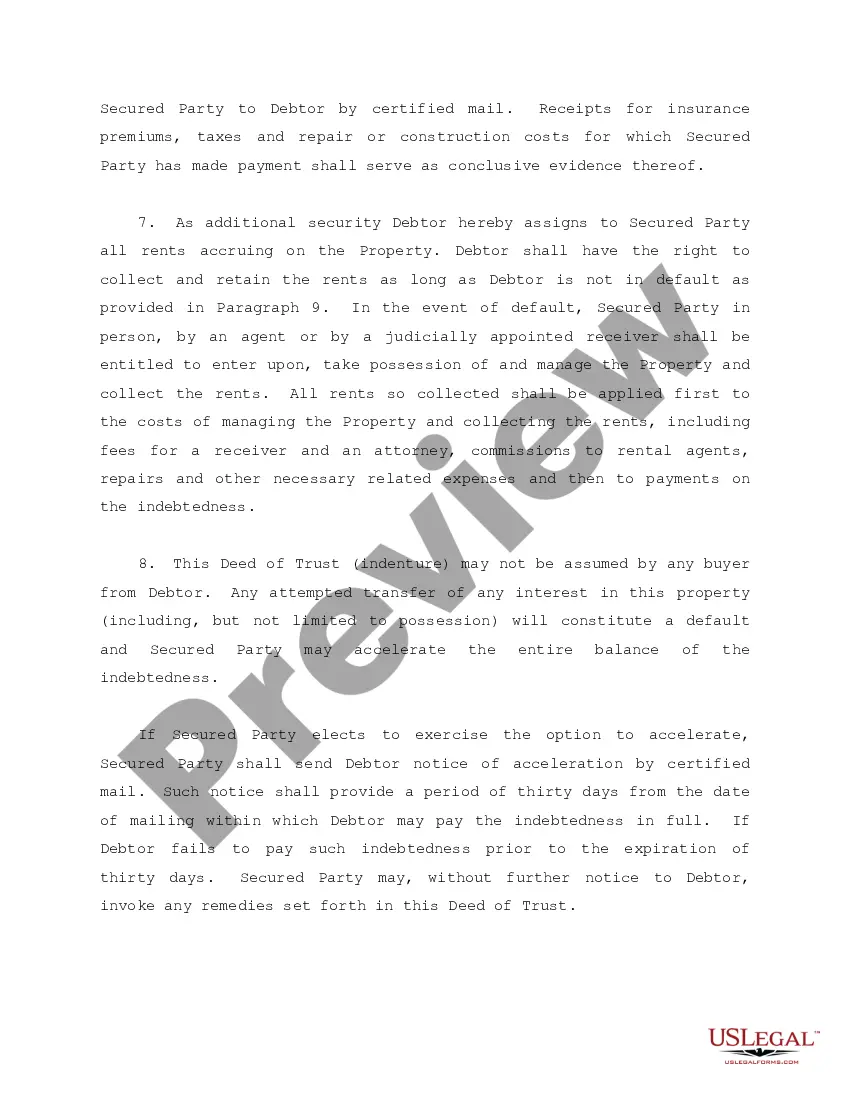
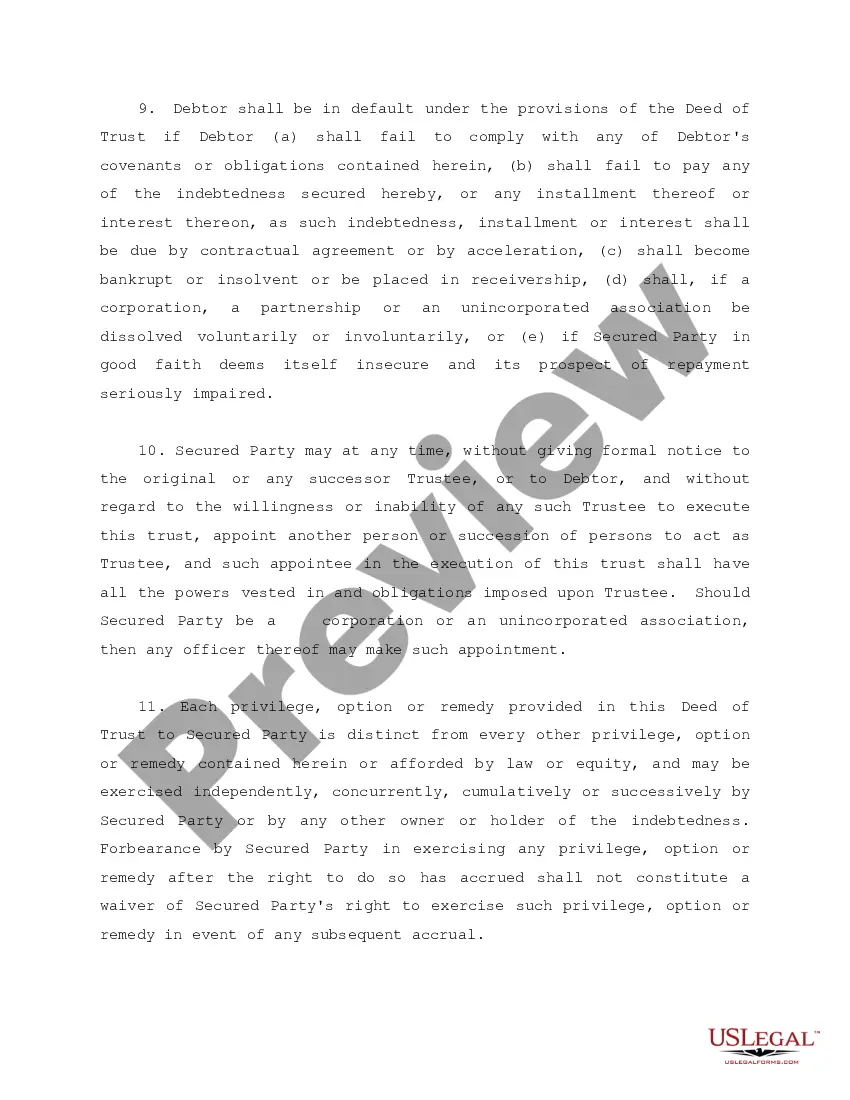
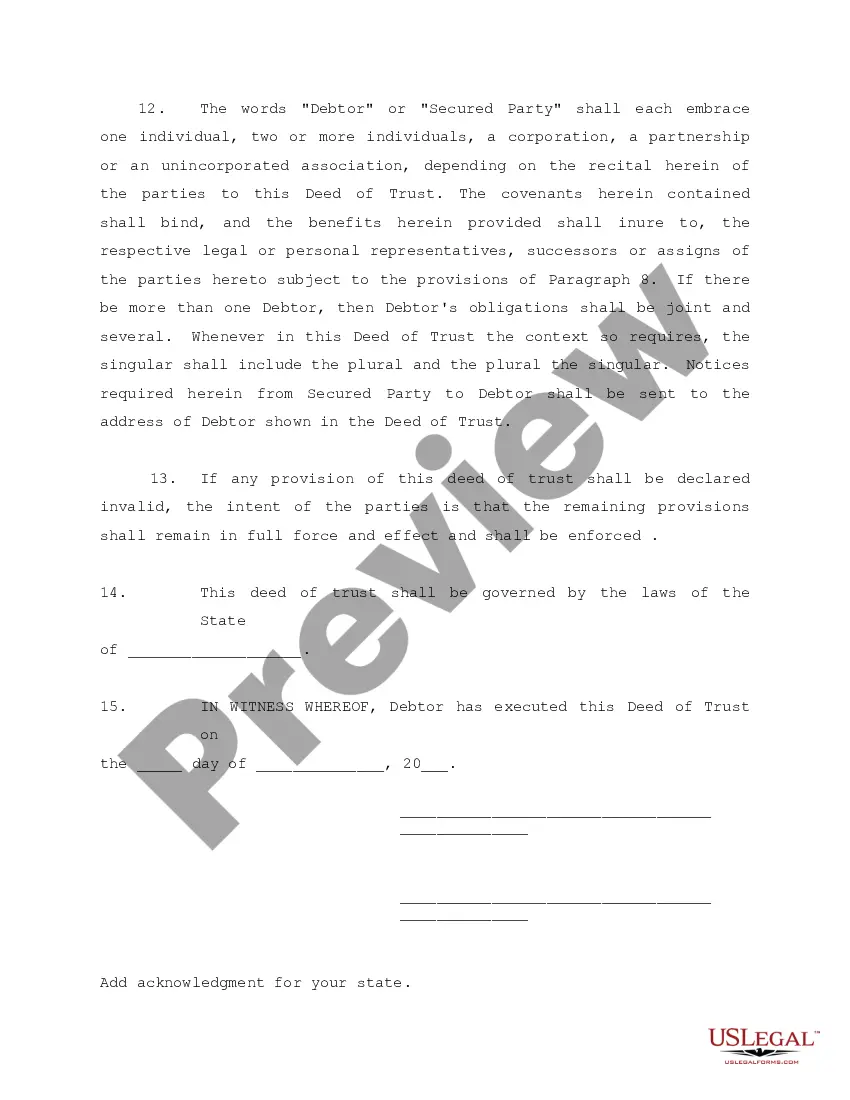
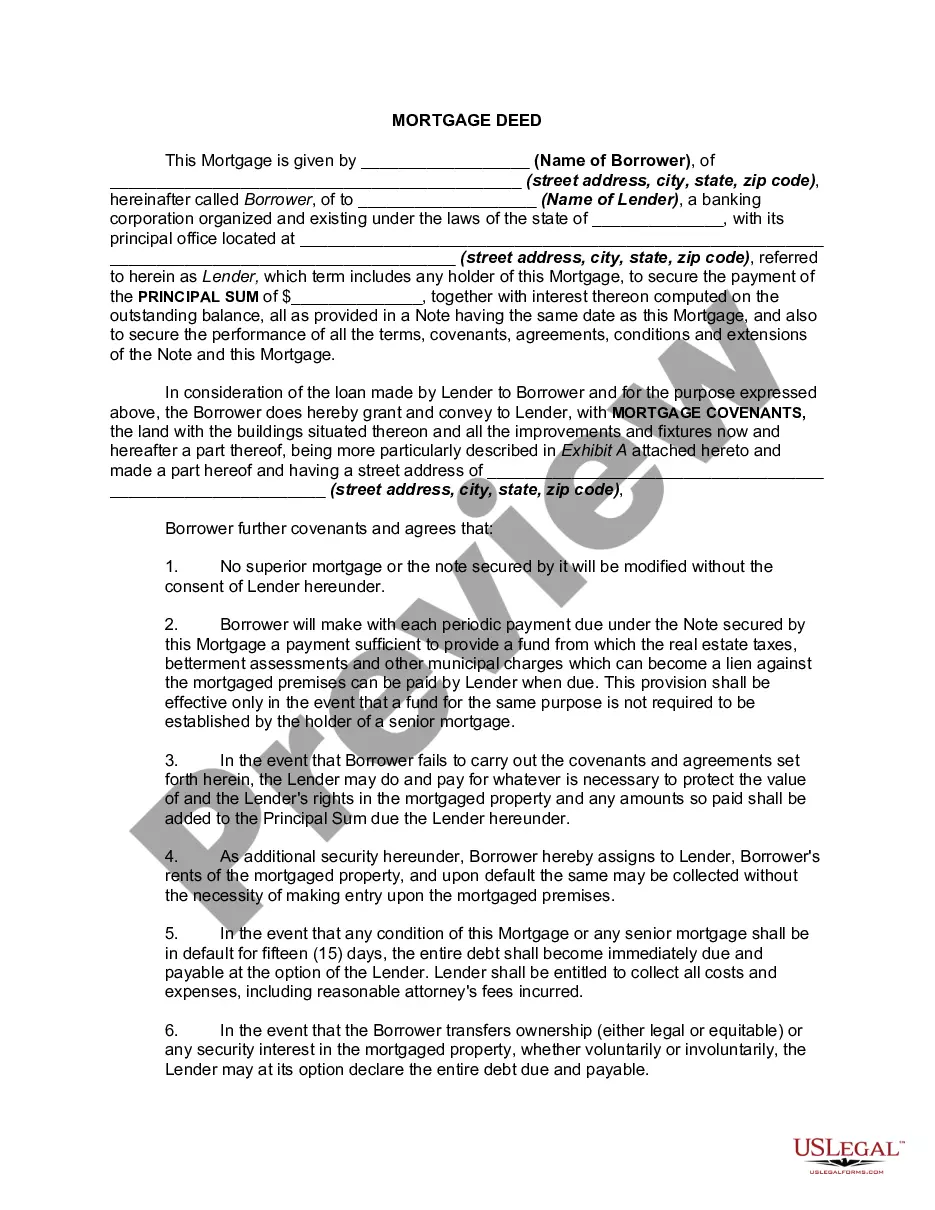
Description

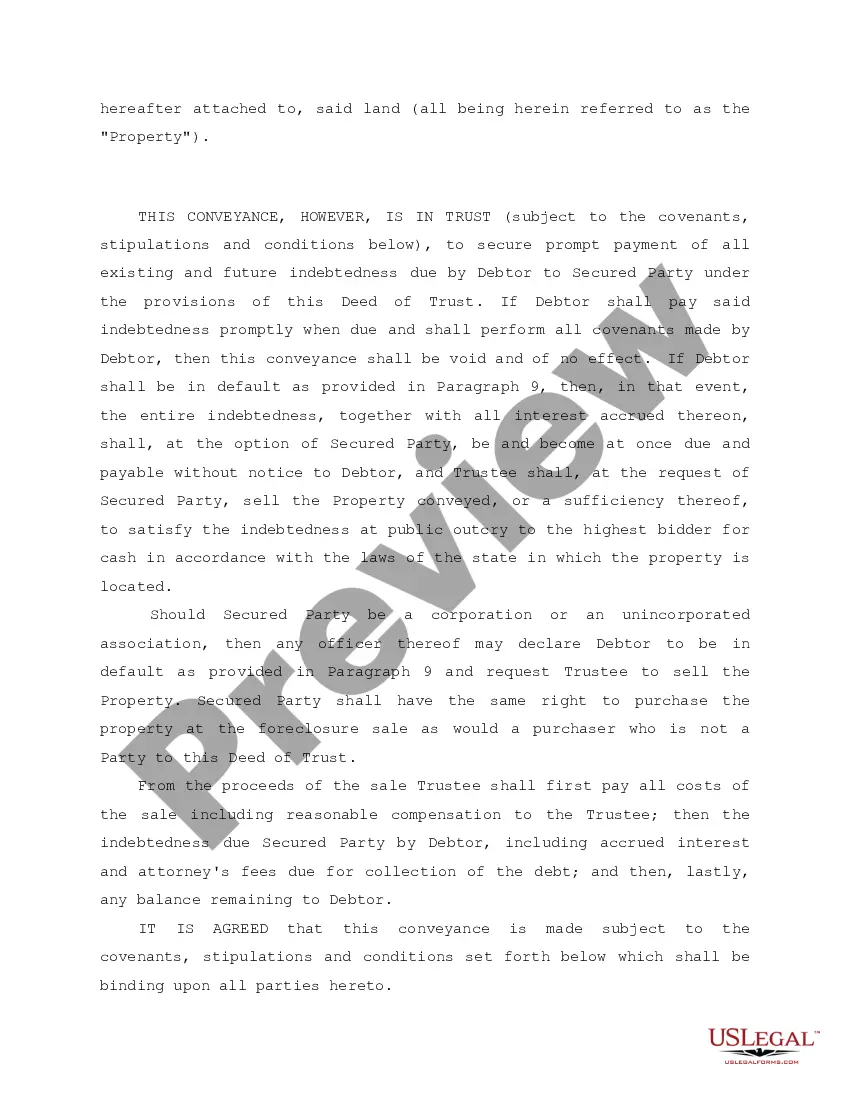
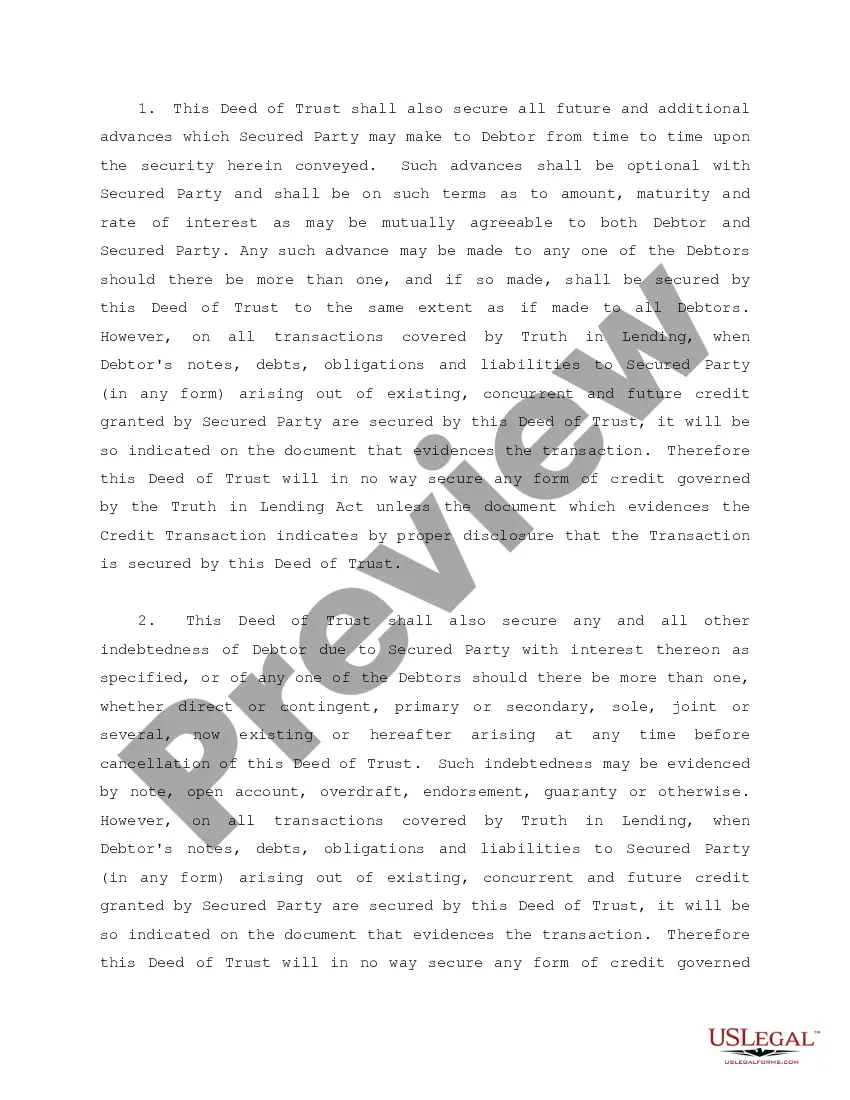
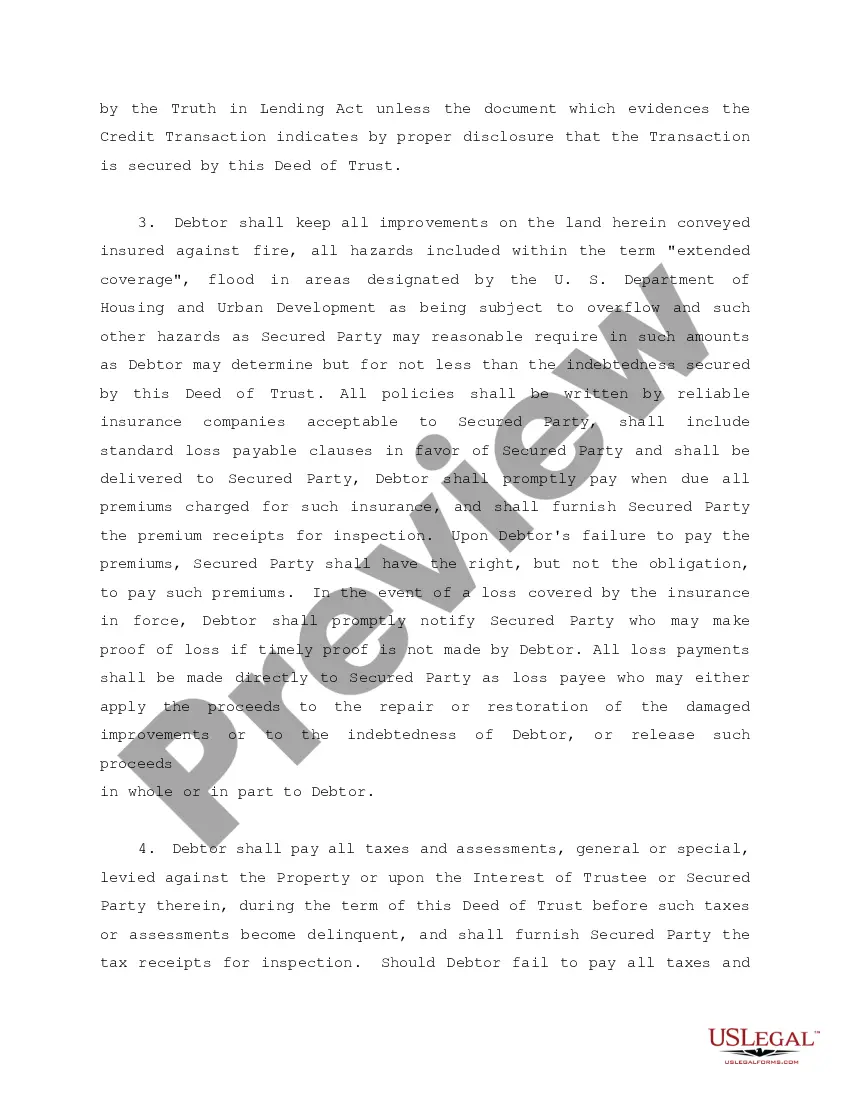
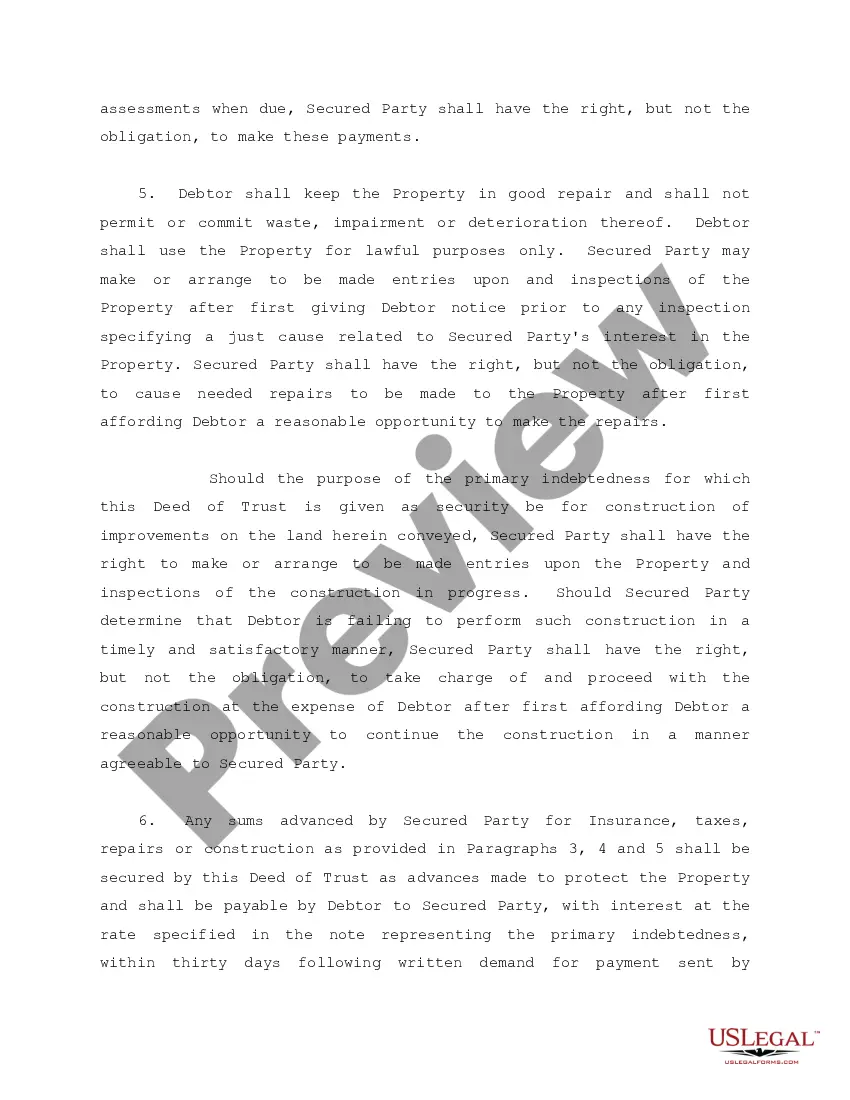

Get your form ready online
Our built-in tools help you complete, sign, share, and store your documents in one place.
Make edits, fill in missing information, and update formatting in US Legal Forms—just like you would in MS Word.
Download a copy, print it, send it by email, or mail it via USPS—whatever works best for your next step.
Sign and collect signatures with our SignNow integration. Send to multiple recipients, set reminders, and more. Go Premium to unlock E-Sign.
If this form requires notarization, complete it online through a secure video call—no need to meet a notary in person or wait for an appointment.
We protect your documents and personal data by following strict security and privacy standards.

Make edits, fill in missing information, and update formatting in US Legal Forms—just like you would in MS Word.

Download a copy, print it, send it by email, or mail it via USPS—whatever works best for your next step.

Sign and collect signatures with our SignNow integration. Send to multiple recipients, set reminders, and more. Go Premium to unlock E-Sign.

If this form requires notarization, complete it online through a secure video call—no need to meet a notary in person or wait for an appointment.

We protect your documents and personal data by following strict security and privacy standards.
Looking for another form?

Form popularity
FAQ
In Utah, the statute of limitations for any signed written contract, obligation, or liability is six years. For unwritten (verbal) contracts, obligations, or liabilities, the statute of limitation for an unpaid debt expires after four years.
Subject to Subsection (2), if a judgment is entered against a debtor, the office may issue an administrative garnishment order against the debtor's personal property, including wages, in the possession of a party other than the debtor in the same manner and with the same effect as if the order was a writ of garnishment ...
Debt collectors cannot make false or misleading statements. For example, they cannot lie about the debt they are collecting or the fact that they are trying to collect debt, and they cannot use words or symbols that falsely make their letters to you seem like they're from an attorney, court, or government agency.
In order to win a court case, a debt collector must prove that they have proper ownership of the debt, that you actually owe the debt, and that the amount they claim you owe is correct.
Debt collectors cannot harass or abuse you. They cannot swear, threaten to illegally harm you or your property, threaten you with illegal actions, or falsely threaten you with actions they do not intend to take. They also cannot make repeated calls over a short period to annoy or harass you.
The statute of limitations for renewing a judgment is 8 years from the date of the judgment. Utah Code Section 78B-2-311. The judgment creditor can renew the judgment, but must do so before the statute of limitations expires.
Specifically, the rule states that a debt collector cannot: Make more than seven calls within a seven-day period to a consumer regarding a specific debt. Call a consumer within seven days after having a telephone conversation about that debt.
