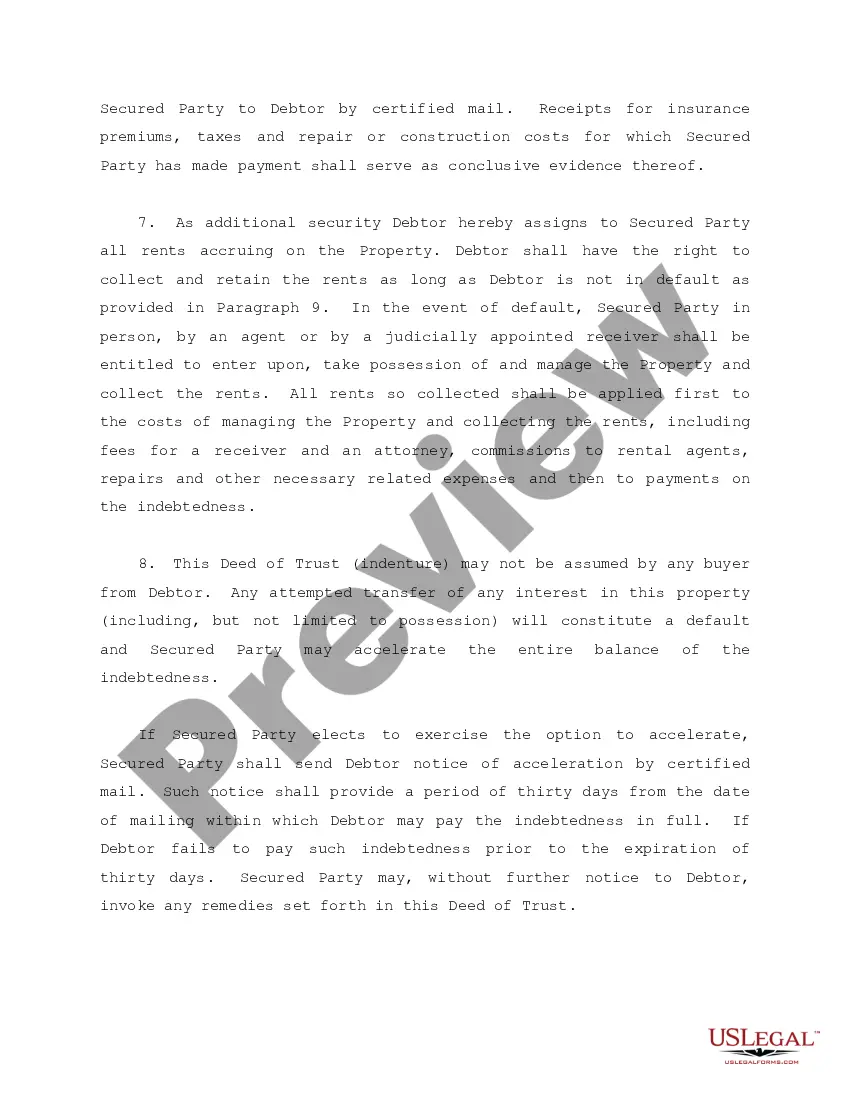
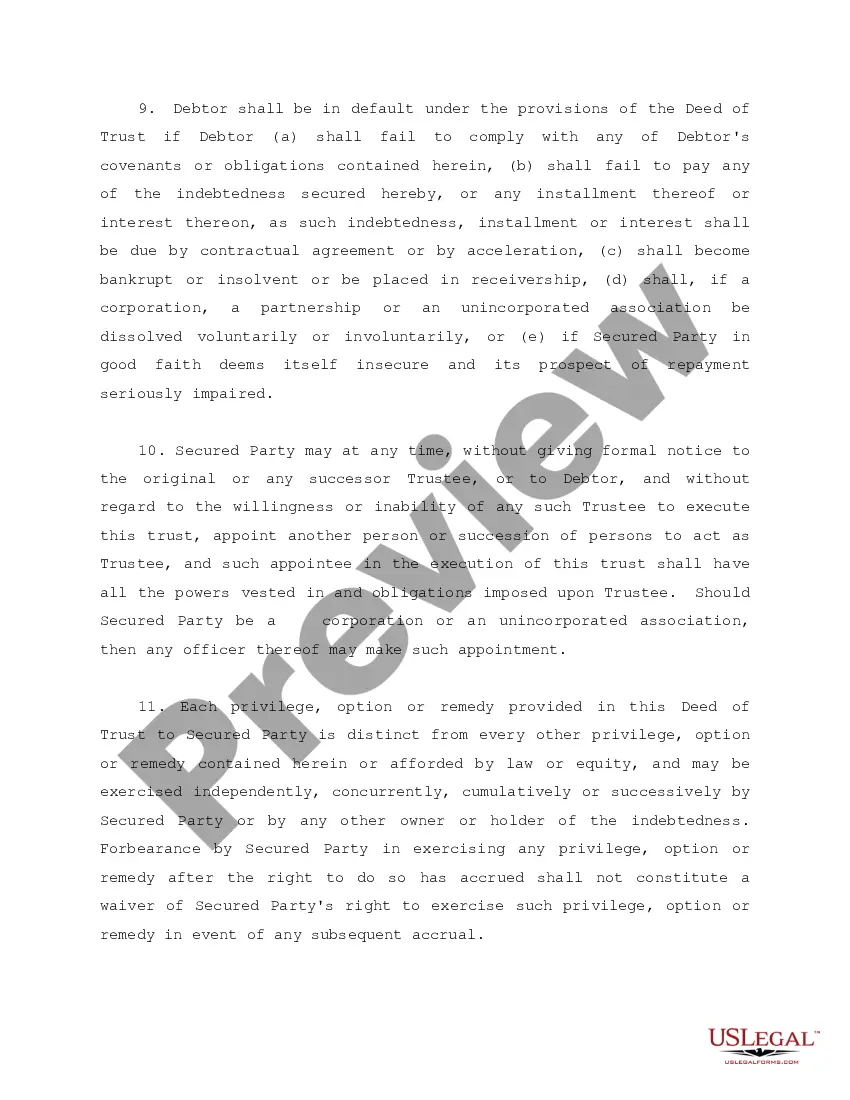
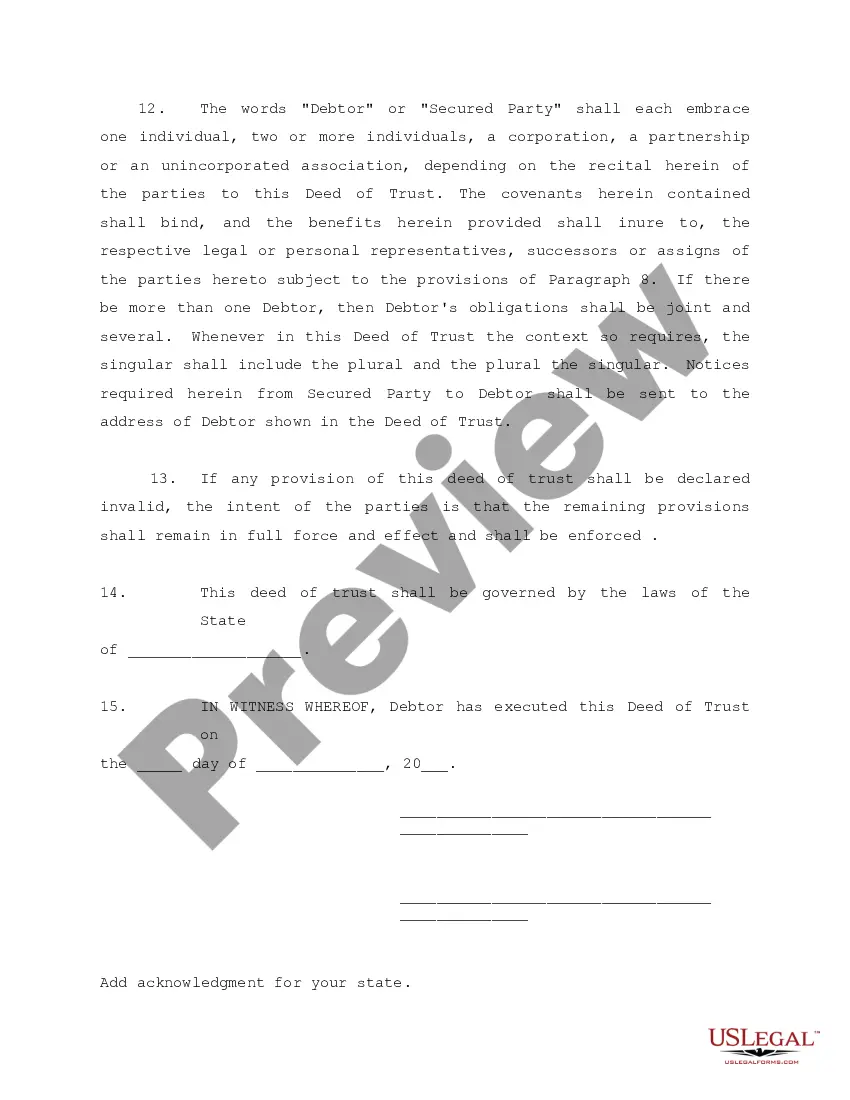
Secured Debt Shall Formula In Texas
Description



Get your form ready online
Our built-in tools help you complete, sign, share, and store your documents in one place.
Make edits, fill in missing information, and update formatting in US Legal Forms—just like you would in MS Word.
Download a copy, print it, send it by email, or mail it via USPS—whatever works best for your next step.
Sign and collect signatures with our SignNow integration. Send to multiple recipients, set reminders, and more. Go Premium to unlock E-Sign.
If this form requires notarization, complete it online through a secure video call—no need to meet a notary in person or wait for an appointment.
We protect your documents and personal data by following strict security and privacy standards.

Make edits, fill in missing information, and update formatting in US Legal Forms—just like you would in MS Word.

Download a copy, print it, send it by email, or mail it via USPS—whatever works best for your next step.

Sign and collect signatures with our SignNow integration. Send to multiple recipients, set reminders, and more. Go Premium to unlock E-Sign.

If this form requires notarization, complete it online through a secure video call—no need to meet a notary in person or wait for an appointment.

We protect your documents and personal data by following strict security and privacy standards.
Looking for another form?

Form popularity
FAQ
Filing in the wrong jurisdiction If a creditor files the UCC-1 financing statement in the wrong jurisdiction, it can invalidate the lien. Generally, the UCC-1 is filed where the debtor is located.
Steps Download the UCC-1 form. Provide direct contact information if desired. Fill in the debtor's name and mailing address. List the name and address of the secured party. Indicate the collateral covered by the financing statement. Include applicable descriptions of the transaction. Fill out an addendum if necessary.
Let's say a borrower puts up his house as collateral. A UCC filing could state that the borrower's home is foreclosed on in the event of a default or bankruptcy. It could also state that the house is seized or just sold off. UCC filings are active for five years.
Texas law gives someone 4 years to bring a lawsuit for unpaid debt.
Perfection can be obtained by a creditor by filing a UCC Financing Statement with the Secretary of State. A qualified financing statement should include: Debtor and secured party's name, Collateral describing, and.
Steps Download the UCC-1 form. Provide direct contact information if desired. Fill in the debtor's name and mailing address. List the name and address of the secured party. Indicate the collateral covered by the financing statement. Include applicable descriptions of the transaction. Fill out an addendum if necessary.
In addition to filing with the state, the UCC is filed with the County office that holds the county real estate records for the property. Filings for ownership entities are made in the state where the entity is registered. Filings for individuals are made in the state in which the individual resides.
Increased Transparency in Debt Collection Communication The new Texas debt collection laws require debt collectors to offer additional information about the debt they're attempting to collect. This includes a breakdown of the original amount owed, any added interest or fees, and the name of the original creditor.
A judgment is valid for 10 years after it is issued, and it can be enforced at any time within that time period. There are ways for a creditor to extend a judgment past that time, so if properly renewed, a creditor can seek to enforce the judgment and collect for many years even after the initial ten-year window.
The Uniform Commercial Code allows a creditor, typically a financial institution or lender, to notify other creditors about a debtor's assets used as collateral for a secured transaction by filing a public notice (financing statement) with a particular filing office.
