Security Debt Shall Forgiveness In Santa Clara
Description


Get your form ready online
Our built-in tools help you complete, sign, share, and store your documents in one place.
Make edits, fill in missing information, and update formatting in US Legal Forms—just like you would in MS Word.
Download a copy, print it, send it by email, or mail it via USPS—whatever works best for your next step.
Sign and collect signatures with our SignNow integration. Send to multiple recipients, set reminders, and more. Go Premium to unlock E-Sign.
If this form requires notarization, complete it online through a secure video call—no need to meet a notary in person or wait for an appointment.
We protect your documents and personal data by following strict security and privacy standards.

Make edits, fill in missing information, and update formatting in US Legal Forms—just like you would in MS Word.

Download a copy, print it, send it by email, or mail it via USPS—whatever works best for your next step.

Sign and collect signatures with our SignNow integration. Send to multiple recipients, set reminders, and more. Go Premium to unlock E-Sign.

If this form requires notarization, complete it online through a secure video call—no need to meet a notary in person or wait for an appointment.

We protect your documents and personal data by following strict security and privacy standards.
Looking for another form?


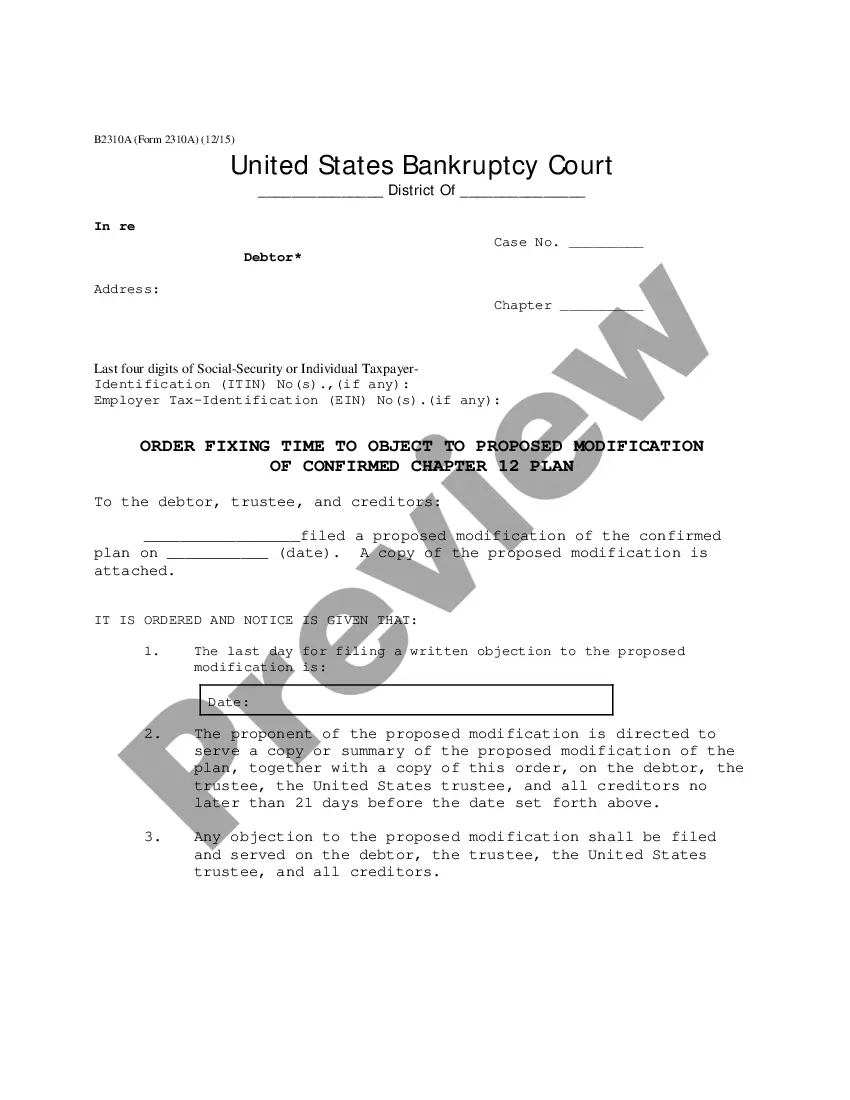


Form popularity
FAQ
While it's highly improbable that a credit card issuer would completely erase your debt outside of bankruptcy proceedings, you might have the option to negotiate with your creditors for a partial reduction of your outstanding balance.
Specifically, the rule states that a debt collector cannot: Make more than seven calls within a seven-day period to a consumer regarding a specific debt. Call a consumer within seven days after having a telephone conversation about that debt.
Option 1: Respond and defend yourself You can defend yourself and force the other side to prove the case. It extends your time to work out a settlement. You can use a court process called “discovery” to force the other side to give you their evidence (proof)
Debt collectors typically settle for 30% to 60% of the total owed, but the percentage can vary based on factors like how old the debt is, the collector's policies, and your financial situation. Older debts or those unlikely to be collected in full usually result in more favorable settlements.
Your answer should include the court name, case name, case number, and your affirmative defenses. Print three copies of your answer. File one with the clerk's office and mail (or “serve”) one to the plaintiff or plaintiff's attorney. The plaintiff is the debt collector, creditor, or law firm suing you.
Most common way to respond is to file an Answer In an Answer, you say what you think is not true in the Complaint (make a denial) and you say what your defenses are or might be (new matters you are bringing up). If you file an Answer, the other side must prove their case and you can defend your case in court.
Dear debt collector, I am responding to your contact about collecting a debt. You contacted me by phone/mail, on date and identified the debt as any information they gave you about the debt. I do not have any responsibility for the debt you're trying to collect.
In a Nutshell You do this by filing official paperwork with the court. Be sure to address every point in the complaint, raise any defenses you have, and file the paperwork within the time frame provided. Debt collectors are counting on you not to answer the lawsuit so that they can win by default.
1) Understand the prompt/question. 2) Restate the Question in your answer. 3) Provide a general answer to prompt/question. 4) Go back into the text to find evidence of your answer. 5) Provide text evidence to support your answer. 6) Wrap up your response with the final piece of information to support your answer.
Contact the clerk of the court that summoned you. For some reason the person being summoned is linked with your address and you want to clarify that. A court summons is usually sent via certified mail so there is proof of receipt.
