Secure Debt Any Withholding In Pima
Description



Get your form ready online
Our built-in tools help you complete, sign, share, and store your documents in one place.
Make edits, fill in missing information, and update formatting in US Legal Forms—just like you would in MS Word.
Download a copy, print it, send it by email, or mail it via USPS—whatever works best for your next step.
Sign and collect signatures with our SignNow integration. Send to multiple recipients, set reminders, and more. Go Premium to unlock E-Sign.
If this form requires notarization, complete it online through a secure video call—no need to meet a notary in person or wait for an appointment.
We protect your documents and personal data by following strict security and privacy standards.

Make edits, fill in missing information, and update formatting in US Legal Forms—just like you would in MS Word.

Download a copy, print it, send it by email, or mail it via USPS—whatever works best for your next step.

Sign and collect signatures with our SignNow integration. Send to multiple recipients, set reminders, and more. Go Premium to unlock E-Sign.

If this form requires notarization, complete it online through a secure video call—no need to meet a notary in person or wait for an appointment.

We protect your documents and personal data by following strict security and privacy standards.
Looking for another form?
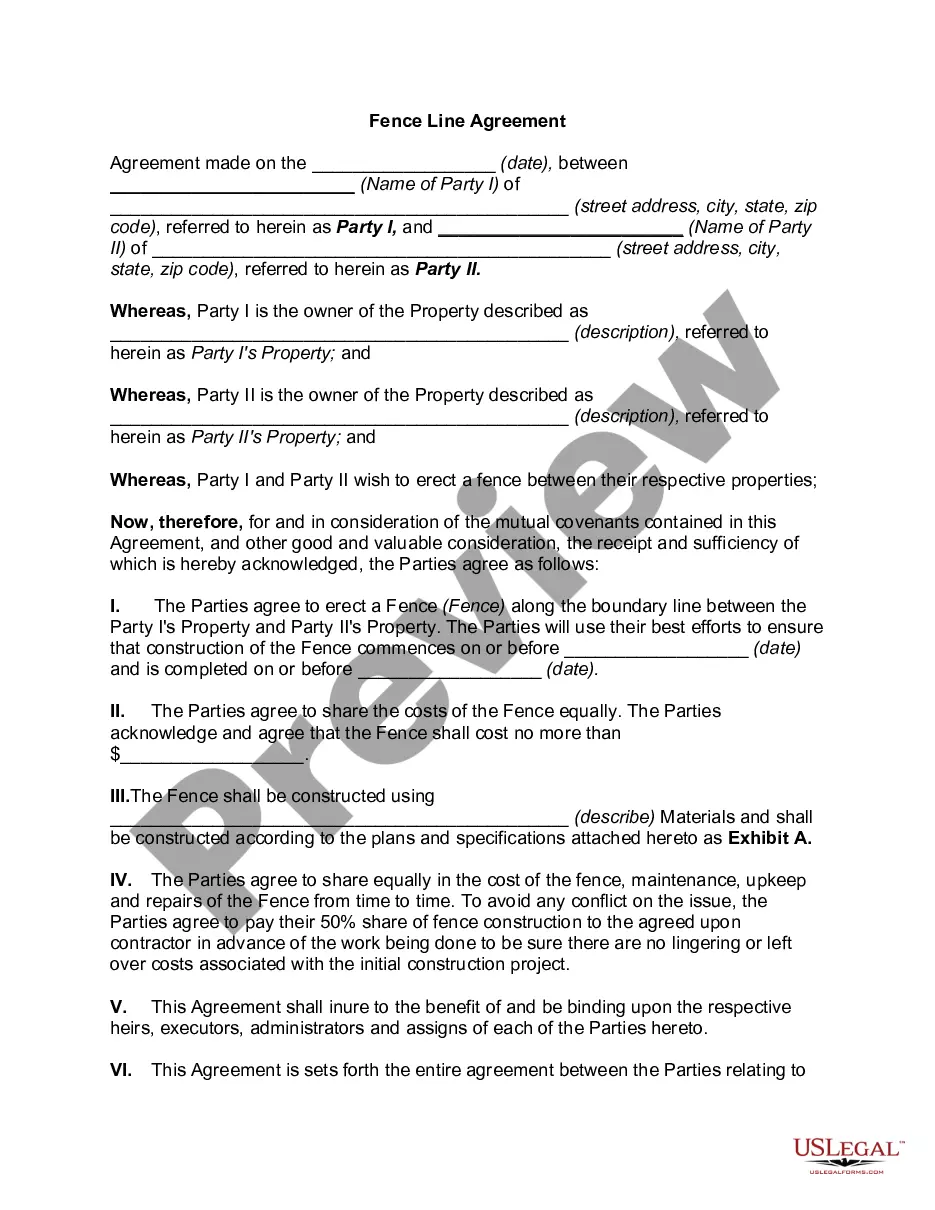


Form popularity
FAQ
Garnishment of Earnings Proposition 209 decreases the portion of a debtor's weekly disposable earnings that is subject to debt collection actions (other than support payments) to the lesser of 10% of disposable earnings, or 60 times the highest applicable federal, state or local minimum wage.
The writ of garnishment is a court order requiring the garnishee to withhold a certain amount from your earnings and to continue to withhold a portion of your earnings until the judgment is satisfied or the writ is quashed by the court or released by the judgment creditor.
You can contest the garnishment, typically within a set timeframe, and may claim exemptions based on your financial situation. It's crucial to respond promptly and consider seeking legal advice to understand your options and protect your interests.
In Arizona, if you have a judgment against you, the creditor could try to garnish your bank account. In fact, that is often easier for the creditor to do than to garnish your wages.
For garnishments on or after December 5, 2022, the maximum earnings that may be garnished is 10% (which can be reduced to 5% by the judge after a showing of extreme economic hardship)." (Line 14 in the Garnishee's Nonexempt Earnings Statement form.) See Silence v. Betts, No. 1 CA-CV 23-0178 (Ariz.