Secure Debt Shall Forget In Pennsylvania
Description



Get your form ready online
Our built-in tools help you complete, sign, share, and store your documents in one place.
Make edits, fill in missing information, and update formatting in US Legal Forms—just like you would in MS Word.
Download a copy, print it, send it by email, or mail it via USPS—whatever works best for your next step.
Sign and collect signatures with our SignNow integration. Send to multiple recipients, set reminders, and more. Go Premium to unlock E-Sign.
If this form requires notarization, complete it online through a secure video call—no need to meet a notary in person or wait for an appointment.
We protect your documents and personal data by following strict security and privacy standards.
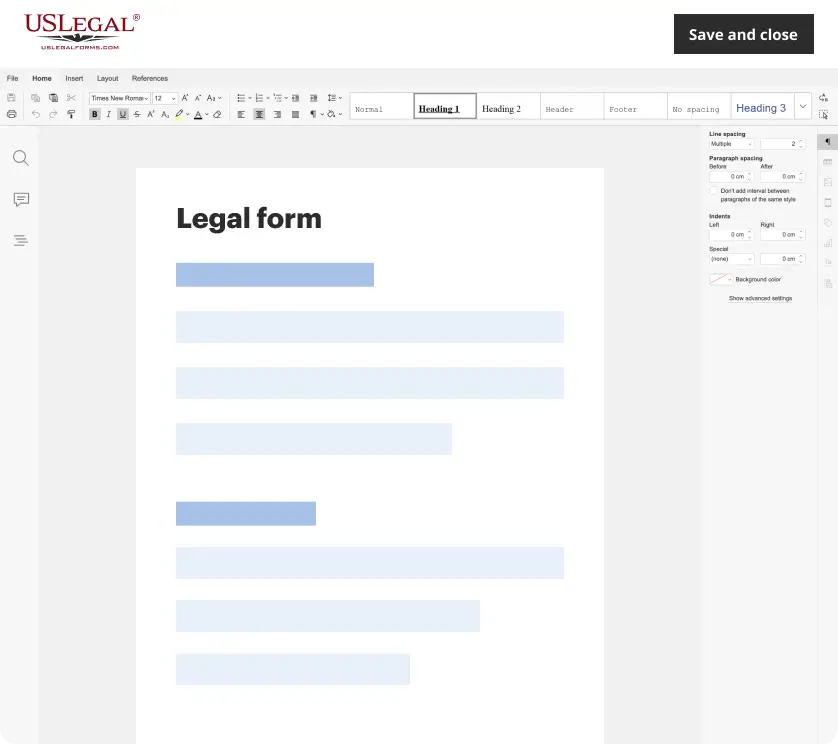
Make edits, fill in missing information, and update formatting in US Legal Forms—just like you would in MS Word.
Download a copy, print it, send it by email, or mail it via USPS—whatever works best for your next step.
Sign and collect signatures with our SignNow integration. Send to multiple recipients, set reminders, and more. Go Premium to unlock E-Sign.
If this form requires notarization, complete it online through a secure video call—no need to meet a notary in person or wait for an appointment.
We protect your documents and personal data by following strict security and privacy standards.
Looking for another form?

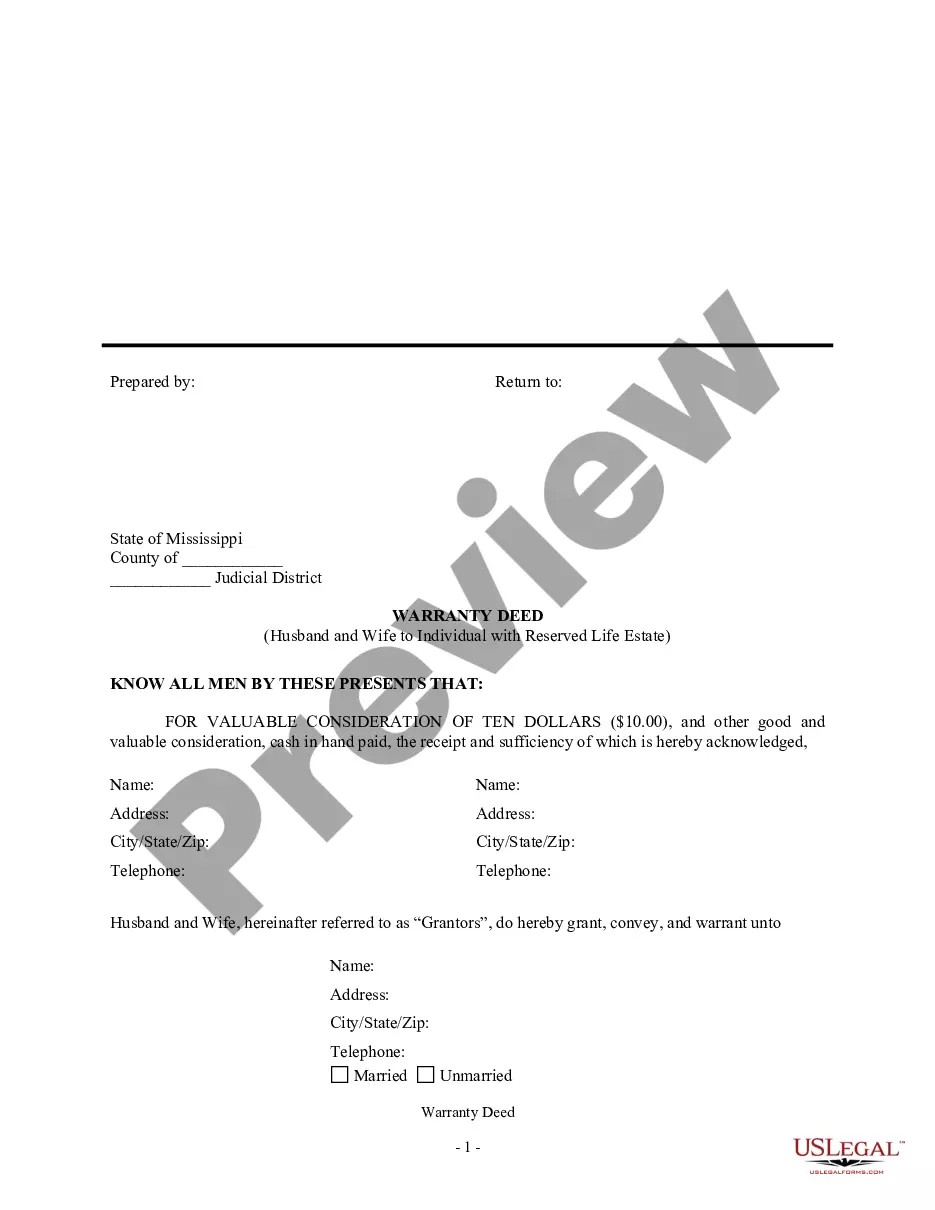
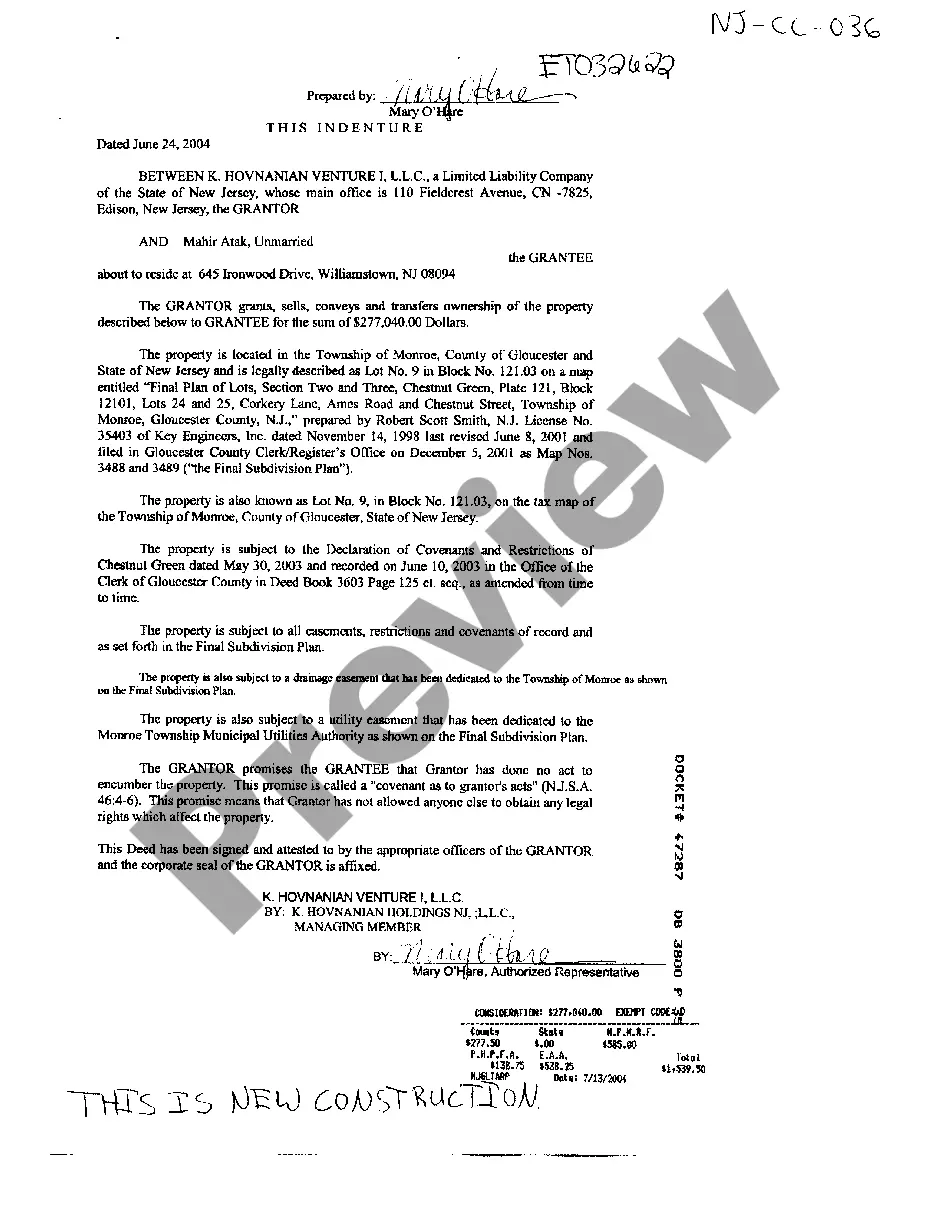

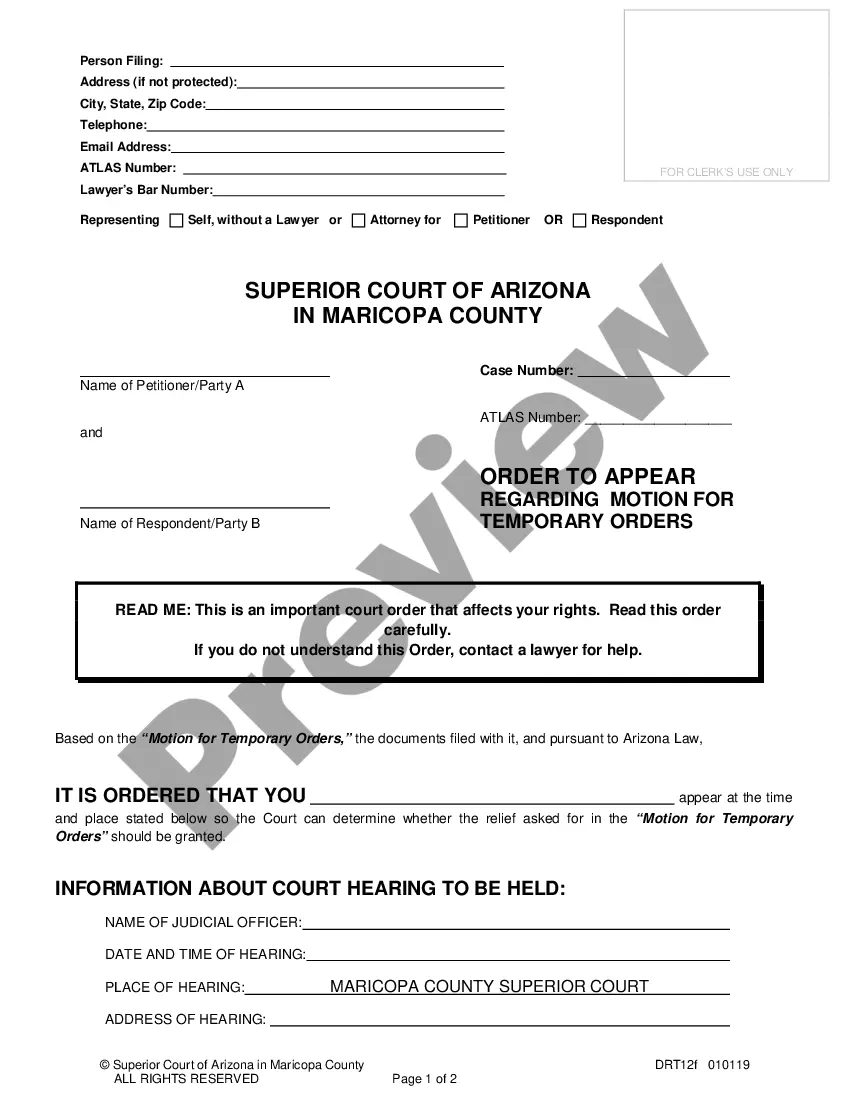
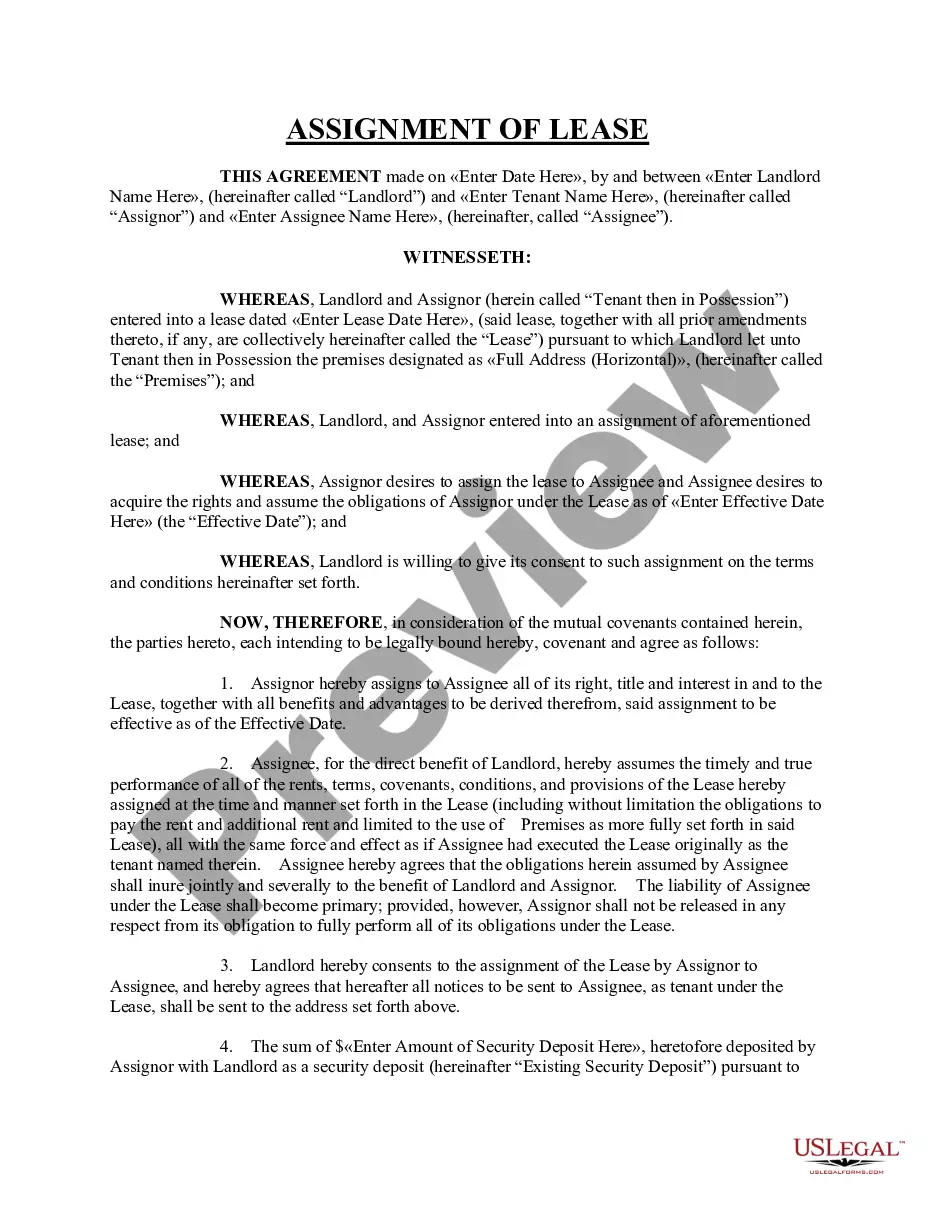

Form popularity
FAQ
The phrase in question is: “Please cease and desist all calls and contact with me, immediately.” These 11 words, when used correctly, can provide significant protection against aggressive debt collection practices.
How To Fill In A Proof Of Debt Form Box 1 – This is your business name. Box 2 – This is your business address. Box 3 – This is the total amount you are owed. Box 4 – List any supporting documents you have. Box 5 – List any un-capitalised interest on the claim.
The four-year Pennsylvania Statute of Limitations on debt is an often overlooked but powerful defense for consumers facing aggressive creditors. Debt collectors do not want you to know this, but sometimes a debt is just too old to collect.
Pennsylvania debt relief is available through banks, credit unions, online lenders and debt-relief companies (both nonprofit credit counseling agencies and for-profit companies).
A creditor can sue you if you get behind in your payments. The creditor may file a law suit at the Magisterial District Court if it's for a small amount, or may sue you in the County Court of Common Pleas, or in Federal Court.
The short answer is yes. If a creditor obtains a judgment against you, it can obtain a writ of execution to levy your bank account without prior notice to you.
Criminal statute of limitations is capped at the age of adulthood plus 32 years, ie age 50 for most. Criminal statute of limitations for adults is capped at 12 years after the offense was committed. Civil statute of limitations for adults is capped at 2 years after the offense was committed.
In most states, the statute of limitations for collecting on credit card debt is between three and 10 years, but a few states allow for longer periods, extending up to 15 years.
The truth is that there are no magic words to stop a debt collector from collecting the debt. In case you are wondering what the 11 word phrase to stop debt collectors is supposed to be its “Please cease and desist all calls and contact with me immediately.”
The phrase in question is: “Please cease and desist all calls and contact with me, immediately.” These 11 words, when used correctly, can provide significant protection against aggressive debt collection practices.
