Secured Debt Shall With A Sinking Fund In Ohio
Description

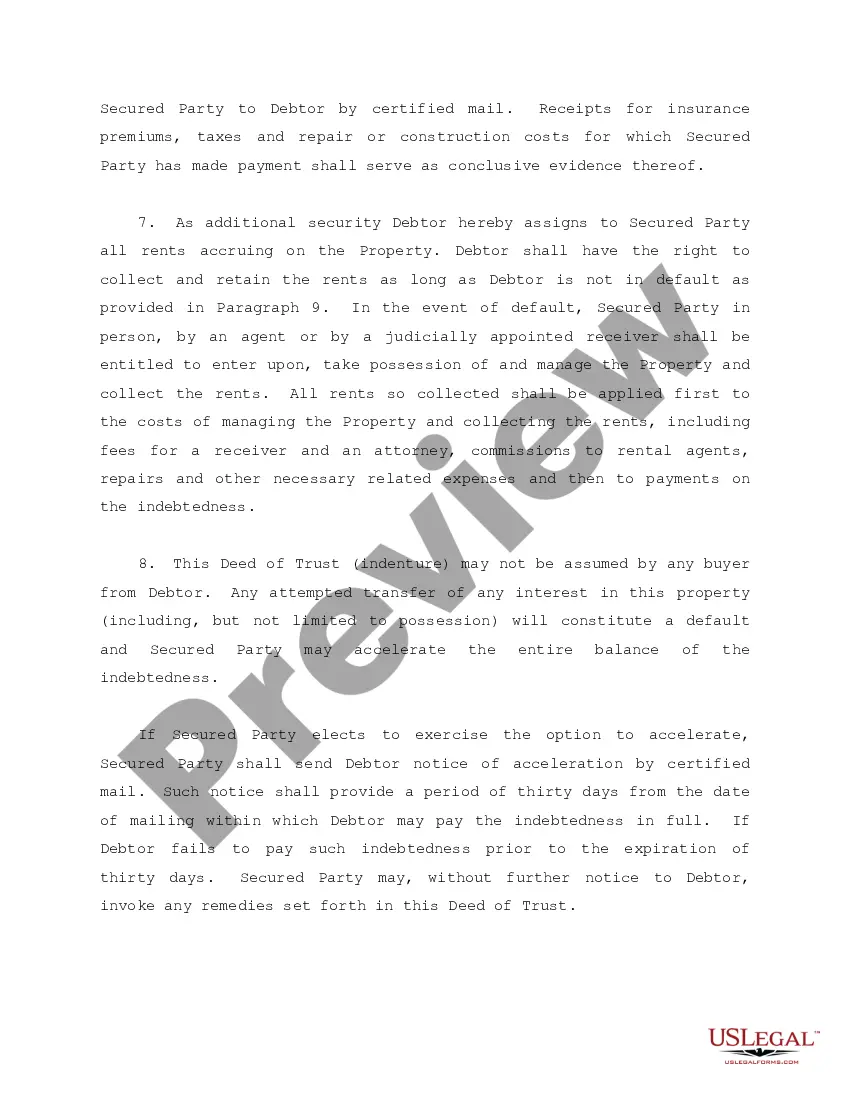
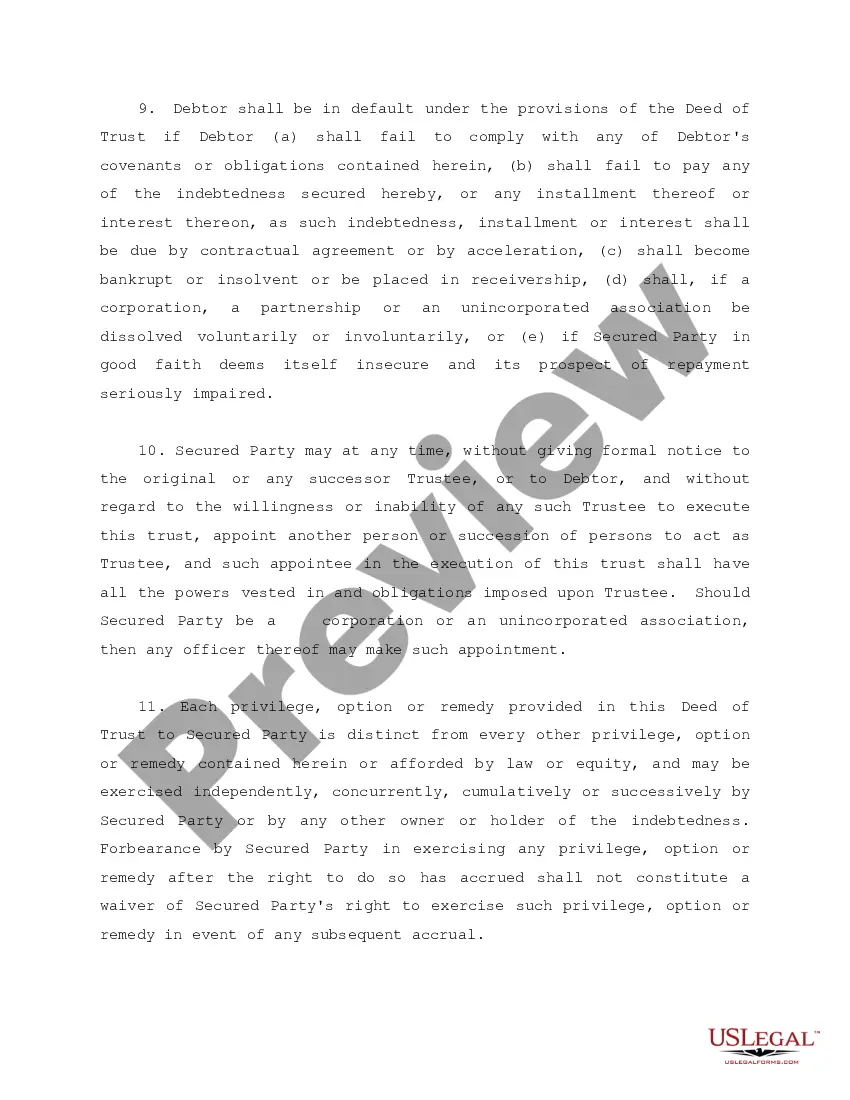
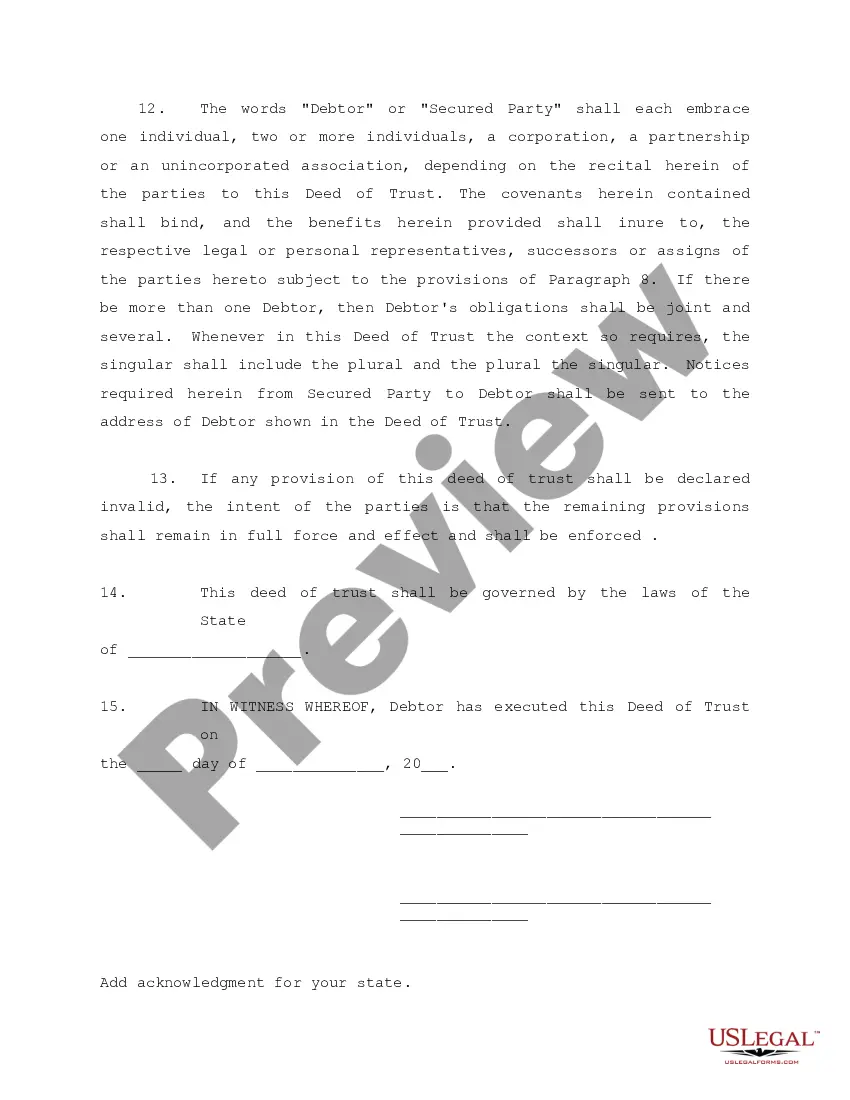
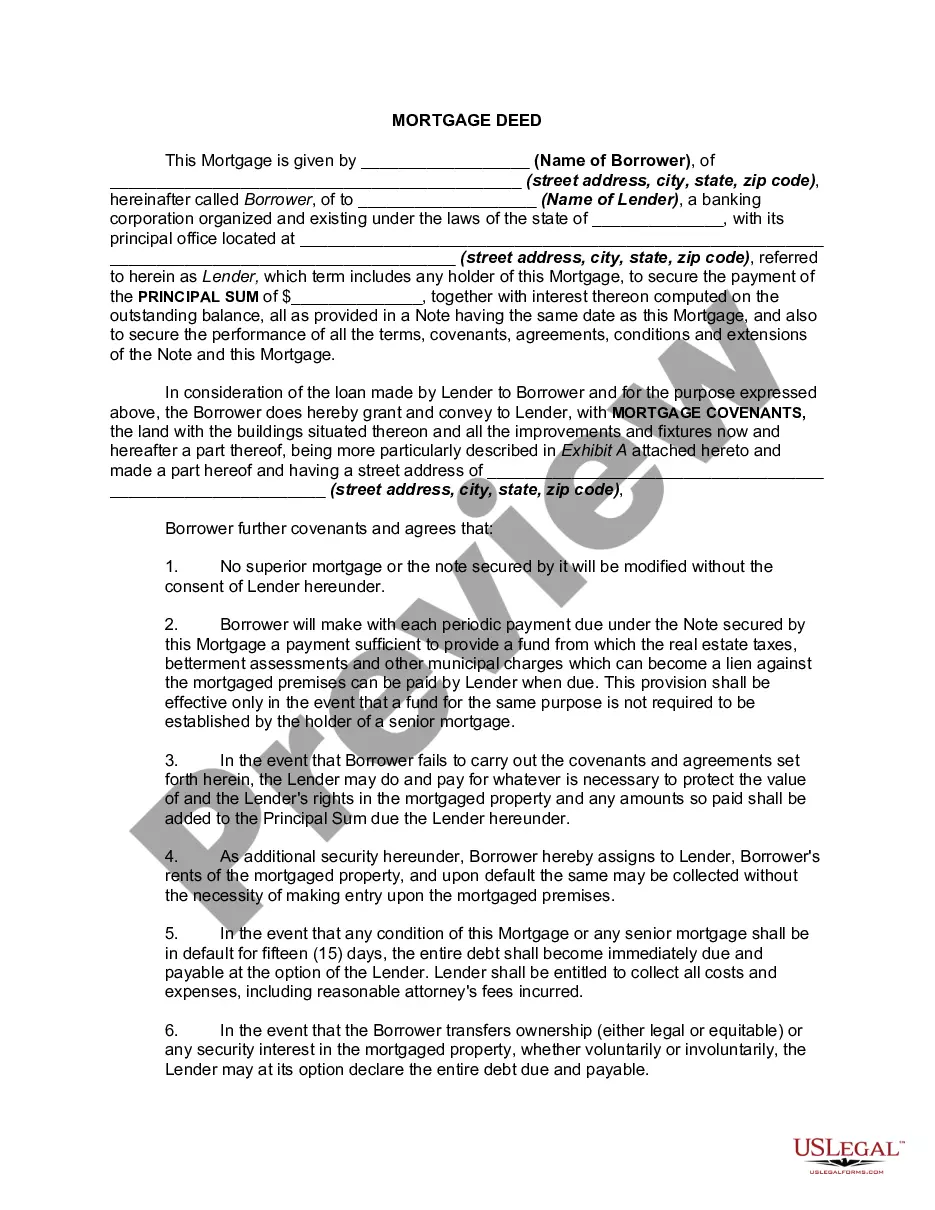

Get your form ready online
Our built-in tools help you complete, sign, share, and store your documents in one place.
Make edits, fill in missing information, and update formatting in US Legal Forms—just like you would in MS Word.
Download a copy, print it, send it by email, or mail it via USPS—whatever works best for your next step.
Sign and collect signatures with our SignNow integration. Send to multiple recipients, set reminders, and more. Go Premium to unlock E-Sign.
If this form requires notarization, complete it online through a secure video call—no need to meet a notary in person or wait for an appointment.
We protect your documents and personal data by following strict security and privacy standards.

Make edits, fill in missing information, and update formatting in US Legal Forms—just like you would in MS Word.

Download a copy, print it, send it by email, or mail it via USPS—whatever works best for your next step.

Sign and collect signatures with our SignNow integration. Send to multiple recipients, set reminders, and more. Go Premium to unlock E-Sign.

If this form requires notarization, complete it online through a secure video call—no need to meet a notary in person or wait for an appointment.

We protect your documents and personal data by following strict security and privacy standards.
Looking for another form?








Form popularity
FAQ
Sinking funds are in 'trust' for the scheme and should not be returned to lessees upon assignment, or at any time. Interest earned on funds should be added to the funds unless the lease states otherwise. If funds are held in 'trust' then a tax will be charged on the interest earned.
The state may contract debts to supply casual deficits or failures in revenues, or to meet expenses not otherwise provided for; but the aggregate amount of such debts, direct and contingent, whether contracted by virtue of one or more acts of the General Assembly, or at different periods of time, shall never exceed ...
Sinking funds are financial strategies that operate through regular contributions, allowing organisations to accumulate a specific amount by a predetermined date, usually for repaying debt or funding significant purchases.
General purpose sinking fund The payments you make to a general-purpose sinking or reserve fund generally covers non-routine but anticipated expenses in the year the levy is raised, such as roof repairs or the painting of common property. You can claim the sinking fund contribution in your tax return.
You can use a budgeting app, like You Need a Budget (YNAB) or PocketGuard, to monitor your sinking funds. Setting up automatic monthly transfers from your main checking account to your sinking funds account can help you stay on track.
Example of Reporting a Sinking Fund on the Balance Sheet A corporation's bond sinking fund appears in the first noncurrent asset section of the corporation's balance sheet. This section is likely to have the heading Investments.
Sinking funds are in 'trust' for the scheme and should not be returned to lessees upon assignment, or at any time. Interest earned on funds should be added to the funds unless the lease states otherwise. If funds are held in 'trust' then a tax will be charged on the interest earned.
In residential strata settings, the strata committee or body corporate is responsible for managing the sinking fund. This management ensures that there are adequate funds available for future repairs and upgrades to the strata property.
Owners of properties within the building or estate contribute regularly. These contributions might be monthly, quarterly, or annually. The amount typically depends on the service charges outlined in the lease agreement. Usually, a property management company handles the sinking fund.
