Secured Debt Shall For Loan In Ohio
Description

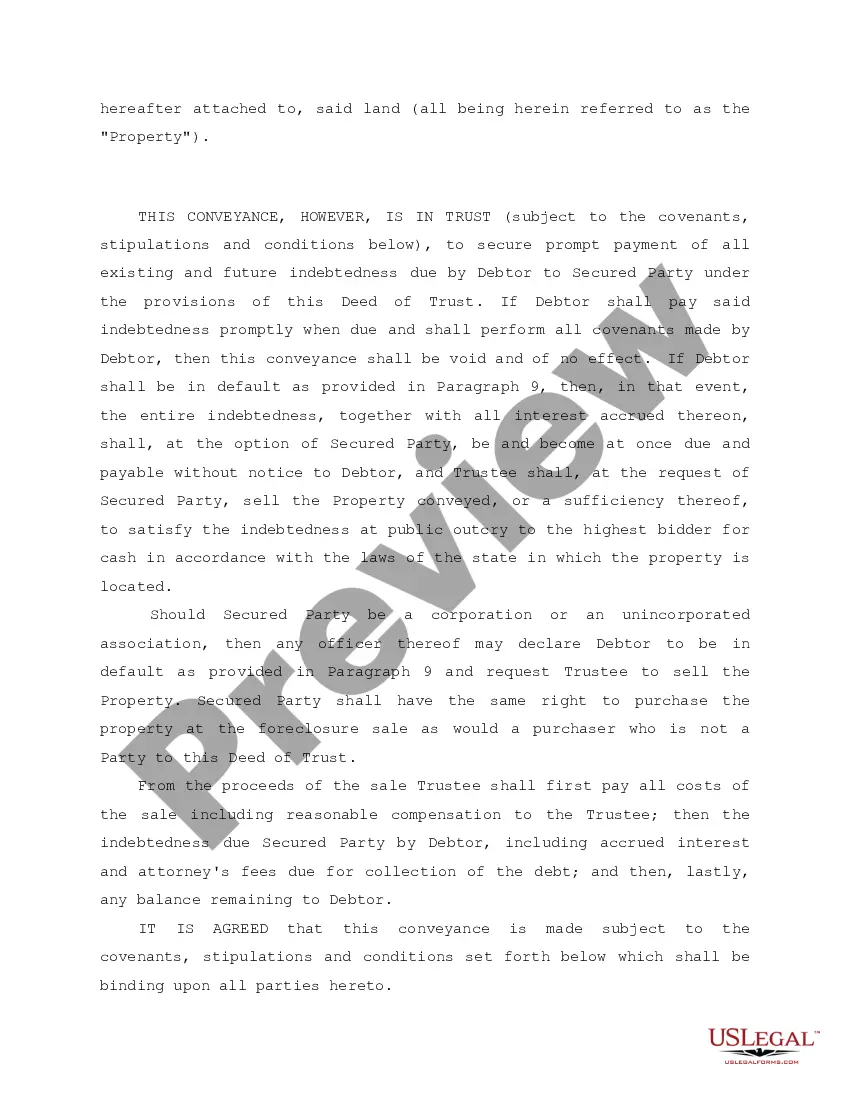
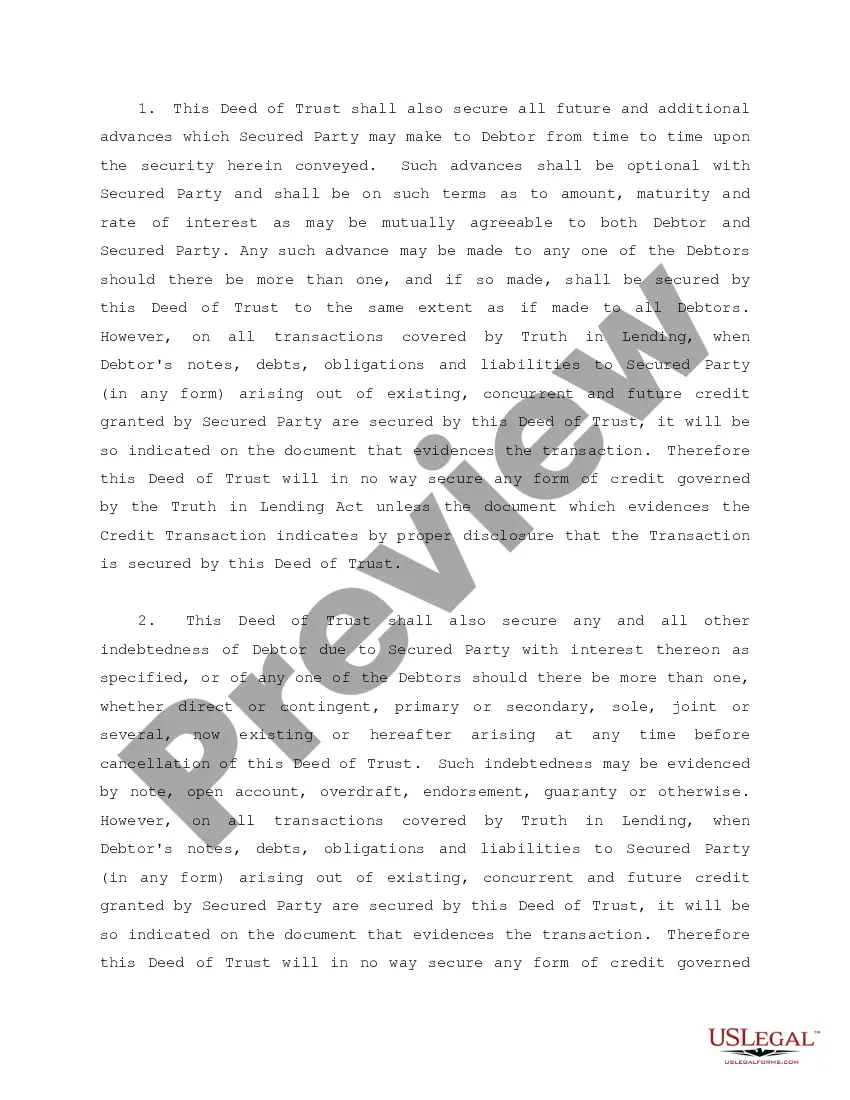
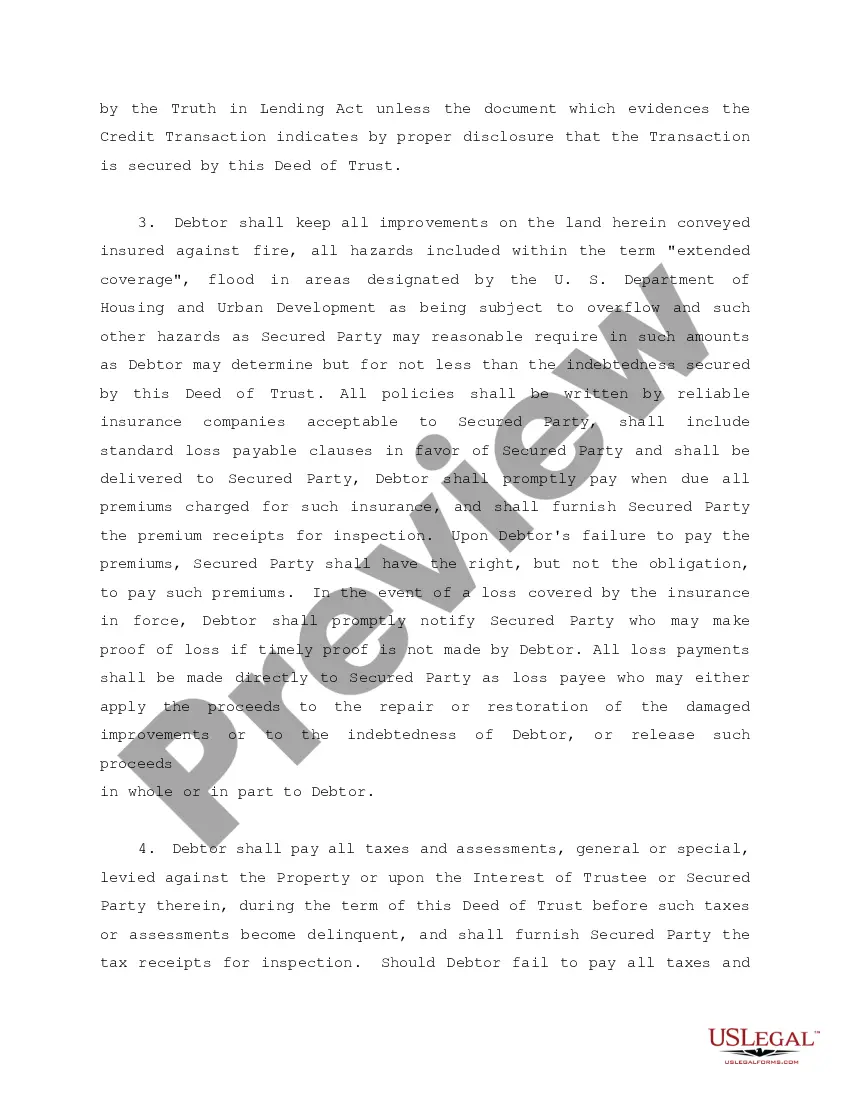
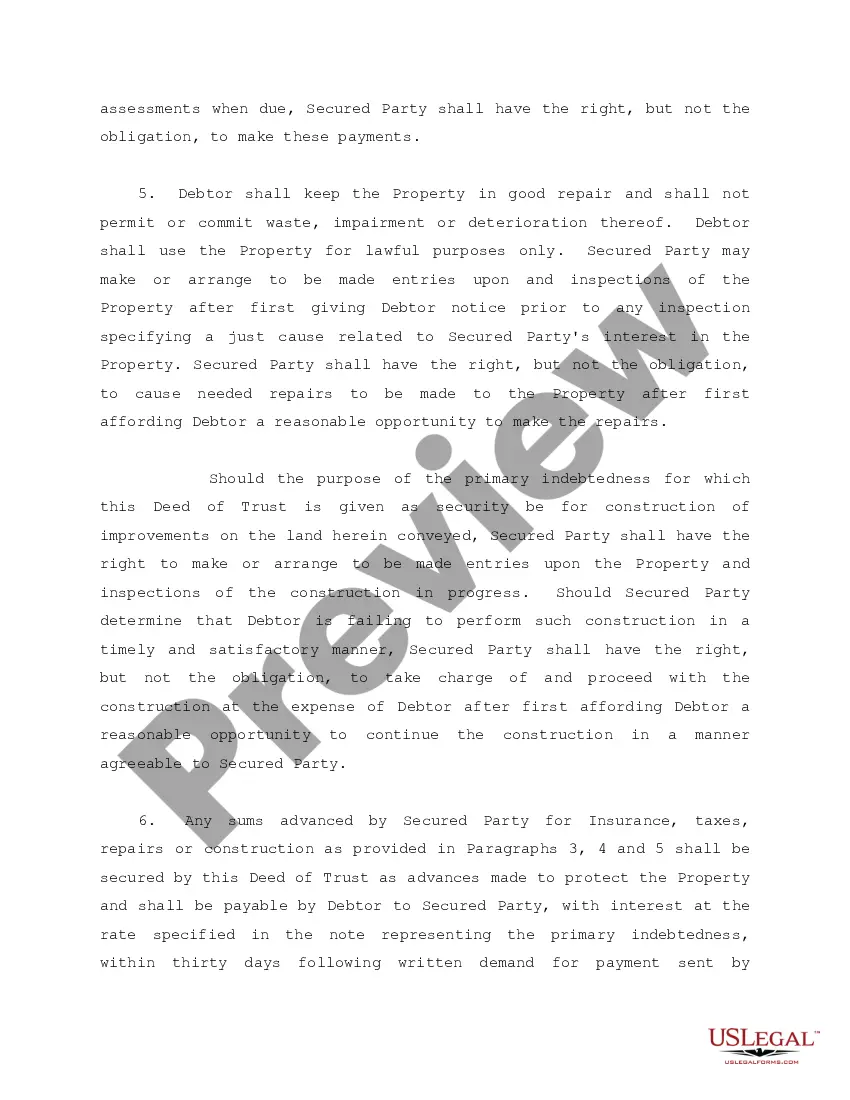
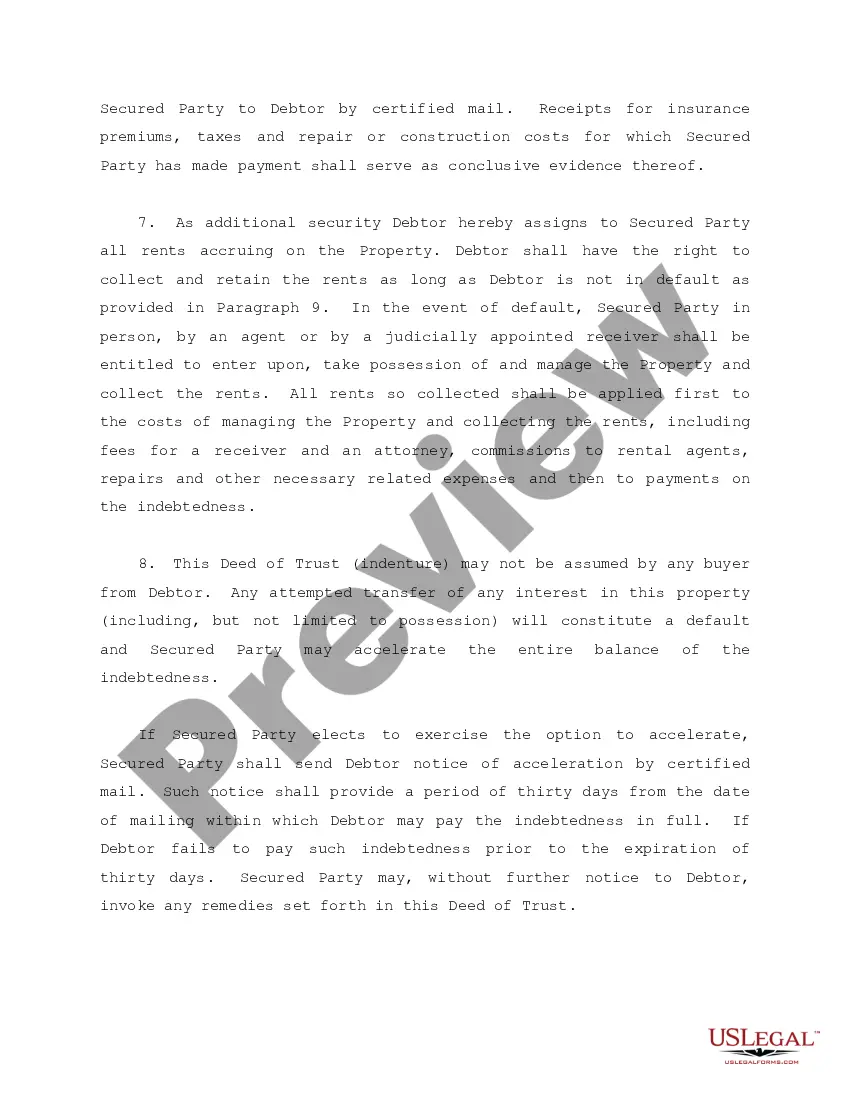
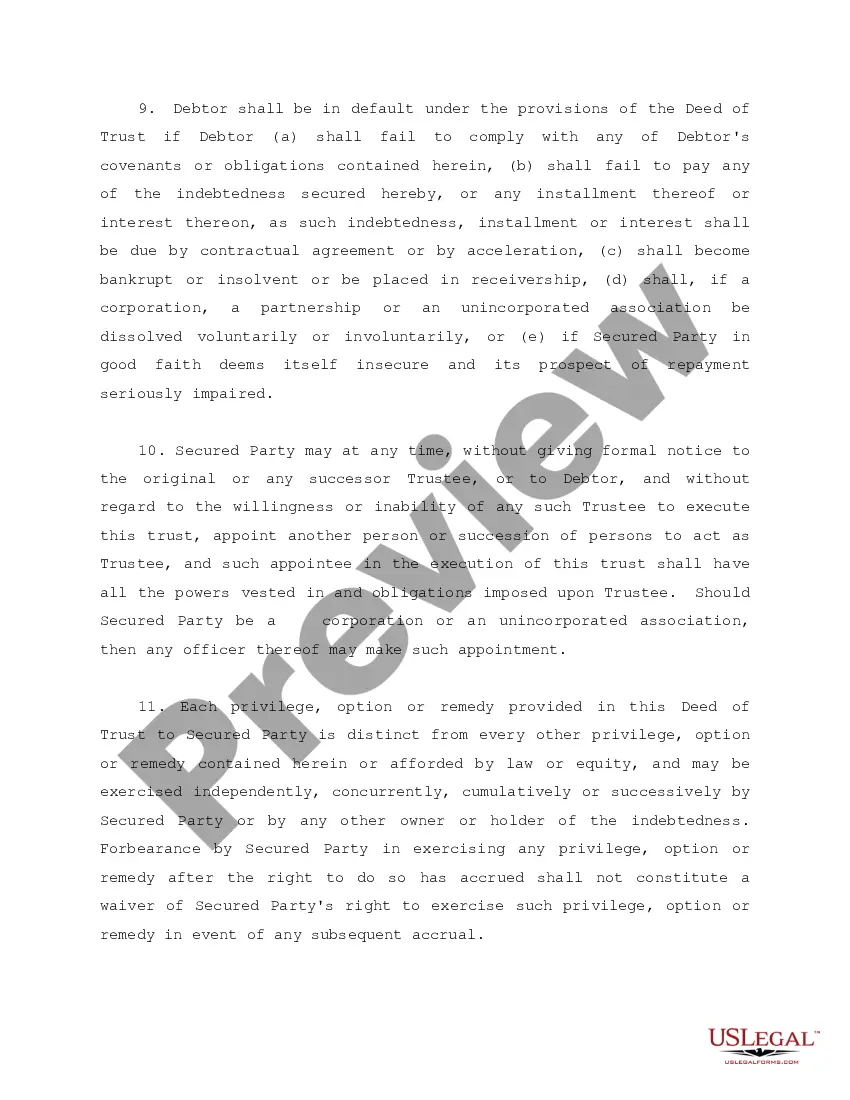
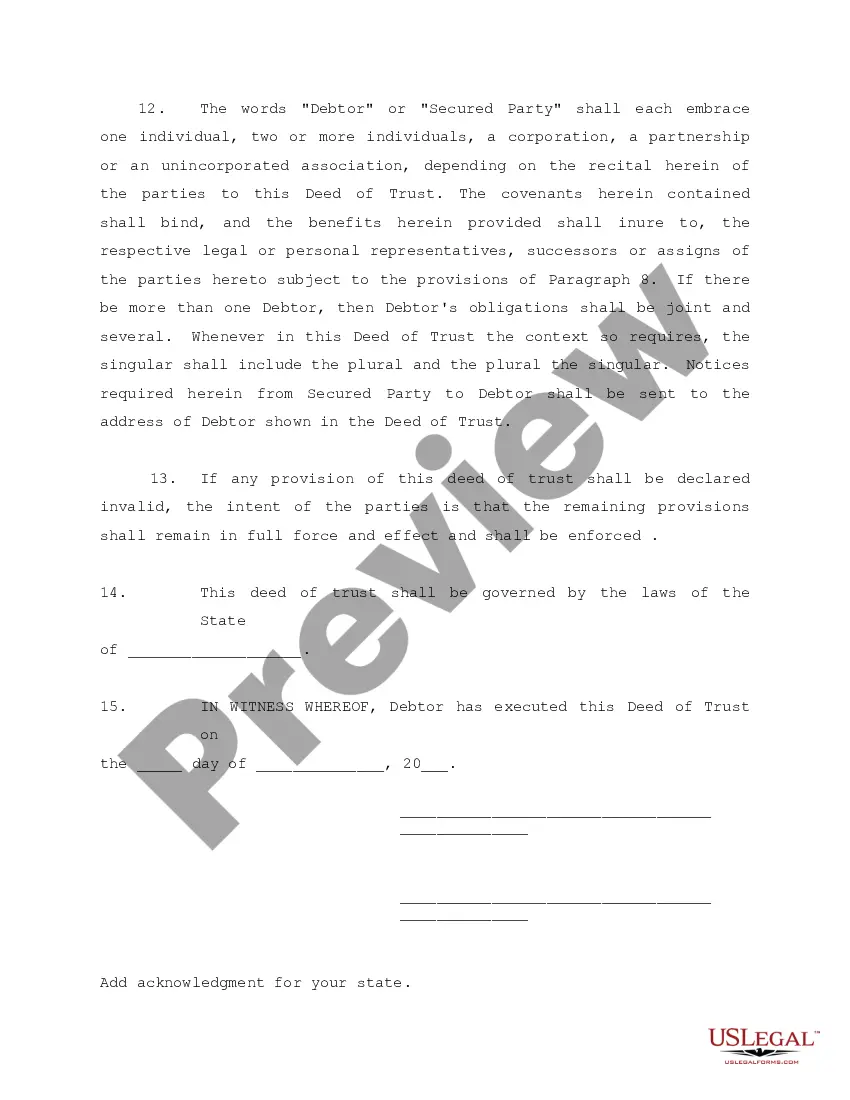


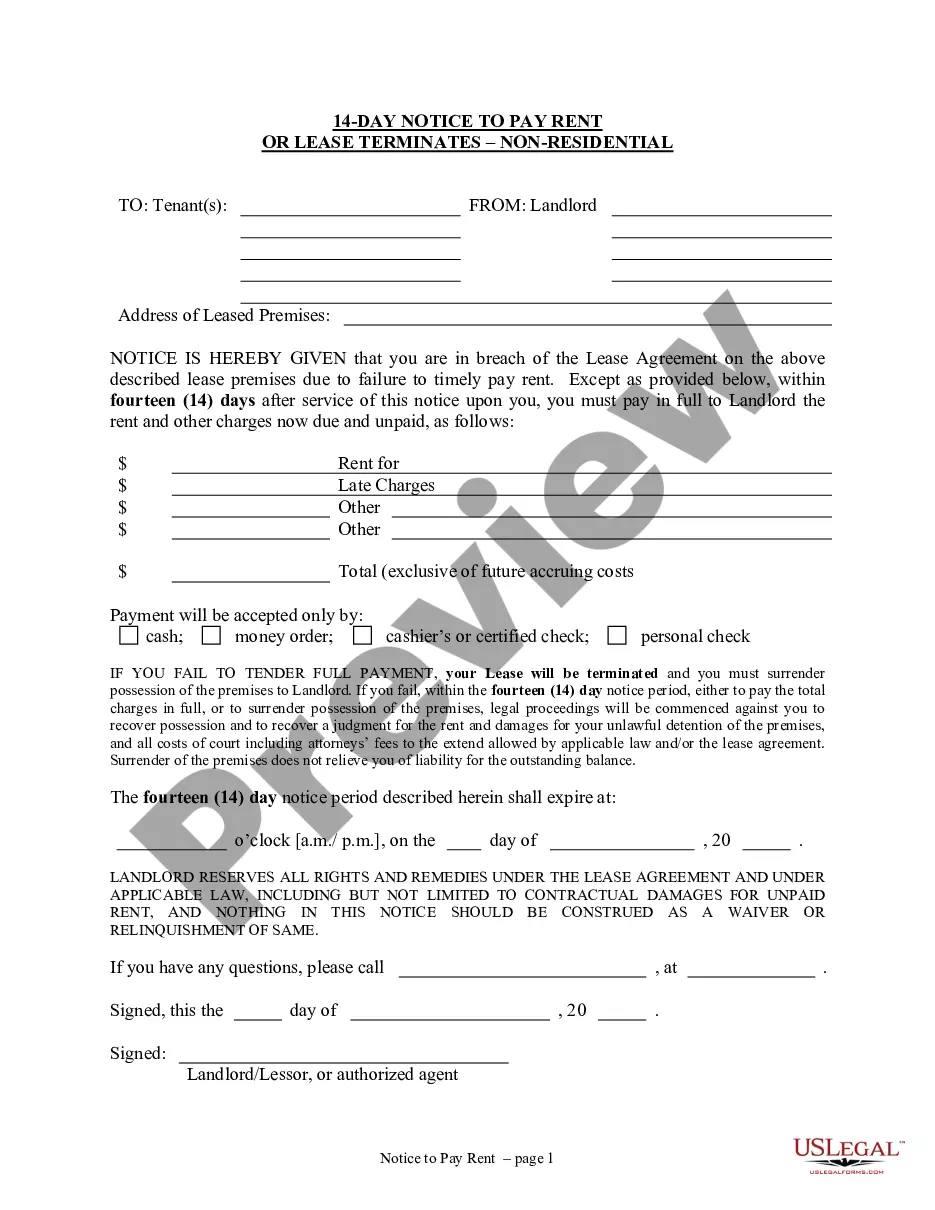
Get your form ready online
Our built-in tools help you complete, sign, share, and store your documents in one place.
Make edits, fill in missing information, and update formatting in US Legal Forms—just like you would in MS Word.
Download a copy, print it, send it by email, or mail it via USPS—whatever works best for your next step.
Sign and collect signatures with our SignNow integration. Send to multiple recipients, set reminders, and more. Go Premium to unlock E-Sign.
If this form requires notarization, complete it online through a secure video call—no need to meet a notary in person or wait for an appointment.
We protect your documents and personal data by following strict security and privacy standards.

Make edits, fill in missing information, and update formatting in US Legal Forms—just like you would in MS Word.

Download a copy, print it, send it by email, or mail it via USPS—whatever works best for your next step.

Sign and collect signatures with our SignNow integration. Send to multiple recipients, set reminders, and more. Go Premium to unlock E-Sign.

If this form requires notarization, complete it online through a secure video call—no need to meet a notary in person or wait for an appointment.

We protect your documents and personal data by following strict security and privacy standards.
Looking for another form?








Form popularity
FAQ
Fact-Checked Legal Maximum Rate of Interest8% (§1343.01) Penalty for Usury (Unlawful Interest Rate) Excess interest applied to principal (§1343.04) Interest Rates on Judgments Contract rate (§1343.02), otherwise 10% (§1343.03)1 more row
Fact-Checked Legal Maximum Rate of Interest8% (§1343.01) Penalty for Usury (Unlawful Interest Rate) Excess interest applied to principal (§1343.04) Interest Rates on Judgments Contract rate (§1343.02), otherwise 10% (§1343.03)1 more row
A brief history of California Usury Law With some constitutional amendments, most notably the 1979 constitutional amendment, Article XV, Section 1, California's usury limit is now generally 10% per year with a broader range of exemptions.
Chapter 1312 of the Ohio Revised Code became effective in 2005 and embodies Ohio's Right to Cure Statute. It sets forth the procedure under which a residential contractor may cure a defect prior to an Owner commencing arbitration proceedings or a civil action.
Old (Time-Barred) Debts In California, there is generally a four-year limit for filing a lawsuit to collect a debt based on a written agreement.
Most states or jurisdictions have statutes of limitations between three and six years for debts, but some may be longer. This may also vary depending, for instance, on the: Type of debt.
