Security Debt Shall Forgiveness In Minnesota
Description

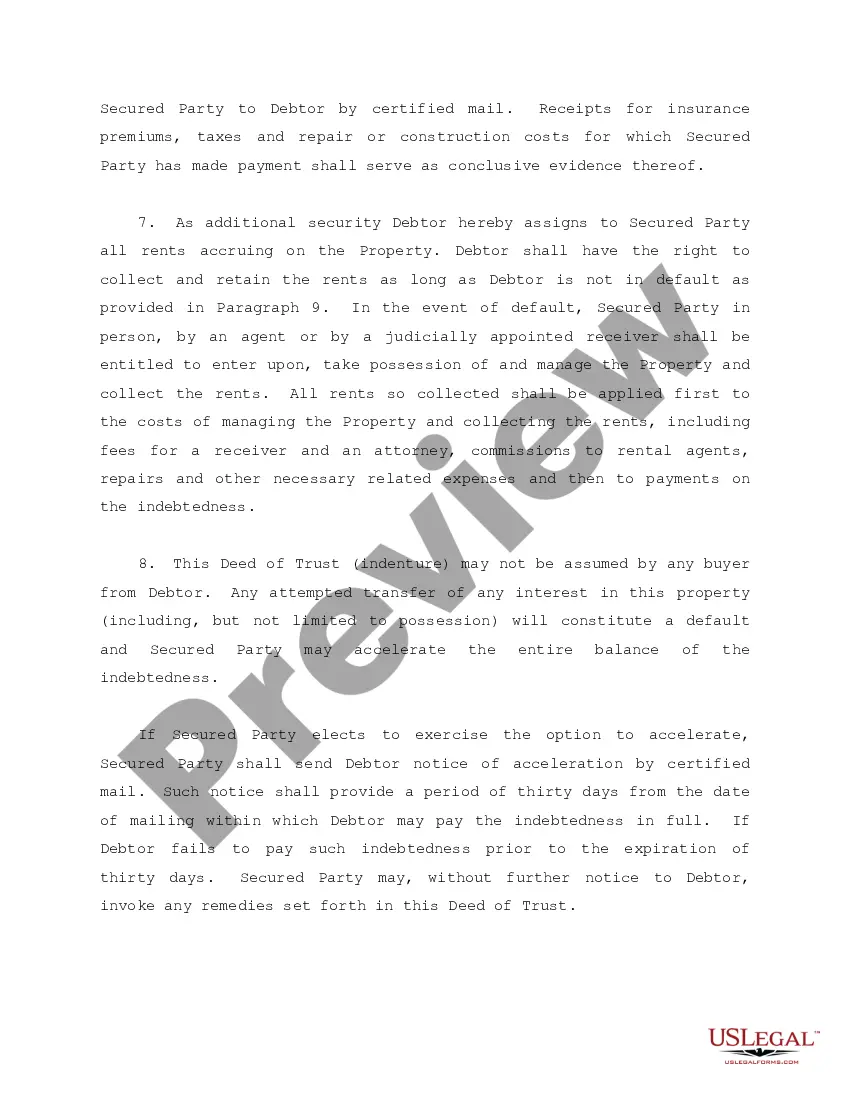
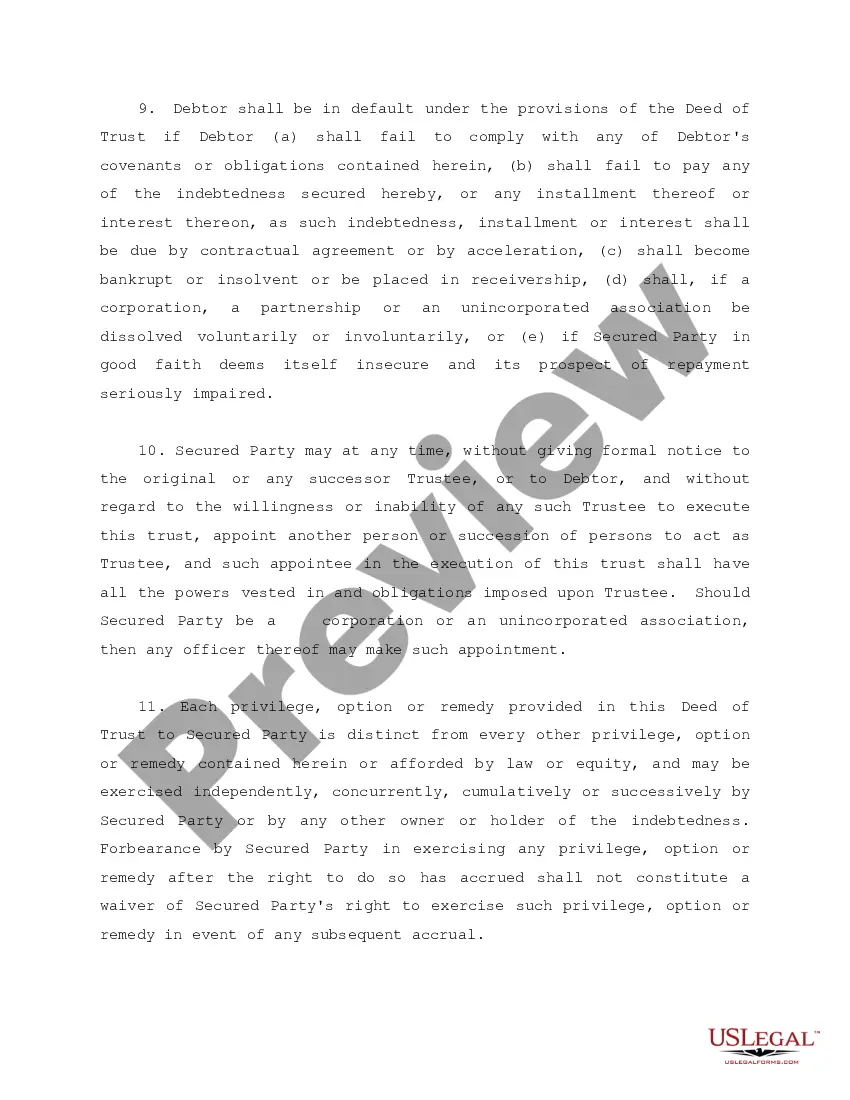
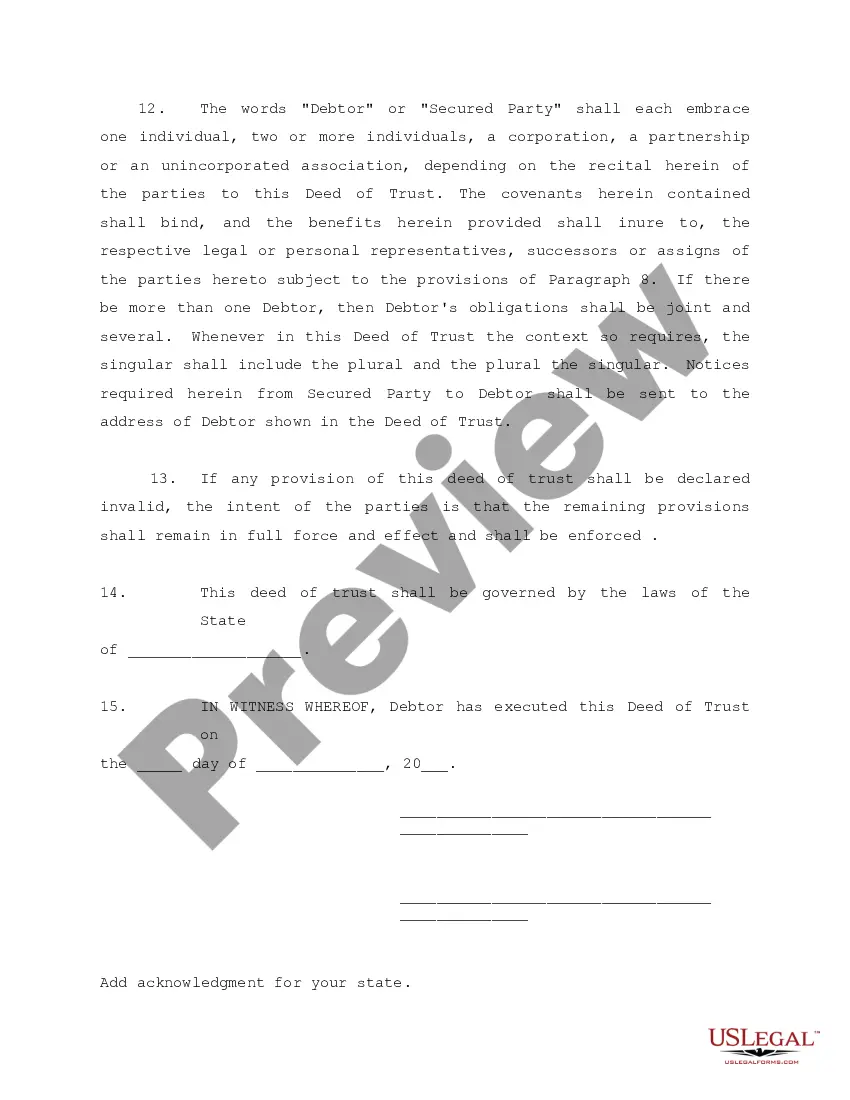
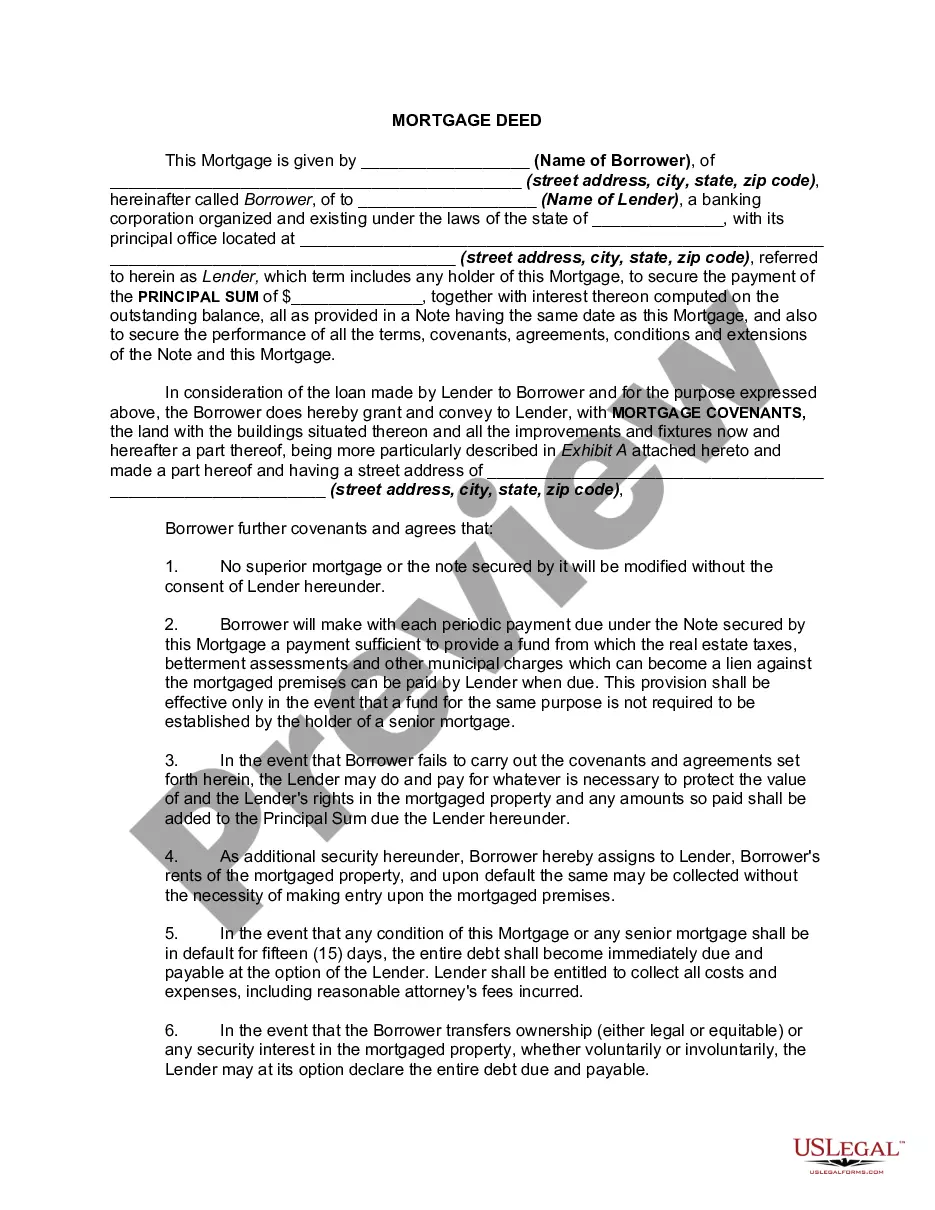

Get your form ready online
Our built-in tools help you complete, sign, share, and store your documents in one place.
Make edits, fill in missing information, and update formatting in US Legal Forms—just like you would in MS Word.
Download a copy, print it, send it by email, or mail it via USPS—whatever works best for your next step.
Sign and collect signatures with our SignNow integration. Send to multiple recipients, set reminders, and more. Go Premium to unlock E-Sign.
If this form requires notarization, complete it online through a secure video call—no need to meet a notary in person or wait for an appointment.
We protect your documents and personal data by following strict security and privacy standards.

Make edits, fill in missing information, and update formatting in US Legal Forms—just like you would in MS Word.

Download a copy, print it, send it by email, or mail it via USPS—whatever works best for your next step.

Sign and collect signatures with our SignNow integration. Send to multiple recipients, set reminders, and more. Go Premium to unlock E-Sign.

If this form requires notarization, complete it online through a secure video call—no need to meet a notary in person or wait for an appointment.

We protect your documents and personal data by following strict security and privacy standards.
Looking for another form?

Form popularity
FAQ
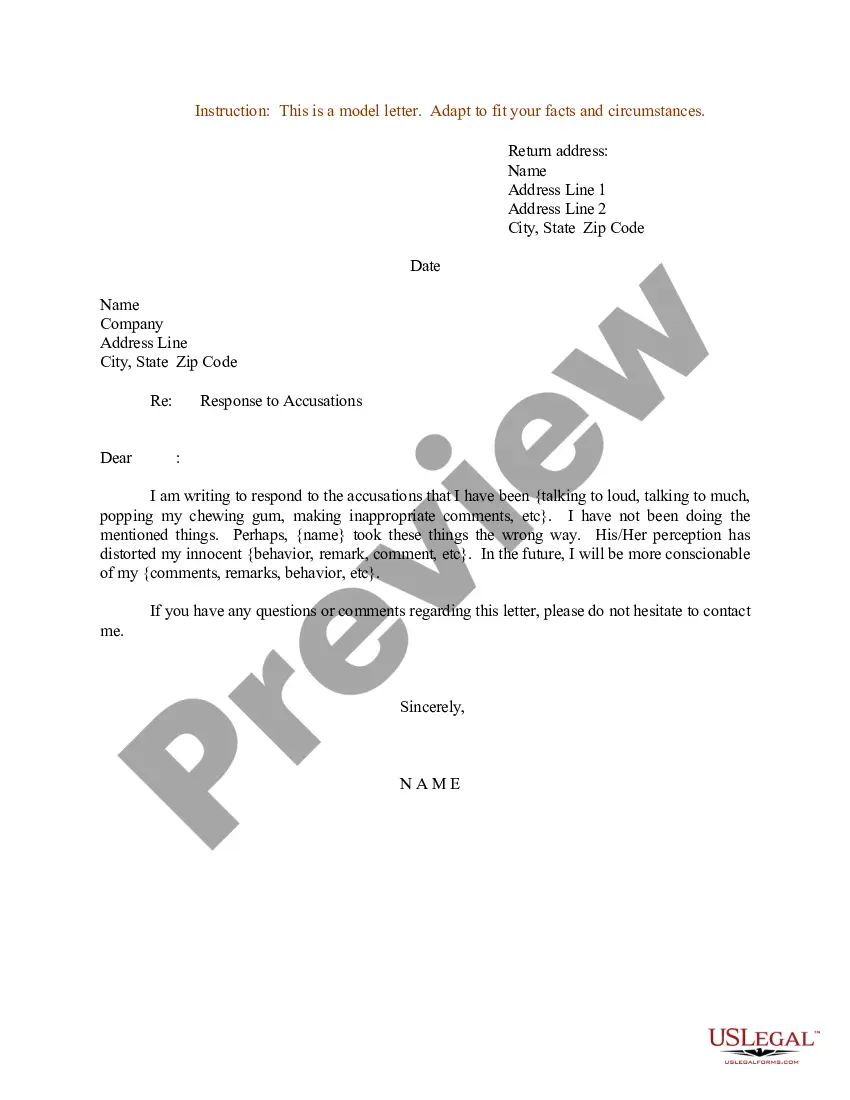
Unfortunately, my circumstances are unlikely to improve in the foreseeable future and I have no assets to sell to help clear my debt. I am therefore asking you to consider writing off my debt as I can see no way of ever repaying it. If you are unable to agree to this, please explain your reasons.
In Minnesota, the Medical Debt Fairness Act recently went into effect with its most notable provisions banning medical debt from being reported to credit reporting agencies. The act also ensures medical providers cannot withhold medical care despite unpaid debt.
The legislation eases the burden of medical debt for Minnesotans by: Banning medical providers from withholding medically necessary care due to unpaid debt; Preventing medical debt from impacting credit scores. Eliminating automatic transfers of medical debt to a patient's spouse.
If your debts are overdue the creditor may be willing to negotiate with you. They might even agree to accept less than what you owe. Sometimes it's possible to work out an agreement so your debt is eliminated and debt collectors can't sue you for the debt.
I respectfully request that you forgive my alleged debt, as my condition precludes any employment, and my current and future income does not support any debt repayment. Please respond to my request in writing to the address below at your earliest convenience. Thank-you in advance for your understanding of my situation.
Debt relief refers to measures to reduce or refinance debt to make it easier for the borrower to repay it. Options for debt relief include forgiving a portion of the debt, lowering the interest rate, stretching payments over a longer period, or consolidating multiple debts into a single, lower-interest one.
The Minnesota Debt Fairness Act makes additional debt reforms, including: Establishing automatic income-based wage garnishment levels, ranging from 10% to 25%, rather than the flat 25% garnishment cap that previously existed.
What is The Fair Debt Collection Practices Act (FDCPA)? The Fair Debt Collection Practices Act (FDCPA) is the main federal law that governs debt collection practices. The FDCPA prohibits debt collection companies from using abusive, unfair, or deceptive practices to collect debts from you.
The legislation eases the burden of medical debt for Minnesotans by: Banning medical providers from withholding medically necessary care due to unpaid debt; Preventing medical debt from impacting credit scores.
In Minnesota, the Medical Debt Fairness Act recently went into effect with its most notable provisions banning medical debt from being reported to credit reporting agencies. The act also ensures medical providers cannot withhold medical care despite unpaid debt.
