Secured Debt Shall For A 6th Grader In Miami-Dade
Description







Get your form ready online
Our built-in tools help you complete, sign, share, and store your documents in one place.
Make edits, fill in missing information, and update formatting in US Legal Forms—just like you would in MS Word.
Download a copy, print it, send it by email, or mail it via USPS—whatever works best for your next step.
Sign and collect signatures with our SignNow integration. Send to multiple recipients, set reminders, and more. Go Premium to unlock E-Sign.
If this form requires notarization, complete it online through a secure video call—no need to meet a notary in person or wait for an appointment.
We protect your documents and personal data by following strict security and privacy standards.

Make edits, fill in missing information, and update formatting in US Legal Forms—just like you would in MS Word.

Download a copy, print it, send it by email, or mail it via USPS—whatever works best for your next step.

Sign and collect signatures with our SignNow integration. Send to multiple recipients, set reminders, and more. Go Premium to unlock E-Sign.

If this form requires notarization, complete it online through a secure video call—no need to meet a notary in person or wait for an appointment.

We protect your documents and personal data by following strict security and privacy standards.
Looking for another form?








Form popularity
FAQ
Age-Eligible Children Districts must admit children at the beginning of the school year (or whenever they move into a district) if they will be five years of age on or before September 1 (EC Section 48000a).
All children who have attained the age of six (6) years by February 1st of any school year but have not attained the age of sixteen (16) years, are required to attend school regularly during the entire school term.
However, Florida law, Section 1003.21 (1)(a), Florida Statutes, specifies that all children who have attained the age of six years or who will have attained the age of 6 years by February 1 of any school year are required to attend school regularly during the entire school term.
A student who attains the age of 16 years during the school year is not subject to compulsory school attendance beyond the date upon which he or she attains that age if the student files a formal declaration of intent to terminate school enrollment with the district school board.
Prekindergarten 3 is for children who are 3 years old on or before Sept. 1 of the school year when they are attending Pre-K. Children spend a full day in a safe and nurturing environment.
Examples of unsecured debt include credit cards, medical bills, utility bills, and other instances in which credit was given without any collateral requirement.
Credit card debt is by far the most common type of unsecured debt. If you fail to make credit card payments, the card issuer cannot repossess the items you purchased.
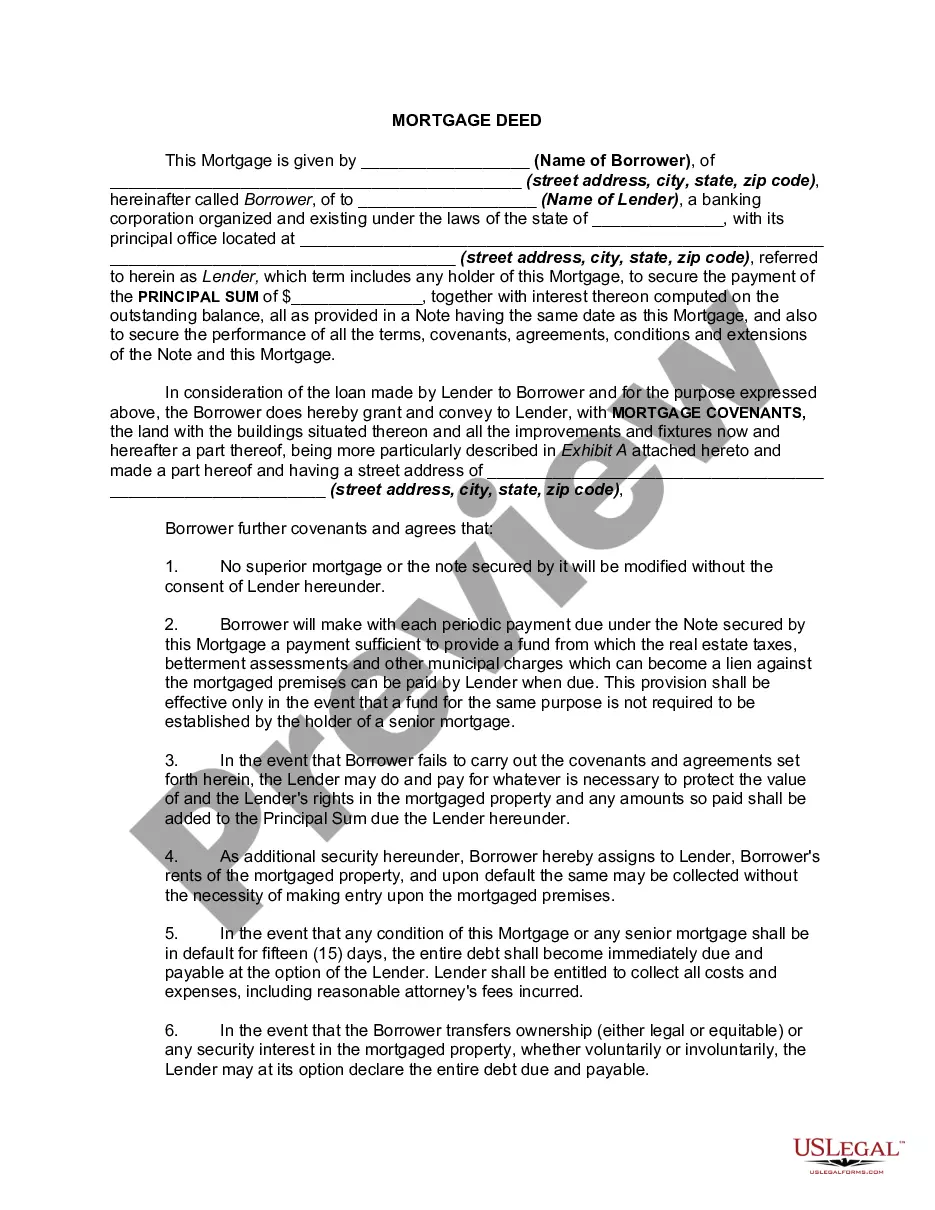
Why is a Mortgage Secured Debt? A mortgage is what's called a secured debt because it is backed up by collateral. In this case, the collateral is your home.
