Secure Debt Shall Foreclose In Franklin
Description

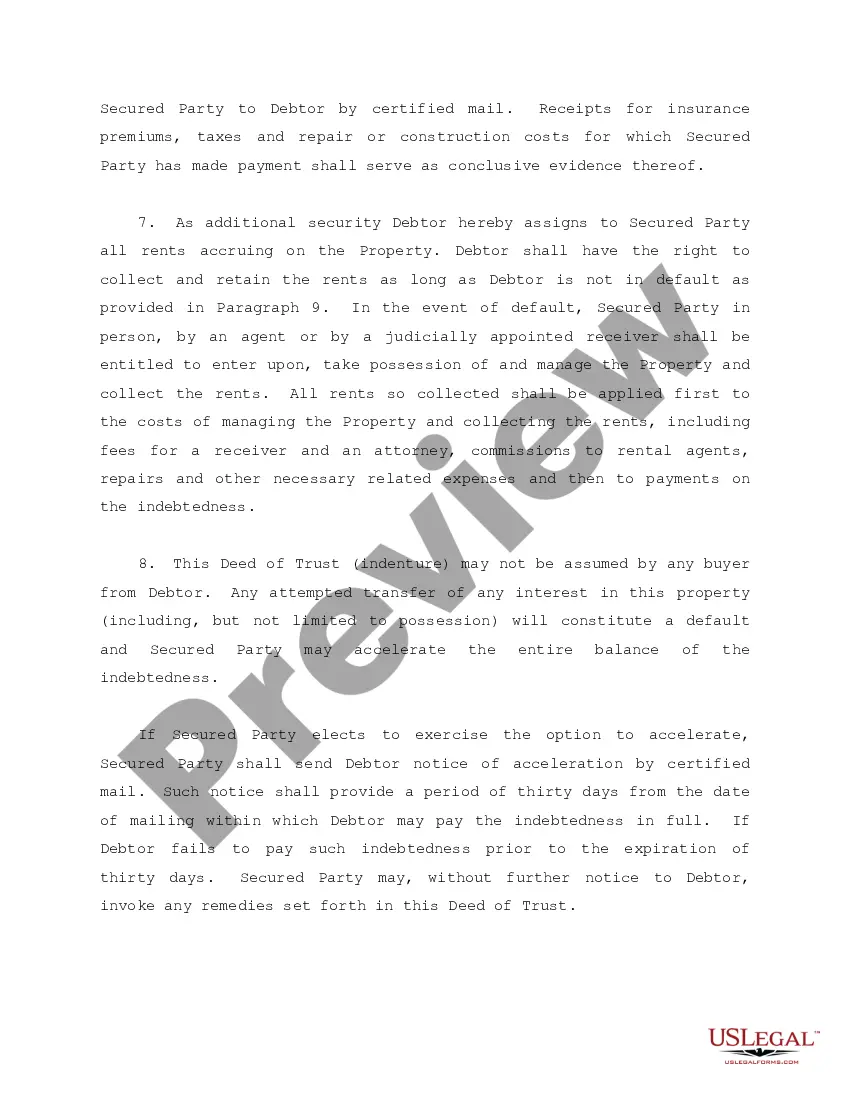
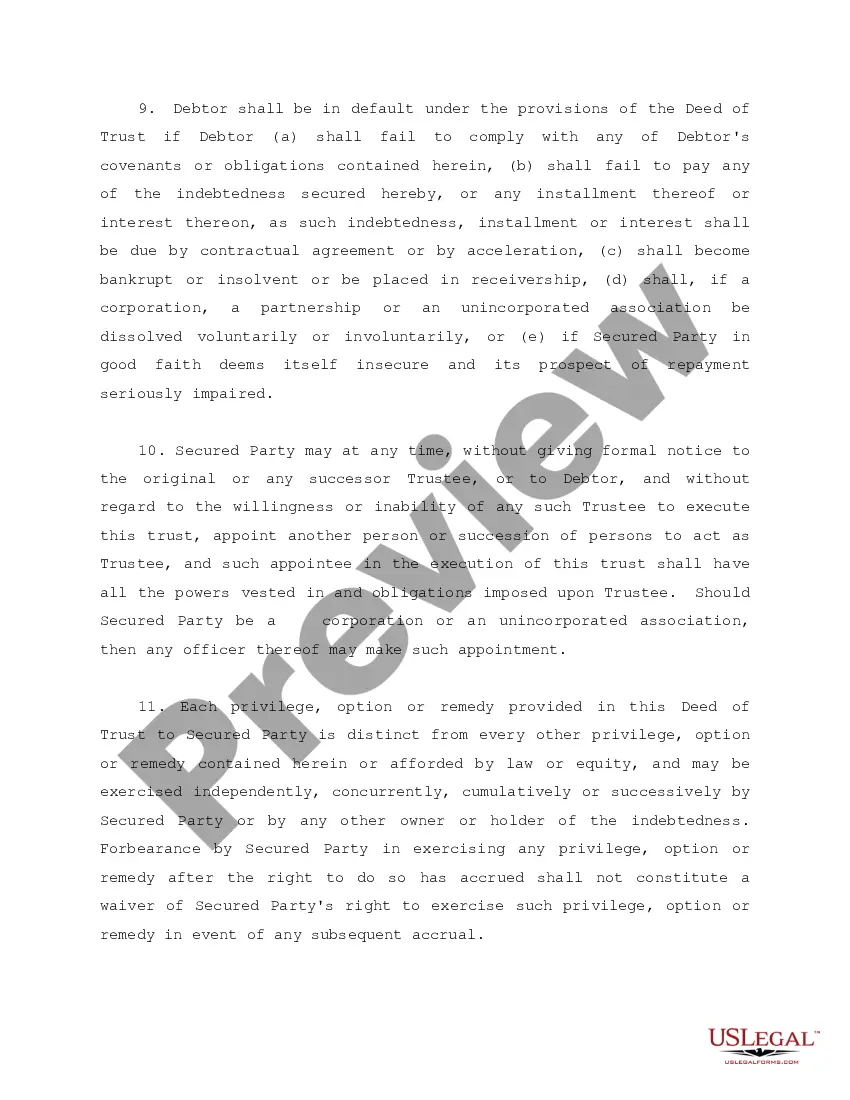
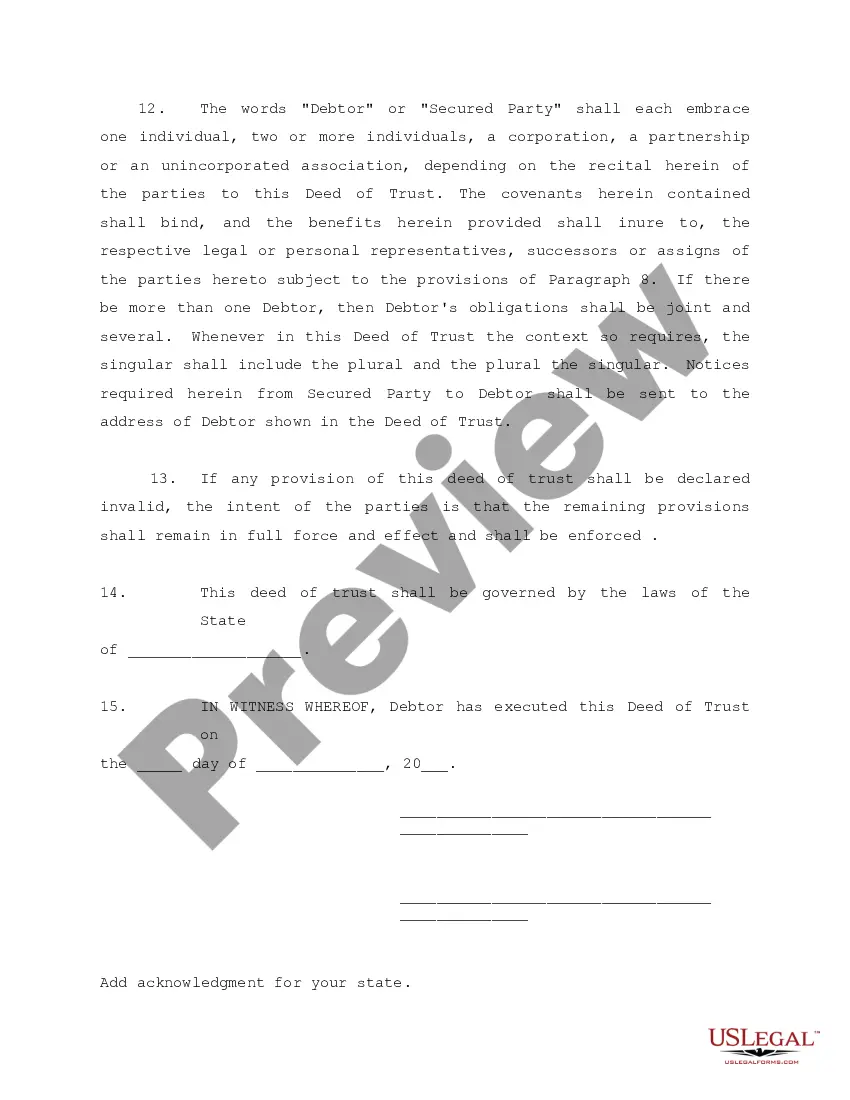
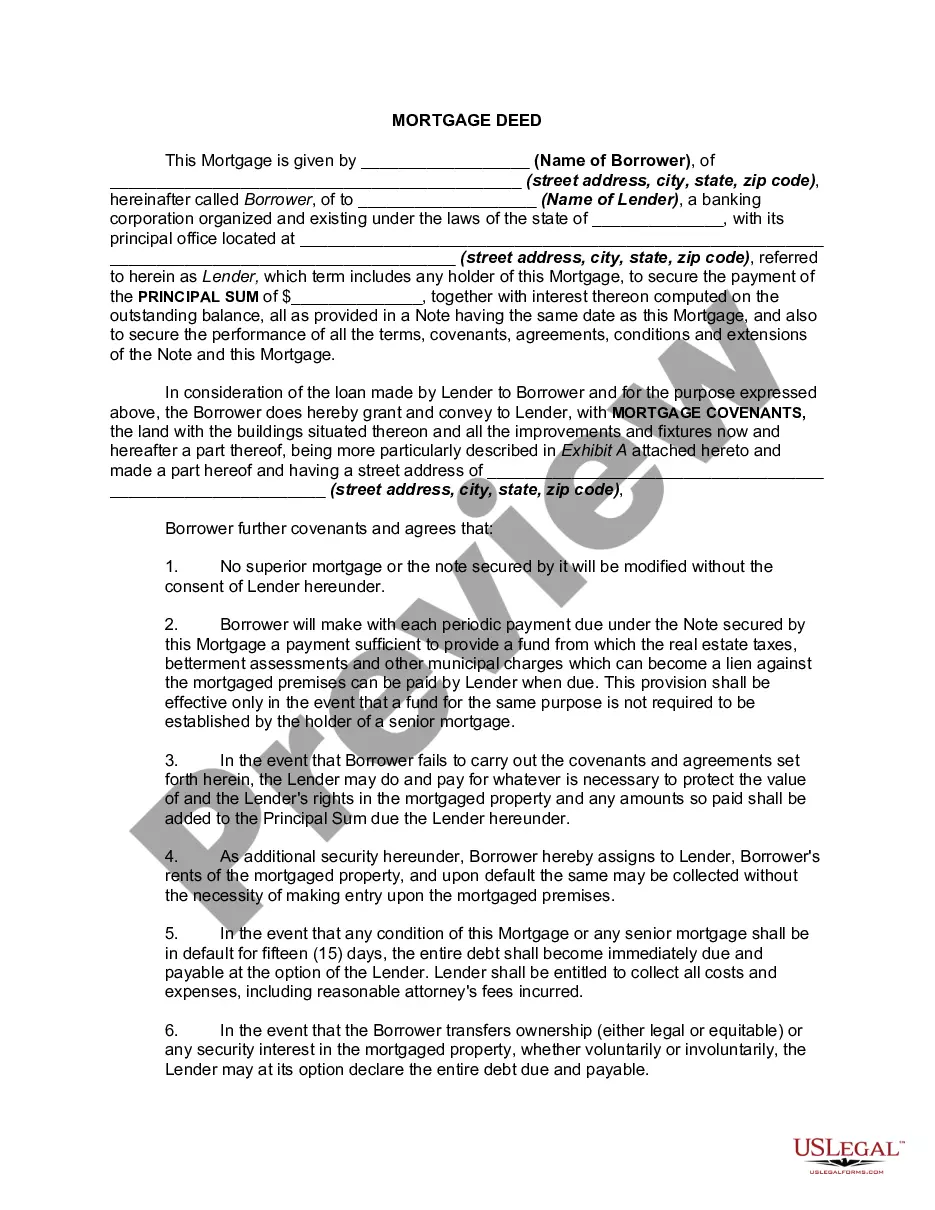

Get your form ready online
Our built-in tools help you complete, sign, share, and store your documents in one place.
Make edits, fill in missing information, and update formatting in US Legal Forms—just like you would in MS Word.
Download a copy, print it, send it by email, or mail it via USPS—whatever works best for your next step.
Sign and collect signatures with our SignNow integration. Send to multiple recipients, set reminders, and more. Go Premium to unlock E-Sign.
If this form requires notarization, complete it online through a secure video call—no need to meet a notary in person or wait for an appointment.
We protect your documents and personal data by following strict security and privacy standards.

Make edits, fill in missing information, and update formatting in US Legal Forms—just like you would in MS Word.

Download a copy, print it, send it by email, or mail it via USPS—whatever works best for your next step.

Sign and collect signatures with our SignNow integration. Send to multiple recipients, set reminders, and more. Go Premium to unlock E-Sign.

If this form requires notarization, complete it online through a secure video call—no need to meet a notary in person or wait for an appointment.

We protect your documents and personal data by following strict security and privacy standards.
Looking for another form?

Form popularity
FAQ
For Residential Cases. Lender must mail you information on getting help at least 90 days before starting a court case. Lender asks court for a judgment on default and to appoint a Referee to decide the amount you owe and write a report. Lender asks court to accept the Referee's findings. Judge orders sale of your home.
Set forth in Section 1301 of the New York Real Property Actions and Proceedings Law (NYRPAPL Article 13), the one action rule provides that, “While an action is pending or after final judgment for the plaintiff therein, no other action shall be commenced or maintained to recover any part of the mortgage debt, ...
In 2022, the New York State Legislature enacted the Foreclosure Abuse Prevention Act (FAPA), thereby amending several interrelated provisions of the Civil Practice Law and Rules (CPLR), the Real Property Actions and Proceedings Law (RPAPL), and the General Obligations Law (GOL), which affect how and when the statute of ...
It takes at least 6 to 8 months for a fore- closure lawsuit to go from summons and complaint to auction — even if you ignore the court case. In reality, however, the process is taking much longer. If you file an Answer and appear at the mandatory settlement conference, it is taking lenders 1 to 3 years to foreclose.
The new law does not disturb New York's six-year statute of limitations on mortgage foreclosure actions. It simply restores a common-sense principle: no party may unilaterally stop and restart the statute of limitations to revive what would otherwise be a time-barred action.
The right of redemption gives mortgagors the opportunity to reclaim their property and stop a foreclosure sale from happening, or, in some cases, even repurchase their property after a sale has occurred.
In general, a lender begins foreclosure after you miss four consecutive mortgage payments. However, procedures vary by state and jurisdiction, so it can take longer.
The power of sale clause invokes the right of foreclosure, which describes a lender's ability to take possession of a property through a legal process called foreclosure. Lenders may use their right of foreclosure when a homeowner defaults on their mortgage payments.
Foreclosure is when a lender uses a legal process to force the sale of a property (like a home) to cover a debt. This can happen when someone takes out a mortgage to buy a home and then stops making payments (defaults on the mortgage).
The right of redemption gives mortgagors the opportunity to reclaim their property and stop a foreclosure sale from happening, or, in some cases, even repurchase their property after a sale has occurred.
